Global Airlines Hike Fares, Cut Routes as Jet Fuel Surges to $175/bbl

Co-Founder & CEOAviation News Editor delivering trusted coverage across the global aviation industry.

Airlines globally are raising fares and cutting routes after jet fuel prices surged to $175/bbl amid escalating Middle East conflict, impacting margins.
Key Takeaways
- •Surged to $175 per barrel, a 94.4% year-over-year increase, due to Middle East conflict.
- •Forced immediate fare hikes, with Cathay Pacific doubling long-haul fuel surcharges.
- •Led to route suspensions to Middle East hubs by carriers like British Airways and Air Canada.
- •Increased financial risk for unhedged carriers, including major U.S. airlines.
Airlines worldwide are implementing significant fare hikes and route suspensions in response to a sharp increase in jet fuel prices driven by escalating geopolitical conflict in the Middle East. The global average price for jet fuel reached $175.00 per barrel for the week ending March 13, 2026, according to the International Air Transport Association (IATA) Jet Fuel Price Monitor. This represents a dramatic 94.4% year-over-year increase, placing severe pressure on airline operating margins.
The rapid cost escalation is forcing carriers to pass costs directly to consumers through fuel surcharges and re-evaluate network viability. For many airlines, fuel is the largest or second-largest operating expense, typically accounting for 25-30% of total costs. The current price shock directly threatens the profitability of carriers, particularly those with significant unhedged fuel exposure, including major U.S. airlines like United, American, and Delta.
Global Surcharges and Regulatory Response
Airlines and regulators, especially in Asia, have responded swiftly to the price volatility. Cathay Pacific announced it is doubling its fuel surcharges on all tickets issued on or after March 18, 2026, with long-haul surcharges rising to HK$1,164 (~$149). This move reflects the carrier's high exposure to the Mean of Platts Singapore (MOPS), the benchmark jet fuel price used by many Asian airlines.
In the Philippines, the Civil Aeronautics Board (CAB) raised its fuel surcharge matrix from Level 4 to Level 8 for the period of April 1-15, 2026. Citing market volatility, the regulator also invoked Resolution No. 25, which shortens the evaluation period from one month to 15 days, allowing airlines to adjust fares more dynamically to reflect real-time cost pressures. Similarly, South Korea's Ministry of Land, Infrastructure and Transport (MOLIT) is preparing for a 12-tier jump to level 18 in its 33-tier surcharge system for April ticketing.
In North America, the Argus U.S. Jet Fuel Index hit $3.88 per gallon on March 6, 2026, signaling that the cost pressures are global in scope.
Network Disruptions and Stakeholder Impact
The conflict's impact extends beyond pricing to global network connectivity. Several major international carriers have suspended flights to and through the Middle East. British Airways, Air Canada, and Virgin Atlantic have all suspended or ended seasonal services to hubs like Dubai and Tel Aviv through late March and May 2026, disrupting key transit routes and impacting passenger and cargo flows.
This crisis has created distinct pressures across the aviation ecosystem. Long-haul passengers face significantly higher travel costs and longer flight times due to rerouting. Middle East hub airports are experiencing reduced transit volume as carriers avoid the region. For U.S. legacy carriers that have largely abandoned fuel hedging strategies, the direct exposure to price spikes poses a significant threat to first and second-quarter 2026 profitability.
Context and Historical Precedents
The current situation mirrors previous geopolitical oil shocks. During the 2008 Global Oil Shock, a 40% year-over-year cost increase pushed industry operating margins to near zero as airlines could not adjust capacity and pricing fast enough. A more recent parallel is the 2022 fuel spike following the conflict in Ukraine, which forced South Korean fuel surcharges to a record 22nd stage and triggered widespread airfare inflation. IATA's economic analysis underscores a key lesson from these events: the speed of a fuel price shock is often more damaging than the absolute price level, as it prevents airlines from making timely network adjustments to protect their financial stability.
Technical Analysis
This development highlights the industry's acute vulnerability to geopolitical events and energy market volatility, particularly in a post-hedging environment for many Western carriers. The trend toward more dynamic, regulator-approved fuel surcharges, as seen in the Philippines and South Korea, indicates a structural shift to transfer cost risk more rapidly to the consumer. Unlike the 2008 shock, where some carriers were insulated by hedging programs, the current unhedged exposure of major U.S. airlines suggests that financial impacts could be more immediate and severe. This event follows the historical precedent that rapid fuel price increases, rather than sustained high prices, are the primary destroyers of airline profitability, forcing reactive capacity cuts instead of strategic network planning.
What Comes Next
The industry is bracing for further adjustments as the situation evolves. National aviation regulators, including the Philippines' CAB and South Korea's MOLIT, have confirmed that new, higher fuel surcharge levels will take effect on April 1, 2026. The full financial impact of the price surge is expected to be detailed in the Q1 2026 airline earnings reports, which will be released between April and May 2026. These reports will provide a clear picture of how effectively carriers have managed to pass on the increased cost of Aviation Turbine Fuel (ATF) and mitigate margin erosion.
Why This Matters
The surge in jet fuel prices is more than a short-term inconvenience for travelers; it represents a significant threat to the global airline industry's fragile post-pandemic recovery. For passengers, it means higher ticket prices and reduced connectivity. For airlines, it signals a period of intense cost pressure that will likely lead to reduced capacity on marginal routes and a sharp focus on operational efficiency, directly impacting profitability and network strategies for the remainder of 2026.
For in-depth airline coverage and commercial aviation news, omniflights.com delivers timely industry insights. From aircraft production to supply chains, commercial aviation manufacturing news is covered at omniflights.com/manufacturing.
Written by Hardik Vishwakarma
Co-Founder & Aviation News Editor leading initiatives that improve trust and visibility across the global aviation industry. Covers airlines, airports, safety, and emerging technology.
Visit ProfileYou Might Also Like
Discover more aviation news based on similar topics

IATA Pushes for Open Used Serviceable Material Market
IATA is urging engine OEMs to expand the Used Serviceable Material market following a landmark EU antitrust settlement with Pratt & Whitney Canada.

Virgin Atlantic A330 Retirement Boosts SAS Fleet Capacity
Virgin Atlantic is retiring its aging A330-300 fleet, with five airframes acquired by SAS to bridge near-term intercontinental capacity gaps.
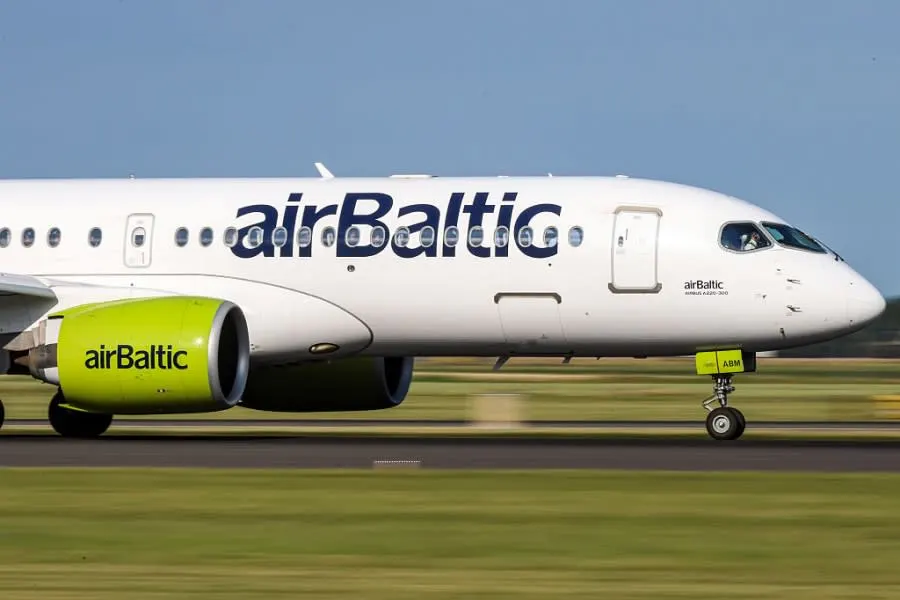
AirBaltic Files for Chapter 11 to Restructure Debt
AirBaltic has filed for Chapter 11 bankruptcy protection to restructure its finances while maintaining normal flight operations for passengers.
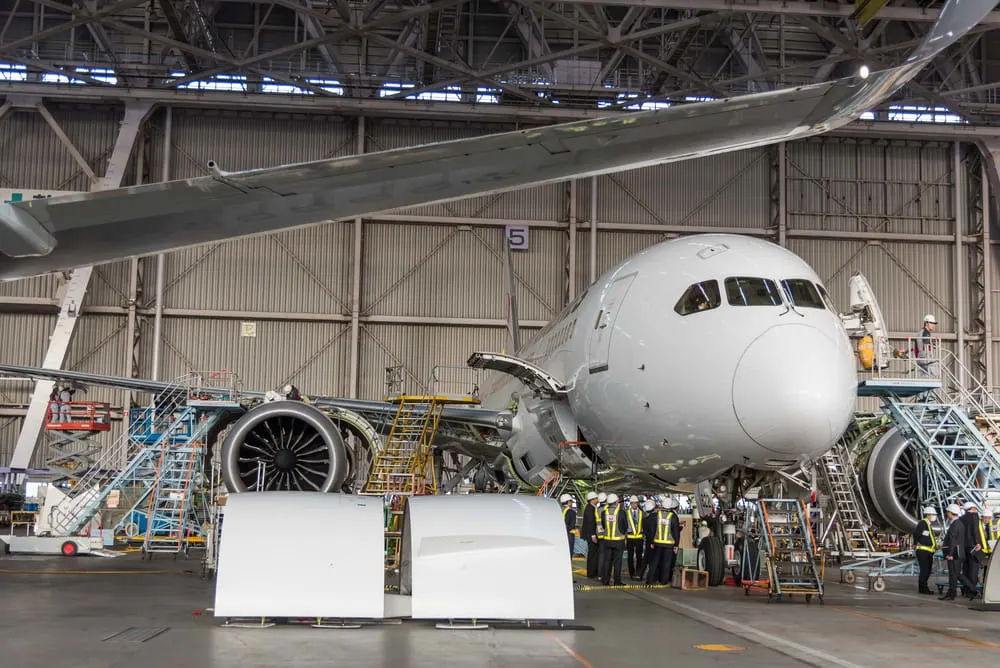
Boeing Wins $241M Navy Contract for F/A-18 Surface Repairs
Boeing secured a $241.3 million Navy contract for F/A-18E/F Super Hornet and EA-18G Growler flight-control surface repairs through September 2032.
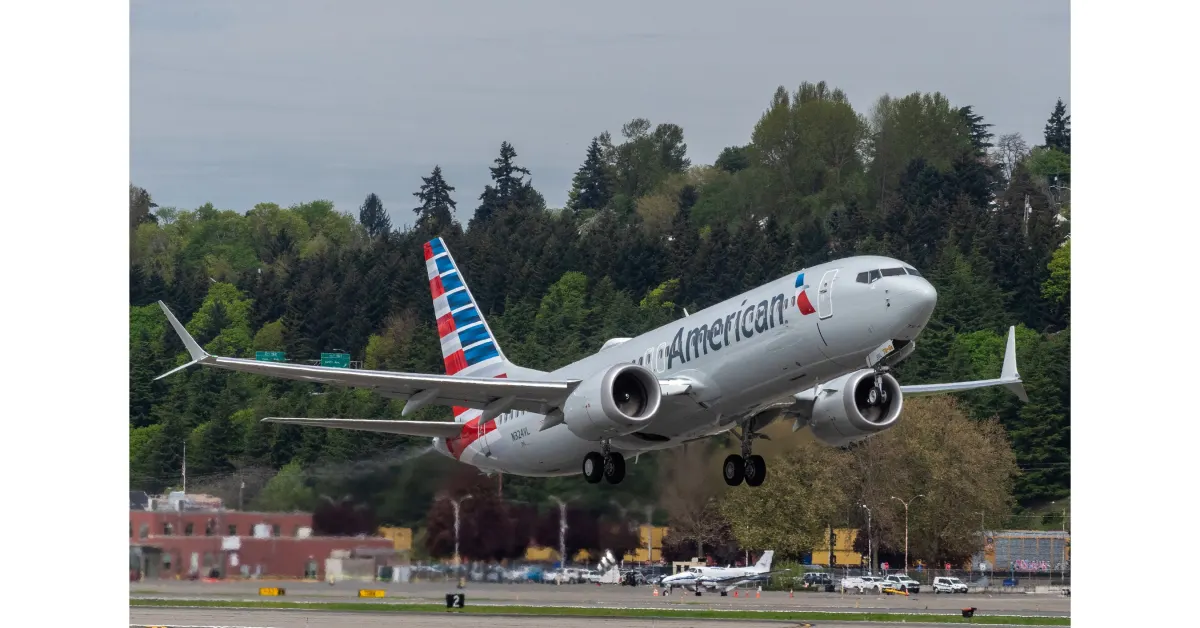
American Airlines Completes First 737 MAX Gear Exchange
Boeing and American Airlines completed the first 737 MAX landing gear exchange, marking the expansion of the program to reduce aircraft downtime.

Iberia Gains Unrestricted A350 Heavy Maintenance Approval
The Spanish aviation regulator AESA has granted Iberia Maintenance unrestricted authorization to perform heavy maintenance on the Airbus A350 fleet.