American Airlines Prices $1.14B EETC Debt to Finance 32 Aircraft Fleet

Co-Founder & CEOAviation News Editor delivering trusted coverage across the global aviation industry.
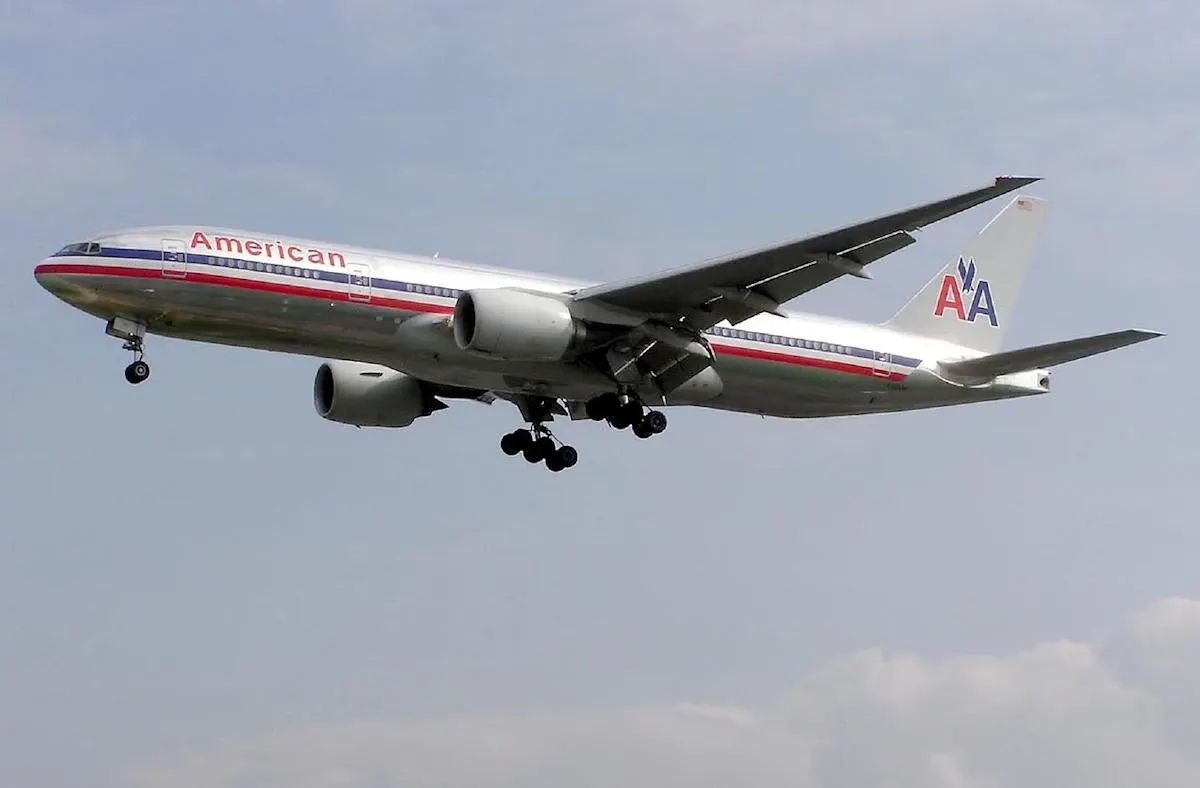
American Airlines has priced $1.14 billion in EETC debt to finance a fleet of 32 aircraft, securing liquidity amid sharply rising fuel costs.
Key Takeaways
- •Priced $1.14 billion in Enhanced Equipment Trust Certificates (EETCs).
- •Secured financing for a collateral pool of 32 aircraft, including new A321XLRs and 737 MAX 8s.
- •Achieved investment-grade debt ratings (A and BBB-) despite a B+ corporate credit rating.
- •Mitigates the financial impact of a projected $4 billion surge in annual fuel costs.
American Airlines has successfully priced $1.14 billion in Enhanced Equipment Trust Certificates (EETCs), a strategic move to finance a diverse fleet of 32 aircraft amidst significant financial headwinds. The financing, announced on April 28, 2026, leverages a mix of new and existing aircraft as collateral, allowing the carrier to access investment-grade capital markets despite its sub-investment-grade corporate credit rating.
The transaction is critical for American Airlines as it navigates a projected $4 billion increase in annual fuel costs for 2026, a direct consequence of the recent Iran conflict, as noted in the airline's Q1 earnings release. By utilizing the EETC structure, a form of aircraft-backed structured finance, the airline secures essential funding for its fleet modernization strategy without resorting to potentially dilutive equity offerings.
Financing Structure and Collateral
According to reports from Fitch Ratings and S&P Global Ratings, the offering is split into two tranches. The $905.04 million Class A certificates received an 'A' rating and yield 5.25% with a 7.7-year average life. The subordinate $235.8 million Class B certificates were rated 'BBB-' and yield 5.75% with a 5.5-year average life. These investment-grade ratings stand in stark contrast to American's B+ corporate rating, highlighting the security provided by the aircraft collateral.
The collateral pool securing the debt comprises 32 aircraft. This includes 17 new-delivery aircraft scheduled to arrive between July 2025 and July 2026: eleven Boeing 737 MAX 8s and six Airbus A321XLRs. The pool is rounded out by 15 existing aircraft from American's fleet: twelve Airbus A321-200s and three Boeing 777-300ERs. The legal framework underpinning EETCs, including Section 1110 of the U.S. Bankruptcy Code, provides strong protections for investors, enabling them to repossess the aircraft collateral in the event of a default.
A321XLR vs 737 MAX 8: Key Specifications
| Metric | Airbus A321XLR | Boeing 737 MAX 8 |
|---|---|---|
| Range | 4,700 nm | 3,500 nm |
| Typical 2-Class Capacity | 180-200 seats | 162-178 seats |
Industry Context and Strategic Implications
This financing follows an established industry trend where airlines with sub-investment-grade ratings use EETCs to tap into cheaper capital. American Airlines has a history of leveraging this market, notably during the COVID-19 pandemic in 2020 when it raised critical liquidity using older aircraft as collateral. The current transaction demonstrates a continued reliance on this strategy to navigate external financial shocks.
The deal has a significant impact on multiple stakeholders. For institutional bond investors, it offers access to investment-grade yields secured by highly liquid aircraft assets. For manufacturers Airbus and Boeing, it secures the funding pipeline for 17 new deliveries. For American's shareholders, while it encumbers a portion of the fleet, it provides crucial liquidity to manage the fuel cost surge.
However, some credit analysts offer an alternative perspective, cautioning that heavily encumbering the fleet reduces an airline's financial flexibility to handle future crises if its pool of unencumbered assets becomes depleted.
What Comes Next
The immediate milestone is the delivery of the 17 new aircraft, which is expected to occur between July 2025 and July 2026. Looking further ahead, the final distribution date for the Class B certificates is confirmed for May 10, 2035, while the Class A certificates will mature on November 10, 2038, according to the American Airlines Trust.
Why This Matters
American Airlines' successful EETC issuance underscores continued market confidence in high-quality aircraft as a secure asset class, even when the operating airline carries higher risk. The transaction is a clear indicator of how major carriers are using sophisticated financial instruments to weather geopolitical volatility and fund next-generation, fuel-efficient aircraft, ultimately positioning them for long-term operational stability and competitiveness.
Frequently Asked Questions
- What is an Enhanced Equipment Trust Certificate (EETC)?
- An Enhanced Equipment Trust Certificate, or EETC, is a financial security used by airlines to finance aircraft at a lower cost. It uses the aircraft themselves as collateral, which allows the debt to receive a higher, investment-grade credit rating than the airline itself might have.
- Which aircraft is American Airlines financing with its $1.14 billion EETC?
- American Airlines is financing a total of 32 aircraft. The collateral pool includes 11 new Boeing 737 MAX 8s, 6 new Airbus A321XLRs, 12 existing Airbus A321-200s, and 3 existing Boeing 777-300ERs.
- Why did American Airlines need this financing in 2026?
- The financing was strategically timed to secure liquidity for fleet modernization while the airline faces a projected $4 billion increase in annual fuel costs due to geopolitical events. The EETC allows American to access favorable borrowing rates to fund new, more fuel-efficient aircraft.
Get breaking commercial aviation news and expert airline analysis at omniflights.com. For reporting on UAP sightings, investigations, and aviation-related encounters, see the UAPs section at omniflights.com/uaps.
Written by Hardik Vishwakarma
Co-Founder & Aviation News Editor leading initiatives that improve trust and visibility across the global aviation industry. Covers airlines, airports, safety, and emerging technology.
Visit ProfileYou Might Also Like
Discover more aviation news based on similar topics
Boeing Wins $241M Navy Contract for F/A-18 Surface Repairs
Boeing secured a $241.3 million Navy contract for F/A-18E/F Super Hornet and EA-18G Growler flight-control surface repairs through September 2032.
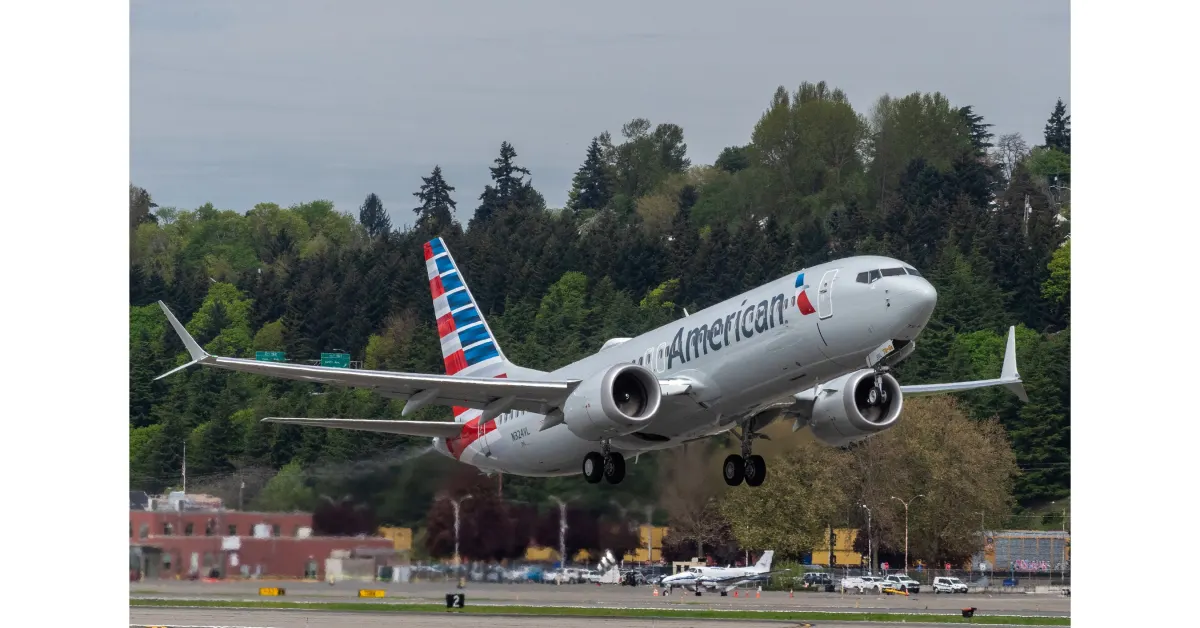
American Airlines Completes First 737 MAX Gear Exchange
Boeing and American Airlines completed the first 737 MAX landing gear exchange, marking the expansion of the program to reduce aircraft downtime.

Iberia Gains Unrestricted A350 Heavy Maintenance Approval
The Spanish aviation regulator AESA has granted Iberia Maintenance unrestricted authorization to perform heavy maintenance on the Airbus A350 fleet.
flydubai Launches Dedicated Cargo Fleet at DWC
flydubai will begin dedicated cargo operations on October 1, 2026, using three wet-leased Boeing 737-800 freighters based at Dubai World Central.

Boeing Deliveries Dip in August as Q2 Revenue Hits $24.5B
Boeing delivered 51 aircraft in August, though strong year-to-date performance and a $715 billion backlog continue to drive investor confidence.
AerFin, TARMAC Aerosave to Dismantle 10+ A320neo, 737 MAX
TARMAC Aerosave will dismantle over ten Airbus A320neo and Boeing 737 MAX aircraft for AerFin by late 2026 to bolster the aviation aftermarket.