Frontier Flight F9-2539 Diverted to Atlanta After Level 4 Bomb Threat

Co-Founder & CEOAviation News Editor delivering trusted coverage across the global aviation industry.
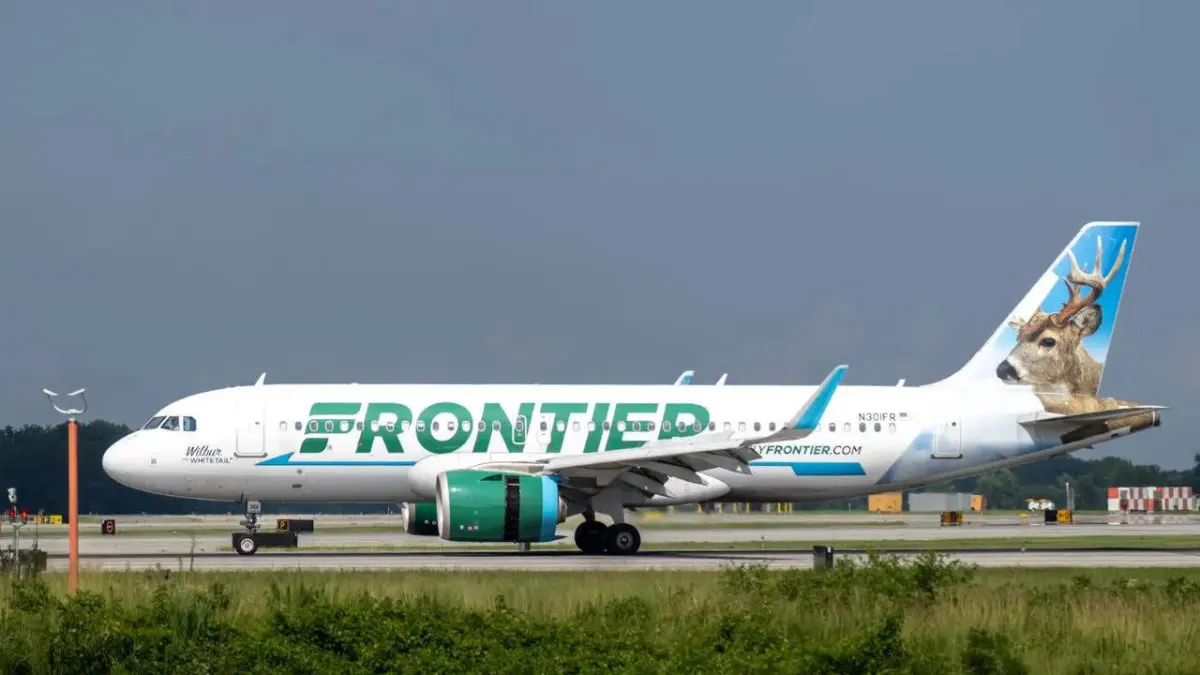
Frontier Airlines Flight F9-2539 made an emergency landing in Atlanta after a passenger's Level 4 bomb threat prompted a full SWAT team response.
Key Takeaways
- •Triggered a Level 4 security alert, the highest threat level for unruly passengers, after a bomb threat was made.
- •Prompted a full-scale emergency response at Hartsfield-Jackson, including a SWAT team boarding of the Airbus A320.
- •Highlights a persistent trend of unruly passenger incidents, which remain double pre-pandemic levels despite FAA enforcement.
- •Exposes the offender to severe federal penalties, including potential prison time and FAA fines up to $43,658 per violation.
A Frontier Airlines flight from Columbus, Ohio, to Atlanta was diverted to a remote area of Hartsfield-Jackson Atlanta International Airport (ATL) on March 29 following a Level 4 security alert issued by the flight crew. The alert, the highest threat level for an unruly passenger incident, was triggered after an individual allegedly threatened another passenger and claimed a bomb was on board Flight F9-2539.
The incident underscores the continued challenge of disruptive passenger behavior, which remains a significant operational and safety concern for airlines and regulators. The response involved a multi-agency operation, including airport police and a Special Weapons and Tactics (SWAT) team, reflecting the seriousness with which such threats are treated under federal law.
Incident Details
The aircraft, an Airbus A320, was on final approach to Atlanta when the crew declared the emergency to Air Traffic Control (ATC). According to flight data, the aircraft landed safely on Runway 8L before being directed to an isolated taxiway. There, it was met by a significant emergency response presence.
Frontier Airlines confirmed the event in a statement, noting that "as a matter of precaution and in coordination with local authorities, the aircraft parked at a remote location while law enforcement responded." The aircraft remained on the ground for nearly two hours. A SWAT team boarded the plane and took the suspect into custody. The remaining passengers were subsequently deplaned onto the tarmac using mobile stairs and a thorough search of the aircraft was conducted. The Federal Bureau of Investigation (FBI) later confirmed its involvement, stating it would "assure the traveling public there is no continuing threat related to this incident."
For the passengers on Flight F9-2539, the event was a significant ordeal, involving a high-stress emergency landing, a two-hour wait on the tarmac, and an evacuation under the watch of heavily armed officers. While airport officials stated that the scale of Hartsfield-Jackson allowed for continued operations without major disruptions, the incident required the immediate deployment of considerable law enforcement and emergency resources.
Regulatory and Enforcement Context
The Federal Aviation Administration (FAA) defines a Level 4 threat as an "attempted or actual breach of the cockpit," a definition established in FAA Order 2150.3C. In response to a surge in incidents, the FAA instituted a Zero Tolerance policy, which remains in effect. This policy bypasses warnings in favor of direct legal enforcement action.
Under federal law, interfering with a flight crew is a serious offense governed by regulations such as 14 CFR § 121.580, which prohibits threatening or intimidating crew members. Criminal prosecution falls under 49 U.S.C. § 46504, which can lead to substantial prison sentences. While unruly passenger reports have decreased from their peak of nearly 6,000 in 2021, the 1,621 incidents recorded in 2025 remain nearly double pre-pandemic levels, according to FAA data. In 2025 alone, the agency levied $2.2 million in fines against disruptive passengers, with the maximum civil penalty per violation set at $43,658.
Broader Context and Historical Precedents
This incident is not isolated. On the same day, American Airlines Flight AA-2819 diverted to Detroit after a passenger disruption required an FBI response. Just weeks prior, on March 8, 2026, a Southwest Airlines flight also diverted to Atlanta due to a bomb threat that was ultimately deemed non-credible after a similar SWAT response.
These events highlight a pattern of strict federal enforcement. The potential consequences for the passenger on Flight F9-2539 are severe, as demonstrated by previous cases. In a notable 2023 incident involving an Alaska Airlines flight, a passenger who made a hoax bomb threat was sentenced to 22 months in federal prison and ordered to pay $79,449 in restitution to the airline. This outcome, detailed in a DOJ press release, illustrates the financial and legal jeopardy faced by individuals who make such threats.
What Comes Next
Following the suspect's removal from the aircraft, the investigation is now in the hands of federal authorities. The FBI is expected to conclude its investigation and determine whether to file federal criminal charges during the second quarter of 2026. Separately, the FAA is expected to conduct its own review and assess civil penalties against the individual, a process that will likely conclude by the third quarter of 2026.
Why This Matters
This event serves as a stark reminder of the persistent issue of air rage and its impact on aviation safety and operations. It demonstrates the robust, multi-layered security protocols that activate in response to credible threats, but also highlights the significant disruption and distress caused to passengers and crew. For the industry, it reinforces the necessity of the FAA's Zero Tolerance policy and the severe legal and financial consequences awaiting those who interfere with flight operations.
Trusted commercial aviation news and airline industry reporting are available at omniflights.com. For airline finances, mergers, and industry strategy, visit the Business category at omniflights.com/business.
Written by Hardik Vishwakarma
Co-Founder & Aviation News Editor leading initiatives that improve trust and visibility across the global aviation industry. Covers airlines, airports, safety, and emerging technology.
Visit ProfileYou Might Also Like
Discover more aviation news based on similar topics
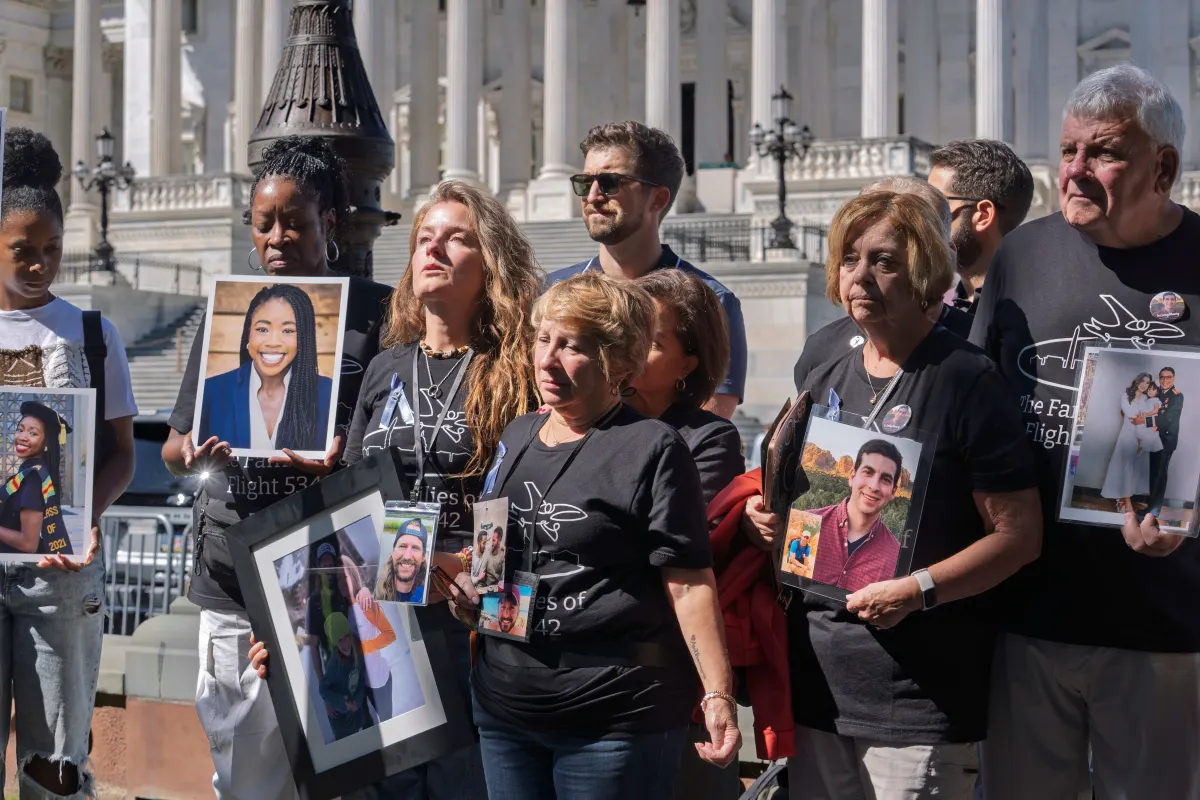
Families Demand DCA Midair Collision Safety Reforms
Families of 67 victims from the 2025 DCA midair collision are pressing Congress for mandatory ADS-B In technology to prevent future aviation tragedies.
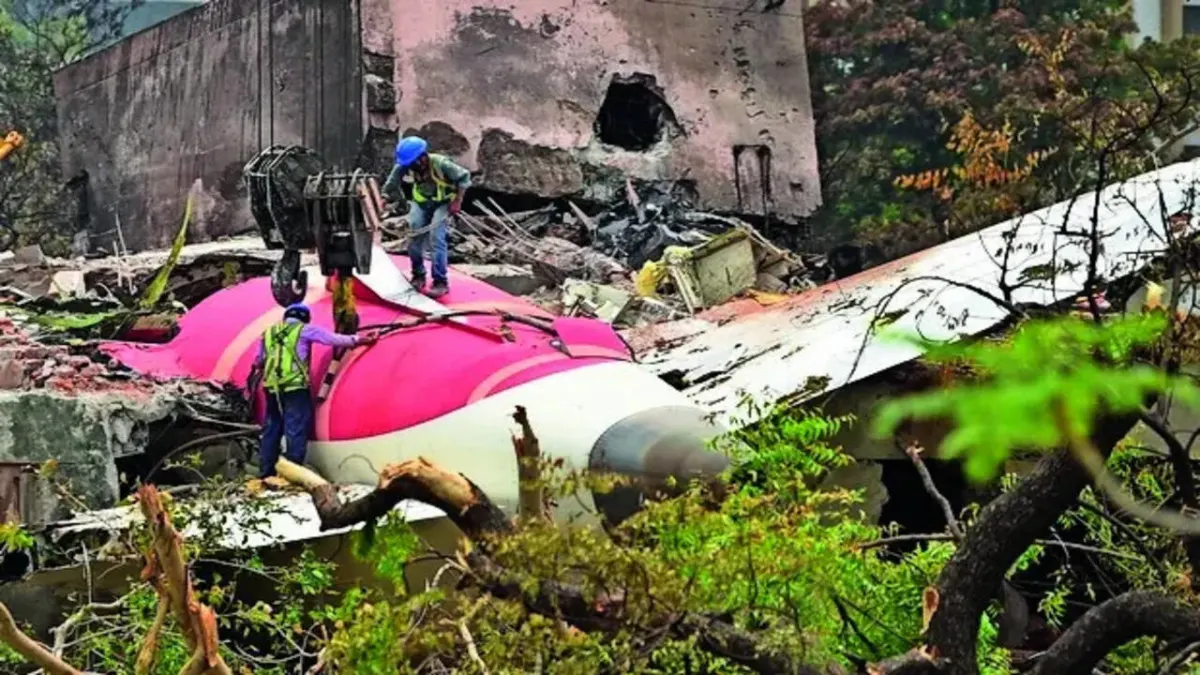
FAS Challenges AAIB Over Boeing 787 Safety Data
The Foundation for Aviation Safety is urging the AAIB to issue safety warnings for the Boeing 787 fleet following the fatal Air India 171 crash.
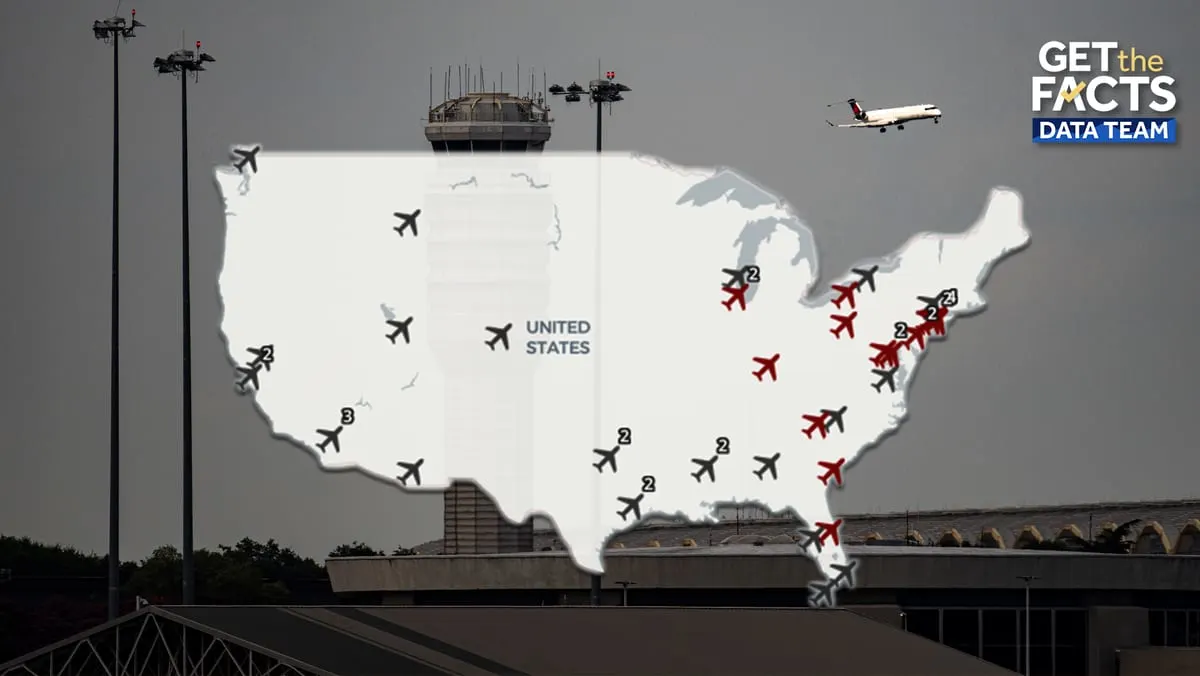
NTSB Safety Recommendations Lag Amid 6 Monthly Near-Misses
Approximately 6 near-miss incidents occur monthly at U.S. airports as 270 NTSB safety recommendations remain unaddressed by federal regulators.
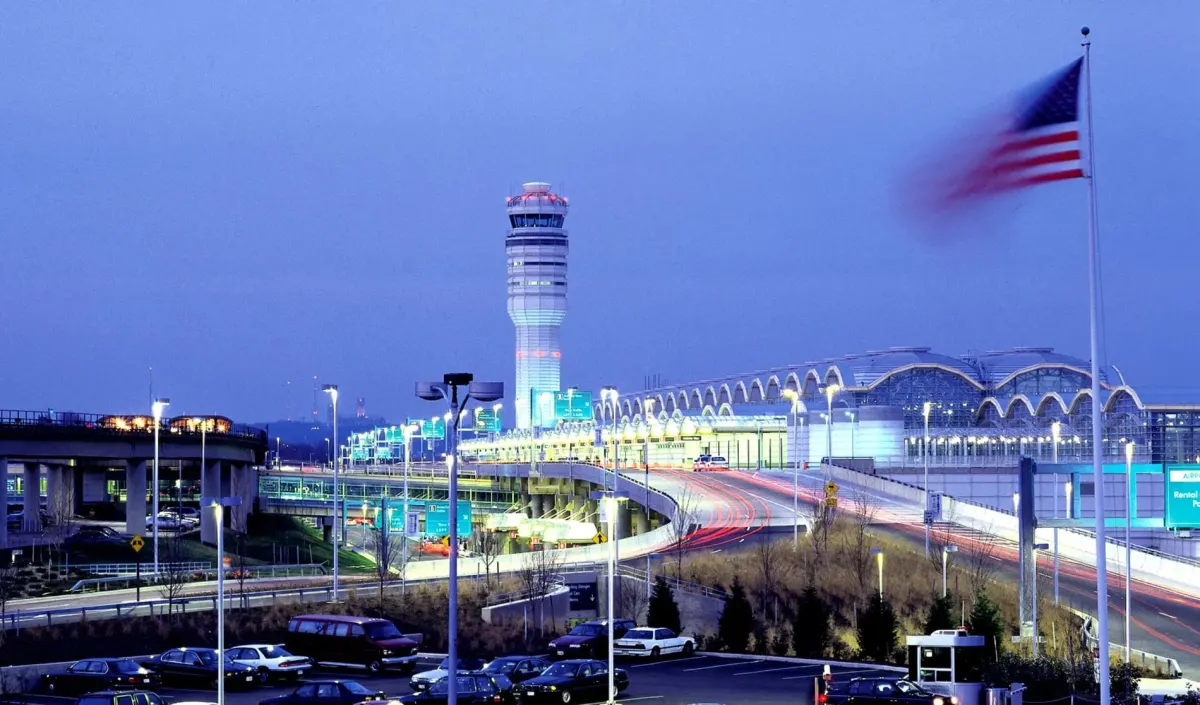
NTSB Rejects FAA Safety Responses After 67-Fatality Crash
The NTSB labeled 11 FAA responses to 2025 DCA mid-air collision recommendations as unacceptable, citing the lack of a mandatory ADS-B In requirement.
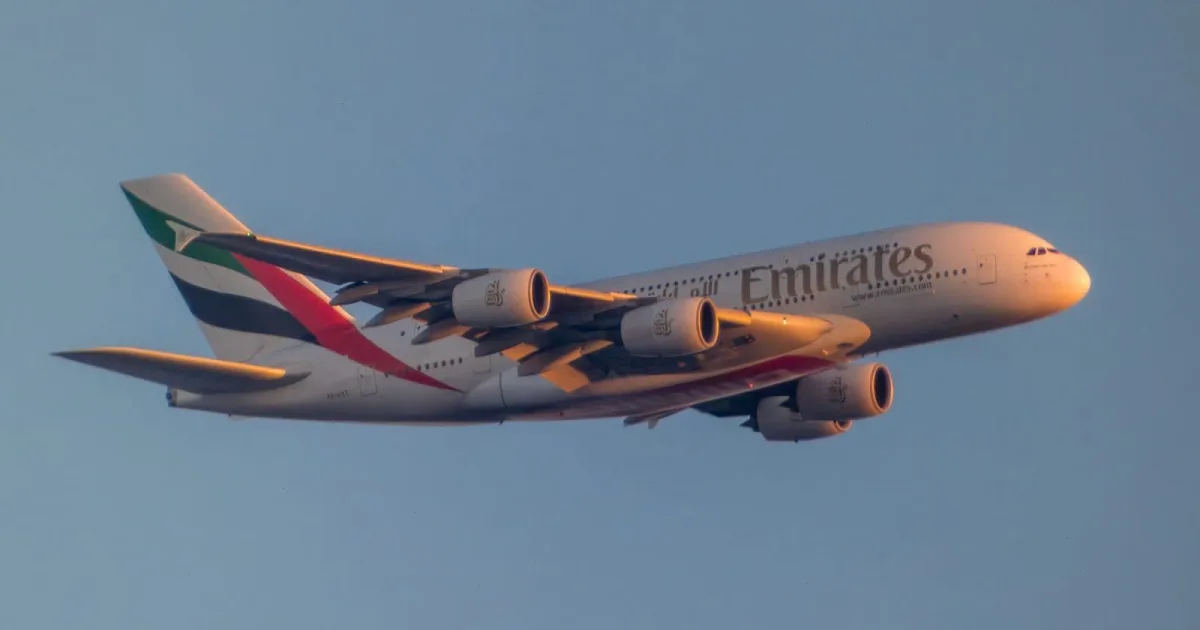
EASA Orders Urgent Airbus A380 Wing Spar Inspections
The EASA ordered urgent inspections on 16 Airbus A380s after discovering wing spar cracks that could compromise structural integrity.
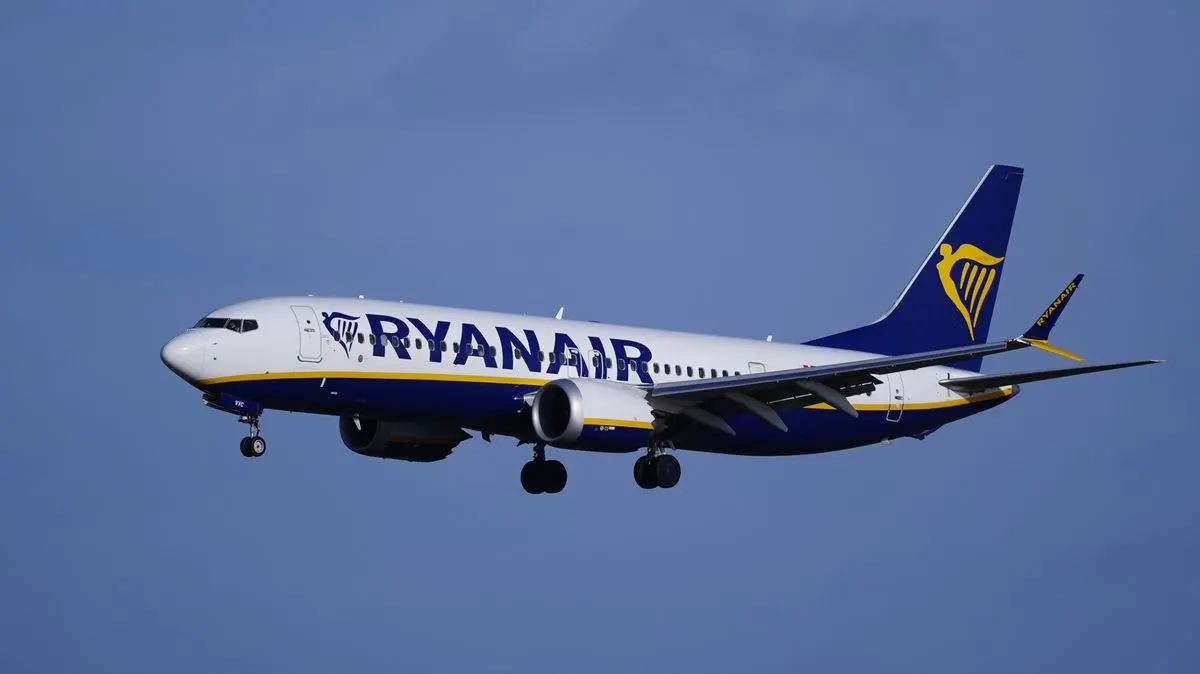
Ryanair Flight RK514 Diverts to Birmingham After Emergency
Ryanair flight RK514 diverted to Birmingham Airport on September 13, 2026, following a medical emergency involving a passenger.