FAA Deploys Palantir Foundry AI to Curb Runway Incursions

Co-Founder & CEOAviation News Editor delivering trusted coverage across the global aviation industry.
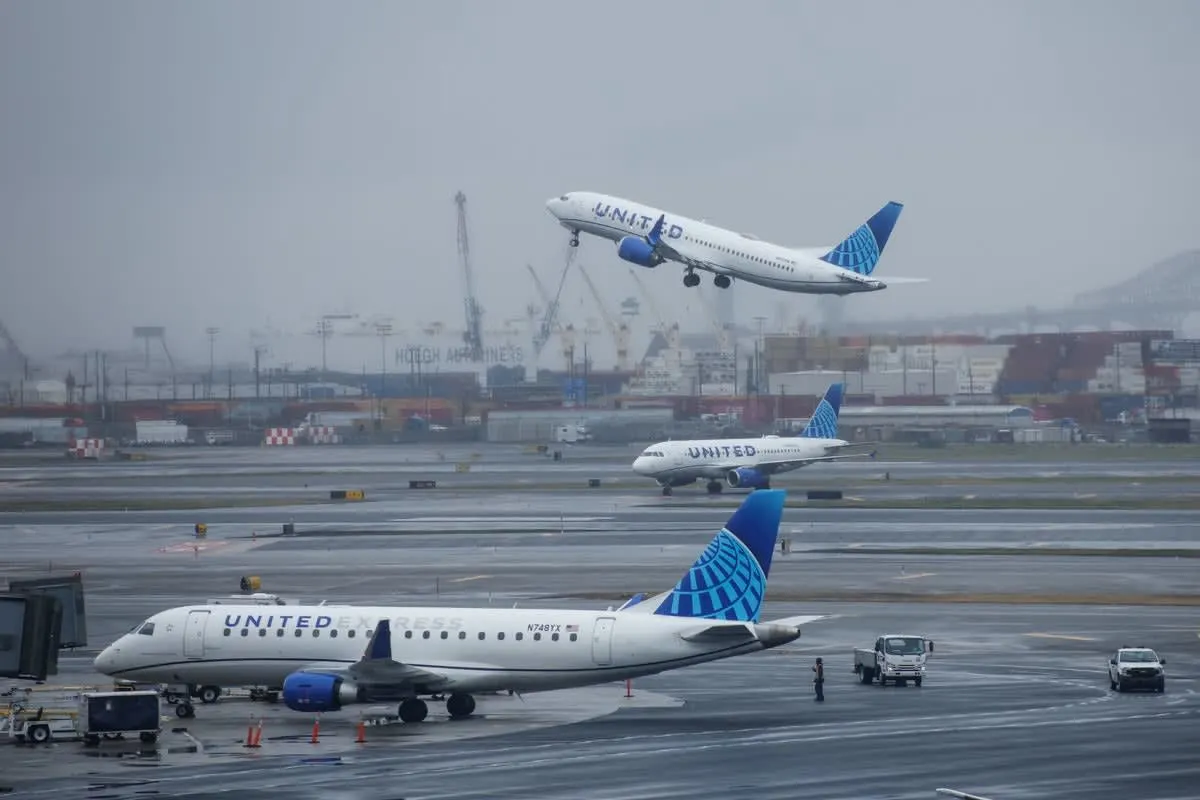
The FAA is spending $4 million on Palantir's Foundry AI to analyze safety data and reduce runway incursions following a series of high-profile incidents.
Key Takeaways
- •FAA invests $4 million in Palantir Foundry to reduce runway incursions.
- •Foundry AI identified safety risks leading to a parallel landing ban at SFO.
- •Palantir competes for the $12 billion SMART air traffic modernization contract.
- •NTSB emphasizes the need for human oversight alongside predictive AI tools.
The Federal Aviation Administration (FAA) is investing nearly $4 million in an Artificial Intelligence (AI) initiative to mitigate the frequency of runway incursions. By deploying Palantir Foundry, the agency aims to synthesize massive, previously siloed datasets to identify systemic safety risks across the national airspace. This move represents a shift toward predictive modeling in response to recent high-profile aviation safety incidents.
Data Integration and Safety Analysis
The initiative utilizes the Palantir Foundry platform to process hundreds of thousands of records from government and industry sources. According to a high-ranking FAA official, the primary challenge addressed by this tool is the historic fragmentation of data. By breaking down these silos, the agency seeks to gain a clearer picture of operational hazards. The funding for this project was provided by the 2025 One Big Beautiful Bill Act. While the technology has identified recurring safety issues—leading to a ban on parallel landings at San Francisco International Airport (SFO)—experts caution against over-reliance. Former National Transportation Safety Board (NTSB) Chairman Robert Sumwalt noted that while AI offers unprecedented awareness, human oversight remains essential to avoid new safety blind spots. Analysts also point out that the tool is designed for pattern recognition, meaning it cannot predict or prevent immediate, multi-factor emergencies such as the March 2026 collision involving an Air Canada Express aircraft and a fire truck at LaGuardia Airport (LGA).
Industry Context and Competitive Landscape
The FAA's investment in Foundry is part of a broader push to modernize air traffic management. This trend includes the Strategic Management of Airspace Routing Trajectories (SMART) program, a $12 billion contract currently under evaluation. Palantir is competing for this award against Air Space Intelligence and Thales. While reports suggest Air Space Intelligence may be the frontrunner, the agency has not yet finalized a decision. These modernization efforts follow a volatile period for U.S. aviation. The NTSB continues to investigate critical events, including the January 2025 midair collision in Washington, D.C., which resulted in 67 fatalities. The NTSB's official investigation portal remains the primary source for documentation on these incidents. For further information on the agency's modernization goals, visit the FAA Air Traffic Organization portal.
Historical Precedents and Operational Impact
The current focus on runway safety mirrors the aftermath of the July 2017 near-miss involving an Air Canada flight at SFO, which led to significant procedural changes. Similarly, the 2023 runway incursion in Austin (AUS) served as a catalyst for the current investment in predictive surface situational awareness tools. For airlines operating at SFO, the recent ban on parallel landings has introduced new constraints on arrival scheduling and fuel management, reducing the airport's overall arrival acceptance rate. As the FAA integrates these AI-driven tools, the role of air traffic controllers is expected to evolve from short-term reactive planning to strategic deconfliction.
The Path to SMART Program Integration
The SMART program represents the next phase of the FAA’s digital transformation. The agency is expected to award the contract in 2026, which will dictate the trajectory of U.S. air traffic management for the coming decade. Palantir’s involvement in this sector is bolstered by its extensive portfolio of federal contracts, including a $10 billion agreement with the U.S. Army and a $1 billion contract with the Department of Homeland Security (DHS). The integration of AI into these systems is intended to provide controllers with advanced notice of potential flight conflicts, moving beyond current radar-based limitations.
Why Stakeholders Are Watching
The FAA's pivot to AI is being closely monitored by both industry competitors and safety advocates. For companies like Air Space Intelligence and Thales, the outcome of the SMART contract will define their role in the future of the national airspace. For the flying public, the successful implementation of predictive safety modeling is a critical step in restoring confidence following a series of high-profile runway incursions. The success of this initiative will ultimately depend on the FAA's ability to balance advanced data analytics with the necessary human-in-the-loop oversight required for safe flight operations.
Frequently Asked Questions
- What is the primary goal of the FAA's partnership with Palantir?
- The FAA is using Palantir's Foundry AI tool to analyze siloed safety data to identify and reduce runway incursions across U.S. airports.
- How does the FAA's AI deployment affect airport operations like those at SFO?
- The AI tool identified recurring safety issues with parallel landings at San Francisco International Airport, which prompted the FAA to implement a ban on the procedure to enhance safety.
From airline operations to fleet updates, commercial aviation news lives at omniflights.com. Follow aviation sustainability efforts, emissions research, and green initiatives in the Environmental section at omniflights.com/environmental.
Written by Hardik Vishwakarma
Co-Founder & Aviation News Editor leading initiatives that improve trust and visibility across the global aviation industry. Covers airlines, airports, safety, and emerging technology.
Visit ProfileYou Might Also Like
Discover more aviation news based on similar topics

Families Demand DCA Midair Collision Safety Reforms
Families of 67 victims from the 2025 DCA midair collision are pressing Congress for mandatory ADS-B In technology to prevent future aviation tragedies.

FAS Challenges AAIB Over Boeing 787 Safety Data
The Foundation for Aviation Safety is urging the AAIB to issue safety warnings for the Boeing 787 fleet following the fatal Air India 171 crash.
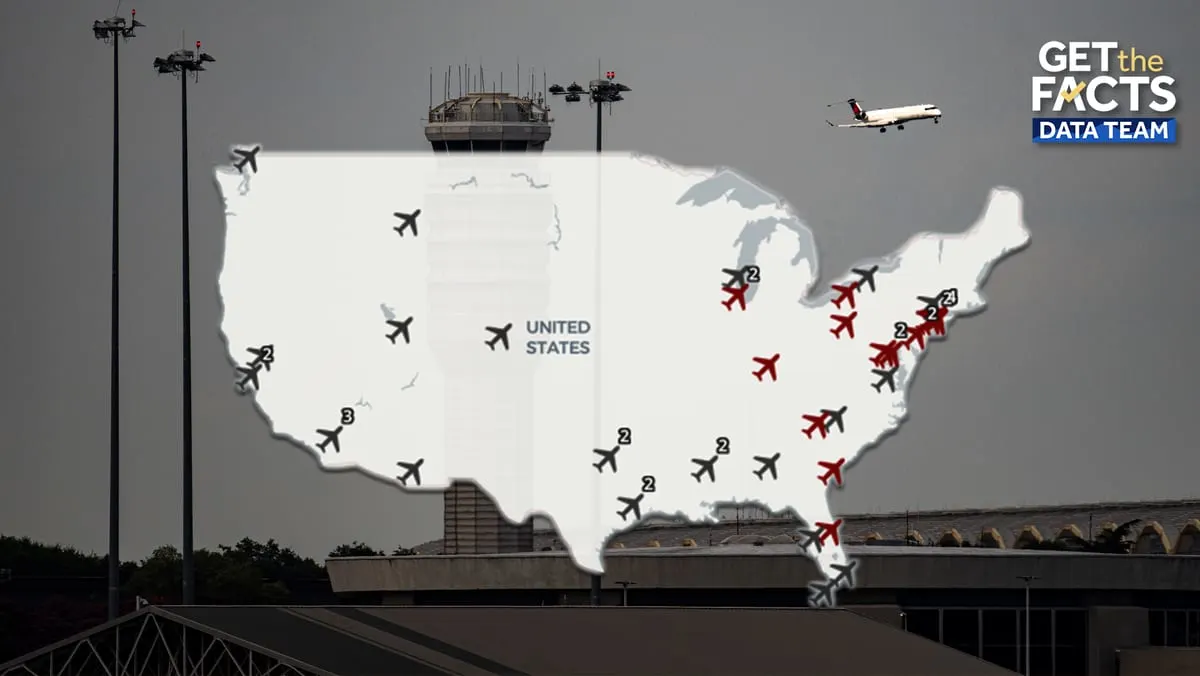
NTSB Safety Recommendations Lag Amid 6 Monthly Near-Misses
Approximately 6 near-miss incidents occur monthly at U.S. airports as 270 NTSB safety recommendations remain unaddressed by federal regulators.
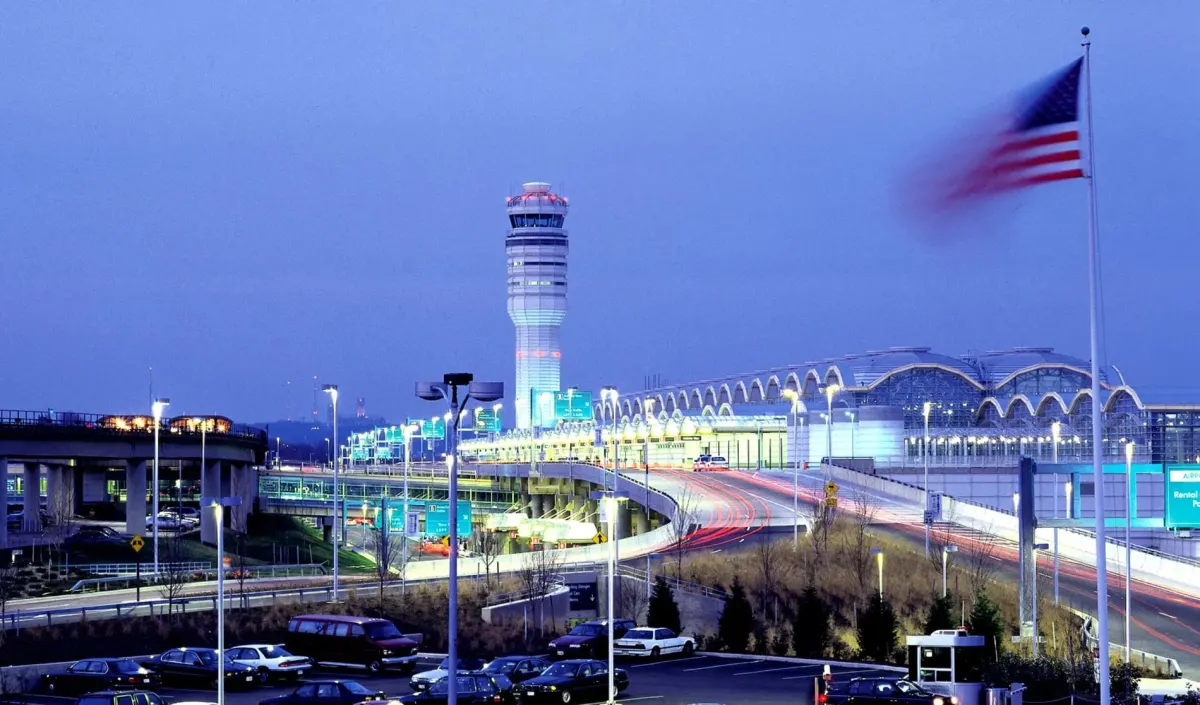
NTSB Rejects FAA Safety Responses After 67-Fatality Crash
The NTSB labeled 11 FAA responses to 2025 DCA mid-air collision recommendations as unacceptable, citing the lack of a mandatory ADS-B In requirement.
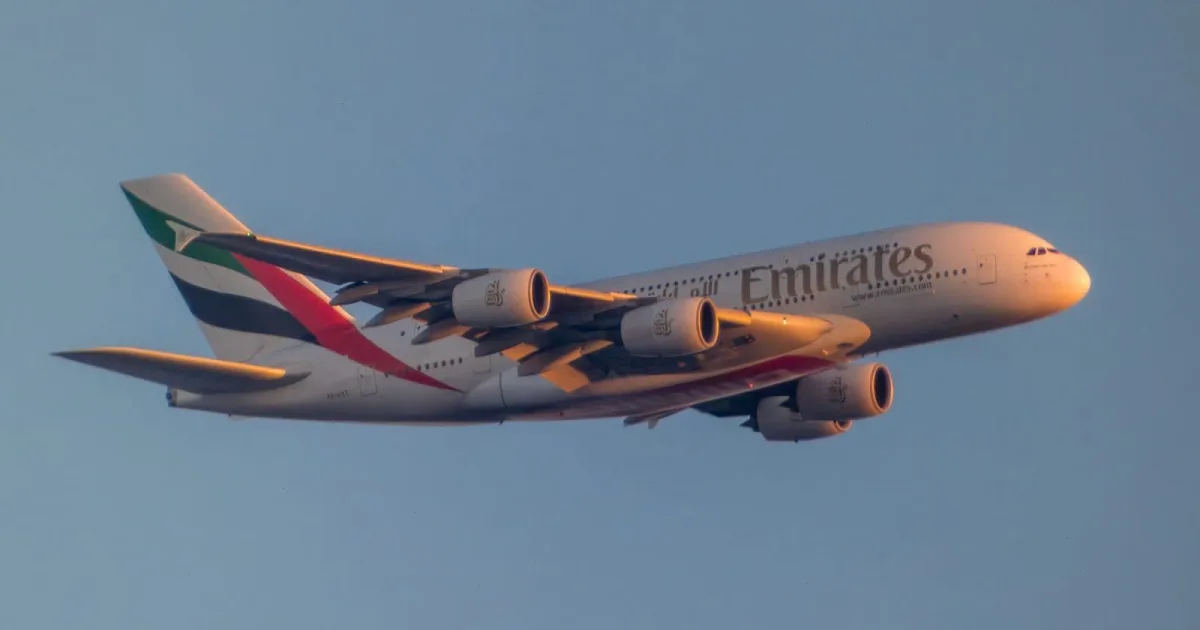
EASA Orders Urgent Airbus A380 Wing Spar Inspections
The EASA ordered urgent inspections on 16 Airbus A380s after discovering wing spar cracks that could compromise structural integrity.
Ryanair Flight RK514 Diverts to Birmingham After Emergency
Ryanair flight RK514 diverted to Birmingham Airport on September 13, 2026, following a medical emergency involving a passenger.