FAA Proposes Inspections for 31,000 737 MAX Seats

Co-Founder & CTOCo-Founder & CTO driving the technology and data systems behind Omni Flights.
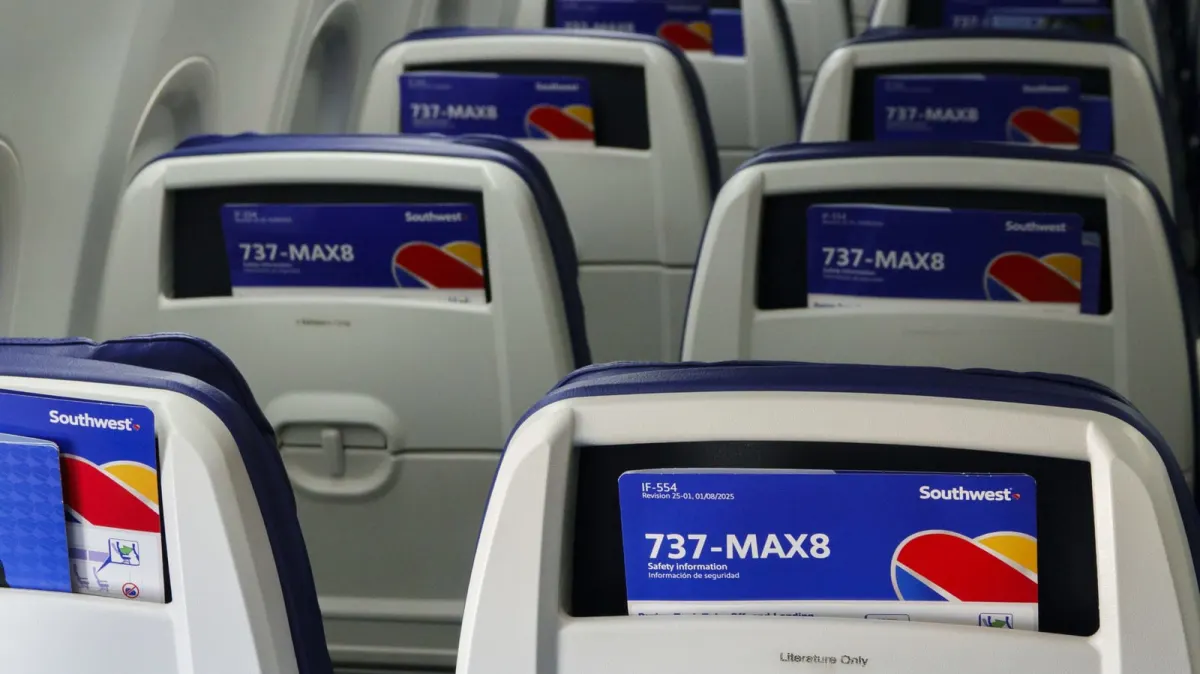
The FAA proposed inspections of 31,000 Boeing 737 MAX seats to prevent them from detaching during severe turbulence.
Key Takeaways
- •FAA proposes inspections for 31,000 Boeing 737 MAX seats.
- •Defect affects 453 US-registered aircraft across three models.
- •Total compliance costs are estimated at $2.65 million.
- •Boeing issued voluntary guidance on the issue in late 2025.
The Federal Aviation Administration (FAA) has proposed a new FAA airworthiness directive (AD) targeting potentially faulty Boeing 737 MAX seats that could disengage from cabin floor tracks during severe turbulence or an emergency landing. The safety concern, detailed in an FAA Notice of Proposed Rulemaking published on July 27, 2026, could affect up to 31,000 passenger seats across hundreds of aircraft. This latest Boeing safety issue highlights ongoing quality control challenges at the manufacturer and mandates a comprehensive seat track inspection program for affected operators.
The proposed directive focuses on Boeing 737-8, 737-9, and 737-8200 models, requiring airlines to inspect and potentially reassemble cabin seating installations. If left unaddressed, incorrectly secured seat assemblies pose a severe hazard to passengers, particularly during sudden high-altitude disruptions or hard landings. The operational impact will require commercial carriers to pull aircraft out of rotation briefly, introducing minor schedule disruptions as maintenance crews verify that every seat track fitting is locked securely into place.
According to the regulatory filing under Docket No. FAA-2026-7228, the proposed rule affects 453 US-registered Boeing 737 MAX aircraft. Within these airframes, up to 69 track-mounted passenger seats per aircraft may require reassembly. The root cause of the issue stems from incorrectly lowered aft fitting shear plungers, which can prevent the seats from properly locking into the floor tracks.
The FAA estimates the total compliance cost for the domestic fleet at approximately $2.65 million. This figure equates to roughly $85 in labor per seat assembly, which includes the time required for mechanics to perform the physical checks and complete the necessary corrective actions.
Boeing has expressed its support for the regulatory action. A company spokesperson confirmed the manufacturer’s awareness of the assembly defect, stating: "Boeing issued guidance to operators on this in December 2025. We support the FAA making that guidance mandatory."
The impact of this directive will be felt primarily by US airlines operating large 737 MAX fleets, such as Southwest Airlines and United Airlines. These operators must allocate maintenance personnel to inspect the thousands of affected seats, incurring direct labor costs. However, Boeing has indicated that warranty coverage may apply to offset some of these expenses. For passengers, the impact is expected to be low, with only minor flight disruptions or equipment swaps occurring as aircraft undergo the one-to-two-hour inspection process.
To contextualize this development, there are currently nearly 2,300 Boeing 737 MAX jets in service worldwide, with 823 registered in the US. The fact that 453 of these domestic aircraft are affected indicates that over half of the active US 737 MAX fleet must undergo these safety checks.
This is not the first time seat track installation errors have prompted federal intervention. In 2012, a series of incidents involving American Airlines Boeing 757 aircraft revealed incorrectly fitted saddle clamps. That issue prompted mandatory inspections to ensure passenger seats were properly secured to the floor tracks, illustrating that cabin assembly errors are a recurring industry challenge.
More recently, the regulatory environment surrounding Boeing has intensified. Following the January 2024 door plug blowout on an Alaska Airlines Boeing 737 MAX 9 (Flight 1282), the FAA grounded 171 jets and initiated a comprehensive audit of Boeing's production lines. This heightened regulatory scrutiny has made the FAA far more proactive in mandating inspections for even minor assembly deviations.
Inside the Seat Track Disengagement Risk
The mechanics of track-mounted cabin seating rely on precise physical locking mechanisms to withstand extreme dynamic forces. On the Boeing 737 MAX, the seat legs are secured to floor tracks using aft fittings equipped with shear plungers. When these plungers are not fully lowered or correctly engaged, the seat assembly lacks the necessary structural connection to the airframe. During severe turbulence, which can subject the cabin to vertical forces exceeding several Gs, or during the rapid deceleration of an emergency landing, an unsecured seat can slide or lift out of its track. This development indicates a persistent vulnerability in cabin assembly quality control, accelerating the post-2024 trend of intense regulatory oversight. Historically, cabin safety focus has centered on structural airframe integrity, but this directive underscores how minor component installation errors can compromise passenger safety just as severely during flight disruptions.
Public Comment and Compliance Deadlines
The FAA's proposal is currently in its preliminary stage. The agency has established a public comment period for the proposed Airworthiness Directive, which is confirmed to close on September 10, 2026. During this time, airlines, safety experts, and the manufacturer can submit technical feedback or suggest modifications to the inspection procedures. Following the review of these comments, the FAA is expected to publish a final rule, which will dictate the exact timeline by which domestic operators must complete the seat track inspections.
Why Cabin Safety Standards Matter
For aviation professionals and travelers alike, this directive highlights that safety regulations extend far beyond engines and flight control software. Ensuring that cabin interiors are structurally sound is critical for passenger survivability during unexpected turbulence or emergency evacuations. As airlines absorb the maintenance overhead of these inspections, the industry-wide focus remains firmly on tightening quality assurance across every stage of the aircraft manufacturing process.
Frequently Asked Questions
- Which Boeing 737 MAX models are affected by the seat track issue?
- The FAA's proposed directive affects the Boeing 737-8, 737-9, and 737-8200 models.
- What causes the Boeing 737 MAX seats to potentially disengage?
- The issue is caused by incorrectly lowered aft fitting shear plungers, which can prevent the seats from properly locking into the cabin floor tracks.
- How much will the seat track inspections cost airlines?
- The FAA estimates the total inspection cost for the 453 affected US aircraft to be approximately $2.65 million, which is about $85 in labor per seat assembly.
Access up-to-date commercial aviation news and airline industry developments via omniflights.com. Discover how innovation is shaping aviation through aircraft systems, avionics, and digital tools at omniflights.com/technology.
Written by Shashank Shukla
Co-Founder & CTO leading the engineering and AI systems behind Omni Flights. Covers aviation technology, flight safety, aircraft manufacturing, and emerging aerospace developments.
Visit ProfileYou Might Also Like
Discover more aviation news based on similar topics

Families Demand DCA Midair Collision Safety Reforms
Families of 67 victims from the 2025 DCA midair collision are pressing Congress for mandatory ADS-B In technology to prevent future aviation tragedies.
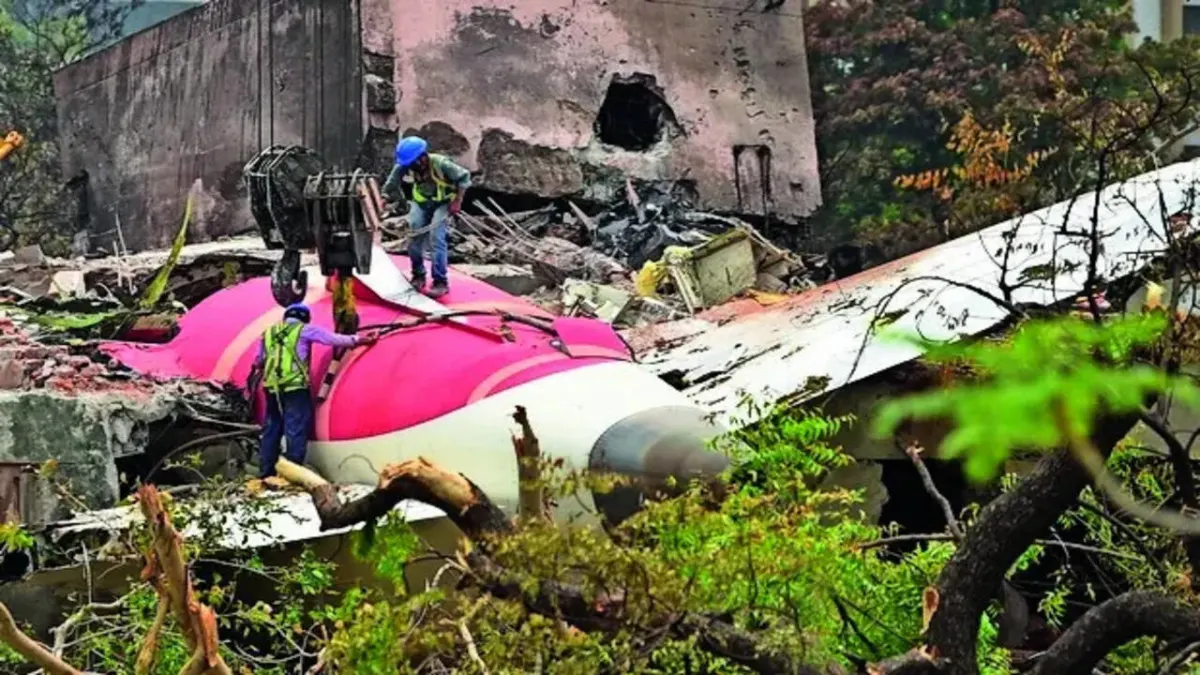
FAS Challenges AAIB Over Boeing 787 Safety Data
The Foundation for Aviation Safety is urging the AAIB to issue safety warnings for the Boeing 787 fleet following the fatal Air India 171 crash.
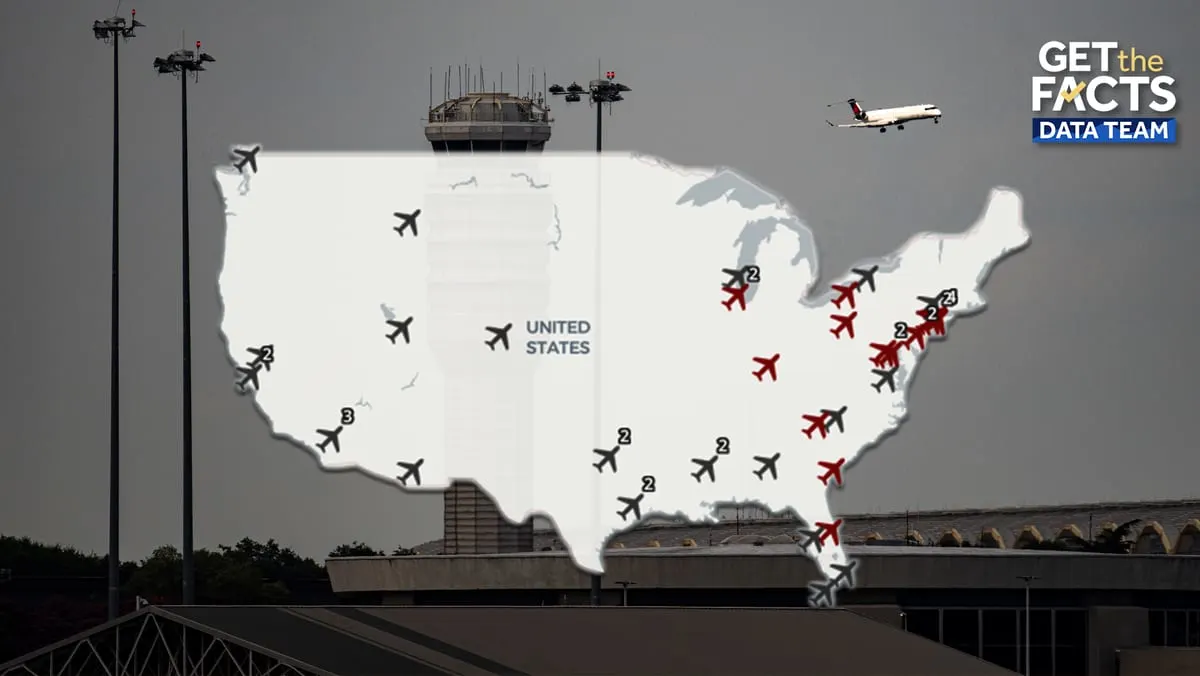
NTSB Safety Recommendations Lag Amid 6 Monthly Near-Misses
Approximately 6 near-miss incidents occur monthly at U.S. airports as 270 NTSB safety recommendations remain unaddressed by federal regulators.
NTSB Rejects FAA Safety Responses After 67-Fatality Crash
The NTSB labeled 11 FAA responses to 2025 DCA mid-air collision recommendations as unacceptable, citing the lack of a mandatory ADS-B In requirement.
EASA Orders Urgent Airbus A380 Wing Spar Inspections
The EASA ordered urgent inspections on 16 Airbus A380s after discovering wing spar cracks that could compromise structural integrity.
Ryanair Flight RK514 Diverts to Birmingham After Emergency
Ryanair flight RK514 diverted to Birmingham Airport on September 13, 2026, following a medical emergency involving a passenger.