KQ784 Tyre Burst Closes Cape Town Runway

Co-Founder & CTOCo-Founder & CTO driving the technology and data systems behind Omni Flights.
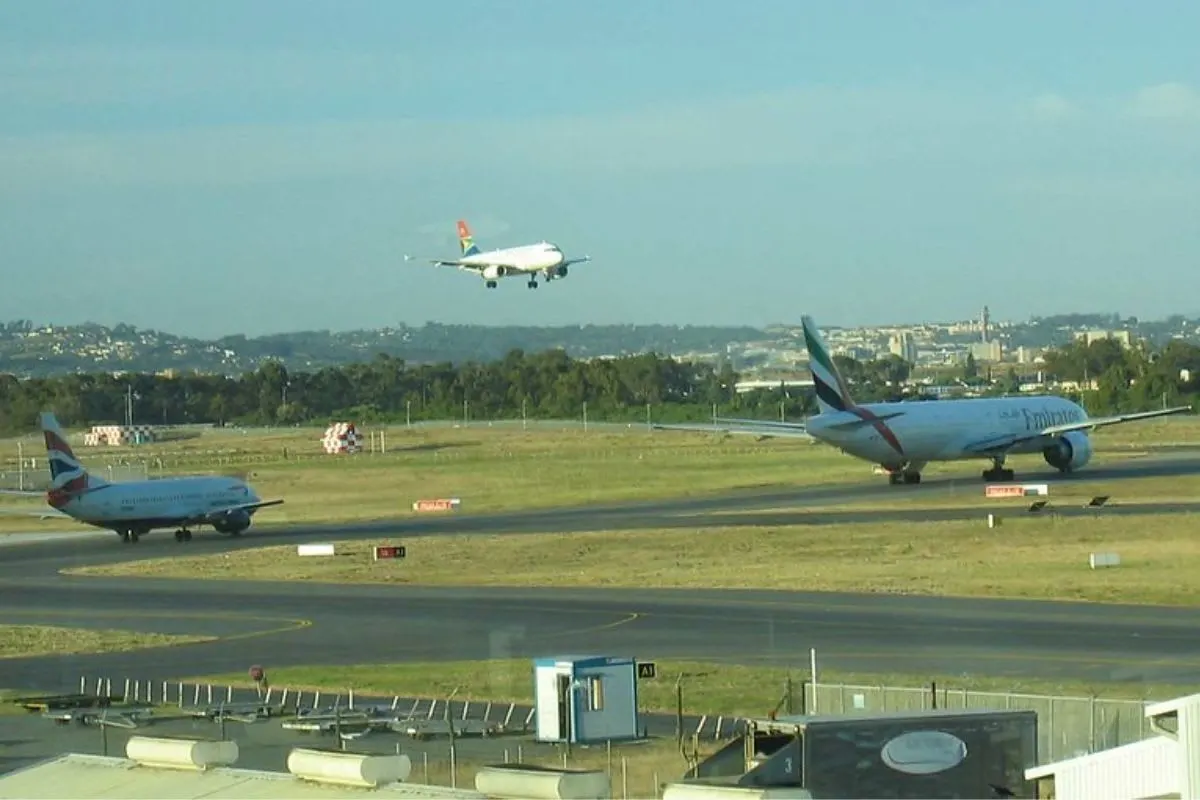
Kenya Airways flight KQ784 suffered a tyre burst at Cape Town, forcing a runway closure that diverted multiple inbound flights on August 4.
Key Takeaways
- •Kenya Airways flight KQ784 suffered a tyre burst landing at Cape Town.
- •Runway closure at Cape Town on August 4 forced multiple flight diversions.
- •ACSA safely cleared the disabled Boeing 737-800 after several hours.
- •SACAA preliminary safety report on the incident is expected by late 2026.
On Tuesday, August 4, 2026, a Kenya Airways flight experienced a Kenya Airways tyre burst upon landing, triggering a temporary Cape Town Airport runway closure. The KQ784 landing incident involved a Boeing 737-800 aircraft arriving from Nairobi, which became disabled on the sole active runway. Airports Company South Africa (ACSA) initiated emergency safety protocols to clear the runway and manage the resulting operational disruption.
The runway closure at Cape Town International Airport (CPT) led to immediate operational challenges, forcing incoming domestic and international flights to divert to alternative airports. Departing flights faced significant delays as the main runway remained blocked for several hours while technical teams worked to recover the aircraft. While all passengers and crew members on flight KQ784 disembarked safely, the return flight, KQ785, had to be canceled to allow engineers to perform necessary repairs on the damaged landing gear.
Runway Safety and Clearing Protocols
According to operational updates from Airports Company South Africa (ACSA), the incident occurred at approximately 15:25 local time when flight KQ784 touched down. The sudden tyre failure left the Boeing 737-800 stranded, rendering the airport's main runway unusable. Under the safety regulations governed by the South African Civil Aviation Authority (SACAA), any runway incident of this nature requires a complete suspension of operations to inspect the runway surface for foreign object debris (FOD) that could endanger other aircraft.
The disruption had a high impact on Kenya Airways passengers, who faced immediate travel disruptions. For other airlines operating at CPT, the closure forced a rapid recalculation of fuel loads and flight paths, as inbound aircraft were rerouted to regional airports. ACSA personnel coordinated with the airline's ground engineering teams to safely tow the aircraft off the active runway, a process that took several hours and caused substantial terminal congestion.
Single-Runway Vulnerabilities and Precedents
This incident highlights the vulnerability of major aviation hubs that rely heavily on single-runway operations. When a primary runway is blocked, even briefly, the lack of alternative landing strips leads to immediate cascading delays.
A similar situation occurred in April 2024, when a FlySafair aircraft suffered tyre damage landing at OR Tambo International Airport in Johannesburg. In that precedent, ACSA was forced to close the affected runway for several hours, resulting in widespread delays across the domestic network. The August 4 incident at Cape Town follows a similar pattern, demonstrating how a single localized mechanical failure can rapidly disrupt regional network schedules.
Operational Vulnerabilities of Single-Runway Hubs
This incident underscores the systemic risks associated with single-runway dependency at major international gateways like CPT. In high-density environments, the margin for operational recovery is exceptionally narrow. When a Boeing 737-800 experiences a landing gear or tyre failure, the physical recovery process involves heavy equipment and meticulous safety checks that cannot be rushed. The resulting ground stop forces regional carriers to absorb significant unexpected costs, including diverted fuel burn, passenger accommodation, and crew duty-time limitations. This event accelerates the ongoing industry discussion regarding infrastructure redundancy and the necessity of secondary runway systems at primary economic hubs.
Upcoming SACAA Investigation Milestones
Following the successful recovery of the aircraft, normal runway operations resumed late on Tuesday evening. However, the regulatory process is just beginning. The South African Civil Aviation Authority (SACAA) is expected to launch an investigation into the root cause of the tyre failure. A preliminary safety report detailing the maintenance history of the landing gear and the specific runway conditions at the time of landing is expected to be released by late 2026. Meanwhile, Kenya Airways engineers will complete repairs on the stranded aircraft before it is cleared to return to commercial service.
Why Hub Resilience Matters for African Aviation
For the broader aviation industry, this incident highlights the critical need for robust contingency planning at major African airports. As air traffic across the continent continues to grow, infrastructure constraints remain a primary bottleneck. Ensuring rapid aircraft recovery capabilities and minimizing runway downtime is essential for maintaining the financial viability of regional carriers and preserving passenger confidence in scheduling reliability.
Frequently Asked Questions
- What caused the runway closure at Cape Town International Airport on August 4?
- The runway was closed after Kenya Airways flight KQ784, a Boeing 737-800, suffered a tyre burst upon landing at approximately 15:25 local time, disabling the aircraft on the main runway.
- Were there any injuries in the Kenya Airways KQ784 incident?
- No, all passengers and crew members on board flight KQ784 disembarked safely following the landing incident.
- When is the safety report for the Cape Town runway incident expected?
- The South African Civil Aviation Authority is expected to release a preliminary safety report on the tyre failure by late 2026.
omniflights.com is your source for accurate commercial aviation news and global aviation updates. Follow aviation sustainability efforts, emissions research, and green initiatives in the Environmental section at omniflights.com/environmental.
Written by Shashank Shukla
Co-Founder & CTO leading the engineering and AI systems behind Omni Flights. Covers aviation technology, flight safety, aircraft manufacturing, and emerging aerospace developments.
Visit ProfileYou Might Also Like
Discover more aviation news based on similar topics

Families Demand DCA Midair Collision Safety Reforms
Families of 67 victims from the 2025 DCA midair collision are pressing Congress for mandatory ADS-B In technology to prevent future aviation tragedies.
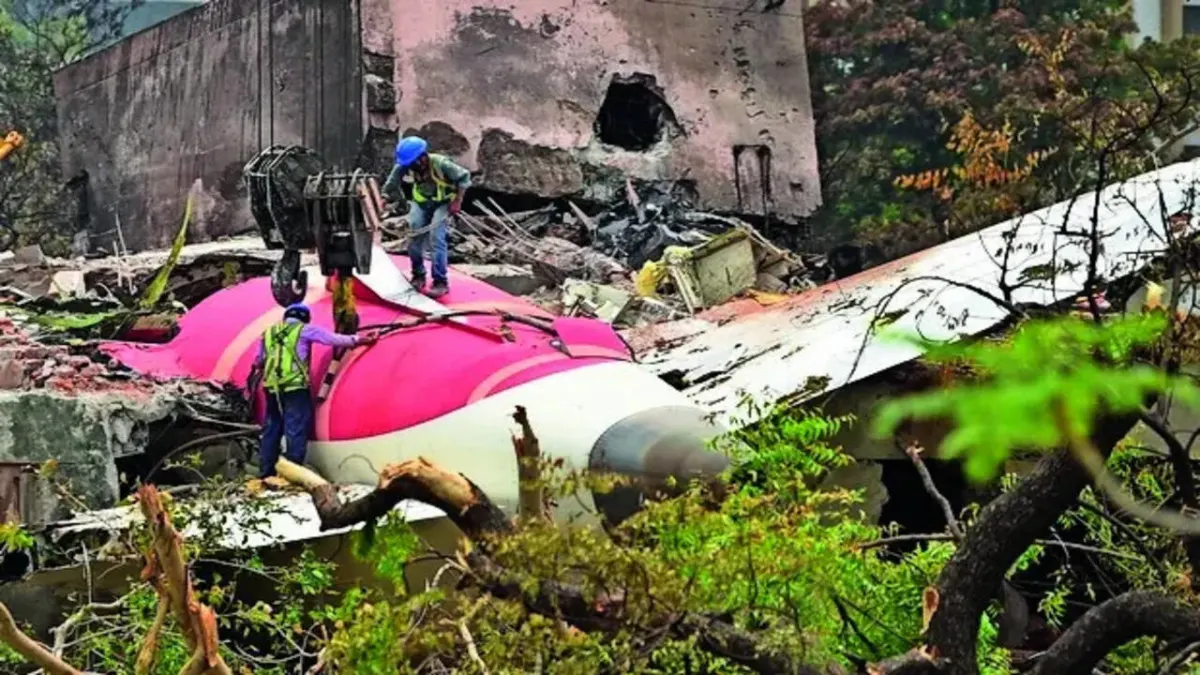
FAS Challenges AAIB Over Boeing 787 Safety Data
The Foundation for Aviation Safety is urging the AAIB to issue safety warnings for the Boeing 787 fleet following the fatal Air India 171 crash.
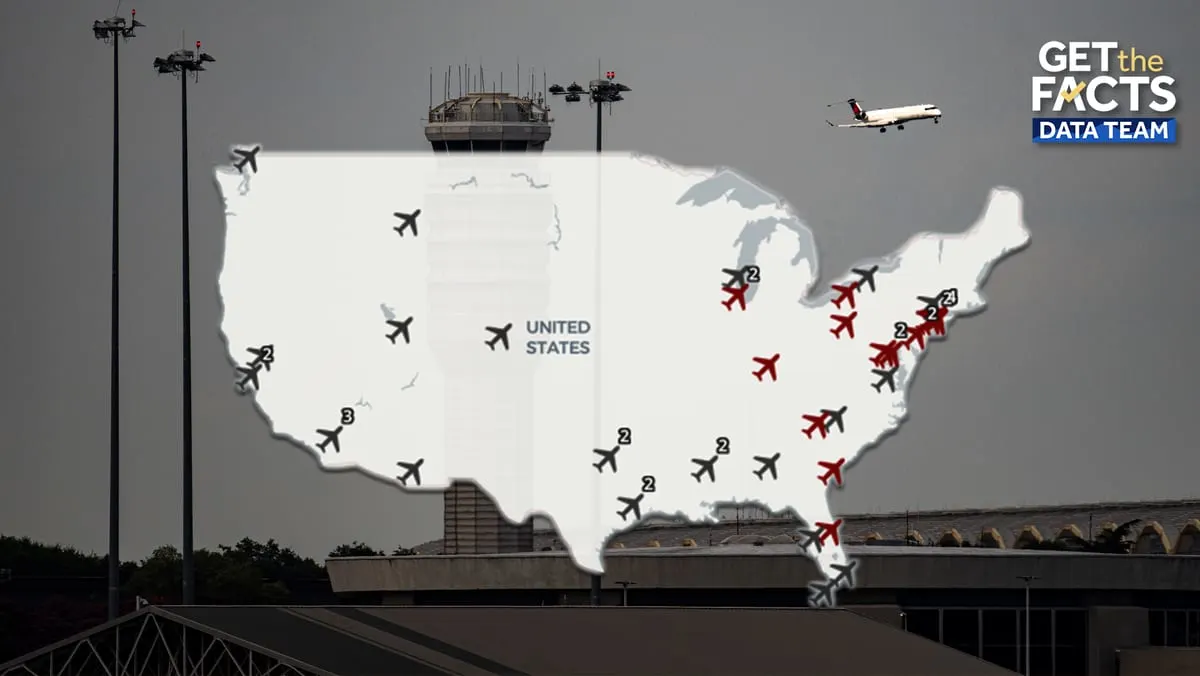
NTSB Safety Recommendations Lag Amid 6 Monthly Near-Misses
Approximately 6 near-miss incidents occur monthly at U.S. airports as 270 NTSB safety recommendations remain unaddressed by federal regulators.
NTSB Rejects FAA Safety Responses After 67-Fatality Crash
The NTSB labeled 11 FAA responses to 2025 DCA mid-air collision recommendations as unacceptable, citing the lack of a mandatory ADS-B In requirement.
EASA Orders Urgent Airbus A380 Wing Spar Inspections
The EASA ordered urgent inspections on 16 Airbus A380s after discovering wing spar cracks that could compromise structural integrity.
Ryanair Flight RK514 Diverts to Birmingham After Emergency
Ryanair flight RK514 diverted to Birmingham Airport on September 13, 2026, following a medical emergency involving a passenger.