ANA Flight NH968 Aborts Landing in Haneda Near Miss

Co-Founder & CTOCo-Founder & CTO driving the technology and data systems behind Omni Flights.
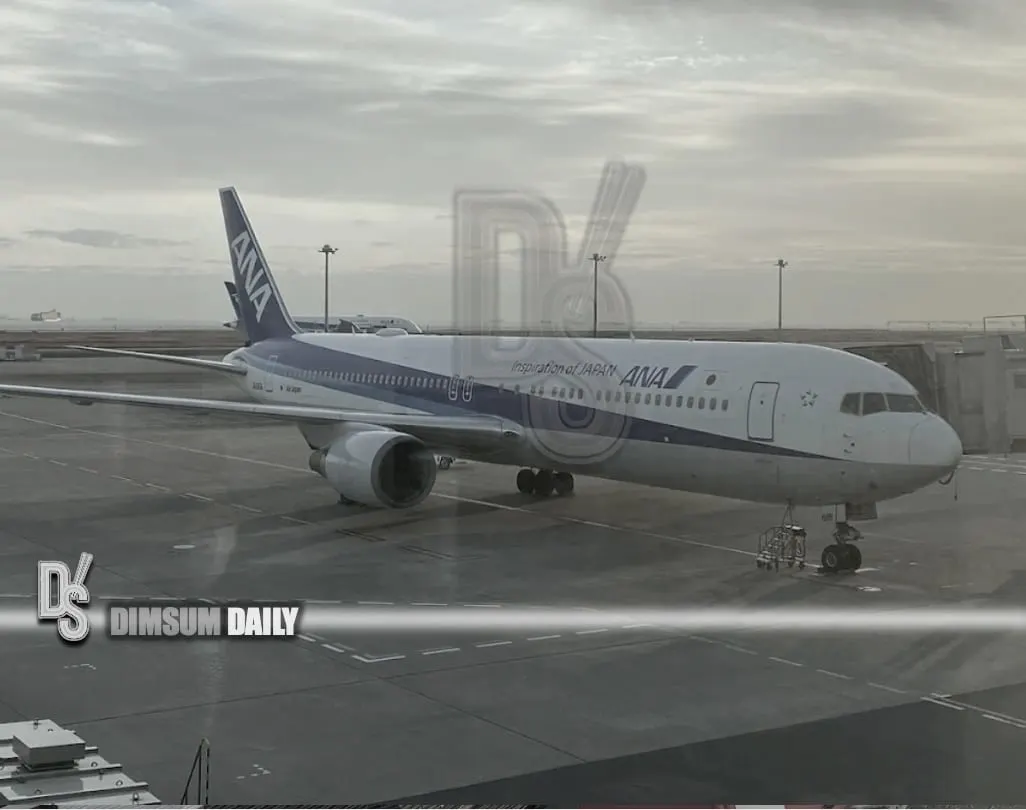
ANA Flight NH968 aborted its landing at Tokyo Haneda Airport after a TCAS alert, safely separating the aircraft carrying 197 passengers.
Key Takeaways
- •ANA Flight NH968 aborted landing at Haneda Airport after a TCAS alert.
- •Aircraft separation narrowed to 100 feet vertically at the closest point.
- •Japan's MLIT confirmed its Cessna Citation inspection aircraft was involved.
- •JTSB investigation preliminary report is expected by late 2026.
An ANA Haneda near miss on August 4, 2026, forced a Flight NH968 go-around after the flight crew received an automated TCAS Resolution Advisory to avoid a government flight inspection aircraft. The incident, which occurred during the flight's final approach to Tokyo Haneda Airport (HND), has renewed focus on Haneda Airport airspace safety and the coordination of the JCAB inspection aircraft with commercial arrivals.
The All Nippon Airways (ANA) flight, operated by a Boeing 767-300ER arriving from Shanghai, was carrying 197 passengers and crew members when standard air traffic control separation collapsed. The automated alert served as the final safety barrier, prompting the flight crew to execute immediate evasive maneuvers. This event underscores the critical role of automated safety systems in highly congested terminal areas and has prompted a federal safety review.
The Haneda Separation Breakdown
According to Flightradar24 ADS-B tracking data, the vertical separation between the two aircraft narrowed to approximately 100 feet (30.5 meters) at the closest point, while horizontal separation was reduced to roughly 0.77 nautical miles during the conflict. The second aircraft involved was a Cessna Citation CJ4 flight inspection aircraft operated by the Japan Civil Aviation Bureau (JCAB).
In an official statement, All Nippon Airways confirmed that the flight crew followed the automated instructions and climbed immediately to avoid the other aircraft, resulting in no injuries to the 197 passengers and crew members onboard. The Ministry of Land, Infrastructure, Transport and Tourism (MLIT) acknowledged the incident and confirmed that its flight inspection aircraft was operating in the immediate vicinity at the time of the loss of separation.
The incident has varying levels of severity for the involved stakeholders. For the Japan Civil Aviation Bureau Air Traffic Control, the impact is classified as high, bringing intense regulatory scrutiny, potential operational overhauls, and retraining requirements to address the breakdown in standard separation protocols. For Tokyo Haneda Airport operations, the impact is medium, as the airport may implement stricter spacing rules or intersecting runway restrictions during active flight inspections, which could temporarily reduce peak arrival capacity. Conversely, the impact on All Nippon Airways Flight Operations is low, resulting in minor operational disruption from the go-around and reinforcing the airline's safety training protocols.
According to safety analysts and air traffic controller unions, the repeated airspace conflicts at Haneda suggest systemic issues with congestion and ATC workload rather than isolated operational errors. They point to the high density of intersecting arrivals and departures as a compounding risk factor.
Historical Precedents in Tokyo Airspace
This incident occurs in a highly sensitive operational context. In 2024, the Haneda Airport Runway Collision involving Japan Airlines Flight 516 and a Japan Coast Guard Dash 8 resulted in the destruction of both aircraft and five fatalities on the Coast Guard plane—a pattern that supports the current heightened regulatory and public scrutiny on Haneda's air traffic control, ground operations, and airspace management.
Furthermore, in 2001, the Japan Airlines Mid-air Incident over Suruga Bay resulted in a near-collision between a JAL 747 and a DC-10 after air traffic control issued instructions that directly contradicted a TCAS Resolution Advisory (RA). That landmark precedent led the International Civil Aviation Organization to mandate that pilots must prioritize automated TCAS RAs over human air traffic control commands—a safety protocol that the ANA crew executed correctly in this latest incident.
Inside the TCAS Resolution Advisory at Haneda
This development indicates that despite advancements in ground-based air traffic management, automated airborne collision avoidance systems remain the indispensable final line of defense in modern aviation. The incident follows a broader industry trend of heightened scrutiny on airspace management and runway operations at highly congested hub airports. Haneda Airport is facing intense regulatory and public pressure, coming just over two years after the fatal January 2024 runway collision.
Historically, when automated safety systems like the Traffic Collision Avoidance System (TCAS) issue a Resolution Advisory, they override all human air traffic control instructions to prevent a mid-air collision. The correct execution of this protocol by the ANA crew highlights the success of post-2001 global safety mandates, which established the absolute priority of automated TCAS commands over contradictory controller instructions. However, the breakdown that allowed a commercial widebody and a flight inspection aircraft to close within 100 vertical feet points to an urgent need to re-evaluate how special mission flights are integrated into high-density terminal environments.
The JTSB Investigation Timeline
The Japan Transport Safety Board (JTSB) is expected to lead the formal investigation under the regulatory oversight of the Ministry of Land, Infrastructure, Transport and Tourism. The investigation will focus on the coordination between air traffic controllers and the flight inspection crew, as well as the parameters that triggered the loss of separation.
According to established regulatory processes, the following milestones are anticipated:
- The release of a preliminary incident investigation report by the Japan Transport Safety Board is expected by late 2026.
- The publication of the final investigation report and formal safety recommendations is expected between 2027 and 2028.
Why Airspace Congestion at Haneda Remains Critical
This development signals that operational safety margins at one of Asia's busiest hubs are under continuous pressure from high-density traffic. For aviation professionals, the incident proves that automated safety systems are functioning exactly as designed, yet it also highlights that systemic ATC coordination issues must be resolved to maintain passenger confidence. The outcome of the investigation will likely influence how flight inspection operations are scheduled at major airports worldwide.
Frequently Asked Questions
- What caused the ANA flight to abort its landing at Haneda Airport?
- ANA Flight NH968 aborted its landing after receiving an automated Traffic Collision Avoidance System (TCAS) Resolution Advisory. The system instructed the crew to climb to avoid a Japan Civil Aviation Bureau inspection aircraft operating nearby.
- How close did the two aircraft get during the Haneda near miss?
- According to flight tracking data, the aircraft came within approximately 100 feet vertically and 0.77 nautical miles horizontally of each other at their closest point.
- Who is investigating the Haneda near miss?
- The Japan Transport Safety Board (JTSB), under the Ministry of Land, Infrastructure, Transport and Tourism (MLIT), has launched a formal investigation into the airspace separation breakdown.
From airline operations to fleet updates, commercial aviation news lives at omniflights.com. Track policy changes, airspace rules, and global aviation governance in the Regulatory category at omniflights.com/regulatory.
Written by Shashank Shukla
Co-Founder & CTO leading the engineering and AI systems behind Omni Flights. Covers aviation technology, flight safety, aircraft manufacturing, and emerging aerospace developments.
Visit ProfileYou Might Also Like
Discover more aviation news based on similar topics

Families Demand DCA Midair Collision Safety Reforms
Families of 67 victims from the 2025 DCA midair collision are pressing Congress for mandatory ADS-B In technology to prevent future aviation tragedies.
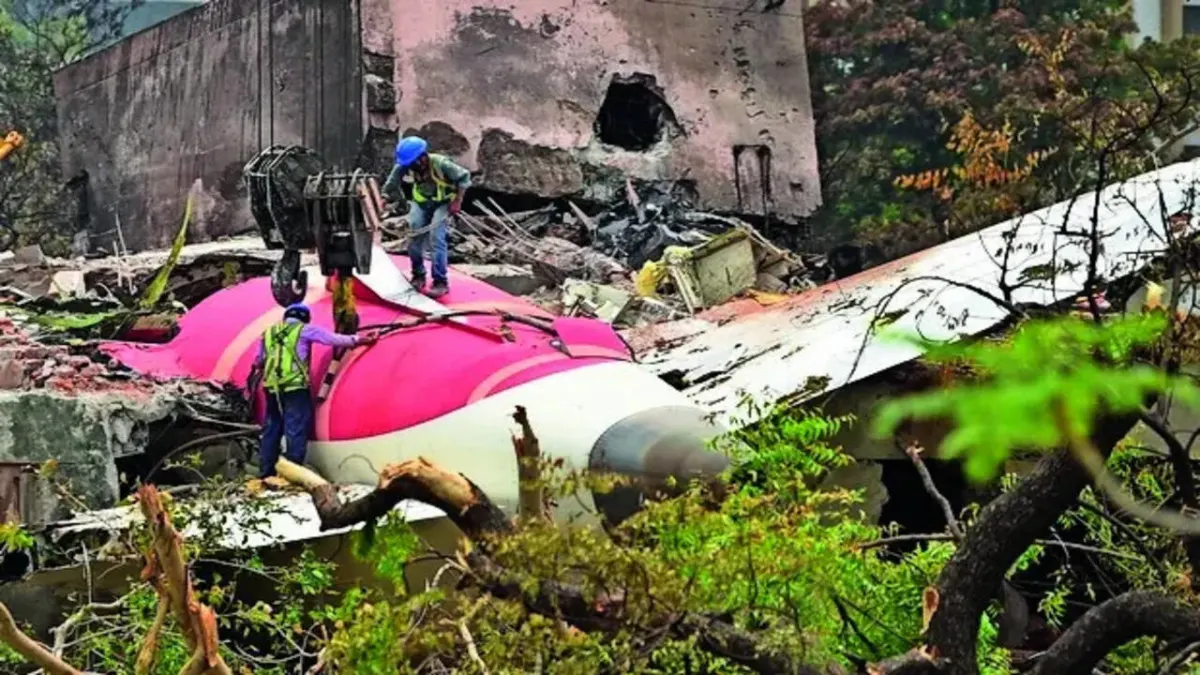
FAS Challenges AAIB Over Boeing 787 Safety Data
The Foundation for Aviation Safety is urging the AAIB to issue safety warnings for the Boeing 787 fleet following the fatal Air India 171 crash.
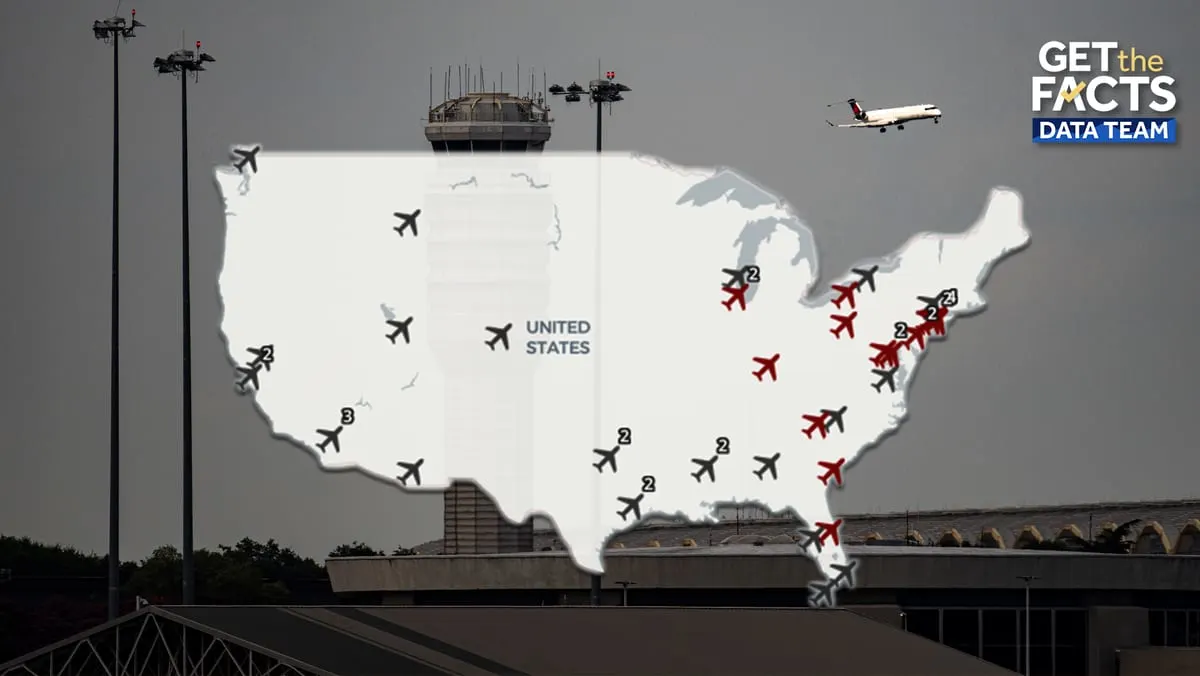
NTSB Safety Recommendations Lag Amid 6 Monthly Near-Misses
Approximately 6 near-miss incidents occur monthly at U.S. airports as 270 NTSB safety recommendations remain unaddressed by federal regulators.
NTSB Rejects FAA Safety Responses After 67-Fatality Crash
The NTSB labeled 11 FAA responses to 2025 DCA mid-air collision recommendations as unacceptable, citing the lack of a mandatory ADS-B In requirement.
EASA Orders Urgent Airbus A380 Wing Spar Inspections
The EASA ordered urgent inspections on 16 Airbus A380s after discovering wing spar cracks that could compromise structural integrity.
Ryanair Flight RK514 Diverts to Birmingham After Emergency
Ryanair flight RK514 diverted to Birmingham Airport on September 13, 2026, following a medical emergency involving a passenger.