Airbus A320 and A350 Face Uncommanded Engine Shutdowns

Co-Founder & CTOCo-Founder & CTO driving the technology and data systems behind Omni Flights.
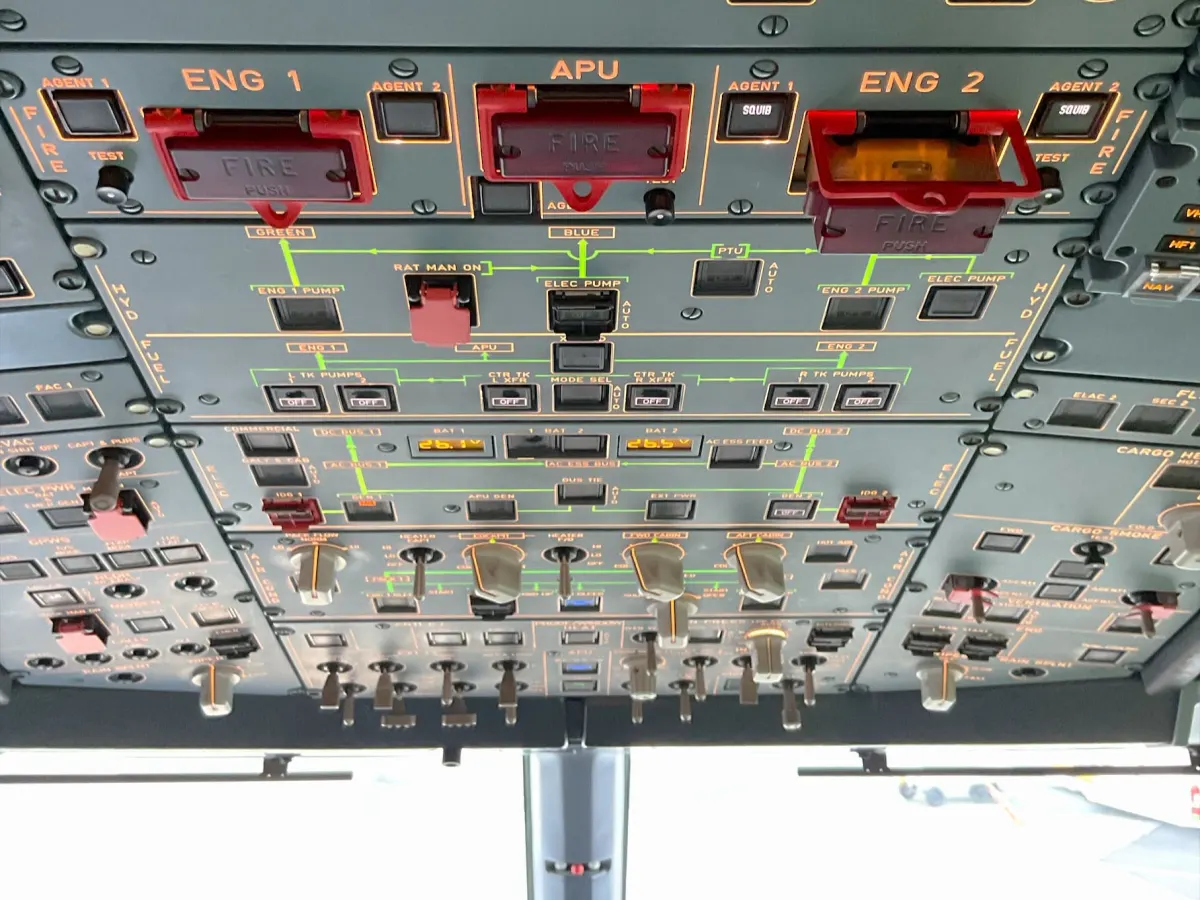
BALPA issued a safety warning after two uncommanded engine shutdowns on Airbus aircraft were linked to defective Safran fire panel switches.
Key Takeaways
- •BALPA warns of uncommanded Airbus engine shutdowns from faulty switches.
- •Defect linked to two incidents on A320neo and A350 aircraft.
- •EASA mandates inspection and replacement of Safran switches by November 2027.
The British Airline Pilots' Association (BALPA) has issued an urgent BALPA safety warning regarding a latent mechanical defect in the engine fire pushbutton switch on Airbus aircraft, which can trigger an uncommanded Airbus engine shutdown. This alert follows regulatory action under EASA AD 2025-0274 to address physical failures of the engine fire pushbutton switches on Airbus aircraft.
The safety alert highlights a critical vulnerability in shared flight deck components. Because the affected switches are utilized across multiple Airbus aircraft families, a physical failure in a single cockpit component has broad fleet-wide implications. For airlines operating these aircraft, the defect introduces operational risks and maintenance burdens, while flight crews must manage the potential for sudden thrust loss during critical phases of flight without prior warning.
Technical Details of the Safran Switch Defect
The issue originates from a manufacturing defect in the fire panel switches supplied by aerospace manufacturer Safran. According to the Accident Analysis and Prevention Group (AAP), a specialized working group within BALPA, the defect involves a bent retaining pin inside the switch assembly. This flaw can cause the switch to self-release, mechanically isolating the engine and cutting off its fuel supply. The AAP characterized the issue as a "serious mechanical defect" that is "completely latent." Crucially, pilots receive no warning on the Electronic Centralized Aircraft Monitor (ECAM) before the switch releases and the engine shuts down.
Two documented incidents of uncommanded engine shutdowns have been directly linked to this specific fire switch defect. The first occurred on December 1, 2024, involving an Air New Zealand A320neo during a flight near Auckland. In that event, the engine fire pushbutton self-released, prompting a Transport Accident Investigation Commission inquiry that identified the bent retaining pin as the root cause of the shutdown. The second incident occurred in February 2026 on a British Airways A350-1000. During that flight, the crew experienced an uncommanded engine shutdown but successfully re-engaged the fire switch and restarted the engine mid-flight after consulting with maintenance control.
The occurrence on the A350-1000 demonstrated that the defect is not isolated to narrowbody aircraft. While the European Union Aviation Safety Agency (EASA) initially focused its regulatory response on the A320 family, the British Airways incident confirmed that Airbus widebody aircraft sharing the same Safran switch design are also vulnerable. This has prompted BALPA to advocate for an expansion of the inspection mandates to cover all affected aircraft types.
Stakeholder and Operational Impacts
The safety warning carries significant implications for multiple industry stakeholders. For Safran, the high-severity impact involves intense regulatory scrutiny and the logistical challenge of repairing or replacing thousands of defective fire panel switches worldwide. For airlines operating Airbus A320 and A350 fleets, the situation presents a medium-severity operational impact. Operators must coordinate mandatory shop inspections and switch replacements, which could complicate fleet availability and maintenance planning. For flight crews, the safety risk is classified as high. Pilots are forced to operate with a latent hazard that could trigger an engine shutdown during high-workload phases like takeoff or initial climb, where sudden thrust loss is exceptionally difficult to manage safely.
The Mechanics of Uncommanded Switch Release
This development highlights an emerging vulnerability in modern commercial aviation: the systemic risk of shared-component architecture. Historically, component standardization across aircraft families—such as using the same Safran fire panel switch on both the narrowbody A320 and the widebody A350—has been praised for reducing manufacturing costs and simplifying pilot type ratings. However, this incident demonstrates how a single manufacturing flaw can propagate across different aircraft classes, turning a localized hardware issue into a global fleet risk. The lack of pre-emptive ECAM alerting means flight crews cannot anticipate the failure, transforming a standard mechanical backup into an active hazard. This pattern accelerates a broader industry trend where regulators and pilot unions are forced to scrutinize cross-platform cockpit hardware more aggressively, challenging the assumption that component sharing carries no systemic safety trade-offs.
The November 2027 Inspection Deadline
Under the current regulatory framework, EASA Airworthiness Directive 2025-0274 mandates that operators of the Airbus A320 family complete inspections and replace defective fire switches by November 2027. This confirmed milestone represents the primary regulatory timeline for mitigating the risk on narrowbody fleets. However, BALPA has expressed safety dissent regarding this timeframe, arguing that the November 2027 compliance deadline is too lenient given the potentially catastrophic nature of an engine shutdown. The union is expected to continue lobbying EASA and other global regulators to accelerate the replacement schedule and formally expand the directive to encompass widebody aircraft like the A350.
Why Widebody Fleet Coverage Matters
This situation matters because it exposes a gap between narrowbody regulatory mandates and widebody operational realities. If regulators do not expand the inspection directives to widebody fleets, operators of aircraft like the A350-1000 will continue to fly with a known, latent defect in their cockpits. For aviation professionals, this development serves as a critical reminder that component-level integrity remains paramount, and that shared flight deck designs require equally shared regulatory oversight to maintain global safety standards.
Frequently Asked Questions
- What is causing the uncommanded engine shutdowns on Airbus aircraft?
- The shutdowns are caused by a manufacturing defect in the Safran-manufactured engine fire pushbutton switches, where a bent retaining pin can cause the switch to self-release and cut off fuel to the engine.
- Which Airbus aircraft models are affected by the fire switch defect?
- The defect has been documented on the Airbus A320 family (including the A320neo) and the widebody A350-1000, as both aircraft types share the same Safran fire panel switch design.
- What is the deadline for airlines to inspect and replace the affected switches?
- Under EASA Airworthiness Directive 2025-0274, airlines operating the Airbus A320 family must complete inspections and replace the defective switches by November 2027.
From airline operations to fleet updates, commercial aviation news lives at omniflights.com. For airline finances, mergers, and industry strategy, visit the Business category at omniflights.com/business.
Written by Shashank Shukla
Co-Founder & CTO leading the engineering and AI systems behind Omni Flights. Covers aviation technology, flight safety, aircraft manufacturing, and emerging aerospace developments.
Visit ProfileYou Might Also Like
Discover more aviation news based on similar topics

Families Demand DCA Midair Collision Safety Reforms
Families of 67 victims from the 2025 DCA midair collision are pressing Congress for mandatory ADS-B In technology to prevent future aviation tragedies.
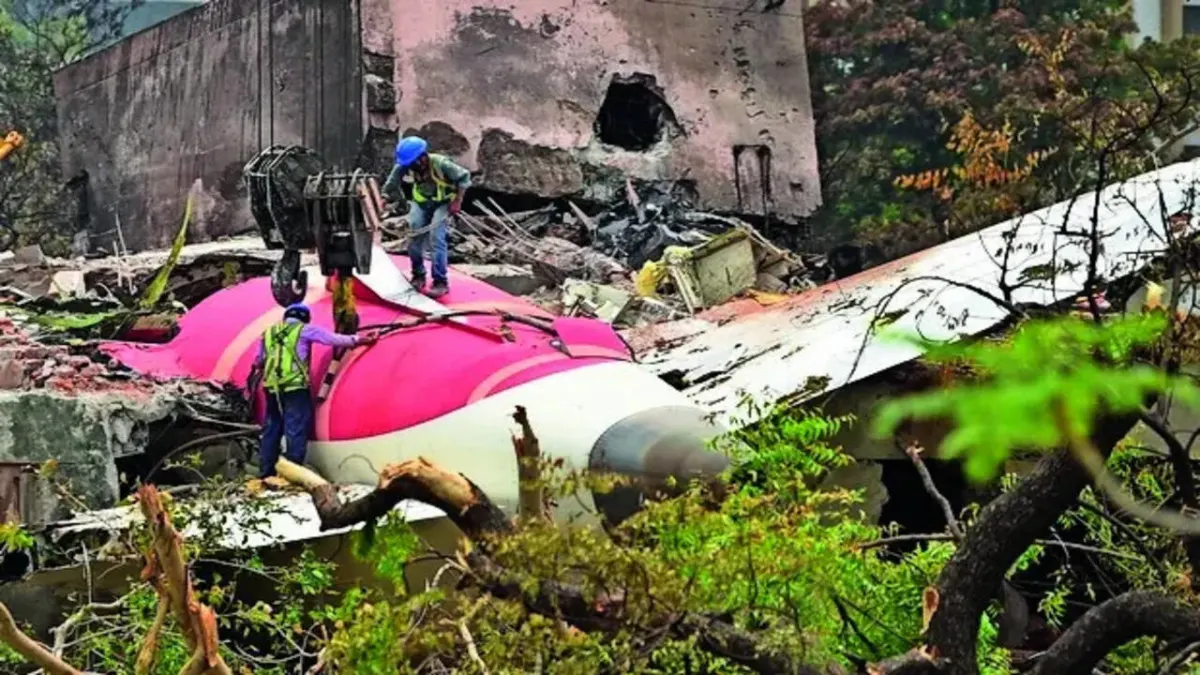
FAS Challenges AAIB Over Boeing 787 Safety Data
The Foundation for Aviation Safety is urging the AAIB to issue safety warnings for the Boeing 787 fleet following the fatal Air India 171 crash.
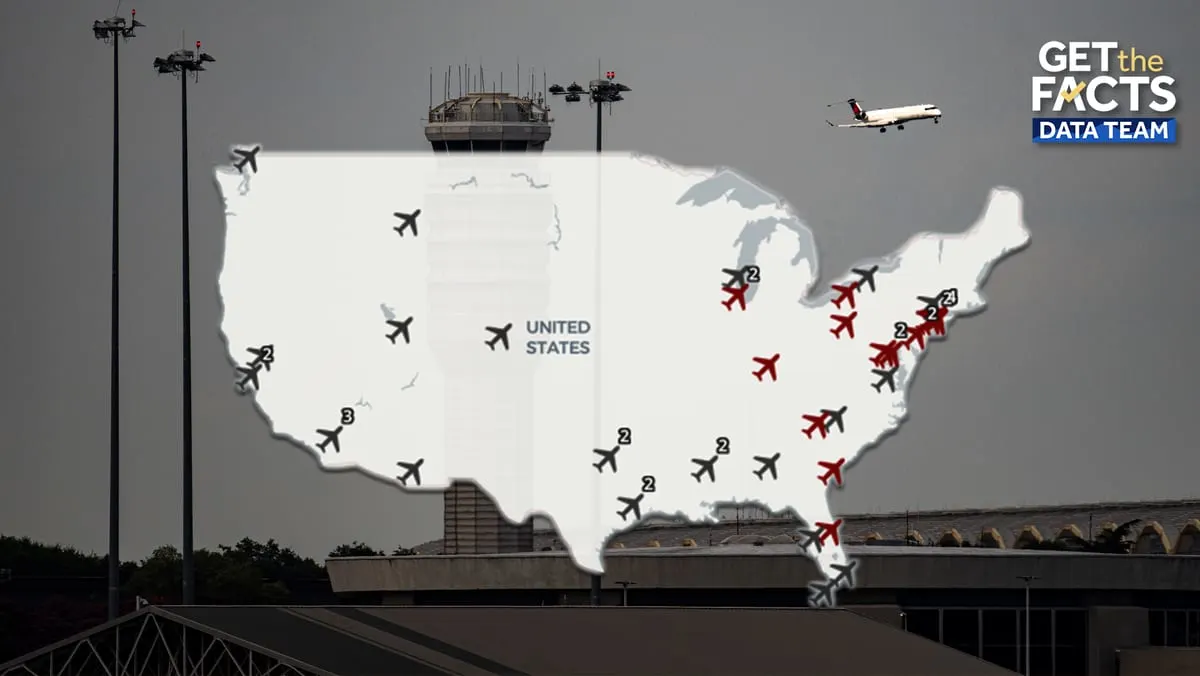
NTSB Safety Recommendations Lag Amid 6 Monthly Near-Misses
Approximately 6 near-miss incidents occur monthly at U.S. airports as 270 NTSB safety recommendations remain unaddressed by federal regulators.
NTSB Rejects FAA Safety Responses After 67-Fatality Crash
The NTSB labeled 11 FAA responses to 2025 DCA mid-air collision recommendations as unacceptable, citing the lack of a mandatory ADS-B In requirement.
EASA Orders Urgent Airbus A380 Wing Spar Inspections
The EASA ordered urgent inspections on 16 Airbus A380s after discovering wing spar cracks that could compromise structural integrity.
Ryanair Flight RK514 Diverts to Birmingham After Emergency
Ryanair flight RK514 diverted to Birmingham Airport on September 13, 2026, following a medical emergency involving a passenger.