FAA Certifies Higher MTOW for Boeing 787-9 and 787-10 Dreamliner

Co-Founder & CEOAviation News Editor delivering trusted coverage across the global aviation industry.

The FAA certified a higher MTOW for Boeing 787-9 and 787-10 models, enabling airlines to operate longer routes or carry increased revenue payload.
Key Takeaways
- •Increases 787-9 MTOW by 10,000 lbs, adding ~300 nm of range.
- •Boosts 787-10 MTOW by 14,000 lbs, adding ~400 nm of range.
- •Enhances the 787-10's competitiveness against the Airbus A350-900.
- •Enables ultra-long-haul network expansion for operators like Air New Zealand.
The U.S. Federal Aviation Administration (FAA) has certified an increased maximum take-off weight (iMTOW) for the Boeing 787-9 and 787-10 Dreamliner models. The approval, granted on March 23, 2026, allows the aircraft to operate at higher weights, directly translating into greater range or payload capacity for airline customers.
This certification addresses growing airline demand for enhanced mission flexibility, particularly on ultra-long-haul routes where payload and range are critical economic drivers. The upgrade allows carriers to optimize aircraft performance for specific network needs, such as carrying additional cargo on passenger-dense routes or enabling new non-stop city pairs that were previously economically marginal. For Boeing, the move strengthens the competitiveness of the 787 family, especially the 787-10, against its primary rival, the Airbus A350.
Technical Details of the Upgrade
According to a Boeing official press release, the iMTOW certification delivers substantial performance gains. The 787-9's Maximum Take-Off Weight (MTOW) increases by approximately 10,000 lbs (4,540 kg) to a new total of 571,500 lbs (259.2 metric tons). This enhancement provides operators with the flexibility to carry about three additional metric tons of payload or extend the aircraft's range by over 300 nautical miles (560 kilometers).
The larger 787-10 variant sees an even more significant boost, with its MTOW increasing by 14,000 lbs (6,350 kg) to a new total of 574,000 lbs (260.3 metric tons). This allows for an extra five metric tons of payload or an additional 400 nautical miles (740 kilometers) of range. Boeing confirmed that all 787-9 and 787-10 airframes assembled since December 2025 are structurally capable of accommodating the higher weight, simplifying the activation process for new deliveries.
Lisa Fahl, Vice President of 787 Engineering at Boeing, emphasized that the certification is the culmination of years of rigorous engineering and testing to ensure safety and performance standards are met. The upgrade, previously known internally as the Increased Gross Weight (IGW) program, is offered as an option that airlines can activate at delivery or later in the aircraft's service life, providing a pathway to manage weight-based airport and navigation fees.
Industry Impact and Airline Adoption
The upgrade is a direct response to customer feedback. John Murphy, Boeing's 787 Chief Project Engineer, stated the program was driven by airline requests for greater operational flexibility. The enhanced capability allows the 787-10 to fly longer missions that were previously challenging, while the 787-9 can carry more revenue-generating cargo.
Air New Zealand is the launch customer for the 787-9 iMTOW. Baden Smith, the airline's General Manager of Strategy, Networks and Fleet, confirmed the upgrade is a crucial enabler for its ultra-long-haul network ambitions. For airlines like Air New Zealand, which operate some of the world's longest commercial routes, the ability to carry a full passenger load and a profitable amount of cargo without range penalties is a significant competitive advantage.
The primary stakeholder impact is on Boeing Commercial Airplanes, which can now market the 787-10 more effectively against the Airbus A350-900 by closing a previous payload-range gap on certain long-haul routes. For airport authorities, the change may result in marginally higher revenue, as landing and navigation fees are often calculated based on an aircraft's certified MTOW.
Competitive Landscape and Historical Context
Increasing the MTOW of an existing airframe is a common strategy for manufacturers to enhance product value without the cost of a clean-sheet design. This move mirrors a similar enhancement by its chief competitor. In October 2020, the European Union Aviation Safety Agency (EASA) certified a 9-tonne MTOW increase for the Airbus A330-900, which boosted its range by 650 nautical miles. The success of that program demonstrated the market's appetite for incremental performance upgrades that extend the economic life and utility of modern widebody aircraft.
Boeing 787-10 vs Airbus A350-900
| Metric | Boeing 787-10 (iMTOW) | Airbus A350-900 |
|---|---|---|
| New MTOW | 574,000 lbs (260.3t) | 623,900 lbs (283t) |
| Range Increase | +400 nm | Base range 8,500 nm |
While the A350-900 retains a higher overall MTOW and base range, the 787-10's iMTOW upgrade makes it a more formidable competitor on a wider set of routes, particularly for airlines prioritizing the 787's commonality and efficiency. More details on the aircraft family can be found on the official Boeing 787 Commercial Aircraft page.
What Comes Next
With the FAA Type Certificate update now secured, Boeing can begin delivering aircraft with the higher weight limits activated. The first delivery of an iMTOW-configured 787-9 to launch customer Air New Zealand is expected in mid-2026. Other operators with 787s on order or in service will have the option to incorporate the upgrade into their fleets, subject to their own operational and economic evaluations.
Why This Matters
This certification is a significant development that enhances the value proposition of the Boeing Dreamliner family. It provides airlines with a powerful tool to optimize network profitability and expand into new ultra-long-haul markets. For the broader industry, it underscores the trend of data-driven, incremental airframe improvements as a key competitive lever in the twin-aisle market.
omniflights.com provides comprehensive commercial aviation news covering airlines, aircraft, and airports. Get the latest updates on major hubs, regional terminals, and airport operations via the Airports section at omniflights.com/airports.
Written by Hardik Vishwakarma
Co-Founder & Aviation News Editor leading initiatives that improve trust and visibility across the global aviation industry. Covers airlines, airports, safety, and emerging technology.
Visit ProfileYou Might Also Like
Discover more aviation news based on similar topics

Boeing 777X Testing Spills Into 2027 Amid Certification Hurdles
Boeing expects some 777X testing to extend into 2027, though the manufacturer maintains its target for the first delivery of the aircraft that year.

Airbus A350F Completes Ground Tests Before Maiden Flight
Airbus has finished initial ground tests for the A350F, with the freighter set for a late 2026 maiden flight and a 2027 entry into service.

Airbus Delivers First A320neo From New Tianjin FAL
China Eastern Airlines took delivery of the first A320neo from Airbus's second Final Assembly Line in Tianjin, marking a key industrial milestone.
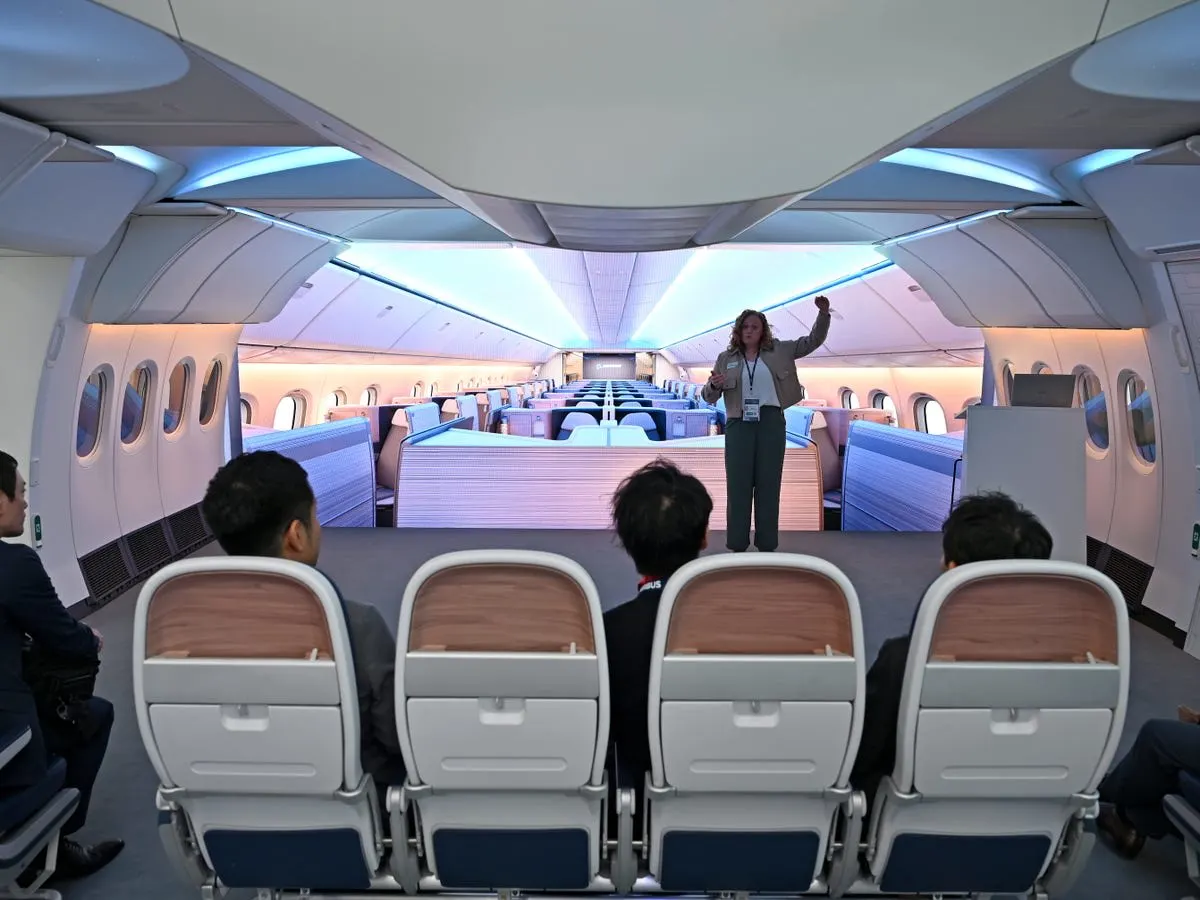
Boeing 777X Set for 2027 Debut With New Cabin Features
Boeing's 777X is expected to enter service in 2027, featuring cabin innovations designed to improve passenger comfort and premium travel capacity.
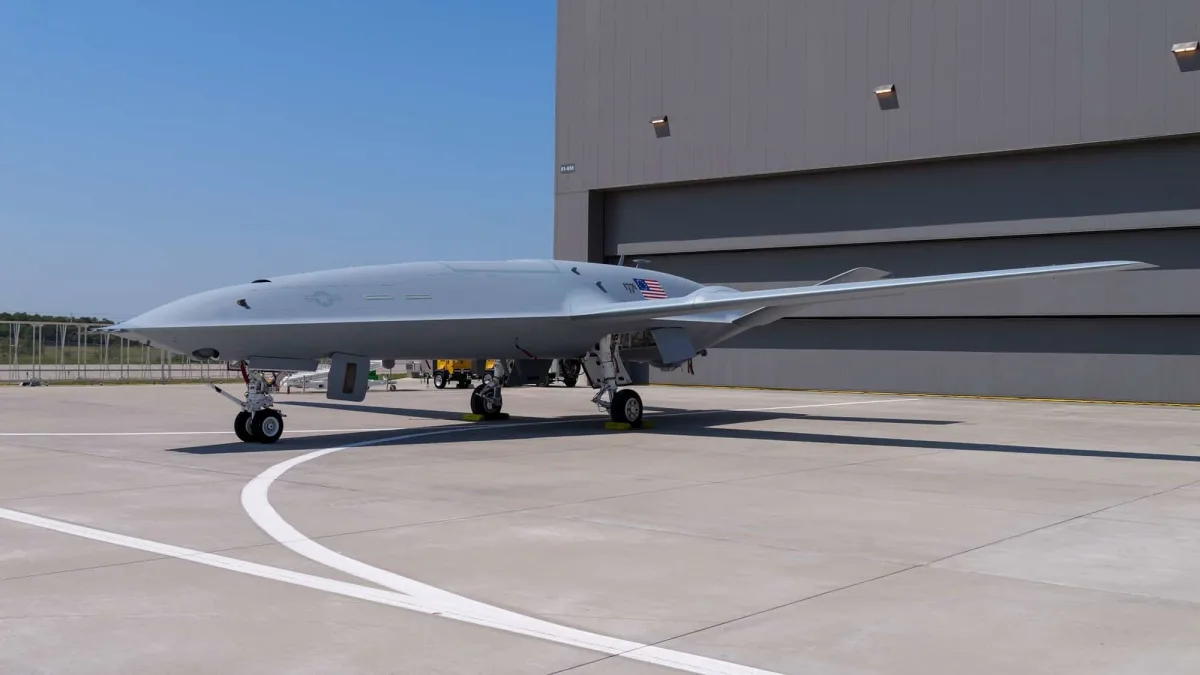
Boeing Awarded $562M Contract for MQ-25 Stingray Production
The U.S. Navy awarded Boeing a $562 million contract for the first three MQ-25 Stingray unmanned aerial refueling tankers, with deliveries expected in...

Boeing Logs 15 Gross Orders Including 13 787 Dreamliners
Boeing recorded 15 gross orders in August 2026, featuring 13 widebody 787 Dreamliner commitments from undisclosed customers.