FAA Awards $875M Contract to ASI for SMART Scheduling

Co-Founder & CEOAviation News Editor delivering trusted coverage across the global aviation industry.
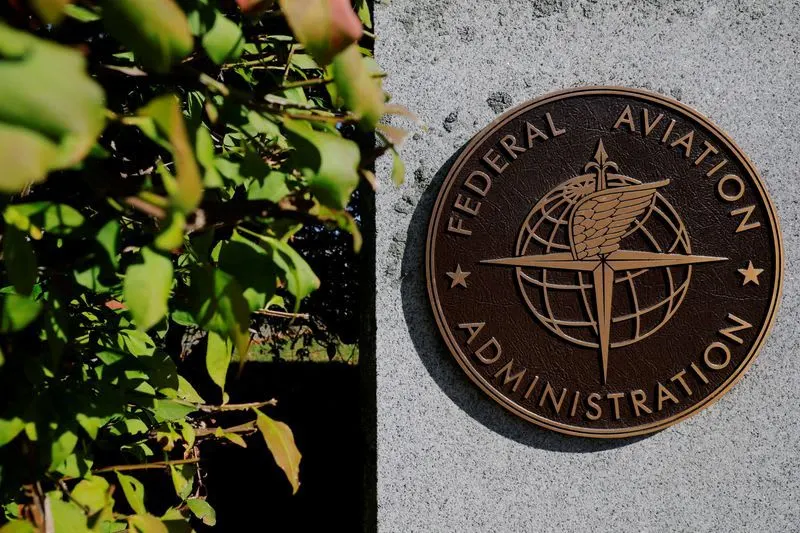
The FAA has awarded Air Space Intelligence an $875 million contract to deploy the SMART system, aiming to reduce U.S. airspace congestion by 2026.
Key Takeaways
- •FAA awards $875M, 12-year contract to Air Space Intelligence.
- •SMART system targets predictive flight scheduling to reduce delays.
- •Chicago O'Hare capacity capped at 2,708 daily flights for 2026.
- •Initial SMART rollout expected by the fall of 2026.
FAA Modernization Strategy
The Federal Aviation Administration (FAA) has announced an $875 million, 12-year contract awarded to Air Space Intelligence (ASI) to implement a comprehensive overhaul of U.S. flight scheduling. This FAA flight scheduling overhaul aims to mitigate chronic delays and improve the efficiency of the National Airspace System. By leveraging the SMART (Strategic Management of Airspace, Routes, and Trajectories) system, the agency seeks to transition from reactive delay management to a predictive model that coordinates traffic flows before aircraft depart.
Addressing Systemic Congestion
The deployment of this technology addresses the critical state of US airspace congestion, which has been exacerbated by rising demand, severe weather, and persistent Air Traffic Control (ATC) staffing shortages. The agency has recently been forced to implement artificial capacity caps, including a reduction of roughly 300 daily flights at Chicago O'Hare (ORD), where operations are now capped at 2,708 per day. Similar operational limits and slot waivers remain in effect at New York-area hubs, including Newark (EWR), to manage the load on understaffed radar facilities. According to the FAA official newsroom, these measures are stop-gap solutions while long-term technological upgrades are integrated.
The SMART System Mechanism
The SMART system functions by aggregating vast datasets, including airline schedules, meteorological patterns, airport throughput capacity, and current airspace constraints. By identifying potential traffic conflicts well in advance, the system intends to provide automated, data-driven recommendations to balance demand. While Airlines for America (A4A) has publicly supported the initiative, noting that it will provide carriers with more predictable capacity information, private concerns persist among operators. Carriers have questioned the criteria the FAA will use to determine which specific flights are prioritized for rescheduling during periods of conflict.
Historical Context and Funding
This initiative follows a pattern of major infrastructure investments, including the $12.5 billion allocated by Congress in the previous year to modernize aging technology and support ATC towers. The project is seen as a successor to historical efforts like the En Route Automation Modernization (ERAM) program, which replaced legacy computing systems in 2015 to increase high-altitude tracking capacity. The FAA Federal Register confirms that the agency is under significant pressure to stabilize the system following years of operational volatility. The USDOT briefing room indicates that further funding requests are being prepared to sustain these modernization efforts.
Technical Analysis of Predictive Flow Management
The shift toward AI-driven pre-departure coordination represents a structural change in how the National Airspace System operates. Historically, the FAA has managed congestion by holding aircraft on the ground or in airborne holding patterns once delays became inevitable. By moving the decision-making point to the pre-departure phase, the SMART system attempts to reduce the 'ripple effect' where a single delay at one hub cascades across the entire network. This approach aligns with broader industry trends toward predictive analytics, though it introduces new dependencies on software reliability. The efficacy of this model will depend on the integration between ASI’s proprietary algorithms and the legacy systems still operating within the nation's radar facilities.
Implementation Timeline
The initial rollout of the SMART system is expected by the fall of 2026. This timeline remains subject to the successful integration of ASI software into the existing FAA operational environment. As the agency prepares for this transition, stakeholders are closely monitoring how the software will handle high-traffic holiday periods, which serve as the ultimate stress test for any new capacity management tool.
Why Operational Predictability Matters
For the aviation industry, the success of the SMART system is critical to restoring reliable passenger service levels. By enabling more efficient routings and reducing the frequency of day-of-travel cancellations, the FAA aims to stabilize the network for both legacy carriers and connecting passengers. The move signals a broader transition toward a more digitized, software-centric approach to managing the nation's critical transportation infrastructure.
Frequently Asked Questions
- What is the SMART system in aviation?
- SMART stands for Strategic Management of Airspace, Routes, and Trajectories. It is a predictive flight scheduling and management system developed by Air Space Intelligence for the FAA to reduce congestion and delays by coordinating flight paths before departure.
- Why did the FAA reduce flights at Chicago O'Hare?
- The FAA capped daily flights at Chicago O'Hare at 2,708 for the 2026 season due to severe congestion, airfield construction, and a critical shortage of certified air traffic controllers.
From airline operations to fleet updates, commercial aviation news lives at omniflights.com. Follow aviation sustainability efforts, emissions research, and green initiatives in the Environmental section at omniflights.com/environmental.
Written by Hardik Vishwakarma
Co-Founder & Aviation News Editor leading initiatives that improve trust and visibility across the global aviation industry. Covers airlines, airports, safety, and emerging technology.
Visit ProfileYou Might Also Like
Discover more aviation news based on similar topics
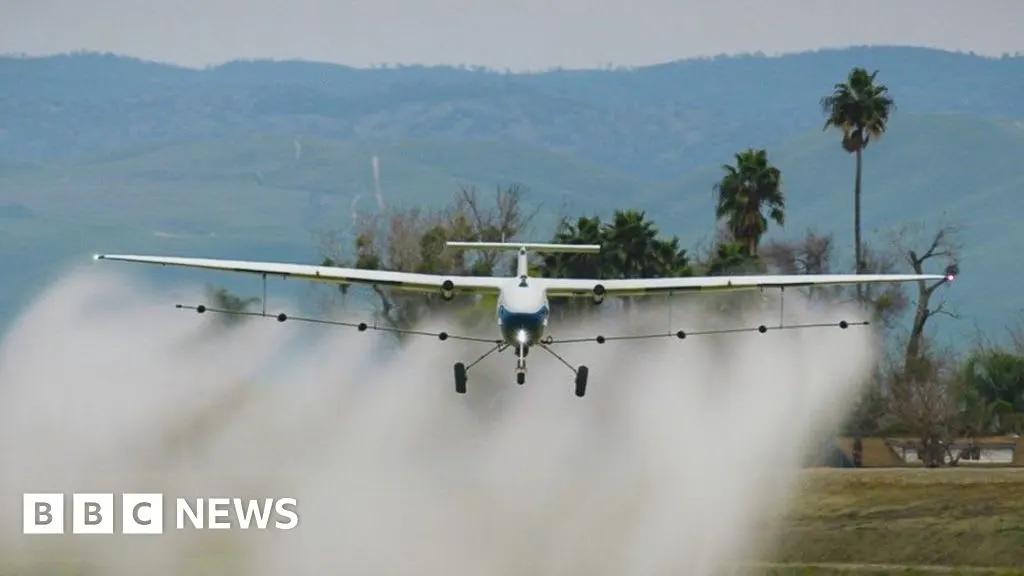
Autonomous Fixed-Wing Aircraft Development Gains Momentum
Start-ups are advancing autonomous fixed-wing aircraft for agricultural and cargo tasks, aiming to prove safety before pursuing passenger operations.

Boeing 787-9 Completes Short Inlet Tests in Montana
Boeing completed 52 hours of flight tests on a 787-9 with an experimental 30% shorter engine inlet to evaluate noise and fuel efficiency.

Airbus A321neo to Test Folding Wings of Tomorrow Project
Airbus launched a three-year flight-test campaign using an A321neo to evaluate folding wings that extend up to five meters.
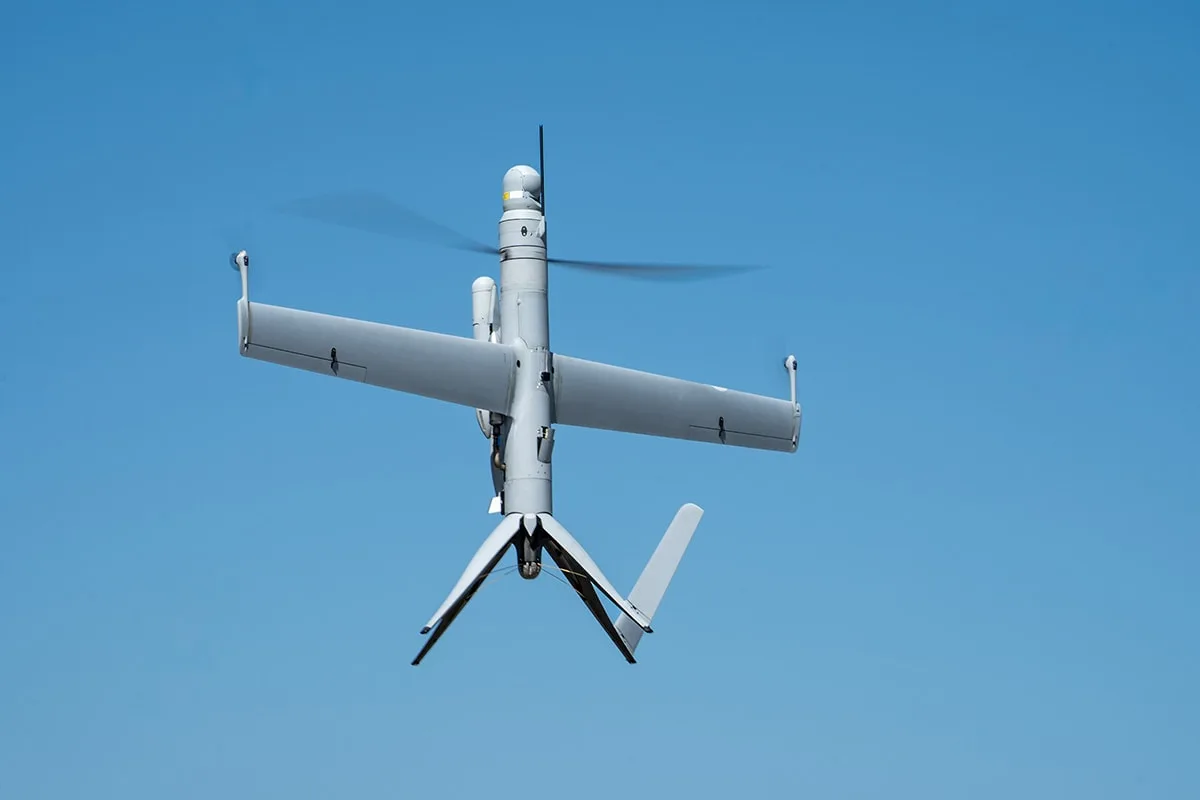
Voyageur Orders Canada's First Airbus U030 Flexrotor
Voyageur Aviation ordered Canada's first Airbus U030 Flexrotor, a 25 kg tactical drone, to expand its maritime and Arctic surveillance capabilities.
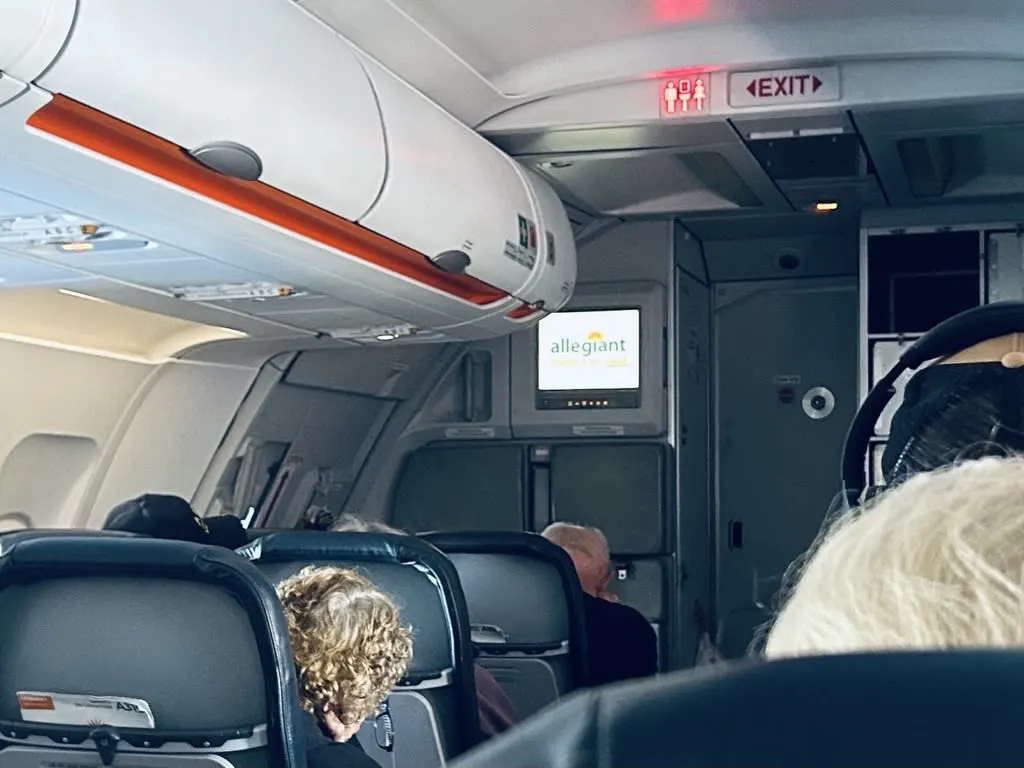
LATAM Selects SES Multi-Orbit Wi-Fi for 60+ New Jets
LATAM Airlines signed a multi-year deal with SES to equip more than 60 incoming Airbus and Embraer aircraft with multi-orbit satellite Wi-Fi.

Lufthansa 787-9 Tests Tech to Cut Fuel and Noise
Boeing, Lufthansa, and Rolls-Royce partnered to test emissions-reducing technologies on a 787-9, targeting a 20% fuel efficiency improvement.