Eurowings A320 Hit by Emirates A380 Wake, 5 Injured

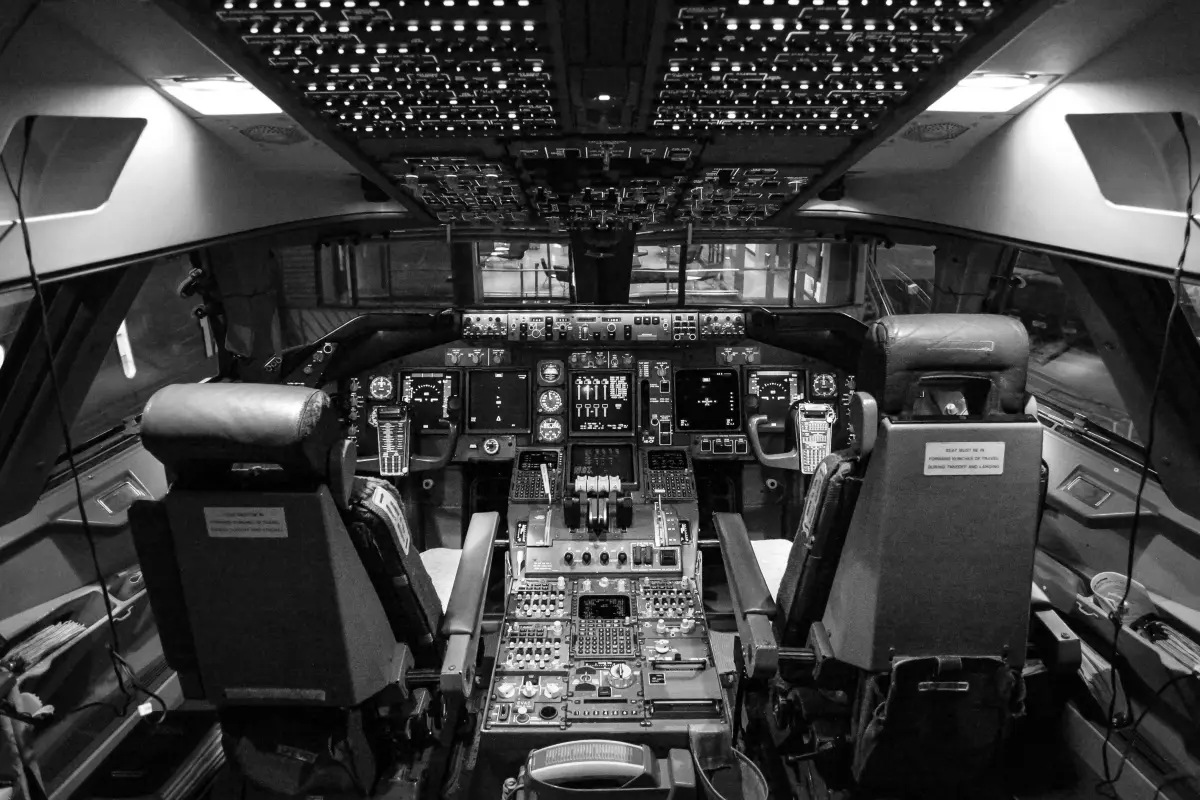
A Eurowings A320 sustained an uncommanded descent and 5 injuries after encountering wake turbulence from an Emirates A380 in European airspace.
Key Takeaways
- •Eurowings A320 encountered severe wake turbulence from an Emirates A380 on May 30.
- •Five people sustained minor injuries during the uncommanded 3,000 fpm descent.
- •Aircraft maintained 7.6 nm separation, exceeding the ICAO 7.0 nm minimum.
- •BFU is leading the investigation with a preliminary report expected in Q3 2026.
A Eurowings Airbus A320 encountered severe wake turbulence from an Emirates Airbus A380 on May 30, 2026, resulting in five injuries. The incident occurred as the Eurowings flight was climbing to Flight Level (FL) 380 near Sarajevo, placing it in the path of the preceding Emirates aircraft. Despite the incident, the two aircraft maintained a separation of 7.6 nautical miles, which technically exceeds the 7.0 nautical mile minimum required by the International Civil Aviation Organization (ICAO) for a 'Medium' weight aircraft trailing a 'Super' heavy aircraft.
The Incident Mechanics
According to ADS-B (Automatic Dependent Surveillance-Broadcast) flight tracking data, the Emirates A380 was established at 38,000 feet. The trailing Eurowings A320 was executing a climb from 36,000 feet to 38,000 feet when it crossed the sinking wake of the leading aircraft. The encounter caused the A320 to suffer an uncommanded descent rate reaching 3,000 feet per minute. The crew eventually regained stable flight at 36,000 feet. The violent motion within the cabin resulted in minor injuries to four passengers and one flight attendant, who was reportedly thrown against the ceiling.
Regulatory and Safety Context
This event has prompted scrutiny from the Bundesstelle für Flugunfalluntersuchung (BFU), the German Federal Bureau of Aircraft Accident Investigation. Under EU (European Union) Regulation 996/2010, the BFU is responsible for investigating the incident involving the German-registered aircraft. The European Union Aviation Safety Agency (EASA) oversees the broader safety standards that regulators like the ICAO define globally. While current separation minimums are designed for level flight, analysts have noted that wake vortices naturally sink and spread, creating heightened risks for aircraft actively climbing or descending through the altitude of a heavier jet.
A380-800 vs A320-200: Key Specifications
| Metric | Airbus A380-800 | Airbus A320-200 |
|---|---|---|
| Max Takeoff Weight | ~575,000 kg | ~78,000 kg |
| Wingspan | 79.75 m | 35.8 m |
| ICAO Wake Category | Super (J) | Medium (M) |
Historical Precedents
This incident mirrors past encounters that have forced the industry to re-evaluate high-altitude vortex dissipation. In 2011, a British Airways A320 experienced a 32-degree roll after hitting the wake of a Qantas A380, resulting in minor injuries. A more severe case occurred in 2017, when a Challenger 604 business jet was written off after rolling multiple times in the wake of an A380. These events demonstrate that even when radar separation minimums are met, the physical forces generated by a 'Super' category aircraft remain a significant hazard to smaller airframes.
Technical Analysis of Vortex Dissipation
This development indicates a shift in focus toward en-route wake turbulence, which was historically treated as a terminal area concern. The data suggests that current separation standards may not fully account for the dynamic interactions between climbing aircraft and the sinking vortices of heavy jets. As the BFU and EASA continue their review, the industry may face pressure to revise spacing procedures for lighter aircraft following 'Super' category jets in cruise or climb phases. The incident underscores the vulnerability of smaller aircraft to wake turbulence even at high altitudes, challenging the sufficiency of current distance-based separation buffers.
Investigation and Reporting Timeline
Analysis of the Flight Data Recorder (FDR) and Cockpit Voice Recorder (CVR) is confirmed for June 2026. The BFU is expected to publish a preliminary investigation report in the third quarter of 2026.
Why This Matters for Air Traffic Control
For air traffic controllers, this incident highlights the risks associated with altitude clearance timing. Controllers may face increased scrutiny regarding the spacing of lighter aircraft climbing behind larger jets, potentially leading to revised local procedures. For the Lufthansa Group, the incident introduces operational disruption and mandatory structural inspections for the affected A320.
Frequently Asked Questions
- What is the ICAO wake turbulence separation minimum for a Medium aircraft following a Super aircraft?
- The International Civil Aviation Organization mandates a minimum separation of 7.0 nautical miles for a Medium weight aircraft, such as an A320, trailing a Super heavy aircraft, like an A380, at the same altitude or up to 1,000 feet below.
- Why did the Eurowings A320 encounter wake turbulence despite meeting separation requirements?
- The Eurowings A320 was climbing through the altitude of the preceding Emirates A380, where it encountered sinking wake vortices that are not always accounted for by standard horizontal radar separation buffers.
Access up-to-date commercial aviation news and airline industry developments via omniflights.com. Follow aviation sustainability efforts, emissions research, and green initiatives in the Environmental section at omniflights.com/environmental.

Written by Hardik Vishwakarma
Co-Founder & Aviation News Editor leading initiatives that improve trust and visibility across the global aviation industry. Covers airlines, airports, safety, and emerging technology.
Visit ProfileYou Might Also Like
FAA Grounds Elixir Aircraft After Fatal French Crash
Riyadh Airport Closure Extended Following Deadly Attacks
Riyadh Airport Closure Extended After Deadly Houthi Attack
Riyadh Airport Closed Until October 17 After Houthi Attacks
Delta Delays Atlanta-Riyadh Launch After Airport Attack