Embraer Weighs New Aircraft Program for Future Growth

Co-Founder & CEOAviation News Editor delivering trusted coverage across the global aviation industry.

Embraer is evaluating a new large airliner or business jet program, leveraging its record $32.1 billion backlog to potentially challenge the market...
Key Takeaways
- •Embraer reports a record $32.1 billion firm order backlog as of Q1 2026.
- •CEO Francisco Gomes Neto is evaluating a large airliner or business jet program.
- •A formal decision on the next aircraft program is expected by late 2020s.
- •The 20-year global narrowbody market demand is projected at 40,000 aircraft.
Strategic Evaluation of Future Growth
Embraer is actively evaluating its next major aircraft program, positioning the Original Equipment Manufacturer (OEM) to potentially disrupt the established Boeing-Airbus duopoly. By leveraging its Embraer next aircraft program strategy, the company is weighing the development of a new large airliner development against an entry into the large business jet market. This assessment follows a period of significant financial strengthening driven by the company's Embraer lean journey, which utilizes the Programa de Excelência Empresarial Embraer (P3E) to optimize operations and reduce waste across its manufacturing ecosystem.
According to Embraer Investor Relations, the company reported a record firm order backlog of $32.1 billion in Q1 2026, representing a 22% year-over-year increase. This financial stability provides a foundation for the company to explore long-term R&D investments. Embraer CEO Francisco Gomes Neto recently stated that the global narrowbody market could potentially sustain three or four major manufacturers. While acknowledging a clear window of opportunity due to current production constraints at larger competitors, Gomes Neto emphasized a cautious approach, noting that the company must remain financially stable and would likely require strategic partnerships before launching a clean-sheet program.
Market Dynamics and Competitive Positioning
The global narrowbody market is projected to require approximately 40,000 new aircraft over the next 20 years, representing the largest segment of future commercial aviation demand. Current industry trends suggest that persistent production bottlenecks at larger OEMs have left airlines seeking alternative suppliers, potentially creating an opening for a third major player. However, the path to a new commercial jet is fraught with financial risk. Aerospace financial analysts have warned that developing a clean-sheet narrowbody to challenge the duopoly carries massive capital requirements, a reality that mirrors the financial strain experienced by Bombardier during the development of the CSeries—a program that was eventually ceded to Airbus and rebranded as the A220.
For Tier-1 Aerospace Suppliers and engine manufacturers like Pratt & Whitney, GE, and Rolls-Royce, a new Embraer program would represent a high-stakes opportunity to secure lucrative, long-term propulsion and components contracts. Conversely, for Commercial Airlines and aircraft lessors, a viable third narrowbody option would introduce much-needed purchasing leverage and fleet diversification.
Embraer's Largest Commercial Jet vs Primary Competitor
| Metric | E195-E2 | A220-100 |
|---|---|---|
| Maximum Seating | 146 | 135 |
| Range | 2,600 nm | 3,450 nm |
Embraer's Largest Business Jet vs Potential Ultra-Long-Range Competitor
| Metric | Praetor 600 | Global 7500 |
|---|---|---|
| Range | 4,018 nm | 7,700 nm |
| Maximum Passengers | 12 | 19 |
The Certification and Development Roadmap
Any new aircraft launched by Embraer will face a rigorous, multi-year Type Certification for Clean-Sheet Aircraft process, overseen by the Agência Nacional de Aviação Civil (ANAC) in Brazil, alongside the FAA (Federal Aviation Administration) and EASA (European Union Aviation Safety Agency). These regulatory hurdles have become increasingly complex following recent industry safety crises, necessitating a disciplined development schedule. While no immediate launch is confirmed, the Embraer Board of Directors is expected to make a formal decision regarding the next major aircraft program later in the decade.
Why Market Positioning Matters
This strategic evaluation signals a pivotal moment for the regional OEM as it transitions from a niche manufacturer to a potential broad-market competitor. By carefully balancing the risks of a new commercial airliner against the high-margin potential of the large-cabin business jet sector, Embraer is positioning itself to capitalize on long-term shifts in aviation demand. For the broader industry, the success of this assessment will determine whether the narrowbody market remains a duopoly or evolves into a more competitive landscape.
Frequently Asked Questions
- What is Embraer's current strategy for its next aircraft program?
- Embraer is currently evaluating whether to develop a new large commercial narrowbody airliner or a large-cabin business jet. The company is leveraging its strong financial position and its 'Lean Journey' operational efficiency program to assess the feasibility of challenging the current narrowbody duopoly.
- Why is Embraer cautious about launching a new large commercial airliner?
- Embraer is cautious due to the massive capital risks involved in developing a clean-sheet commercial aircraft, citing the historical financial difficulties Bombardier faced with the CSeries program. CEO Francisco Gomes Neto has indicated that any such move would require financial stability and likely strategic partnerships to avoid putting the company at risk.
Stay ahead of the airline industry with commercial aviation news from omniflights.com. For airline finances, mergers, and industry strategy, visit the Business category at omniflights.com/business.
Written by Hardik Vishwakarma
Co-Founder & Aviation News Editor leading initiatives that improve trust and visibility across the global aviation industry. Covers airlines, airports, safety, and emerging technology.
Visit ProfileYou Might Also Like
Discover more aviation news based on similar topics

Boeing 777X Testing Spills Into 2027 Amid Certification Hurdles
Boeing expects some 777X testing to extend into 2027, though the manufacturer maintains its target for the first delivery of the aircraft that year.

Airbus A350F Completes Ground Tests Before Maiden Flight
Airbus has finished initial ground tests for the A350F, with the freighter set for a late 2026 maiden flight and a 2027 entry into service.

Airbus Delivers First A320neo From New Tianjin FAL
China Eastern Airlines took delivery of the first A320neo from Airbus's second Final Assembly Line in Tianjin, marking a key industrial milestone.

Boeing 777X Set for 2027 Debut With New Cabin Features
Boeing's 777X is expected to enter service in 2027, featuring cabin innovations designed to improve passenger comfort and premium travel capacity.
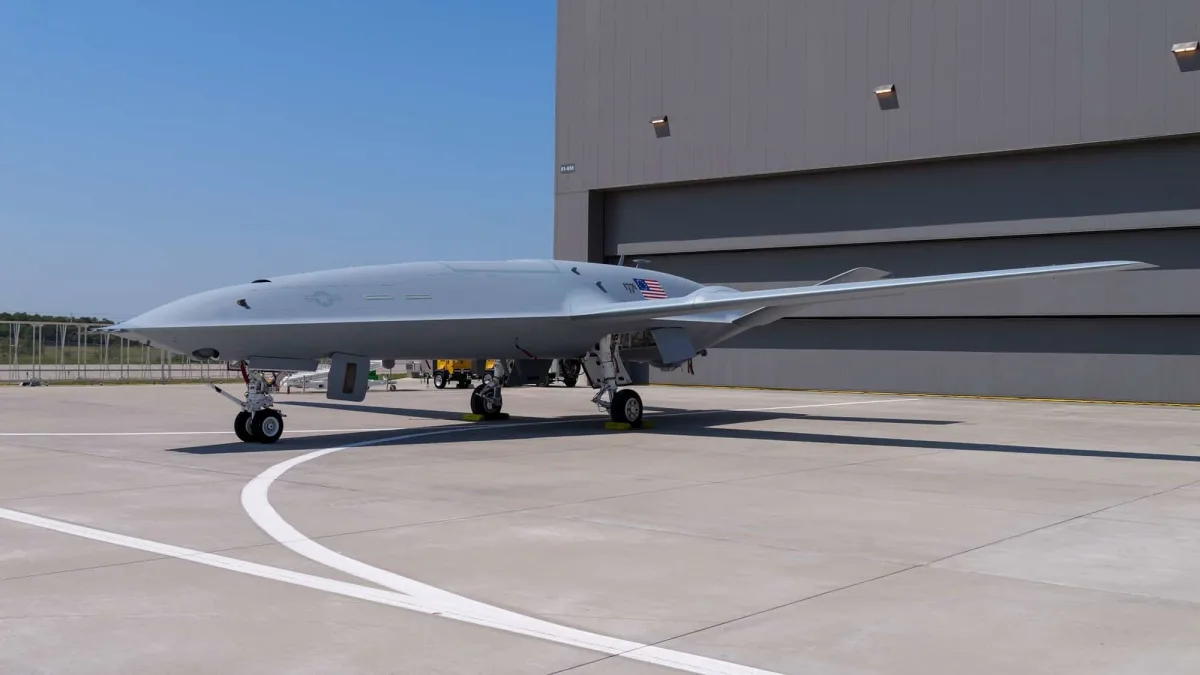
Boeing Awarded $562M Contract for MQ-25 Stingray Production
The U.S. Navy awarded Boeing a $562 million contract for the first three MQ-25 Stingray unmanned aerial refueling tankers, with deliveries expected in...

Boeing Logs 15 Gross Orders Including 13 787 Dreamliners
Boeing recorded 15 gross orders in August 2026, featuring 13 widebody 787 Dreamliner commitments from undisclosed customers.