COMAC C919-600 Completes Maiden Flight in Shanghai

Co-Founder & CTOCo-Founder & CTO driving the technology and data systems behind Omni Flights.

COMAC completed the maiden flight of its C919-600 plateau variant, advancing plans to deliver 40 of the aircraft to Tibet Airlines.
Key Takeaways
- •COMAC C919-600 plateau variant completes its 119-minute maiden flight.
- •Tibet Airlines is the launch customer with 40 firm aircraft orders.
- •Fuselage is shortened by six frames to optimize high-altitude performance.
The newly developed COMAC C919 plateau variant, designated as the C919-600, successfully completed its C919-600 maiden flight on July 29, 2026. This development introduces a specialized China high-altitude airliner designed to operate in the demanding high-elevation environments of the country's western regions. The prototype aircraft completed its Shanghai Pudong test flight, representing a critical step on the path toward CAAC plateau certification for high-altitude operations.
The successful test flight marks a major shift in China's domestic aviation strategy as the country seeks to reduce its reliance on foreign-built narrowbody aircraft by developing specialized narrowbody jet variants. High-altitude routes, particularly in Tibet and Xinjiang, require specialized aircraft performance due to thinner air and complex terrain. Historically, these routes have been dominated by Western imports like the Airbus A319neo. By introducing a domestic alternative, the Commercial Aircraft Corporation of China (COMAC) aims to capture a significant portion of this niche but highly lucrative market, while offering domestic carriers a localized fleet solution.
According to COMAC's flight confirmation, the maiden test flight lasted exactly 1 hour and 59 minutes. The aircraft took off from Shanghai Pudong International Airport (PVG) and performed a series of basic system checks and stability maneuvers before landing safely.
The C919-600 is specifically designed to meet the strict operational requirements defined by the Civil Aviation Administration of China (CAAC). The CAAC classifies any airport situated at an elevation of 2,438 meters (8,000 feet) or above as a high-altitude, or plateau, airport. To operate safely under these conditions, the aircraft features a shortened fuselage, with six frames removed compared to the baseline C919-100 model. This structural modification reduces weight and improves the thrust-to-weight ratio, which is critical when taking off from high-elevation runways where engine thrust is naturally degraded by thin air.
In terms of market adoption, Tibet Airlines has already signed on as the launch customer for the variant, securing the Tibet Airlines C919 order for 40 high-altitude variant aircraft in February 2024. This substantial commitment highlights the airline's intent to transition its fleet toward domestic platforms. The development also carries significant implications for international suppliers. The C919-600 is powered by LEAP-1C engines supplied by CFM International. For CFM International, the plateau variant requires ensuring that these powerplants maintain the necessary thrust margins, cooling efficiency, and safety parameters in the thin air of airports above 2,438 meters.
The development of the C919-600 mirrors established global manufacturing strategies. Major airframe manufacturers have historically developed shortened, high-performance variants of their baseline narrowbody platforms to serve specialized markets. In the period from 2019 to 2022, Airbus successfully certified the A319neo for high-altitude operations, which became a staple for Tibet Airlines' plateau routes — a pattern that supports the current situation because it demonstrates the established duopoly's approach to the specialized high-altitude market that COMAC is now directly targeting with the C919-600.
COMAC C919-600 vs COMAC C919-100: Key Specifications
| Metric | COMAC C919-600 (Plateau Variant) | COMAC C919-100 (Baseline) |
|---|---|---|
| Seating Capacity | 140-160 passengers | 158-192 passengers |
| Fuselage Length | Shortened (6 frames removed) | Standard (38.9 meters) |
| Target Environment | High-altitude plateau airports (above 2,438m) | Standard commercial airports |
The Aerodynamic and Market Strategy Behind Fuselage Shortening
The structural decision to remove six fuselage frames from the baseline C919 highlights the specialized physics of plateau aviation. At elevations exceeding 2,438 meters, aircraft experience reduced aerodynamic lift and decreased engine thrust due to lower atmospheric density. By shortening the fuselage, COMAC engineers have reduced the empty weight of the airframe, thereby maximizing the performance of the CFM International LEAP-1C engines. This modification allows the aircraft to maintain safe climb gradients and meet engine-out performance margins required during takeoff from high-altitude runways.
Furthermore, this development signals a broader shift in COMAC's product strategy. Rather than relying on a single baseline model, the manufacturer is transitioning the C919 into a diversified aircraft family. According to Zhu Keli, Founding Director of the China Institute of New Economy, this flight represents a landmark in the C919's evolution. Keli noted that the development demonstrates the potential to adapt the basic C919 platform for different operating environments and passenger capacities, allowing COMAC to offer airlines a family of aircraft rather than a one-size-fits-all product. This approach directly replicates the family-building strategies used by Western manufacturers to lock in airline customers across diverse network structures.
CAAC Type Certification and Delivery Timeline
The C919-600 now enters a rigorous flight-testing phase focused on high-altitude performance and environmental adaptability. The CAAC will oversee the type certification process, which requires extensive test campaigns at existing plateau airports in western China to verify oxygen system capacities, auxiliary power unit start capabilities, and high-altitude landing characteristics.
Based on current development schedules, the following milestones are anticipated:
- CAAC Type Certification for C919-600: Expected between 2027 and 2028, following the completion of plateau flight test campaigns.
- Commercial Entry into Service: Expected in 2028 with launch customer Tibet Airlines.
While the domestic certification path is clearly defined, international aviation analysts point out that international expansion remains severely hindered. The lack of Federal Aviation Administration (FAA) or European Union Aviation Safety Agency (EASA) certification currently limits the C919-600's market potential to the Chinese domestic sector and a small number of bilaterally aligned nations.
Why Plateau Capability Matters for China's Aviation Sovereignty
This development is a critical milestone for China's goal of establishing supply chain independence in its domestic aviation sector. By successfully modifying the C919 platform for high-altitude environments, COMAC proves it can serve specialized domestic routes that were previously the exclusive domain of Western manufacturers. For Chinese airlines operating in mountainous regions, the C919-600 provides a politically aligned, locally supported fleet option that insulates them from geopolitical supply disruptions.
Frequently Asked Questions
- What is the COMAC C919-600 plateau variant?
- The C919-600 is a shortened, high-altitude version of the baseline C919 narrowbody jet, designed to operate at airports situated 2,438 meters or more above sea level.
- Who is the launch customer for the C919 high-altitude variant?
- Tibet Airlines is the launch customer, having placed a firm order for 40 of the high-altitude aircraft in February 2024.
- How does the C919-600 differ from the standard C919?
- The C919-600 features a shortened fuselage with six frames removed to reduce weight and optimize engine performance in thin plateau air.
omniflights.com is your source for accurate commercial aviation news and global aviation updates. For reporting on UAP sightings, investigations, and aviation-related encounters, see the UAPs section at omniflights.com/uaps.
Written by Shashank Shukla
Co-Founder & CTO leading the engineering and AI systems behind Omni Flights. Covers aviation technology, flight safety, aircraft manufacturing, and emerging aerospace developments.
Visit ProfileYou Might Also Like
Discover more aviation news based on similar topics

Boeing 777X Testing Spills Into 2027 Amid Certification Hurdles
Boeing expects some 777X testing to extend into 2027, though the manufacturer maintains its target for the first delivery of the aircraft that year.
Airbus A350F Completes Ground Tests Before Maiden Flight
Airbus has finished initial ground tests for the A350F, with the freighter set for a late 2026 maiden flight and a 2027 entry into service.
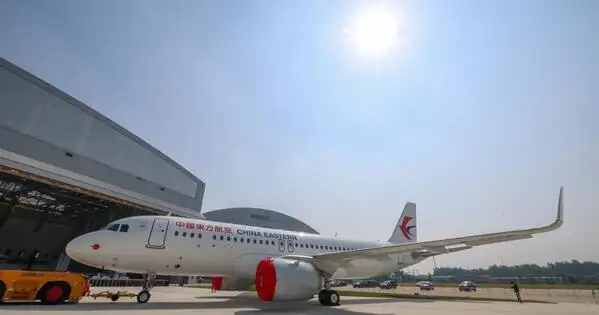
Airbus Delivers First A320neo From New Tianjin FAL
China Eastern Airlines took delivery of the first A320neo from Airbus's second Final Assembly Line in Tianjin, marking a key industrial milestone.
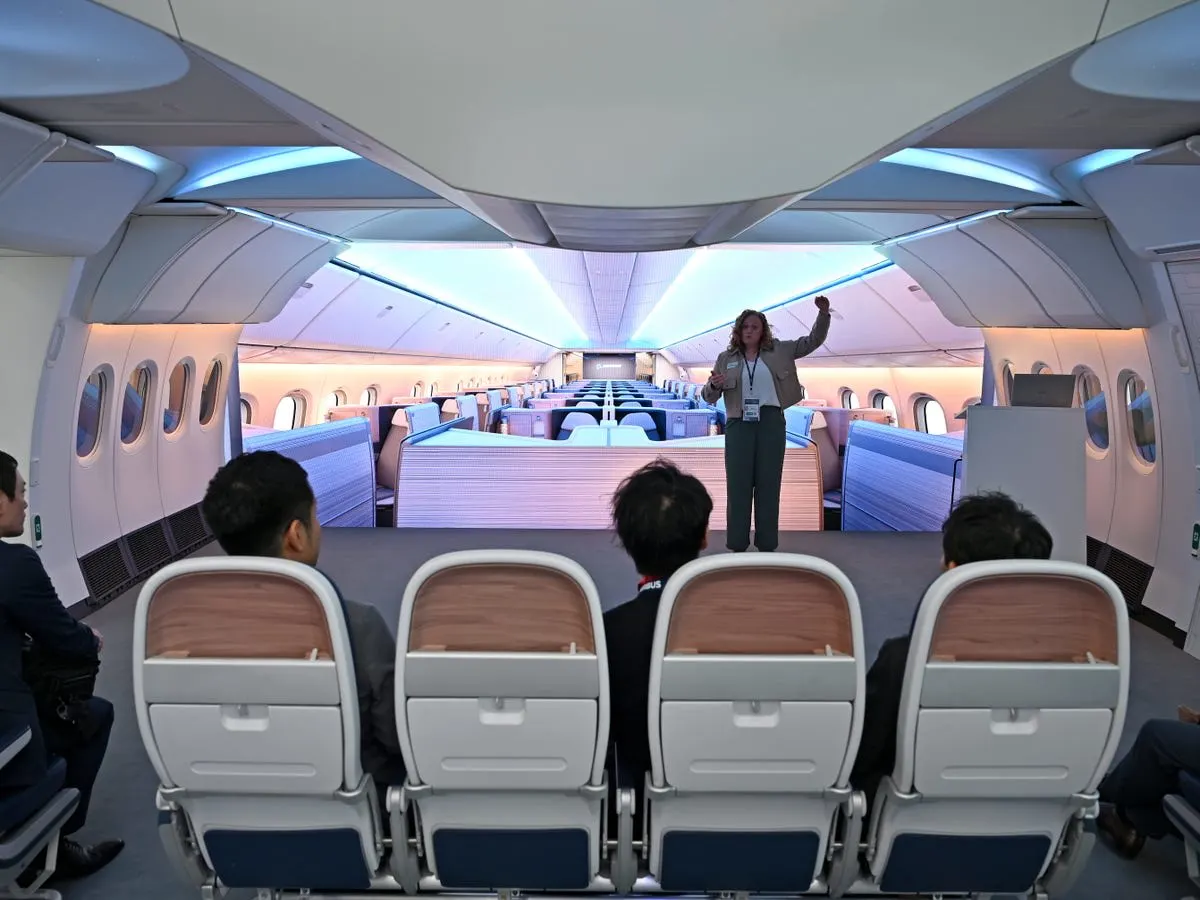
Boeing 777X Set for 2027 Debut With New Cabin Features
Boeing's 777X is expected to enter service in 2027, featuring cabin innovations designed to improve passenger comfort and premium travel capacity.
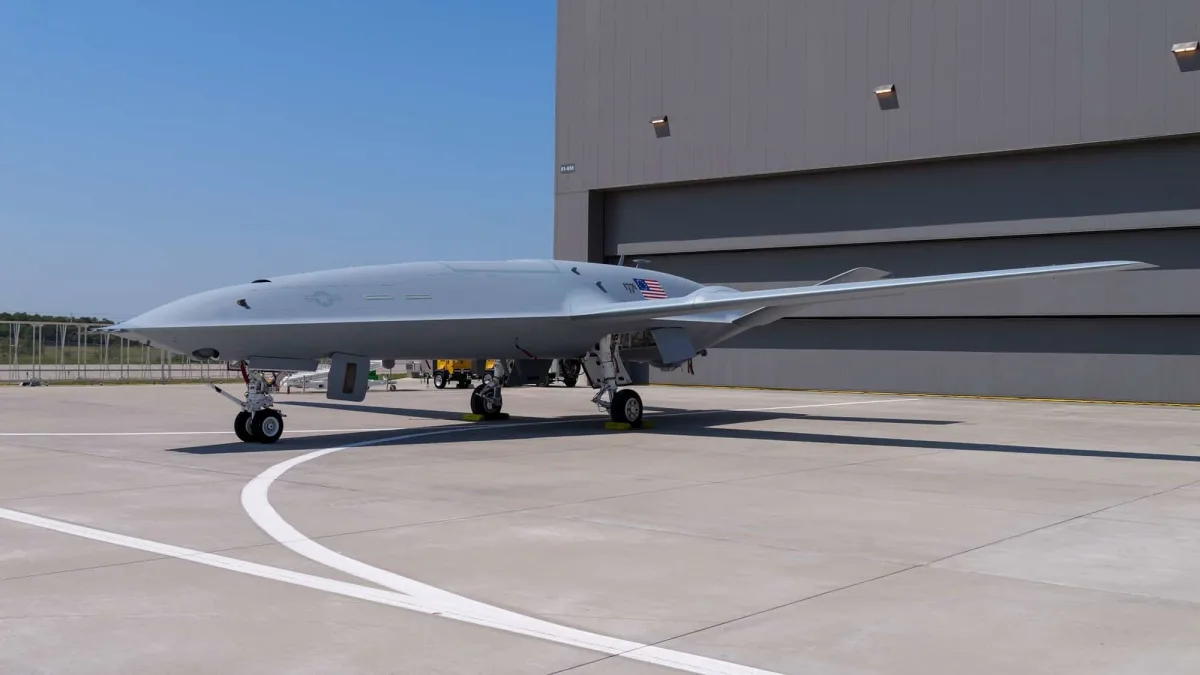
Boeing Awarded $562M Contract for MQ-25 Stingray Production
The U.S. Navy awarded Boeing a $562 million contract for the first three MQ-25 Stingray unmanned aerial refueling tankers, with deliveries expected in...

Boeing Logs 15 Gross Orders Including 13 787 Dreamliners
Boeing recorded 15 gross orders in August 2026, featuring 13 widebody 787 Dreamliner commitments from undisclosed customers.