EgyptAir Launches A350 Service with Panasonic Astrova IFE Suite

Co-Founder & CEOAviation News Editor delivering trusted coverage across the global aviation industry.

EgyptAir's new Airbus A350-900 has entered service, debuting Panasonic's Astrova IFE and marking a key step in its fleet modernization plan.
Key Takeaways
- •Debuts Panasonic's Astrova IFE suite on new Airbus A350-900 fleet
- •Launches Modular Interactive (MI) platform, a global first for cloud-based IFE
- •Replaces Boeing 777-300ERs, achieving 25% better fuel efficiency
- •Features 4K OLED screens and 67W USB-C power in its 30-seat Business Class
EgyptAir has officially introduced its new Airbus A350-900 into commercial service, marking a significant step in the carrier's fleet modernization program. The aircraft, the first of 16 on order, features an advanced In-Flight Engagement and Connectivity (IFEC) system from Panasonic Avionics, including the global debut of a new cloud-based content management platform.
The entry into service represents a dual milestone for the aviation industry. For EgyptAir, the A350-900 provides a substantial leap in operational efficiency and passenger experience, enabling the airline to replace its older, less efficient Boeing 777-300ERs. For Panasonic Avionics, the flight marks the global launch of its Astrova seat-end solution and its new Modular Interactive (MI) tool, a cloud-based platform designed to allow airlines to update cabin entertainment content with greater speed and flexibility.
The new aircraft is configured with 340 seats, comprising 30 in Business Class and 310 in Economy. According to a Panasonic Avionics press release, the Business Class cabin is equipped with the Astrova system, which features 4K Organic Light-Emitting Diode (OLED) screens that support High Dynamic Range (HDR) video. These monitors also provide 67 watts of USB-C power, sufficient to fast-charge personal electronic devices. Economy Class passengers will use Panasonic’s NEXT series IFE system.
Captain Ahmed Adel, Chairman & CEO of EGYPTAIR Holding, stated that the integration of these systems ensures "world-class connectivity and cinema-quality visuals for all passengers." The connectivity is powered by Panasonic's Ku-band satellite network, providing Wi-Fi access throughout the cabin.
The introduction of Panasonic's Modular Interactive (MI) platform is a key technological highlight. Andrew Mohr, Vice President of Digital Solutions at Panasonic Avionics, described the launch as a "key milestone for the industry." This cloud-based publishing tool allows EgyptAir to push content updates and interactive applications to its fleet dynamically, a significant shift from older systems that required lengthy lead times for software changes. This development follows a trend of airlines adopting more agile, modular platforms for In-Flight Engagement and Connectivity (IFEC), with Riyadh Air previously announced as a launch customer for MI in late 2025.
The impact of this fleet modernization extends across several key stakeholders. For EgyptAir passengers, the new A350 brings a significantly upgraded experience with 4K screens, Bluetooth audio pairing, and faster device charging. Panasonic Avionics secures a major linefit contract and successfully debuts its next-generation platform on a global stage. Conversely, Boeing sees a reduction in its long-haul market share with the African carrier as the new Airbus jets replace the airline's aging 777-300ER fleet. The program is also a significant win for Rolls-Royce, which will provide long-term maintenance and support for the Trent XWB-84 engines powering the 16-aircraft order.
EgyptAir A350-900 vs. Boeing 777-300ER
The Airbus A350-900 offers distinct performance advantages over the Boeing 777-300ER aircraft it is set to replace in EgyptAir's fleet. According to Airbus performance data, the A350 delivers approximately 25% better fuel efficiency per seat, a critical factor in managing operational costs and reducing environmental impact. While seat capacity is comparable, the A350's extended range is a key strategic enabler.
| Metric | A350-900 | Boeing 777-300ER |
|---|---|---|
| Capacity | 340 seats | 346 seats |
| Range | 9,700 nm | 7,370 nm |
| Fuel Efficiency | ~25% lower burn/seat | Baseline |
Technical Analysis
EgyptAir's investment in the A350-900 equipped with Panasonic's latest IFEC suite indicates a strategic shift beyond simple fleet replacement. It represents a deliberate move to gain a competitive edge through technology and passenger experience. By becoming the global launch operator for the Modular Interactive platform, EgyptAir positions itself as a technology leader, gaining the operational agility to tailor its digital offerings faster than competitors relying on legacy systems. This decision aligns with a broader trend among African carriers, such as Ethiopian Airlines which became the continent's first A350 operator in June 2016. These airlines are leveraging the range and efficiency of modern widebodies like the A350 to establish direct long-haul routes to North America and Asia, bypassing traditional European hubs and capturing more intercontinental traffic. The A350's range of 9,700 nautical miles is crucial to this strategy, enabling potential non-stop services from Cairo to destinations like the US West Coast.
Future Fleet Deliveries
Following the inaugural aircraft's entry into service, EgyptAir's fleet modernization is scheduled to continue at a steady pace. According to delivery schedules confirmed by Airbus and EgyptAir, the airline is set to receive the remaining six A350-900s from its initial 2026 batch by the end of the year.
The progressive induction of the A350s will trigger the phased retirement of the airline's Boeing 777-300ER fleet, which is expected to begin in late 2026. The completion of the full order for 16 A350-900 aircraft is confirmed by Airbus to be scheduled by 2033. All systems, including Panasonic's Astrova and NEXT IFEC suites, are installed at the Airbus factory in Toulouse as linefit equipment, having received the necessary electrical and structural safety certifications from regulators.
Why This Matters
This fleet update is more than a simple equipment swap. It strategically repositions EgyptAir in the competitive long-haul market by enhancing fuel efficiency, extending network reach, and significantly elevating the passenger experience to rival that of major international carriers. For the broader industry, it marks the operational debut of next-generation, cloud-managed in-flight entertainment, signaling a new standard in how airlines deliver digital content and services in the cabin.
omniflights.com is your source for accurate commercial aviation news and global aviation updates. Stay informed on aviation incidents, investigations, and best practices in the Safety category at omniflights.com/safety.
Written by Hardik Vishwakarma
Co-Founder & Aviation News Editor leading initiatives that improve trust and visibility across the global aviation industry. Covers airlines, airports, safety, and emerging technology.
Visit ProfileYou Might Also Like
Discover more aviation news based on similar topics

Autonomous Fixed-Wing Aircraft Development Gains Momentum
Start-ups are advancing autonomous fixed-wing aircraft for agricultural and cargo tasks, aiming to prove safety before pursuing passenger operations.

Boeing 787-9 Completes Short Inlet Tests in Montana
Boeing completed 52 hours of flight tests on a 787-9 with an experimental 30% shorter engine inlet to evaluate noise and fuel efficiency.
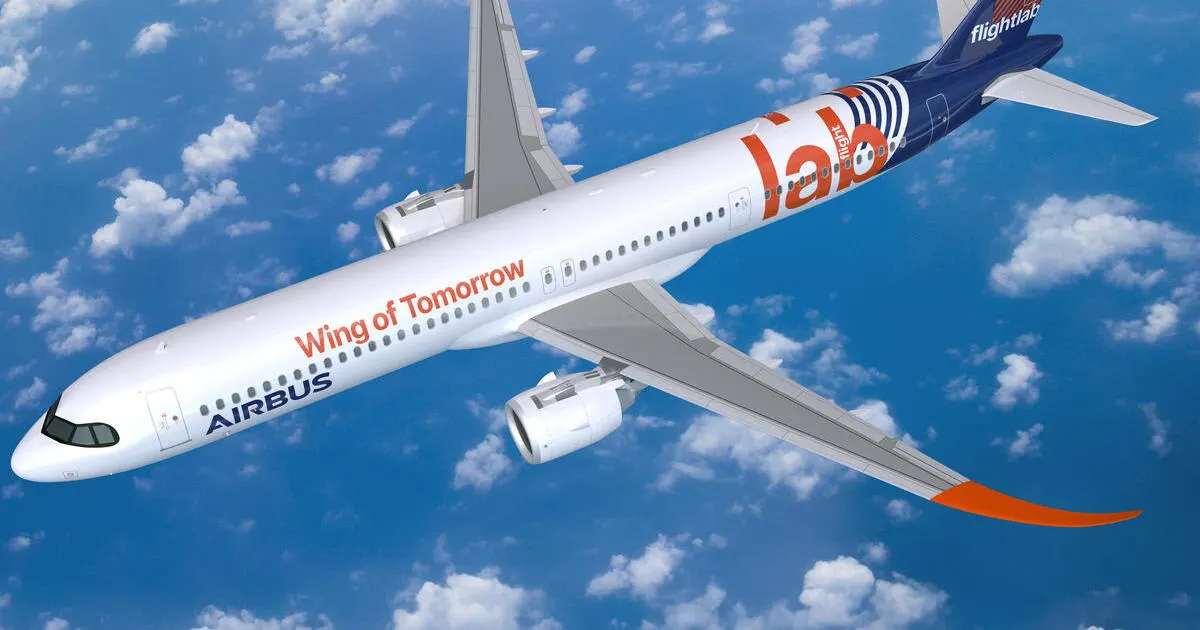
Airbus A321neo to Test Folding Wings of Tomorrow Project
Airbus launched a three-year flight-test campaign using an A321neo to evaluate folding wings that extend up to five meters.
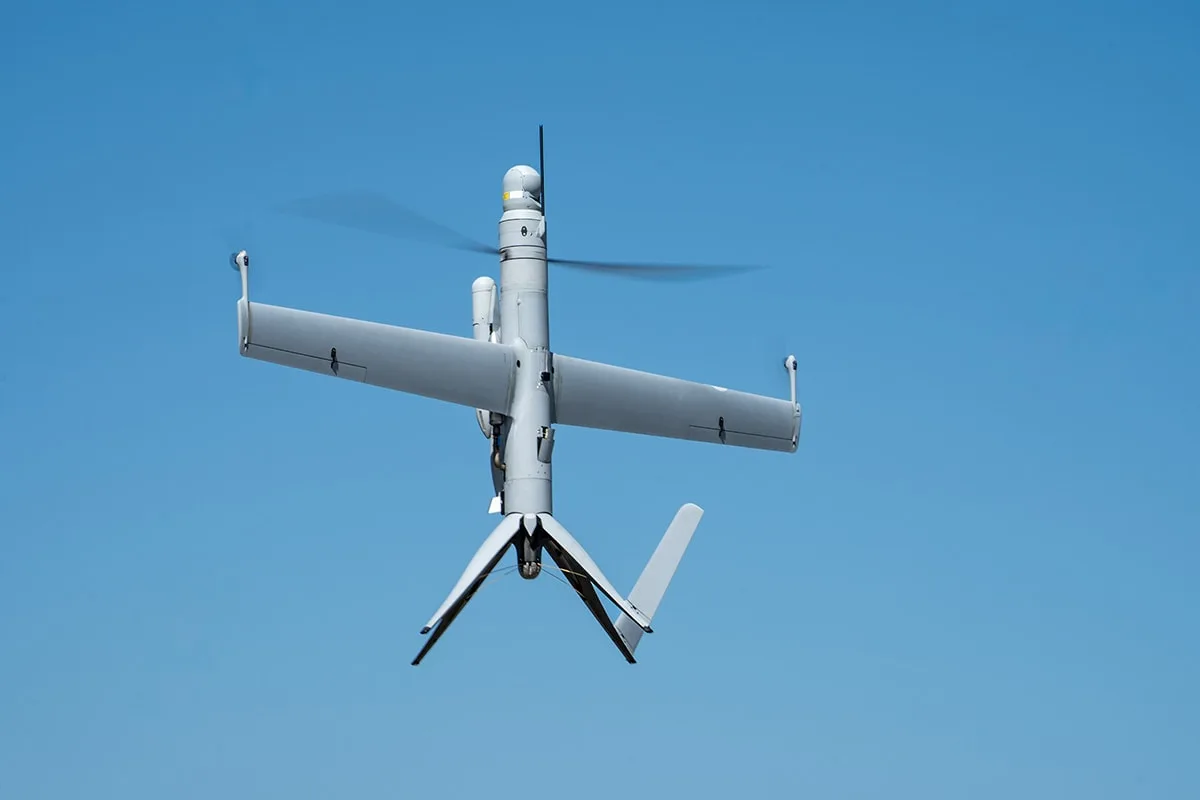
Voyageur Orders Canada's First Airbus U030 Flexrotor
Voyageur Aviation ordered Canada's first Airbus U030 Flexrotor, a 25 kg tactical drone, to expand its maritime and Arctic surveillance capabilities.
LATAM Selects SES Multi-Orbit Wi-Fi for 60+ New Jets
LATAM Airlines signed a multi-year deal with SES to equip more than 60 incoming Airbus and Embraer aircraft with multi-orbit satellite Wi-Fi.
Lufthansa 787-9 Tests Tech to Cut Fuel and Noise
Boeing, Lufthansa, and Rolls-Royce partnered to test emissions-reducing technologies on a 787-9, targeting a 20% fuel efficiency improvement.