EasyJet Flight Diverts to Malaga Over Gibraltar Engineer Shortage

Co-Founder & CEOAviation News Editor delivering trusted coverage across the global aviation industry.
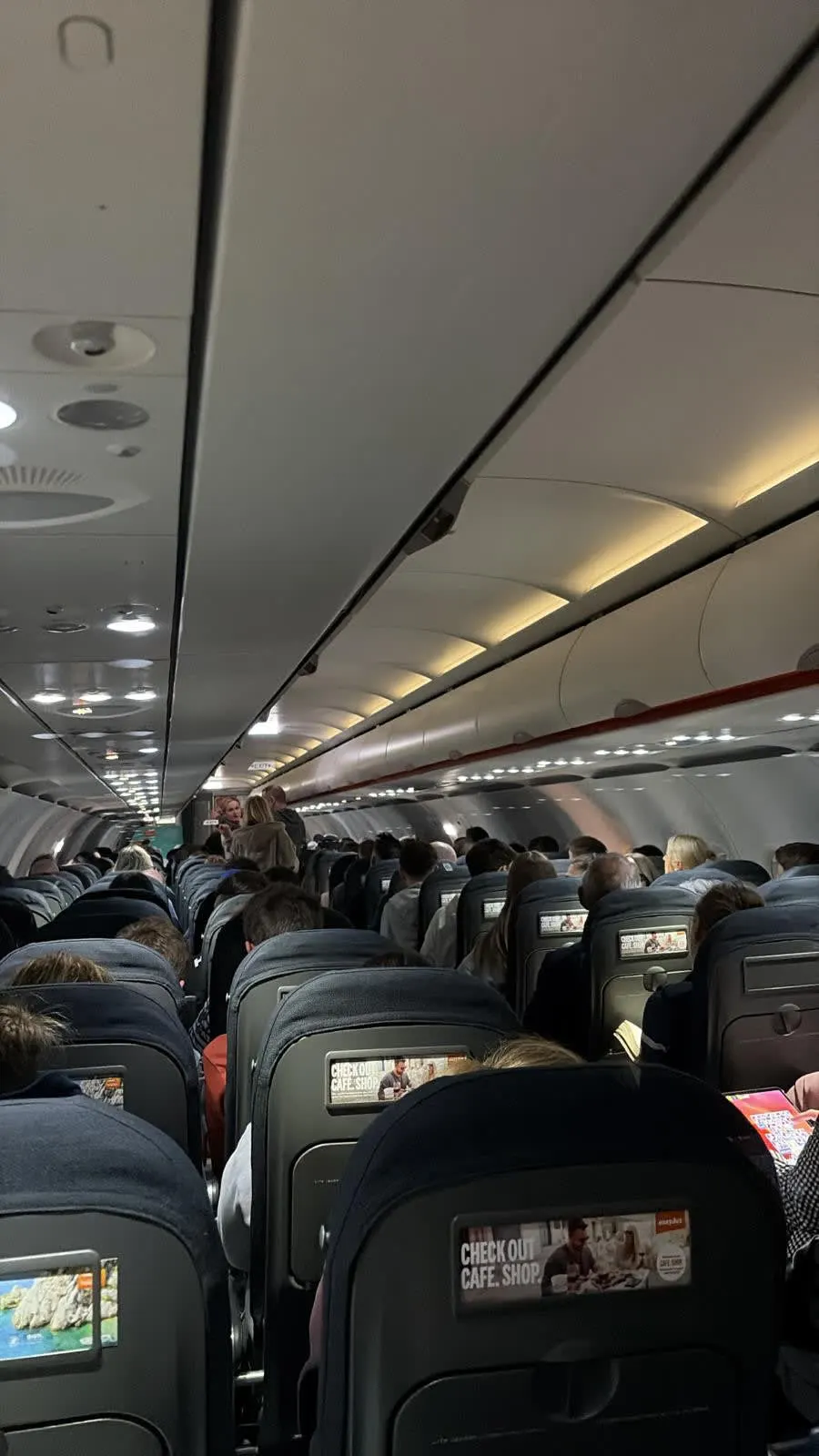
EasyJet diverted a Manchester-Gibraltar flight to Malaga after a technical issue required an engineer inspection unavailable at Gibraltar Airport.
Key Takeaways
- •Diverted to Malaga due to a lack of certified line maintenance engineers at Gibraltar.
- •Complied with EASA Part-145 rules requiring a certified inspection for a technical issue.
- •Delayed passengers by approximately two hours, highlighting a global mechanic shortage.
An EasyJet flight from Manchester to Gibraltar was forced to divert to Malaga, Spain, on Saturday, March 28, after a technical issue could not be inspected locally due to a lack of certified engineers at Gibraltar Airport.
The incident involving flight U22267 highlights a growing operational vulnerability for airlines at regional airports. A global shortage of certified aircraft maintenance personnel, coupled with strict airworthiness regulations, means that even minor technical faults can lead to significant delays and costly diversions to larger, better-staffed hubs.
The flight, which departed from Manchester Airport (MAN), experienced an unspecified technical issue en route. Under European air safety rules, the aircraft required an inspection by a licensed engineer before it could continue to its destination. EasyJet confirmed that because Gibraltar Airport (GIB) lacked the necessary Maintenance, Repair, and Overhaul (MRO) staff on-site, the flight crew diverted to Malaga-Costa del Sol Airport (AGP) as a precautionary and compliance measure.
Upon landing in Malaga, engineers inspected the aircraft and issued the required clearance. Passengers remained onboard during the inspection. The aircraft then completed the short final leg of its journey, landing in Gibraltar approximately two hours behind its scheduled 20:45 local arrival time.
Regulatory Compliance and Staffing Shortages
The diversion was not a choice but a regulatory necessity. The European Union Aviation Safety Agency (EASA), whose rules are followed by the UK Civil Aviation Authority, mandates that any technical defect must be addressed by certified personnel. EASA's Part-145 regulations stipulate that an aircraft cannot be dispatched until a type-rated certifying engineer inspects the issue and signs a Certificate of Release to Service (CRS). Without an engineer available at Gibraltar to issue the CRS, the flight was legally grounded until it could be seen at a qualified MRO facility like the one in Malaga.
This event underscores a persistent industry trend: the global aviation mechanic shortage. Airlines and airports, particularly smaller regional ones, are finding it increasingly difficult to retain licensed aircraft maintenance engineers. This forces carriers to centralize their line maintenance operations at major hubs, leaving smaller destination airports exposed to delays if technical issues arise.
Stakeholder and Operational Impact
The operational ripple effects of the diversion impacted several stakeholders. For EasyJet, the incident resulted in additional costs, including fuel burn for the diversion, landing and handling fees at Malaga, and potential passenger compensation claims under UK261 regulations for the two-hour delay.
For Gibraltar Airport, the event exposes a critical gap in its ground service capabilities. The inability to provide basic line maintenance for a major carrier like EasyJet could affect future route planning and airline confidence, potentially requiring a review of its MRO service contracts. Passengers on flight U22267 were directly affected, experiencing a significant delay and the inconvenience of being held on the tarmac in Malaga.
From a consumer rights perspective, such delays are often scrutinized. While airlines may classify diversions due to technical faults as an "extraordinary circumstance" to avoid compensation, consumer advocates frequently challenge this to ensure safety protocols are not used to mask underlying operational or staffing deficiencies.
A Recurring Diversion Pattern
Malaga's role as a primary diversion point for Gibraltar is well-established. This incident mirrors a previous event in December 2022, when an air traffic control phone line failure at Gibraltar led to multiple flight diversions to Malaga, including another EasyJet service from Manchester. This pattern demonstrates Malaga's critical function as the nearest operational and technical fallback for Gibraltar-bound flights when local infrastructure or staffing proves insufficient. The recurring need for such diversions highlights a systemic dependency that poses ongoing risks to schedule reliability for services to Gibraltar.
Why This Matters
This EasyJet diversion is more than an isolated delay; it is a clear example of how the global shortage of aviation maintenance technicians directly impacts airline network reliability. As the industry grapples with a shallow talent pool of certified engineers, regional airports like Gibraltar become more vulnerable. For airlines, this translates to increased operational costs and complexity, while for passengers, it means a higher probability of disruptions, even from minor technical snags that were once easily resolved on-site. The incident signals a structural challenge that requires investment in MRO infrastructure and workforce development to ensure the resilience of regional air travel.
omniflights.com is your source for accurate commercial aviation news and global aviation updates. Follow aviation sustainability efforts, emissions research, and green initiatives in the Environmental section at omniflights.com/environmental.
Written by Hardik Vishwakarma
Co-Founder & Aviation News Editor leading initiatives that improve trust and visibility across the global aviation industry. Covers airlines, airports, safety, and emerging technology.
Visit ProfileYou Might Also Like
Discover more aviation news based on similar topics

Flydubai Upgrading 21 Boeing 737 MAX 8s to Flat Bed Seats
Flydubai is retrofitting 21 Boeing 737 MAX 8 aircraft with lie-flat business class seats to standardize its premium product by late 2027.
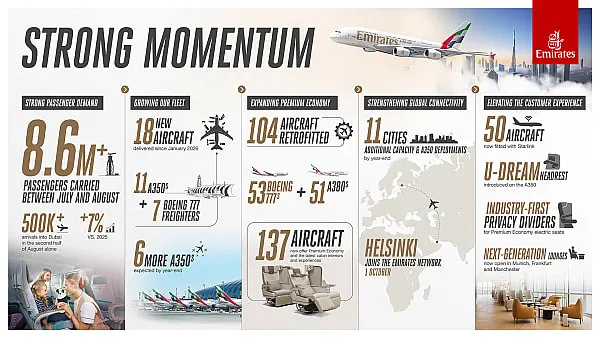
Emirates Winter Booking Momentum Grows Amid Fleet Expansion
Emirates carried 8.6 million passengers this summer and enters winter with strong demand as it accelerates fleet retrofits and network growth.
Air Arabia Consortium Gains AOC for New Dammam Budget Airline
A Saudi GACA-led consortium including Air Arabia has secured an AOC to launch a new budget airline based at Dammam's King Fahd International Airport.

Turkish Airlines Exits Luanda as Angola Hub Struggles
Turkish Airlines dropped its Luanda route as Angola's new airport struggles to attract traffic, handling only 756,028 passengers in 2025.

Red Sea Airlines Leases Two 737 MAX 8s for 2027 Expansion
Red Sea Airlines signed a lease for two Boeing 737 MAX 8 aircraft from SMBC Aviation Capital, arriving in 2027 to support its 14-aircraft fleet goal.
Avelo CEO Warns Airfares May Rise on Jet Fuel Price Spikes
Avelo Airlines CEO Andrew Levy warns that rising fuel costs may force fare increases as global jet fuel prices reach $171.01 per barrel.