EASA Warns of Rising Operational Risk in Middle East Airspace

Co-Founder & CEOAviation News Editor delivering trusted coverage across the global aviation industry.

EASA warns that Middle East airspace restrictions are forcing air traffic into fewer routes, increasing operational and aircraft misidentification risks.
Key Takeaways
- •Warns of heightened operational risk due to severe airspace congestion over the Middle East.
- •Forces critical Europe-Asia traffic into narrow corridors, increasing flight times and fuel costs.
- •Cites the risk of aircraft misidentification, referencing precedents like flights PS752 and MH17.
- •Extends a Conflict Zone Information Bulletin (CZIB) advising against flights over Iran, Iraq, Israel, and others.
The European Union Aviation Safety Agency (EASA) has issued a stark warning regarding increased operational risks in the Middle East, as ongoing regional conflicts force a concentration of air traffic into a shrinking number of viable flight corridors. The agency's updated Conflict Zone Information Bulletin (CZIB) highlights that this airspace congestion significantly reduces flexibility for rerouting and elevates the danger of civil aircraft misidentification by military systems.
The core issue stems from widespread airspace closures and advisories, detailed in Notices to Air Missions (NOTAMs), which push the heavy flow of Europe-Asia traffic into narrow, confined routes. According to OPSGROUP, a flight operations advisory service, these flights are now primarily funneled through corridors via the Caucasus-Afghanistan to the north or Egypt-Saudi-Oman to the south. This compression of traffic increases the workload for air traffic control in adjacent regions and limits operators' ability to navigate around weather or other operational disruptions, raising the overall risk profile for flights transiting the area.
EASA's Directive and Rationale
The updated EASA bulletin, CZIB 2026-03, advises air operators to avoid flying at all altitudes over several key regions. The advisory covers the Flight Information Regions (FIRs) of Bahrain, Iran, Iraq, Israel, Jordan, Kuwait, Lebanon, Oman, Qatar, the United Arab Emirates, and Saudi Arabia's Jeddah FIR, with only very limited exceptions. This guidance is informed by the Integrated EU Aviation Security Risk Assessment Group (IRAG), which assesses threats to civil aviation.
Florian Guillermet, EASA's Executive Director, has publicly emphasized the need for proactive risk mitigation. "We in aviation have the means to mitigate risk. One of those means is to clear the skies," Guillermet stated. He explained that actively reducing the number of flights in constrained areas is a critical tool to keep traffic density "under control at all times." This approach reflects a strategy of de-conflicting civil air traffic from areas with a heightened military presence and sophisticated air defense systems.
Historical Precedents and Misidentification Risk
The agency's focus on the risk of misidentification is not theoretical. It is grounded in catastrophic historical precedents where civil aircraft were mistaken for hostile targets. In January 2020, Ukraine International Airlines Flight PS752 was shot down by an Iranian air defense unit shortly after takeoff from Tehran, resulting in 176 fatalities. The incident, where a Boeing 737-800 was misidentified as a threat, underscores the grave dangers present in a tense military environment.
Similarly, the downing of Malaysia Airlines Flight MH17 in July 2014 over eastern Ukraine, which killed all 298 people on board, serves as the primary modern precedent for the dangers of overflying conflict zones. That event, caused by a surface-to-air missile, triggered a global overhaul of how aviation authorities assess and communicate risks associated with flying over hostile areas. EASA's current warnings directly reflect the lessons learned from these tragedies, prioritizing the avoidance of airspace where such risks are elevated.
Industry and Passenger Impact
The practical consequences of these airspace restrictions are significant for multiple stakeholders. For European and Asian airlines, the rerouting results in longer flight paths, which directly translates to increased fuel burn and higher operating costs. These extended flight times can also affect crew scheduling and may lead to payload restrictions on ultra-long-haul routes. The impact is most severe for carriers whose business models rely heavily on the efficiency of Europe-to-Asia routes.
Air Navigation Service Providers in neighboring countries, particularly those managing the alternative northern and southern corridors, face a surge in traffic, increasing controller workload and airspace complexity. For passengers, the effects include longer journey times and a higher potential for missed connections. Ultimately, the increased operational costs incurred by airlines are likely to be passed on to consumers in the form of higher ticket prices.
What Comes Next
The current EASA Conflict Zone Information Bulletin is not permanent but is subject to continuous review based on the security situation in the region. According to EASA, the IRAG is scheduled to review CZIB 2026-03 on or before April 10, 2026. Any extension, modification, or cancellation of the advisory will depend on the group's assessment of the prevailing risks to civil aviation. Until then, operators are mandated to conduct their own strict, case-by-case risk assessments for any flights planned near the affected regions, even within the few remaining open corridors.
Why This Matters
This development underscores the growing impact of geopolitical instability on the global aviation network. The compression of traffic into a few key corridors not only increases operational complexity but also creates critical choke points that are vulnerable to disruption. For the aviation industry, it signals a long-term challenge of maintaining global connectivity while navigating an increasingly fragmented and hazardous global airspace, forcing a fundamental recalculation of risk versus operational efficiency.
omniflights.com provides comprehensive commercial aviation news covering airlines, aircraft, and airports. Discover how innovation is shaping aviation through aircraft systems, avionics, and digital tools at omniflights.com/technology.
Written by Hardik Vishwakarma
Co-Founder & Aviation News Editor leading initiatives that improve trust and visibility across the global aviation industry. Covers airlines, airports, safety, and emerging technology.
Visit ProfileYou Might Also Like
Discover more aviation news based on similar topics

Families Demand DCA Midair Collision Safety Reforms
Families of 67 victims from the 2025 DCA midair collision are pressing Congress for mandatory ADS-B In technology to prevent future aviation tragedies.
FAS Challenges AAIB Over Boeing 787 Safety Data
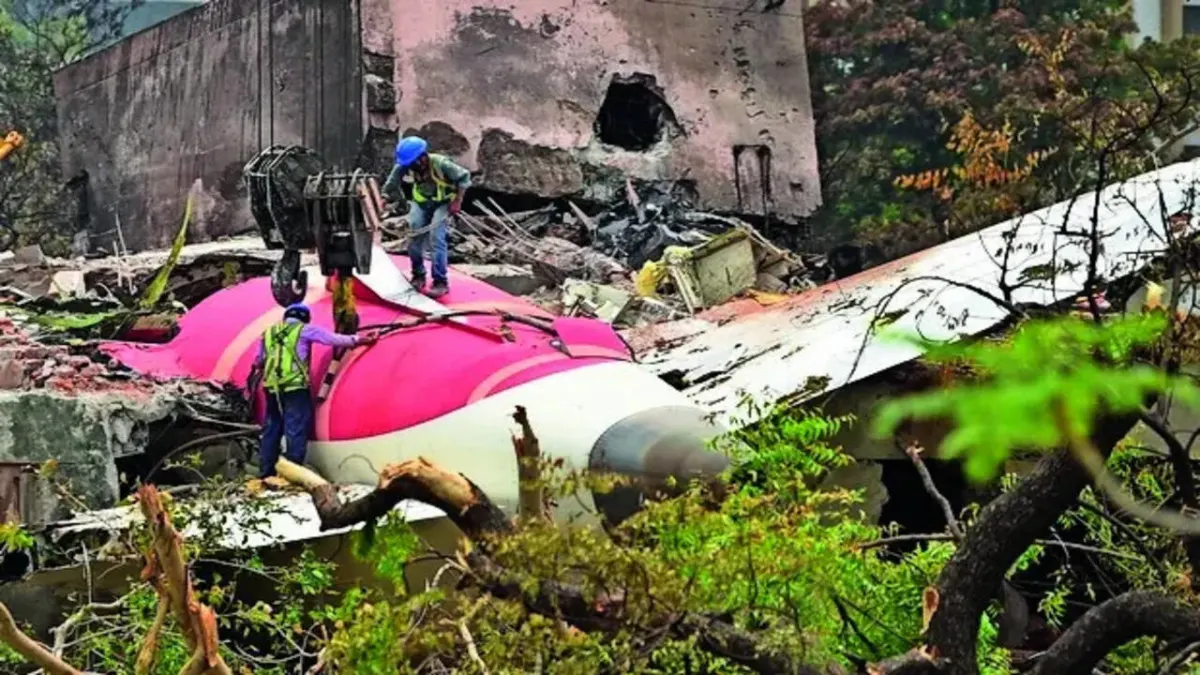
The Foundation for Aviation Safety is urging the AAIB to issue safety warnings for the Boeing 787 fleet following the fatal Air India 171 crash.
NTSB Safety Recommendations Lag Amid 6 Monthly Near-Misses
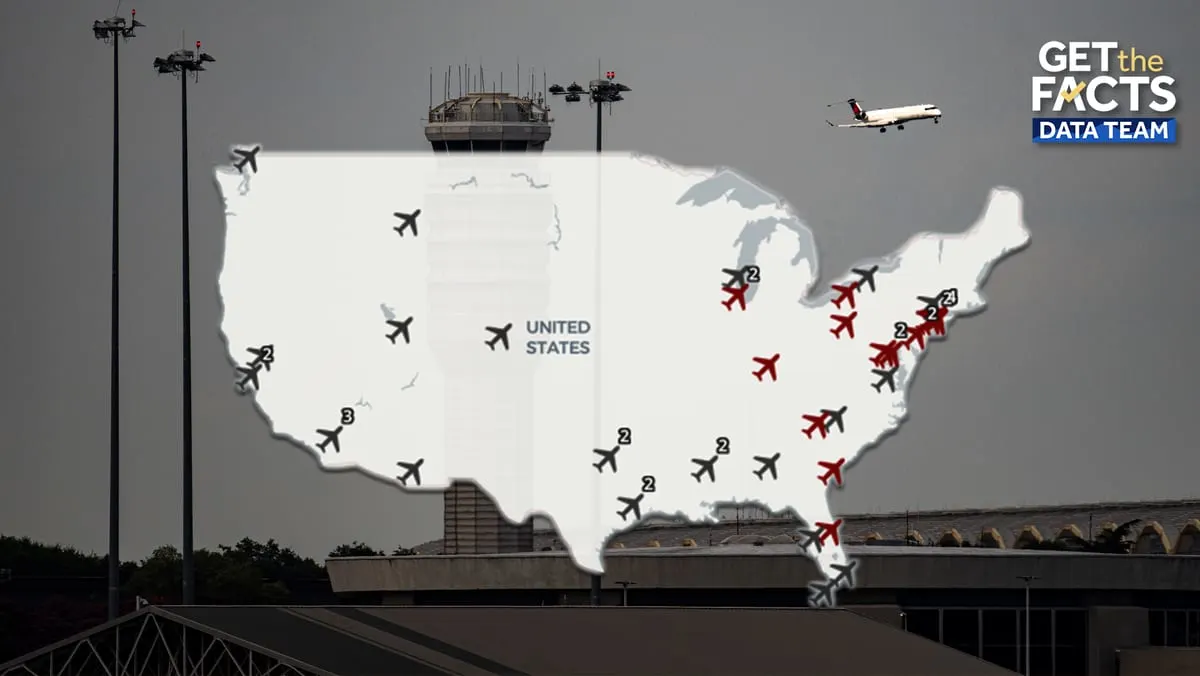
Approximately 6 near-miss incidents occur monthly at U.S. airports as 270 NTSB safety recommendations remain unaddressed by federal regulators.
NTSB Rejects FAA Safety Responses After 67-Fatality Crash
The NTSB labeled 11 FAA responses to 2025 DCA mid-air collision recommendations as unacceptable, citing the lack of a mandatory ADS-B In requirement.
EASA Orders Urgent Airbus A380 Wing Spar Inspections
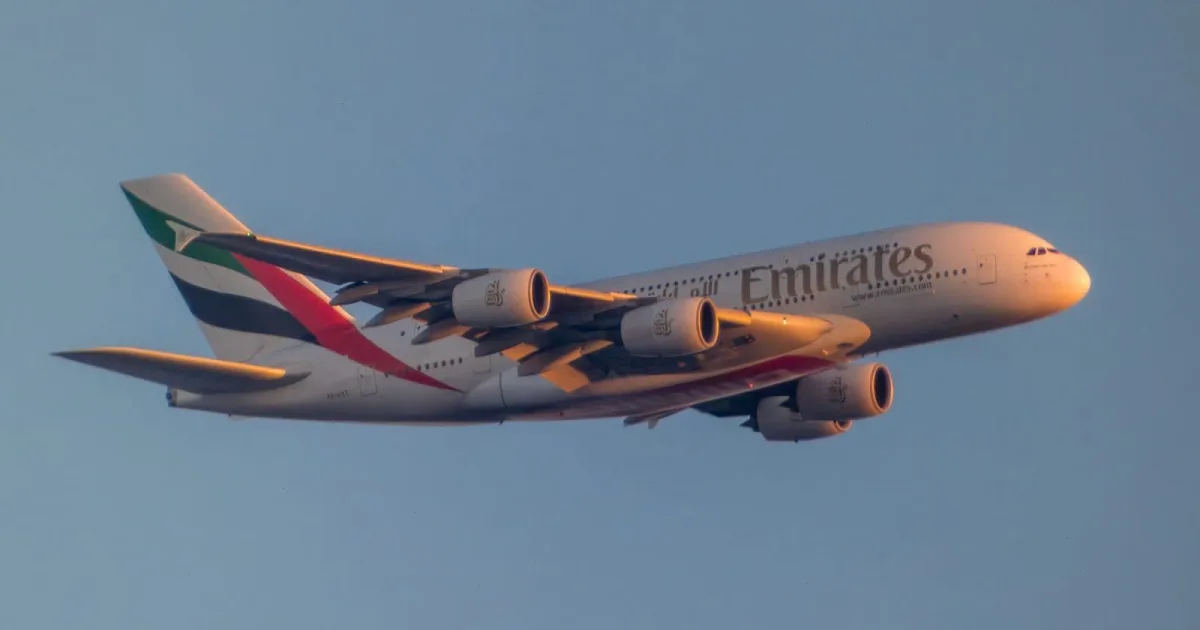
The EASA ordered urgent inspections on 16 Airbus A380s after discovering wing spar cracks that could compromise structural integrity.
Ryanair Flight RK514 Diverts to Birmingham After Emergency
Ryanair flight RK514 diverted to Birmingham Airport on September 13, 2026, following a medical emergency involving a passenger.