EASA Lowers Israel Airspace Risk; Airlines Weigh Return

EASA downgraded its Israel airspace risk classification on July 8, 2026, allowing carriers to conduct individual security assessments for flight...
Key Takeaways
- •EASA downgraded Israel airspace risk from high to medium on July 8, 2026.
- •American Airlines extended its Tel Aviv flight suspension until January 6, 2027.
- •Ben Gurion Airport capacity remains limited to 30% due to military operations.
- •Delta and United airlines expect to resume Israel service in September 2026.
The European Union Aviation Safety Agency (EASA) has officially lowered its aviation risk classification for Israel and surrounding regions, marking a significant shift in regional airspace management. Effective July 8, 2026, the agency allowed its high-risk Conflict Zone Information Bulletin (CZIB) for the Middle East to expire, replacing the mandate with a medium-level Information Note. This regulatory pivot moves the responsibility for flight operations from a blanket restriction to individual risk assessments conducted by commercial carriers.
Impact on European and US Carriers
The expiration of the high-risk designation provides operational flexibility for European airlines, including major low-cost carriers such as easyJet, Ryanair, and WizzAir. Under the previous directive, these operators faced stringent security requirements and complex insurance premium evaluations. While European carriers now have the discretion to resume service, the situation for American legacy carriers remains constrained. American Airlines has officially extended its suspension of flights to Ben Gurion Airport (TLV) through January 6, 2027, citing ongoing security concerns. Other major US operators, including Delta Air Lines and United Airlines, currently signal an intent to resume limited service in September 2026, though these schedules remain subject to rapid regional shifts.
Operational Constraints at Ben Gurion Airport
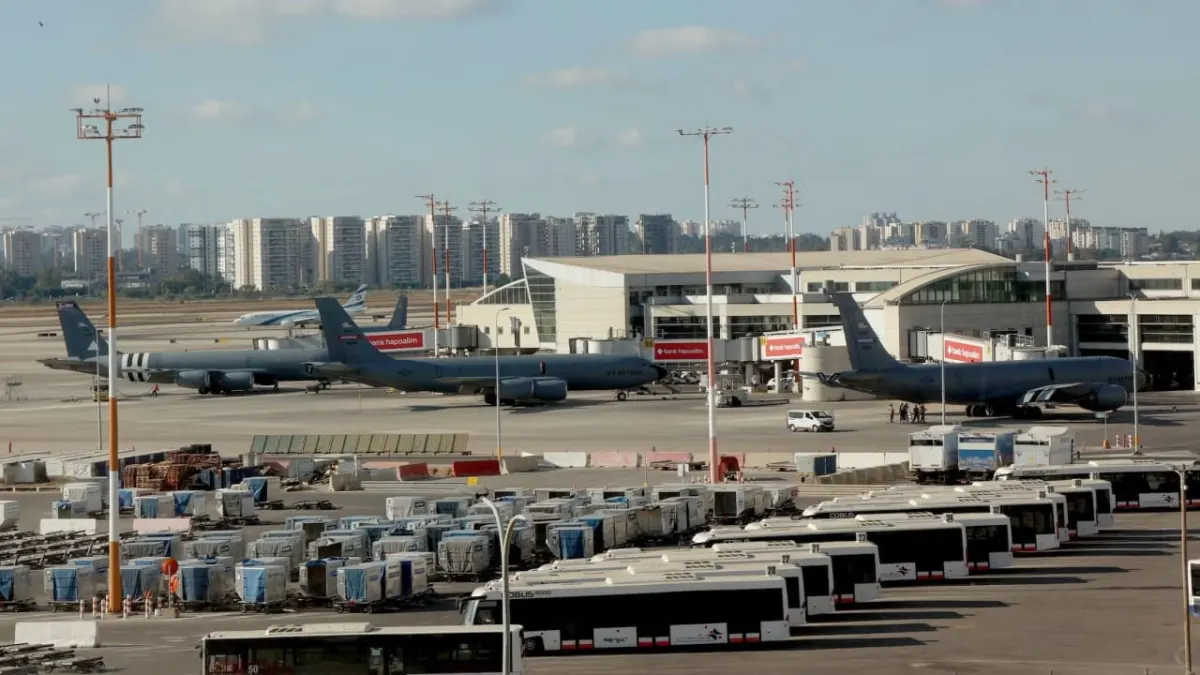
The regulatory downgrade coincides with severe infrastructure challenges at TLV. According to the Israel Airports Authority (IAA), the facility has been operating at approximately 30% of its normal capacity throughout May and June 2026. This reduction is primarily attributed to the presence of US Air Force refueling and cargo aircraft, which occupy significant apron space and parking stands. Sharon Kedmi, Director General of the IAA, noted in June 2026 that unless military assets are relocated to Israeli Air Force (IAF) bases, commercial airlines will continue to face enforced flight cancellations during the high-demand summer travel season.
Historical Context and Market Dynamics
The current operational environment mirrors the volatility seen during the July 2014 conflict, when the FAA (Federal Aviation Administration) issued a 36-hour prohibition on all US flight operations to Israel following a rocket strike near the airport. While the current situation is more protracted, the reliance on Israeli carriers El Al and Arkia has created a temporary monopoly on direct routes, resulting in limited availability and high ticket prices for American travelers. The shift toward localized risk assessments by EASA reflects an industry-wide trend of balancing geopolitical volatility with the necessity of maintaining critical international air links.
Technical Analysis of Airspace Risk
The transition from a blanket CZIB to a medium-risk Information Note signals a shift in European regulatory philosophy, prioritizing carrier-led security intelligence over centralized prohibitions. This development suggests that regulators are attempting to normalize operations in regions where conflict is persistent but not necessarily pervasive across all flight levels. However, the efficacy of this policy is currently hampered by ground-side infrastructure limitations. The data suggests that for international carriers, the primary barrier to resumption is no longer just the airspace risk, but the physical capacity of the airport to handle commercial traffic alongside military staging requirements. Historically, similar situations have led to prolonged capacity crunches until military assets are successfully transitioned to dedicated auxiliary airfields.
Future Milestones for Flight Resumption
The aviation industry is tracking several key dates for the potential normalization of flight schedules to Israel. Delta Air Lines is expected to resume its New York-Tel Aviv service on September 6, 2026, followed by United Airlines on September 8, 2026. A more comprehensive return of US-based capacity is not anticipated until American Airlines resumes its planned operations in early January 2027, subject to continued security assessment and regional stability.
Why This Matters for Global Aviation
For passengers and stakeholders, this regulatory shift highlights the complex intersection of military logistics and commercial air travel. The inability of major hubs to accommodate both civil and military operations during regional crises creates a bottleneck that stifles international commerce and tourism. As the industry monitors the situation, the ability of the IAA to successfully relocate military assets will serve as the primary indicator for when commercial capacity can return to pre-conflict levels.
Frequently Asked Questions
- What is the current risk level for flying in Israeli airspace according to EASA?
- As of July 8, 2026, the European Union Aviation Safety Agency has designated Israeli airspace as a medium-risk zone, replacing the previous high-risk Conflict Zone Information Bulletin.
- When do major US airlines plan to resume flights to Israel?
- Delta Air Lines and United Airlines are expected to resume service in September 2026, while American Airlines has extended its flight suspension until January 6, 2027.
- Why is Ben Gurion Airport operating at reduced capacity?
- Ben Gurion Airport is currently operating at approximately 30% of its normal capacity because significant apron space is occupied by United States military aircraft, according to the Israel Airports Authority.
Stay ahead of the airline industry with commercial aviation news from omniflights.com. Stay informed on aviation incidents, investigations, and best practices in the Safety category at omniflights.com/safety.

Written by Hardik Vishwakarma
Co-Founder & Aviation News Editor leading initiatives that improve trust and visibility across the global aviation industry. Covers airlines, airports, safety, and emerging technology.
Visit ProfileYou Might Also Like

FAA Clears Boeing 737 MAX 10 Software Glitch

FAA Faces $3.5 Billion Shortfall in ATC Modernization

FAA Pauses Flights into LAX Due to Staffing Shortages

FAA Proposes Ending Overland Supersonic Flight Ban

DOT Rule Exempts Airlines From Cyberattack Delay Costs