FAA Proposes Ending 53-Year Overland Supersonic Flight Ban

Co-Founder & CEOAviation News Editor delivering trusted coverage across the global aviation industry.
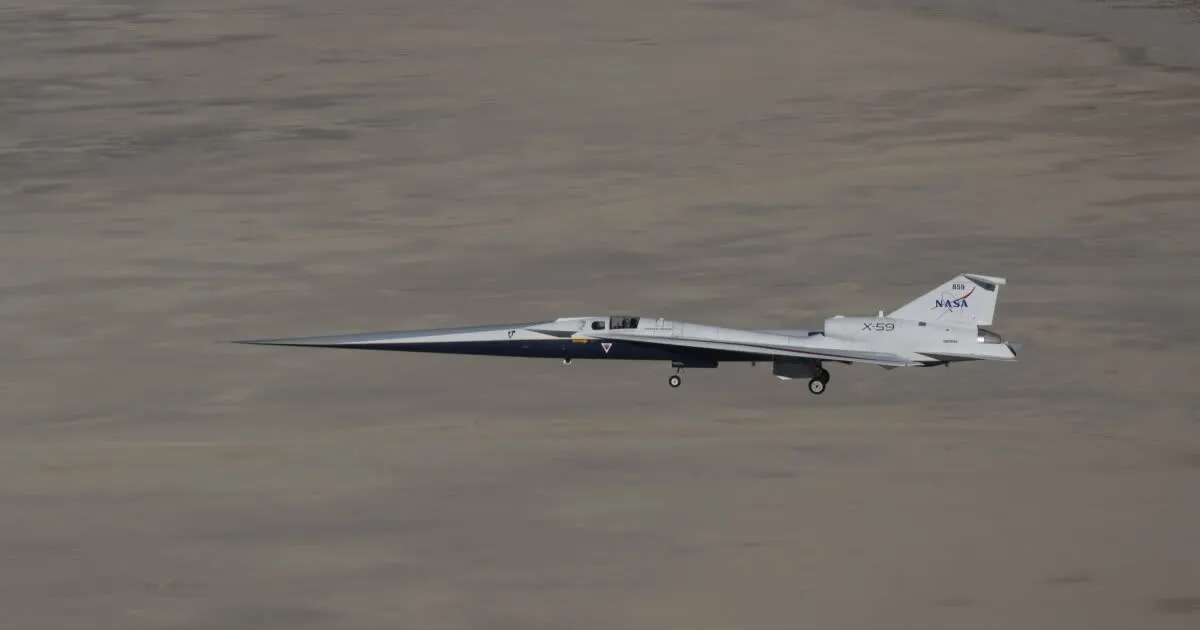
The FAA issued a Notice of Proposed Rulemaking to replace the 1973 overland supersonic ban with a 0.11 psf performance-based noise limit by mid-2027.
Key Takeaways
- •FAA proposes replacing the 1973 overland supersonic ban with noise limits.
- •New rule caps sonic boom overpressure at 0.11 psf at ground level.
- •Public comment period for the NPRM concludes on August 17, 2026.
- •Final certification standards are expected by mid-2027.
Regulatory Shift for Commercial Supersonic Travel
The US Federal Aviation Administration (FAA) is clearing the way for the return of commercial supersonic air travel by revamping regulations for faster-than-sound aircraft. The FAA issued a Notice of Proposed Rulemaking (NPRM) to replace its 53-year-old overland supersonic ban with performance-based noise limits. This official regulatory step aims to modernize the aviation landscape by shifting from blanket speed prohibitions to acoustic certification standards.
The Path to Repealing the 1973 Ban
The proposed rule, titled "Enabling Supersonic Overland Flight" (Docket No. FAA-2026-6935), targets the 1973 prohibition on civil aircraft exceeding Mach 1 over U.S. land. The FAA now proposes to replace this absolute ban with an interim noise-based certification standard. Under the new proposal, manufacturers must demonstrate that their aircraft produce a maximum sonic boom overpressure at the surface of no more than 0.11 pounds per square foot (psf). This threshold is designed to mitigate the disruptive impact of traditional sonic booms, which historically measured approximately 2.0 psf for legacy aircraft like the Concorde.
Stakeholder and Technical Implications
For Supersonic Transport (SST) manufacturers such as Boom Supersonic, the regulation provides a necessary pathway to certify aircraft for domestic overland routes. FAA Administrator Bryan Bedford noted that advancements in materials science and noise reduction now allow for the repeal of the legacy ban while protecting communities. However, the proposal has drawn scrutiny from environmental advocates. According to researcher Dan Rutherford, the 0.11 psf limit relies on a physical metric that may not fully account for human physiological responses to impulsive noise.
Ground-Level Acoustic Impact (Overpressure)
| Metric | Proposed FAA Limit | Concorde (Typical) |
|---|---|---|
| Surface Overpressure | 0.11 psf | ~2.0 psf |
Technical Analysis: The Acoustic Shift
The move toward performance-based standards represents a fundamental shift in how the FAA manages high-speed aviation. Historically, the 1973 ban effectively stifled the commercial viability of the Concorde by limiting it to trans-oceanic routes. The new proposal acknowledges that modern aircraft shaping and the use of the Mach Cutoff (MCO) technique—which leverages atmospheric conditions to refract shock waves upward—can reduce sonic booms to a manageable "sonic thump." This transition follows a broader industry trend of moving away from arbitrary speed-based restrictions toward measurable environmental outcomes, positioning supersonic flight as a viable competitor for premium transcontinental markets.
Timeline for Certification and Finalization
The FAA has opened a 45-day public comment period for the NPRM, which is scheduled to conclude on August 17, 2026. Following this period, the agency intends to finalize the interim noise-based certification standard for overland cruise by mid-2027. Additionally, the FAA is expected to propose separate landing and takeoff noise standards for supersonic aircraft by late 2026.
Why This Matters for the Industry
This regulatory update serves as the critical gatekeeper for the next generation of supersonic commercial travel. By providing a quantifiable noise threshold, the FAA offers manufacturers the regulatory certainty required to secure investment and finalize aircraft designs. For the aviation industry, this signifies the potential reopening of lucrative domestic routes that have been restricted for over half a century.
Frequently Asked Questions
- What is the new maximum sonic boom limit for supersonic flights over the U.S.?
- The FAA's proposed rule limits overland sonic boom overpressure at the surface to a maximum of 0.11 pounds per square foot (psf).
- When does the FAA expect to finalize the new supersonic noise standards?
- The FAA aims to finalize the interim noise-based certification standard for overland supersonic cruise by mid-2027.
Stay ahead of the airline industry with commercial aviation news from omniflights.com. Follow aviation sustainability efforts, emissions research, and green initiatives in the Environmental section at omniflights.com/environmental.

Written by Hardik Vishwakarma
Co-Founder & Aviation News Editor leading initiatives that improve trust and visibility across the global aviation industry. Covers airlines, airports, safety, and emerging technology.
Visit ProfileYou Might Also Like
Discover more aviation news based on similar topics

FAA Clears Boeing 737 MAX 10 Software Glitch
The FAA determined a software glitch in 737 MAX flight computers poses no safety risk, clearing a path for MAX 10 certification by late 2026.

FAA Faces $3.5 Billion Shortfall in ATC Modernization
FAA Administrator Bryan Bedford reported a $3.5 billion shortfall for the Brand New Air Traffic Control System, totaling $16 billion for Phase One.
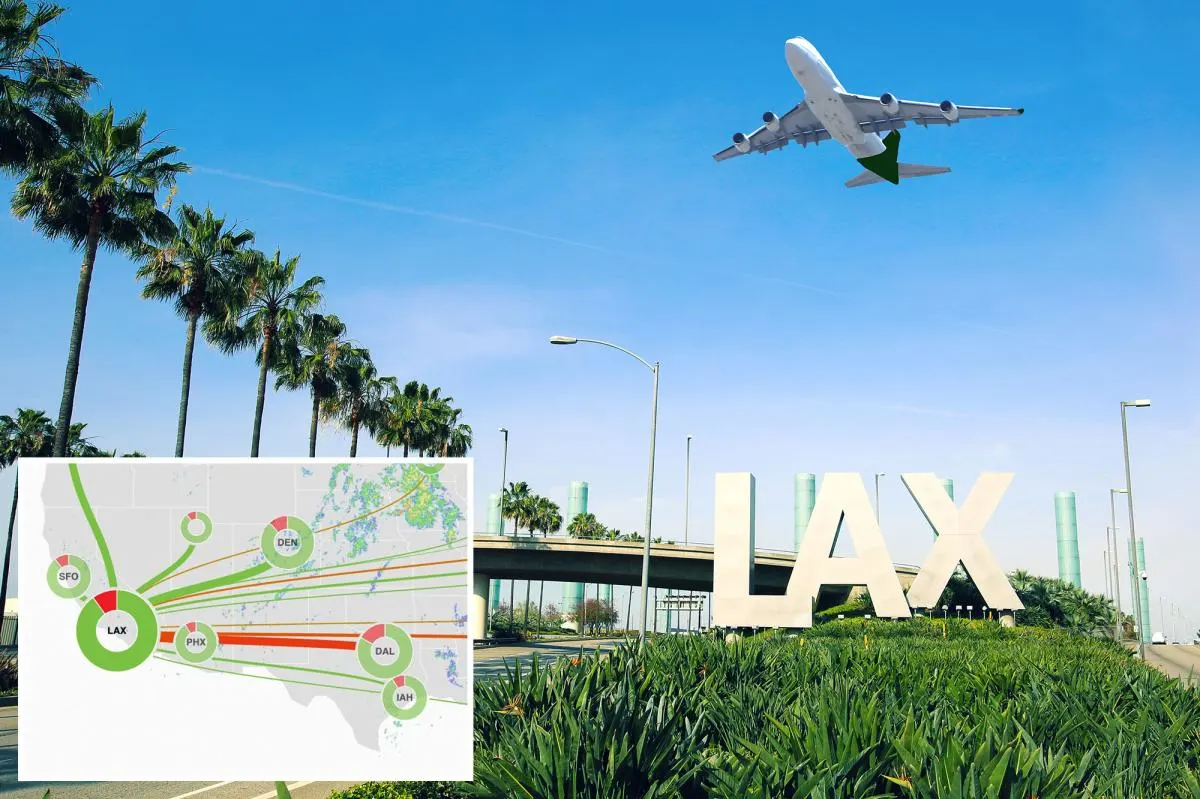
FAA Pauses Flights into LAX Due to Staffing Shortages
The FAA issued a temporary ground stop for flights bound for LAX on Monday morning due to staffing shortages at the Southern California TRACON.
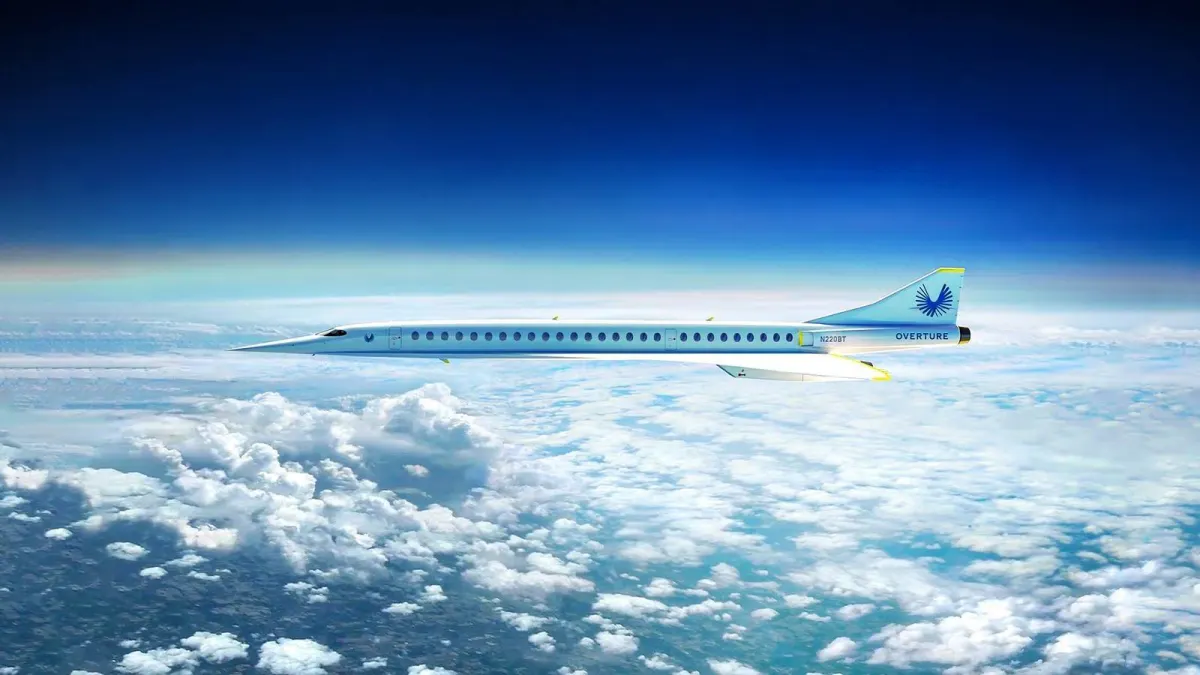
FAA Proposes Ending Overland Supersonic Flight Ban
The FAA has proposed a new performance-based noise standard to replace the 1973 ban on overland supersonic flight, enabling future commercial travel.

DOT Rule Exempts Airlines From Cyberattack Delay Costs
Starting October 19, 2026, the DOT will allow airlines to withhold meal and hotel vouchers for delays caused by cyberattacks and nine other events.

Wizz Air, Ryanair Demand NATS Reform After ATC Failure
Wizz Air and Ryanair are calling for urgent NATS reform after a September 8 system failure caused over 1,000 flight cancellations across the UK.