FAA Proposes Ending Overland Supersonic Flight Ban

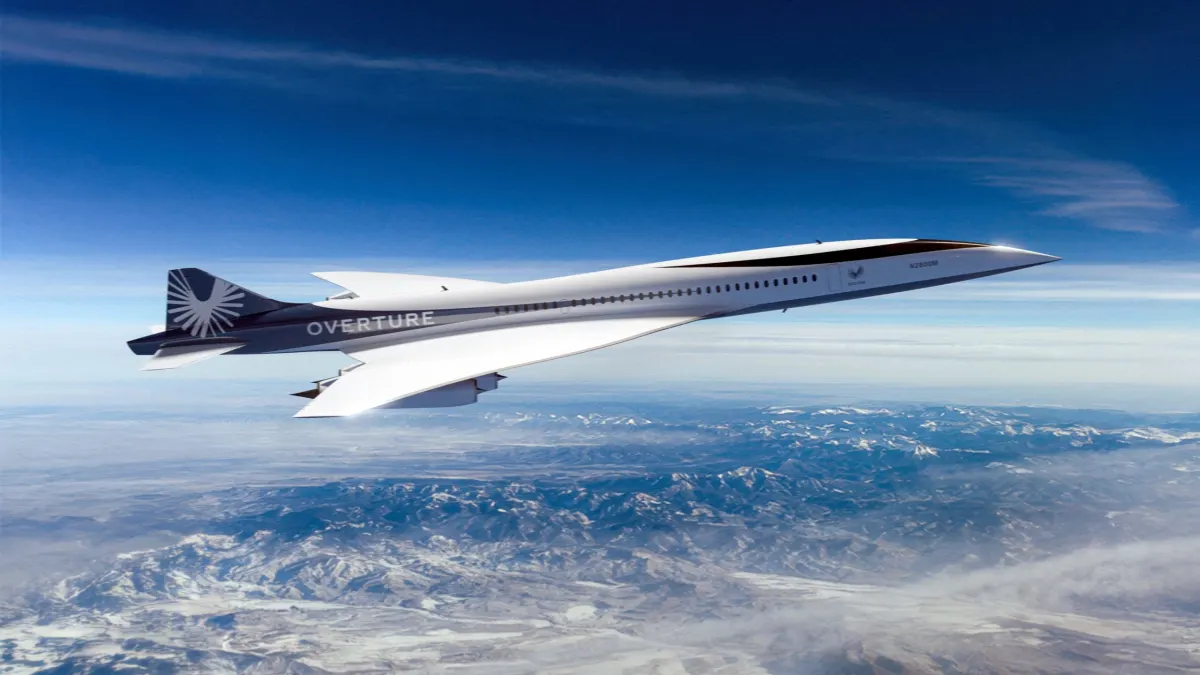
The FAA issued a new rule proposal to replace the 1973 overland supersonic flight ban with a noise-based limit of 0.11 pounds per square foot.
Key Takeaways
- •FAA proposes replacing the 1973 supersonic flight ban with noise-based rules.
- •Proposed limit caps sonic boom surface overpressure at 0.11 psf.
- •NASA's X-59 validated quiet supersonic technology in June 2026.
- •Public comments on the new FAA proposal are due August 17, 2026.
A Shift in Regulatory Philosophy
The FAA (Federal Aviation Administration) has introduced a Notice of Proposed Rulemaking (NPRM) titled "Enabling Supersonic Overland Flight," marking a significant pivot in how regulators manage high-speed air travel. The proposal seeks to replace the blanket prohibition on civil supersonic flight over the continental United States, which has been in effect for 53 years under 14 CFR 91.817, with a performance-based noise standard. This regulatory evolution reflects the FAA supersonic flight rules transition from arbitrary speed restrictions to objective acoustic metrics, specifically targeting a maximum surface sonic boom overpressure limit of 0.11 pounds per square foot (psf).
The Technical Basis for Quiet Supersonic Travel
The proposed overland supersonic ban repeal acknowledges recent breakthroughs in aerospace engineering, particularly in the development of low-boom technologies. Manufacturers are leveraging advanced aerodynamic shaping and Mach cutoff (MCO) techniques to ensure that shock waves refract away from the ground, creating a faint "sonic thump" rather than the disruptive boom associated with legacy aircraft. This technical approach is currently being validated by NASA's X-59 experimental aircraft, which successfully completed its first supersonic flight on June 5, 2026, reaching Mach 1.1 at an altitude of 43,400 feet.
Impact on Manufacturers and Communities
For supersonic aircraft manufacturers, the rule change is transformative. The ability to operate at supersonic speeds over land routes, such as transcontinental flights between New York and Los Angeles, significantly expands the addressable market and operational efficiency for next-generation platforms like the Boom Supersonic Overture. However, the proposal faces scrutiny from environmental advocates. The International Council on Clean Transportation (ICCT) has argued that the 0.11 psf overpressure limit may be an inadequate standard, suggesting it fails to capture the full spectrum of human annoyance or perceived loudness. Consequently, communities located beneath potential flight paths remain a key stakeholder group, as they may experience new acoustic signatures that require ongoing public monitoring.
Historical Precedents and Market Context
This regulatory shift draws a direct line to the 1973 implementation of 14 CFR 91.817, which effectively grounded the Concorde and other supersonic designs from overland routes due to intense public outcry. The retirement of the Concorde in 2003 underscored the commercial limitations imposed by this ban. By establishing a modern sonic boom noise regulations framework, the FAA aims to reconcile the demand for reduced travel times with the necessity of maintaining community noise standards. This follows a broader industry trend of moving toward objective performance-based certification rather than static speed caps.
Technical Analysis: The 0.11 psf Standard
The core of the FAA's proposal is the move to a measurable noise threshold. By defining a hard limit of 0.11 psf, the FAA provides a clear certification path for developers. This methodology relies on the assumption that aircraft can be designed to suppress the N-wave boom signature—the primary source of public complaint—into a manageable pressure pulse. The success of this transition depends on the reliability of MCO autopilot systems and the ability of airframes to maintain these noise-mitigation profiles across varying atmospheric conditions. Historically, the failure to provide such a technical pathway served as a prohibitive barrier; the current proposal aims to institutionalize the engineering progress made over the last two decades.
What Comes Next for Supersonic Certification
The regulatory process is moving toward a series of critical milestones. The public comment period for the current NPRM is scheduled to close on August 17, 2026. Following this, the FAA is expected to issue a proposed rule regarding takeoff and landing noise standards in late 2026. If the current trajectory holds, the finalization of the supersonic overland flight rules is anticipated by mid-2027. These steps are essential for developers to secure the necessary certification to begin commercial operations.
Why This Matters for the Aviation Industry
This proposal signals a fundamental shift in the economics of long-haul aviation. By enabling overland supersonic flight, the FAA is effectively creating the infrastructure for a new premium market segment that was previously constrained by geography. For the industry, this represents the most significant regulatory change in half a century, positioning the US at the forefront of a potential transition toward high-speed commercial travel.
Frequently Asked Questions
- What is the new sonic boom limit proposed by the FAA?
- The FAA has proposed a noise-based certification standard that limits surface sonic boom overpressure to a maximum of 0.11 pounds per square foot (psf).
- Why was supersonic flight over the US banned in 1973?
- The FAA implemented the ban under 14 CFR 91.817 due to significant public outcry regarding the noise impact of sonic booms produced by civil aircraft flying at supersonic speeds over land.
Visit omniflights.com for the latest commercial aviation news and airline industry updates. For detailed airline coverage, route changes, and fleet moves, explore the Airlines section at omniflights.com/airlines.

Written by Hardik Vishwakarma
Co-Founder & Aviation News Editor leading initiatives that improve trust and visibility across the global aviation industry. Covers airlines, airports, safety, and emerging technology.
Visit ProfileYou Might Also Like

FAA Clears Boeing 737 MAX 10 Software Glitch

FAA Faces $3.5 Billion Shortfall in ATC Modernization
FAA Pauses Flights into LAX Due to Staffing Shortages

FAA Proposes Ending Overland Supersonic Flight Ban

DOT Rule Exempts Airlines From Cyberattack Delay Costs