EASA Extends Middle East Conflict-Zone Airspace Ban

Co-Founder & CEOAviation News Editor delivering trusted coverage across the global aviation industry.

The European Union Aviation Safety Agency has extended its prohibition on commercial flights over Iran, Iraq, and Lebanon until July 1, 2026.
Key Takeaways
- •EASA extended the Middle East flight ban until July 1, 2026.
- •Operations in Iran, Iraq, and Lebanon remain prohibited at all levels.
- •Airlines must continue using longer, costlier alternative bypass routes.
- •Regulators cite persistent military misidentification risks as the cause.
The European Union Aviation Safety Agency (EASA) has officially extended its EASA conflict-zone advisory for the airspace over Iran, Iraq, and Lebanon until July 1, 2026. This extension of the Conflict Zone Information Bulletin (CZIB) 2026-03-R13 maintains a strict prohibition on European operators conducting flights within these territories at all flight levels. The agency cited continued high security risks for commercial air transport, noting that despite recent diplomatic frameworks and ceasefire agreements, the threat environment remains volatile.
Operational Impacts in the Middle East
The regulatory decision forces European carriers to maintain Middle East airspace restrictions that have been in place for several months. By prohibiting overflights, EASA is compelling airlines to utilize longer, alternative flight paths. For major carriers such as Lufthansa and Air France-KLM, this necessitates the use of southern bypass routes through Egypt and Saudi Arabia or northern corridors via the Caucasus. These operational shifts result in sustained increases in fuel consumption, extended crew duty hours, and higher overall operating costs. Furthermore, the concentration of diverted traffic into narrow, safe corridors has significantly increased the workload for Air Navigation Service Providers in countries like Saudi Arabia and Egypt.
Geopolitical Risk and Misidentification
EASA justified the extension by highlighting that short-term violations of the US-Iran ceasefire remain possible, particularly in and around the Strait of Hormuz. The agency emphasized that military readiness and the risk of aircraft misidentification remain critically high. According to EASA, the fragile ceasefire between Israel and Hezbollah also poses a significant threat to flights over Lebanon. Regulators are prioritizing ground-level military readiness over diplomatic milestones, indicating that the risk of surface-to-air engagement by local forces remains a primary concern for civil aviation safety.
Historical Context and Safety Frameworks
The current advisory follows a well-established pattern of regulatory response to regional instability. In January 2020, the accidental downing of Ukraine International Airlines Flight 752 by Iranian air defenses prompted global regulators to issue broad prohibitions on overflying the region. This incident serves as a core justification for the current EASA position, as it highlights the persistent risk of surface-to-air misidentification. Similarly, the 2014 downing of Malaysia Airlines Flight 17 over Ukraine fundamentally shifted how international regulators utilize CZIBs to prevent civilian aircraft from entering active combat zones. These historical precedents demonstrate a pattern where safety regulators maintain strict exclusion zones until long-term stability is verified, regardless of short-term political shifts.
Technical Analysis of Airspace Constraints
The divergence between diplomatic progress and aviation safety creates a complex challenge for flight planning. While political framework agreements suggest a cooling of tensions, the data indicates that the underlying threat of military flare-ups remains unchanged. This decoupling signifies a broader trend in aviation where safety bodies act independently of diplomatic sentiment to mitigate risks that are difficult to quantify through traditional intelligence channels. The reliance on bypass routes is no longer a temporary contingency but a structural feature of Europe-Asia route planning, as regulators continue to favor conservative risk management in the face of unpredictable, localized military maneuvers.
What Comes Next: The July 1 Review
The current restriction is set to expire or undergo further revision on July 1, 2026. EASA is expected to monitor the effectiveness of the US-Iran ceasefire and regional military posture in the lead-up to this date. Any future decision to lift or modify the prohibition will depend on the stability of the security environment within the Tehran, Baghdad, and Beirut Flight Information Regions. Operators should continue to incorporate these restrictions into their long-term contingency planning and route optimization models.
Why This Matters for European Carriers
For European airlines, the extension confirms that the operational overhead of avoiding these regions will persist throughout the upcoming quarter. The policy underscores the high stakes of operating in contested airspace, where the cost of a single misidentification event outweighs the financial burden of longer routes. For passengers, this means that flight durations and potential schedule disruptions on Asia-bound routes are likely to remain elevated as carriers adapt to the ongoing regulatory environment.
Frequently Asked Questions
- Which countries are covered by the current EASA conflict-zone advisory?
- The EASA conflict-zone advisory currently prohibits European air operators from flying within the airspace of Iran, Iraq, and Lebanon at all flight levels.
- Why has EASA extended the flight ban despite diplomatic ceasefires?
- EASA maintains that the risk of military misidentification and short-term violations of ceasefires remains high, particularly around the Strait of Hormuz, prioritizing safety over diplomatic progress.
Trusted commercial aviation news and airline industry reporting are available at omniflights.com. For reporting on UAP sightings, investigations, and aviation-related encounters, see the UAPs section at omniflights.com/uaps.
Written by Hardik Vishwakarma
Co-Founder & Aviation News Editor leading initiatives that improve trust and visibility across the global aviation industry. Covers airlines, airports, safety, and emerging technology.
Visit ProfileYou Might Also Like
Discover more aviation news based on similar topics

Families Demand DCA Midair Collision Safety Reforms
Families of 67 victims from the 2025 DCA midair collision are pressing Congress for mandatory ADS-B In technology to prevent future aviation tragedies.

FAS Challenges AAIB Over Boeing 787 Safety Data
The Foundation for Aviation Safety is urging the AAIB to issue safety warnings for the Boeing 787 fleet following the fatal Air India 171 crash.
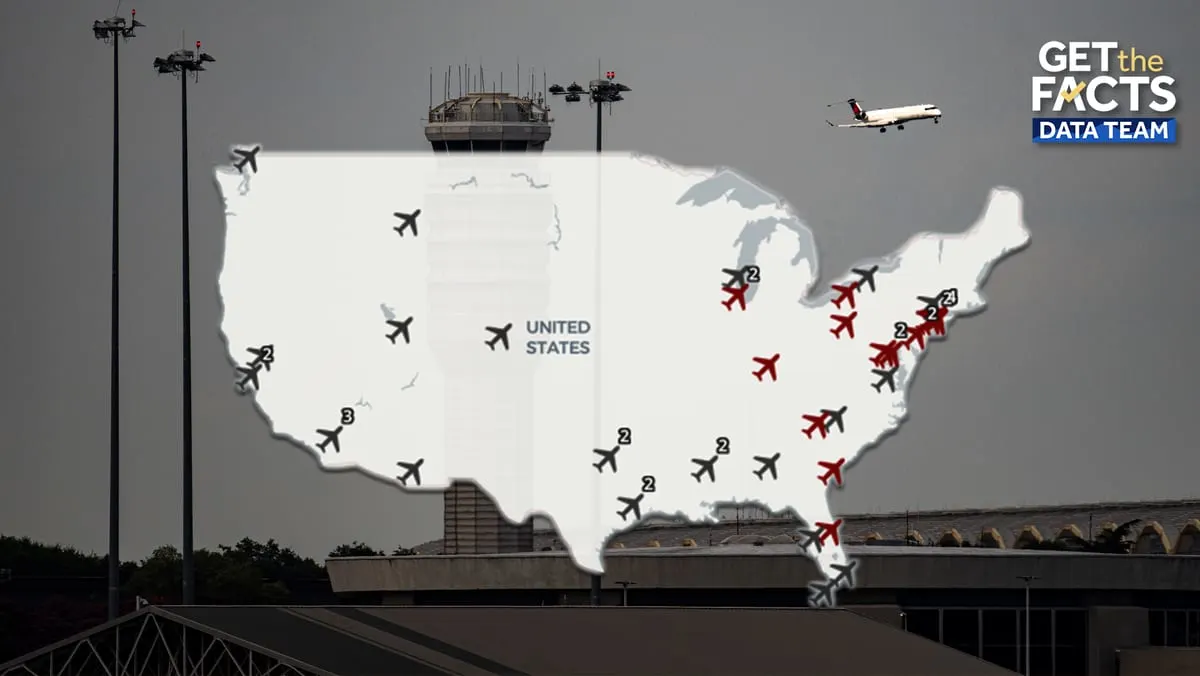
NTSB Safety Recommendations Lag Amid 6 Monthly Near-Misses
Approximately 6 near-miss incidents occur monthly at U.S. airports as 270 NTSB safety recommendations remain unaddressed by federal regulators.
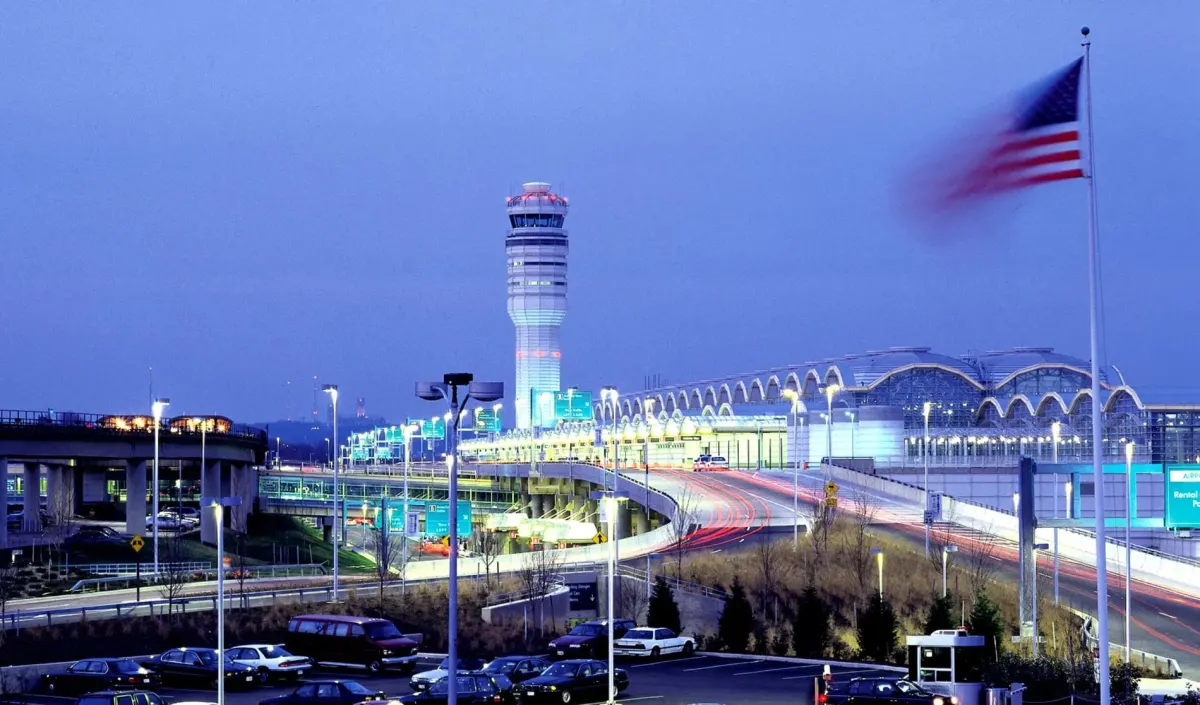
NTSB Rejects FAA Safety Responses After 67-Fatality Crash
The NTSB labeled 11 FAA responses to 2025 DCA mid-air collision recommendations as unacceptable, citing the lack of a mandatory ADS-B In requirement.
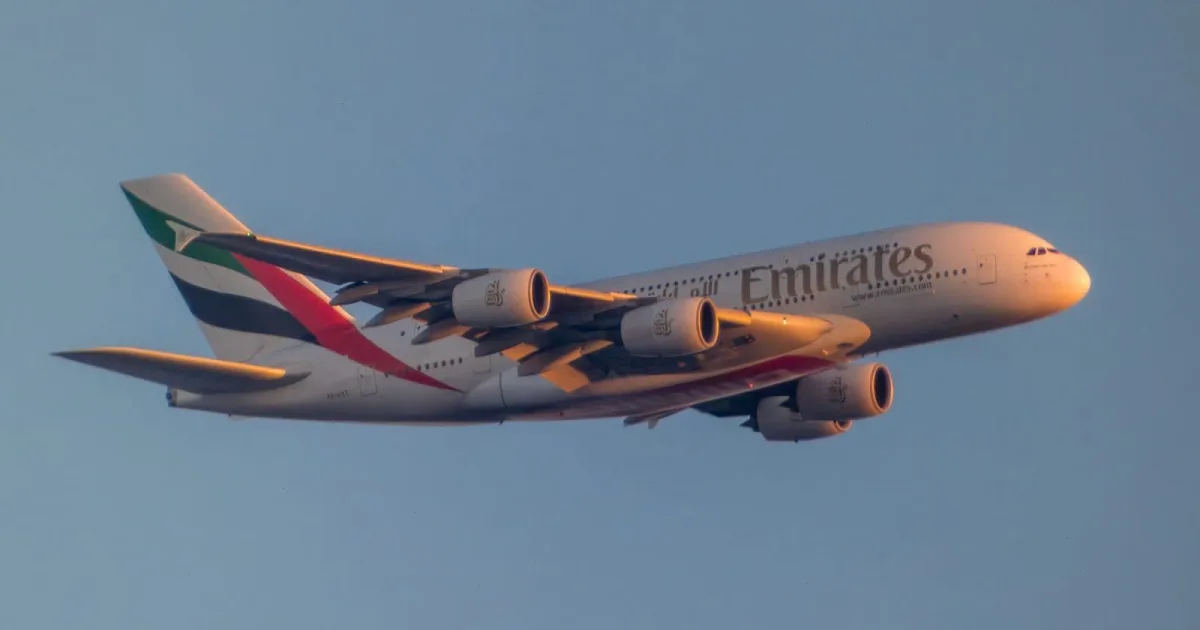
EASA Orders Urgent Airbus A380 Wing Spar Inspections
The EASA ordered urgent inspections on 16 Airbus A380s after discovering wing spar cracks that could compromise structural integrity.
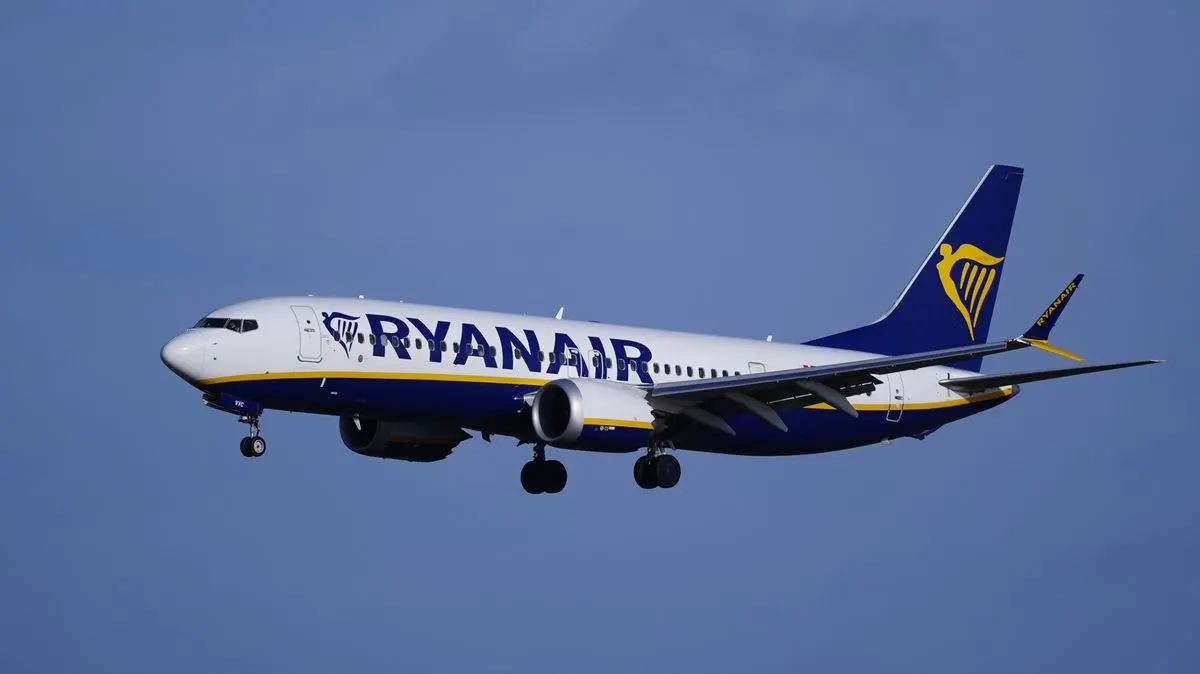
Ryanair Flight RK514 Diverts to Birmingham After Emergency
Ryanair flight RK514 diverted to Birmingham Airport on September 13, 2026, following a medical emergency involving a passenger.