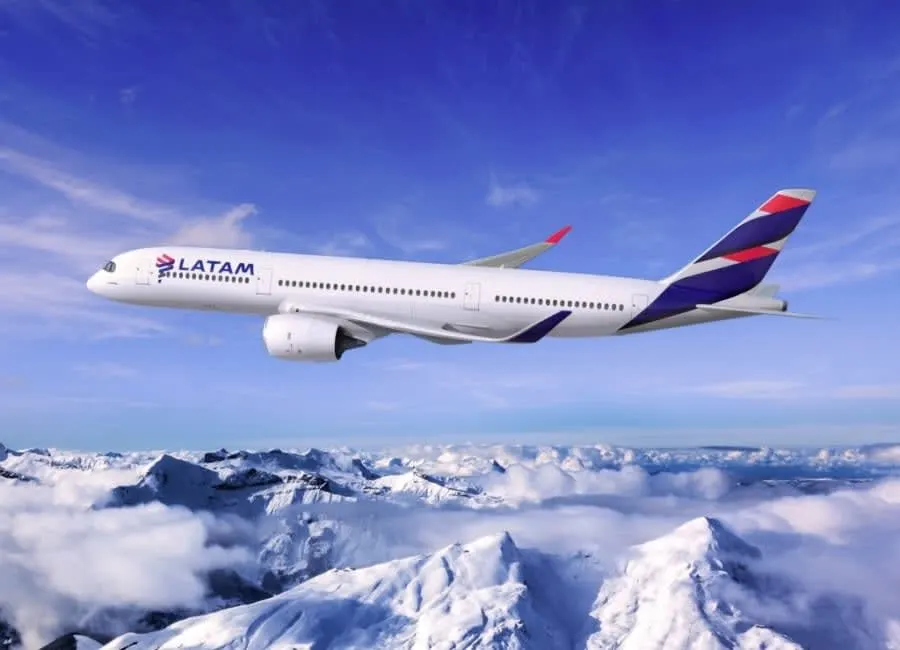
Denmark Launches First Domestic Flight Using Sustainable Aviation Fuel


Denmark has launched its first domestic flight using sustainable aviation fuel, a key step toward its 2030 goal of fossil-fuel-free domestic aviation.
Key Takeaways
- •Launched Denmark's first domestic flight using a ~40% Sustainable Aviation Fuel (SAF) blend.
- •Advances the national goal of making all domestic flights 100% fossil-fuel-free by 2030.
- •Supported by an 800 million kroner government fund and a national eco-tax on air travel.
- •Expected to reduce annual CO2 emissions by 3,000 tonnes on the Aalborg-Copenhagen route.
Denmark has taken a significant step toward its ambitious aviation decarbonization goals with the launch of its first domestic flight partially powered by Sustainable Aviation Fuel (SAF). The flight, operated by Norwegian Air Shuttle, traveled between Aalborg (AAL) and Copenhagen (CPH) using a fuel blend containing approximately 40% SAF. This inaugural flight marks a critical milestone in the country's plan to make all domestic air travel entirely fossil-fuel-free by 2030.
The initiative is a practical application of a national strategy first announced in 2022 and formalized through a government agreement in late 2023. The use of SAF on this specific route is projected to reduce Carbon Dioxide (CO2) emissions by an estimated 3,000 tonnes annually, according to Norwegian Air Shuttle. This development showcases a government-led model for accelerating the adoption of alternative fuels, which are considered essential for the aviation industry to meet its long-term climate targets.
National Strategy and Financial Backing
Denmark's 2030 target is one of the most aggressive in Europe and is supported by a comprehensive financial and regulatory framework. The Danish government has allocated 800 million kroner (approximately $125 million) for its green aviation plan for the period between 2025 and 2029. This funding is designed to bridge the significant cost gap between SAF and conventional jet fuel.
A key component of this framework is the Danish Eco-Tax on plane tickets, which was introduced in December 2023. Revenue generated from this tax is directly channeled into funding the green transition within the domestic aviation sector. This includes subsidizing the higher procurement costs of SAF, making routes like Aalborg to Copenhagen commercially viable for operators like Norwegian without passing the full cost burden onto passengers. According to industry analysis, SAF can cost between two and eight times more than traditional jet A fuel, making government support crucial for widespread adoption.
In a statement, Geir Karlsen, CEO of Norwegian, highlighted the importance of this collaborative approach. "It's important to us that we take part in the transition supported by the Danish government," Karlsen said. "The infrastructure is there in Aalborg and the way the Danish government is helping out is a good incentive."
Regulatory Context and EU Mandates
While Denmark's domestic goal is highly ambitious, it aligns with broader trends across the European Union (EU). The EU's ReFuelEU Aviation initiative establishes a bloc-wide mandate for increasing SAF usage. Under this regulation, aviation fuel suppliers at EU airports must blend a minimum of 2% SAF starting in 2025. This requirement will increase incrementally, reaching 70% by 2050.
Denmark's national policy effectively accelerates this timeline for its internal flights, positioning the country as a leader in aviation decarbonization. The flight's 40% SAF blend significantly exceeds the initial EU requirement and approaches the current maximum certified limit of 50% SAF for commercial aircraft. Current SAFs are classified as 'drop-in' fuels, meaning they are chemically compatible with existing aircraft engines and airport refueling infrastructure, which eliminates the need for costly equipment overhauls and facilitates a more rapid transition.
What Comes Next
The successful operation of the first SAF-powered domestic flight serves as a proof-of-concept for Denmark's strategy. The next steps will involve scaling up SAF availability and ensuring a stable supply chain to support more routes. The government's financial support and the eco-tax mechanism will be critical in creating a sustainable market for these alternative fuels.
As the 2030 deadline approaches, the focus will likely shift from single routes to a network-wide transition for all domestic flights. The primary challenge remains the global production capacity of SAF, which is currently a fraction of the total jet fuel demand. Expanding production from renewable or waste-derived sources is essential to meet the targets set by both Denmark and the wider EU. The International Civil Aviation Organization (ICAO) and the European Union Aviation Safety Agency (EASA) will continue to play key roles in standardizing SAF certification and reporting to ensure a safe and transparent transition.
Why This Matters
This development in Denmark provides a tangible blueprint for how national governments can actively accelerate the aviation industry's green transition. By combining ambitious targets with dedicated funding mechanisms and public-private partnerships, the initiative addresses the primary economic barriers to SAF adoption. For the broader aviation industry, it demonstrates a viable pathway to decarbonization that moves beyond voluntary commitments to regulatory and financially supported action, signaling a more aggressive push toward net-zero emissions.
For global airline trends and commercial aviation news, turn to omniflights.com. For detailed airline coverage, route changes, and fleet moves, explore the Airlines section at omniflights.com/airlines.

Written by Ujjwal Sukhwani
Aviation News Editor & Industry Analyst delivering clear coverage for a worldwide audience. Covers flight operations, safety regulations, and market trends with expert analysis.
Visit ProfileYou Might Also Like

American Airlines Flies First U.S. eSAF Passenger Flight
Akasa Air Partners with BPCL to Advance SAF in India

Delta, Shell Aviation Ink 5-Year SAF Supply Agreement
Indonesia to Mandate 1% SAF Blend for Flights by 2027
Gulfstream G800 Completes 100% SAF High-Altitude Emissions Test