Delta Flight 56 Lawsuit Follows Severe Turbulence Injuries

Co-Founder & CEOAviation News Editor delivering trusted coverage across the global aviation industry.
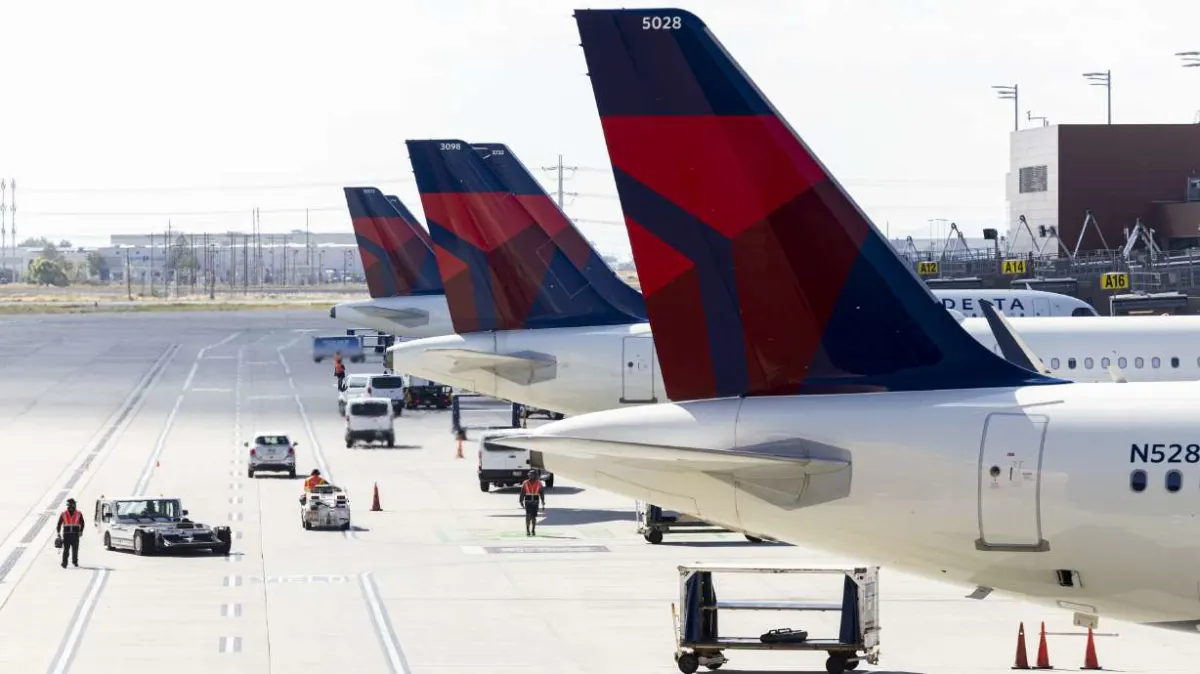
Twenty passengers are suing Delta after severe turbulence on a flight from Salt Lake City to Amsterdam injured 25 people last year.
Key Takeaways
- •20 passengers filed a lawsuit against Delta regarding severe turbulence injuries.
- •NTSB data confirms 2.5 minutes of severe turbulence and 1.75 g acceleration.
- •25 individuals were hospitalized following the emergency diversion to Minneapolis.
- •Plaintiffs allege the crew ignored weather warnings and left seatbelts off.
Delta Flight 56 Lawsuit and Allegations
Delta Flight 56 lawsuit filings have emerged in Utah's 3rd District Court, where 20 passengers are seeking damages following a severe in-flight turbulence encounter. The plaintiffs, represented by the Aviation Law Group, allege that the flight crew failed to properly utilize available convective weather forecasts while operating the Airbus A330-900 from Salt Lake City International Airport (SLC) to Amsterdam Airport Schiphol (AMS) on July 30, 2025. Delta Flight 56 Lawsuit Alleges Aircraft Flew Into Known Convective Weather With Seatbelt Sign Off. According to the legal complaint, the flight proceeded through areas identified by Significant Meteorological Information (SIGMET) advisories without taking sufficient evasive action.
NTSB Turbulence Data and Incident Details
The NTSB (National Transportation Safety Board) turbulence report (DCA25LA276) provides technical confirmation of the event, documenting a 2.5-minute period of extreme atmospheric upset. During this encounter, the aircraft experienced vertical accelerations peaking at 1.75 g and dropping to -0.5 g, while roll swings reached 40 degrees. The data confirms the autopilot disengaged during the event, which occurred over Wyoming. Following the incident, the aircraft diverted to Minneapolis-St. Paul International Airport (MSP), where 25 individuals were transported to local hospitals for evaluation and care.
Aviation Litigation and Regulatory Context
The lawsuit centers on the application of the Montreal Convention, which governs airline liability for international passenger injuries. Plaintiffs argue that 14 CFR Part 121 operating requirements, which dictate standards for dispatch and weather avoidance, were violated. Casey DuBose, an attorney at the Aviation Law Group, stated that the airline possessed the tools and warnings to avoid the weather but chose to disregard them. This case follows a broader industry trend where passengers are increasingly litigating against airlines for negligence in cases involving severe turbulence, particularly when the seatbelt sign is not illuminated prior to encountering convective activity.
Historical Precedents and Industry Trends
This incident is comparable to the December 2022 Hawaiian Airlines Flight 35 event, where the NTSB determined the crew failed to avoid known hazardous weather. That precedent resulted in multiple lawsuits and established a pattern of legal scrutiny regarding flight path decisions near convective cells. While industry defense attorneys often argue that turbulence can develop rapidly and unpredictably, the rising frequency of such encounters has led to increased investment in predictive weather tools and stricter internal guidelines for pilots and dispatchers regarding weather deviation requests.
Inside the Turbulence Upset
The data from the NTSB suggests that the flight's encounter with severe convective weather was a critical point of failure. The transition from stable cruise to a 2.5-minute upset indicates a rapid departure from safe flight parameters. As climate patterns shift, the industry is seeing a higher frequency of turbulence encounters, which forces a re-evaluation of how flight crews interpret SIGMET data. The legal outcome of this case may set a new standard for how airlines are held accountable for weather-related decision-making under the Montreal Convention.
What Comes Next for Delta Flight 56
Legal proceedings in Utah's 3rd District Court are expected to continue throughout 2026 as both parties exchange discovery materials. The NTSB is expected to release its final accident report on the event, potentially between late 2026 and 2027, which will provide the definitive investigative record of the flight path and crew actions. Delta Air Lines faces ongoing financial liability exposure and potential reputational impacts as the court evaluates whether the crew's actions met the standard of care required under international aviation law.
Frequently Asked Questions
- What caused the turbulence on Delta Flight 56?
- The NTSB confirmed the Airbus A330-900 encountered severe convective weather over Wyoming on July 30, 2025. This resulted in a 2.5-minute upset with significant vertical accelerations and roll swings.
- How many passengers were injured on the Delta flight?
- Following the diversion to Minneapolis-St. Paul, 25 individuals onboard were transported to local hospitals for medical evaluation and care.
From airline operations to fleet updates, commercial aviation news lives at omniflights.com. For reporting on UAP sightings, investigations, and aviation-related encounters, see the UAPs section at omniflights.com/uaps.
Written by Hardik Vishwakarma
Co-Founder & Aviation News Editor leading initiatives that improve trust and visibility across the global aviation industry. Covers airlines, airports, safety, and emerging technology.
Visit ProfileYou Might Also Like
Discover more aviation news based on similar topics

Families Demand DCA Midair Collision Safety Reforms
Families of 67 victims from the 2025 DCA midair collision are pressing Congress for mandatory ADS-B In technology to prevent future aviation tragedies.
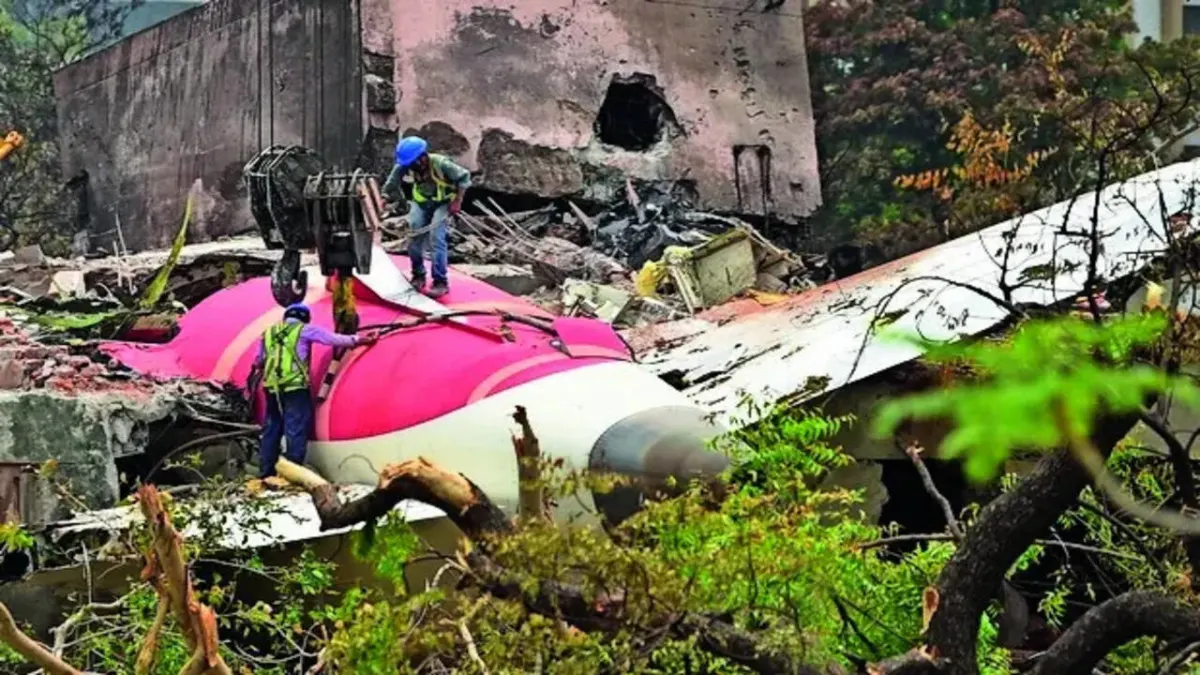
FAS Challenges AAIB Over Boeing 787 Safety Data
The Foundation for Aviation Safety is urging the AAIB to issue safety warnings for the Boeing 787 fleet following the fatal Air India 171 crash.
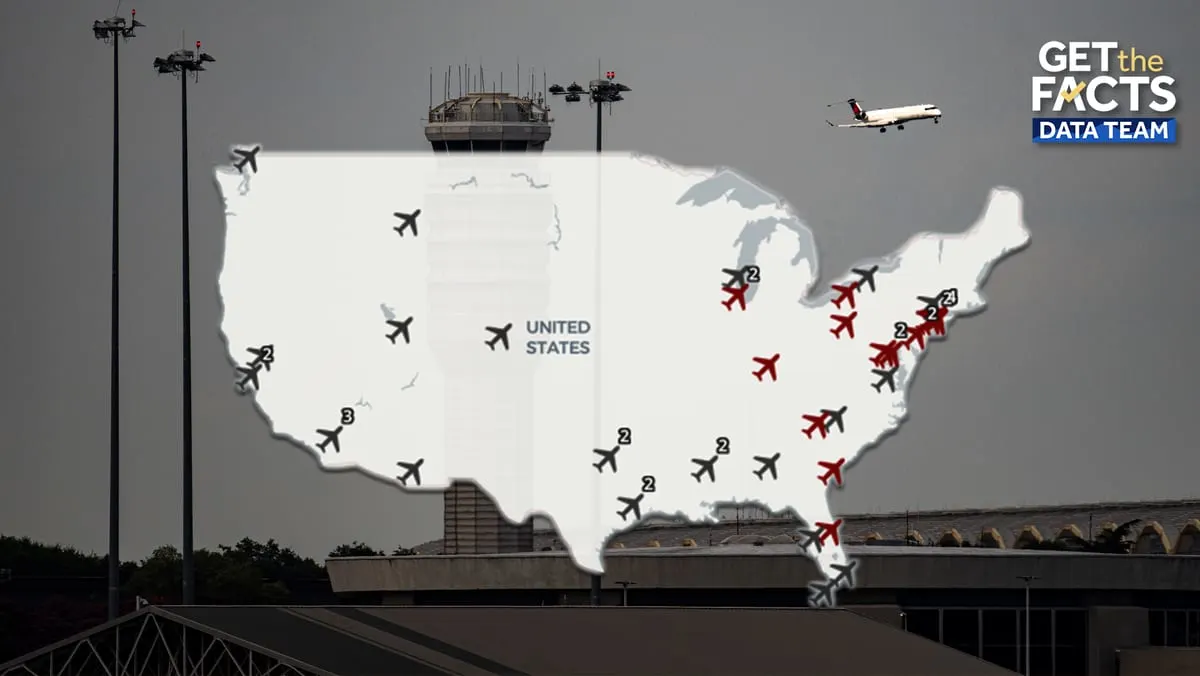
NTSB Safety Recommendations Lag Amid 6 Monthly Near-Misses
Approximately 6 near-miss incidents occur monthly at U.S. airports as 270 NTSB safety recommendations remain unaddressed by federal regulators.
NTSB Rejects FAA Safety Responses After 67-Fatality Crash
The NTSB labeled 11 FAA responses to 2025 DCA mid-air collision recommendations as unacceptable, citing the lack of a mandatory ADS-B In requirement.
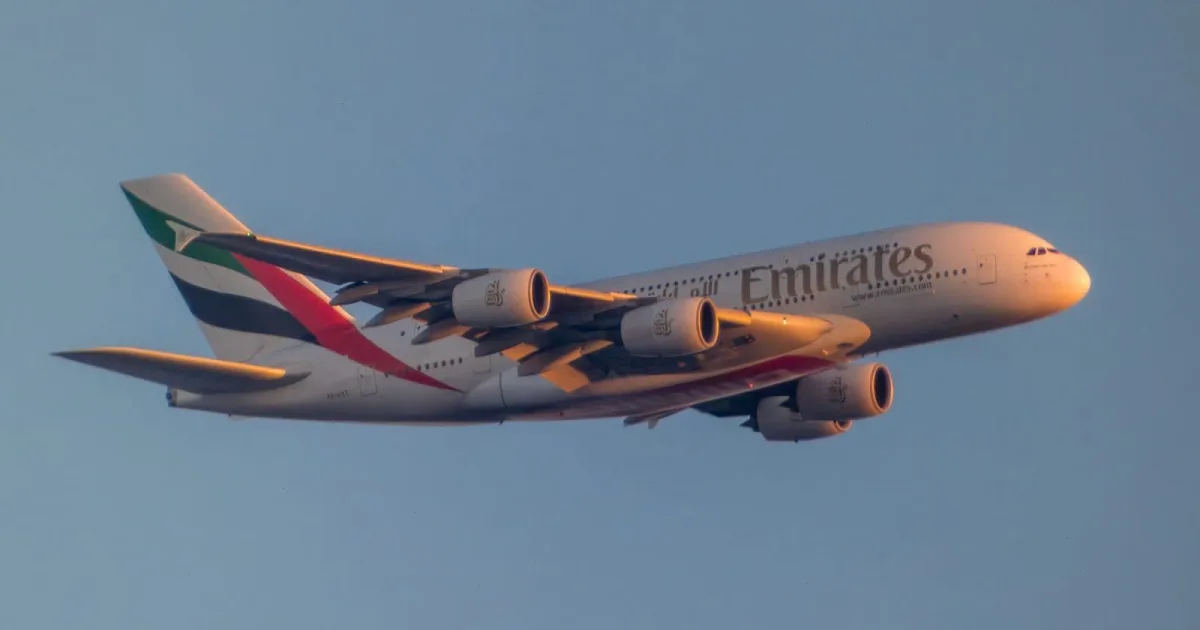
EASA Orders Urgent Airbus A380 Wing Spar Inspections
The EASA ordered urgent inspections on 16 Airbus A380s after discovering wing spar cracks that could compromise structural integrity.
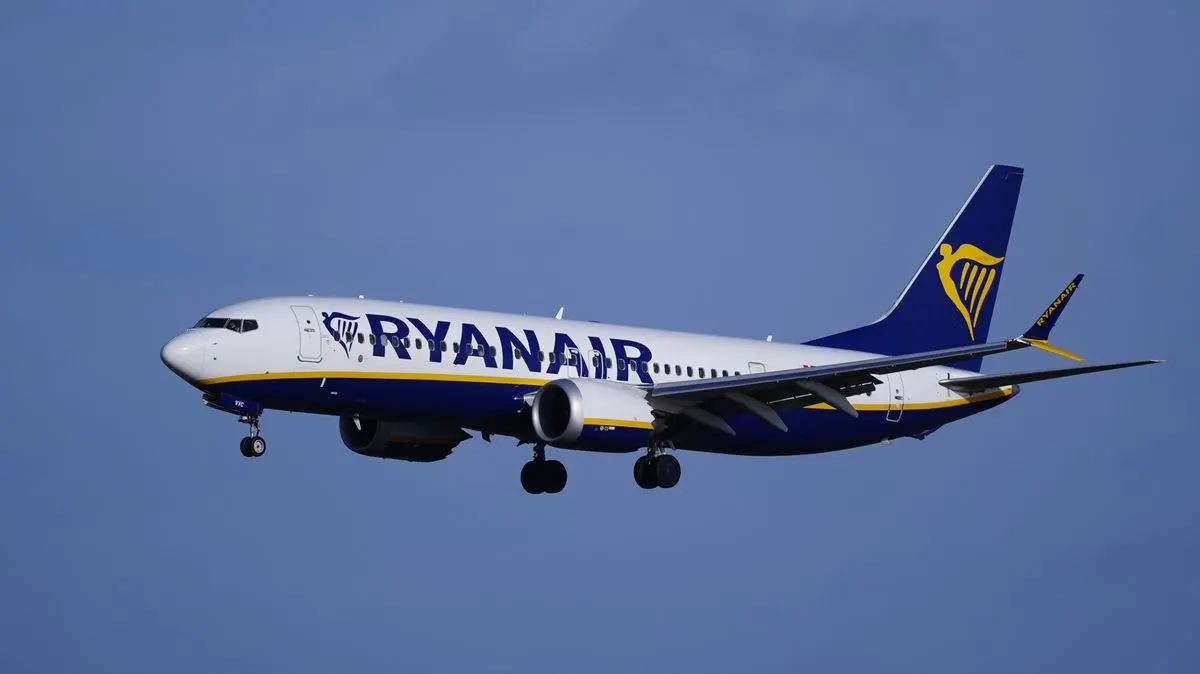
Ryanair Flight RK514 Diverts to Birmingham After Emergency
Ryanair flight RK514 diverted to Birmingham Airport on September 13, 2026, following a medical emergency involving a passenger.