Delta Extends ATL Travel Waiver Amid Severe TSA Delays from Shutdown

Co-Founder & CEOAviation News Editor delivering trusted coverage across the global aviation industry.

Delta Air Lines extends its travel waiver for Atlanta due to four-hour TSA security waits caused by a government shutdown, allowing penalty-free rebooking.
Key Takeaways
- •Extends travel waiver for Atlanta flights through March 30 due to government shutdown.
- •Cites unprecedented TSA security wait times reaching up to four hours.
- •Follows TSA reports of 40-50% officer call-out rates and nearly 500 resignations nationwide.
- •Allows passengers to rebook affected travel through April 6 without penalty.
A partial U.S. government shutdown has crippled security operations at the world's busiest airport, prompting Delta Air Lines to extend a travel waiver for passengers flying through its primary hub. The airline is now allowing customers ticketed through Hartsfield-Jackson Atlanta International Airport (ATL) until March 30 to change their flights without penalty amid reports of Transportation Security Administration (TSA) security lines reaching up to four hours. This disruption highlights the direct impact of federal funding standoffs on critical aviation infrastructure and airline operations.
The severe TSA wait times in Atlanta are a direct consequence of the shutdown, which has left thousands of essential security personnel unpaid for over five weeks. The operational strain has forced Delta to expand its initial waiver, which covered only March 23-24, through March 30, with a rebooking window extending to April 6. This move represents a significant airline response to a non-weather event, underscoring the severity of the government-induced staffing crisis. The situation at ATL, which forecasted over 86,000 travelers on a single day, has become a focal point for the shutdown's widespread impact on the national airspace system.
Operational Meltdown at a Global Hub
The crisis stems from severe understaffing within the TSA. According to congressional testimony from Acting Administrator Ha Nguyen McNeill, multiple airports are experiencing TSA officer call-out rates between 40% and 50%. The financial strain on unpaid federal employees has led to nearly 500 TSA officers quitting nationwide, further depleting the agency's workforce. Atlanta Airport General Manager Ricky Smith described the situation as unsustainable, stating that the airport "wasn't designed for what we're experiencing" and warning that the remaining staff cannot continue indefinitely without compensation.
The impact extends beyond just Delta and the TSA. The extreme congestion strains all airport resources and affects passengers on all airlines operating from ATL. In response to the staffing shortage, Immigration and Customs Enforcement (ICE) agents have reportedly been tasked with some TSA duties, such as ID checks. This has created a secondary impact, with some reports suggesting immigrant communities now view the airport as a 'no-fly zone' due to the heightened federal law enforcement presence.
Historical Parallels and Industry Response
This situation is not without precedent. In 2018-2019, a similar United States federal government shutdown also resulted in unpaid TSA agents, high call-out rates, and massive security lines nationwide. That shutdown, which lasted 35 days, ended shortly after severe air traffic control shortages caused ground stops at major airports, including New York's LaGuardia Airport (LGA), demonstrating the aviation industry's critical vulnerability to federal workforce disruptions. The current crisis at ATL appears to be following a similar trajectory, where operational breaking points force a political resolution.
In response, Delta has deployed corporate staff to assist with line management and passenger communication at ATL. However, as spokesperson Morgan Durrant noted, an airline's ability to absorb such external shocks is limited, emphasizing that "safety, timing and placement are everything for an airline." While hubs like Boston Logan International Airport (BOS) and Detroit Metropolitan Wayne County Airport (DTW) have maintained reasonable wait times, the collapse at a cornerstone hub like ATL threatens to create cascading delays across the carrier's entire network.
Alternative solutions are being debated amid the crisis. The Competitive Enterprise Institute has used the event to argue for the privatization of airport security, suggesting it would insulate screening operations from federal budget battles. Meanwhile, consumer advocates are highlighting gaps in passenger protection. According to Allianz Travel Insurance, standard travel insurance policies typically do not cover missed flights due to long security lines, leaving passengers almost entirely dependent on airline-issued waivers for recourse.
What Comes Next
The immediate future of operations at ATL remains uncertain and is contingent on a resolution to the federal government shutdown. For passengers, the most critical date is April 6, 2026, which is the final day Delta has confirmed for penalty-free rebooking of flights affected by the waiver period ending March 30.
Looking further ahead, the financial and operational impact of the disruption is expected to be a key topic during Delta's Q1 2026 Earnings Call, which is anticipated in April 2026. Airline executives will likely provide data on the costs associated with the waivers, flight disruptions, and additional staffing measures deployed at ATL.
Why This Matters
This episode demonstrates how political gridlock in Washington can directly compromise the U.S. aviation system's safety and efficiency. The breakdown at the world's busiest airport serves as a stark reminder that the nation's air travel infrastructure relies on a federal workforce that is vulnerable to funding disputes. For airlines and passengers, it introduces significant operational and financial uncertainty that cannot be mitigated by standard airline or airport contingency planning.
omniflights.com provides comprehensive commercial aviation news covering airlines, aircraft, and airports. Get the latest updates on major hubs, regional terminals, and airport operations via the Airports section at omniflights.com/airports.
Written by Hardik Vishwakarma
Co-Founder & Aviation News Editor leading initiatives that improve trust and visibility across the global aviation industry. Covers airlines, airports, safety, and emerging technology.
Visit ProfileYou Might Also Like
Discover more aviation news based on similar topics
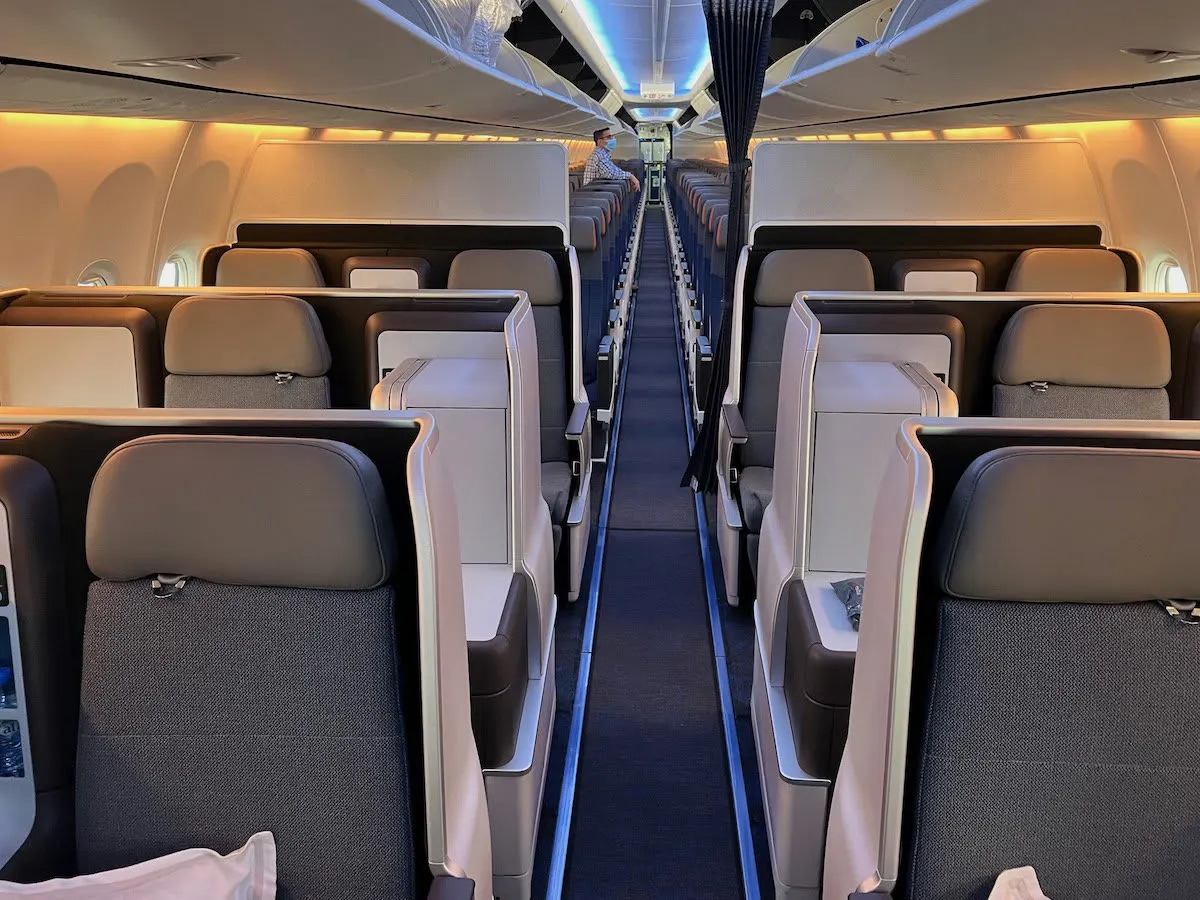
Flydubai Upgrading 21 Boeing 737 MAX 8s to Flat Bed Seats
Flydubai is retrofitting 21 Boeing 737 MAX 8 aircraft with lie-flat business class seats to standardize its premium product by late 2027.
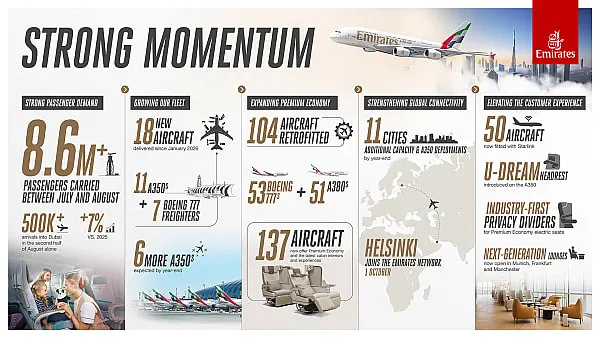
Emirates Winter Booking Momentum Grows Amid Fleet Expansion
Emirates carried 8.6 million passengers this summer and enters winter with strong demand as it accelerates fleet retrofits and network growth.
Air Arabia Consortium Gains AOC for New Dammam Budget Airline
A Saudi GACA-led consortium including Air Arabia has secured an AOC to launch a new budget airline based at Dammam's King Fahd International Airport.
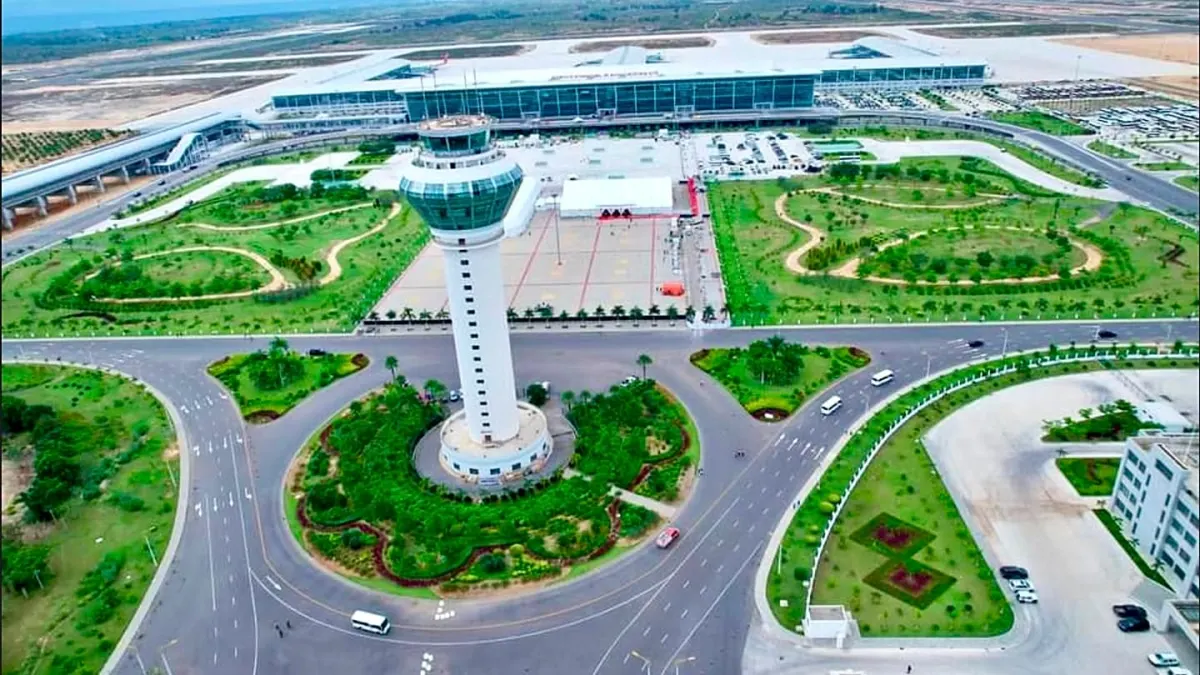
Turkish Airlines Exits Luanda as Angola Hub Struggles
Turkish Airlines dropped its Luanda route as Angola's new airport struggles to attract traffic, handling only 756,028 passengers in 2025.

Red Sea Airlines Leases Two 737 MAX 8s for 2027 Expansion
Red Sea Airlines signed a lease for two Boeing 737 MAX 8 aircraft from SMBC Aviation Capital, arriving in 2027 to support its 14-aircraft fleet goal.
Avelo CEO Warns Airfares May Rise on Jet Fuel Price Spikes
Avelo Airlines CEO Andrew Levy warns that rising fuel costs may force fare increases as global jet fuel prices reach $171.01 per barrel.