Delta A330 Suffers Engine Fire, Forces São Paulo Runway Closure

Co-Founder & CEOAviation News Editor delivering trusted coverage across the global aviation industry.

A Delta A330 engine fire after takeoff from São Paulo forced an emergency return and caused major airport delays due to runway debris.
Key Takeaways
- •Experienced an uncontained engine failure 10 minutes after takeoff from São Paulo.
- •Forced the closure of the only active runway at GRU, delaying 145 flights and canceling 16.
- •Returned safely with 288 people onboard; CENIPA is investigating the cause.
- •Draws parallels to the 2021 United Flight 328 incident involving a PW4000 engine.
A Delta Air Lines Airbus A330-300 experienced a significant engine failure and fire shortly after takeoff from São Paulo on March 29, forcing an immediate emergency landing and scattering debris that closed the airport's only active runway.
The incident involving flight DL104 to Atlanta prompted the temporary closure of Guarulhos International Airport (GRU), leading to 16 outbound flight cancellations (4%) and 145 delays (38%), according to FlightAware data. The disruption was amplified because the airport's parallel runway was already out of service for scheduled maintenance, highlighting the vulnerability of major hubs during single-runway operations. All 288 people on board, including 272 passengers and 14 crew members, returned safely.
Incident Details and Investigation
The aircraft, registration N813NW, was airborne for just 10 minutes, reaching a maximum altitude of 4,500 feet before returning to GRU, as confirmed by Flightradar24 ADS-B data. Air Traffic Control audio recorded controllers alerting the crew moments after rotation, stating, "Delta, you have fire on your wing," which prompted an expedited return. Upon landing, the aircraft was met by Aircraft Rescue and Firefighting (ARFF) emergency services as a standard precaution. Debris from the engine caused a small grass fire adjacent to the runway, which was quickly extinguished.
Brazil's Aeronautical Accidents Investigation and Prevention Center (CENIPA) has launched a formal inquiry into the event. The investigation will focus on the left Pratt & Whitney PW4168A engine to determine the cause of the uncontained failure. Investigators will examine potential factors including bird strike, Foreign Object Debris (FOD) ingested during takeoff, or an underlying mechanical flaw within the engine's components.
Stakeholder and Operational Impact
The most significant impact was on operations at Guarulhos International Airport, South America's busiest hub for international traffic. With runway 10R/28L already closed for maintenance, the debris on runway 10L forced a complete suspension of all takeoffs and landings, creating a major operational bottleneck.
For Delta Air Lines, the 19.3-year-old aircraft, originally delivered to Northwest Airlines in 2006, is now grounded in São Paulo pending extensive inspection and engine replacement. The airline also faced the immediate cost and logistical challenge of rebooking 288 passengers and crew to their final destinations. For engine manufacturer Pratt & Whitney, a subsidiary of RTX Corporation, the incident brings potential regulatory scrutiny to its PW4000-100 engine series, depending on CENIPA's findings.
Historical Context and Technical Analysis
This event recalls the high-profile February 2021 uncontained engine failure of United Airlines Flight 328, a Boeing 777 also powered by a Pratt & Whitney PW4000 series engine. That incident, which scattered debris over a Denver suburb, led to the temporary grounding of the PW4000-112 powered 777 fleet and prompted the Federal Aviation Administration to issue airworthiness directives for redesigned engine cowlings.
More recently, in January 2025, another Delta flight on the Atlanta-São Paulo route experienced an engine fire, although that involved a newer A330-900neo with different engines. The recurrence of such an event on the same route highlights the intense operational tempo and stresses on long-haul aircraft.
Technical Analysis
The failure aboard flight DL104 underscores two critical issues in modern aviation: the long-term reliability of mature, high-bypass turbofan engines and the operational fragility of key international airports. While the PW4000 family has a long and generally reliable service history, high-profile uncontained failures like this and the United 328 event inevitably trigger regulatory reviews to identify any potential systemic issues or necessary updates to maintenance protocols. The incident at GRU serves as a case study in how the lack of runway redundancy can transform a single aircraft's technical problem into a system-wide network disruption, with consequences far beyond the flight involved.
What Comes Next
CENIPA is expected to release a preliminary report on the incident in April 2026. The findings in that report will be crucial in determining whether any immediate safety or maintenance recommendations are issued for operators of A330s equipped with the PW4168A engine. The full investigation to determine a final probable cause may take over a year to complete.
Why This Matters
Beyond the immediate safety success of the crew's handling, this incident is significant for airport operators and engine manufacturers. It demonstrates how infrastructure limitations, such as scheduled runway maintenance, can dramatically escalate the consequences of a technical failure, turning a containable event into a major logistical breakdown. For the industry, it reinforces the ongoing need for rigorous inspection protocols for aging engine fleets to ensure they continue to operate at the highest levels of safety.
omniflights.com is your source for accurate commercial aviation news and global aviation updates. Follow aviation sustainability efforts, emissions research, and green initiatives in the Environmental section at omniflights.com/environmental.
Written by Hardik Vishwakarma
Co-Founder & Aviation News Editor leading initiatives that improve trust and visibility across the global aviation industry. Covers airlines, airports, safety, and emerging technology.
Visit ProfileYou Might Also Like
Discover more aviation news based on similar topics

Families Demand DCA Midair Collision Safety Reforms
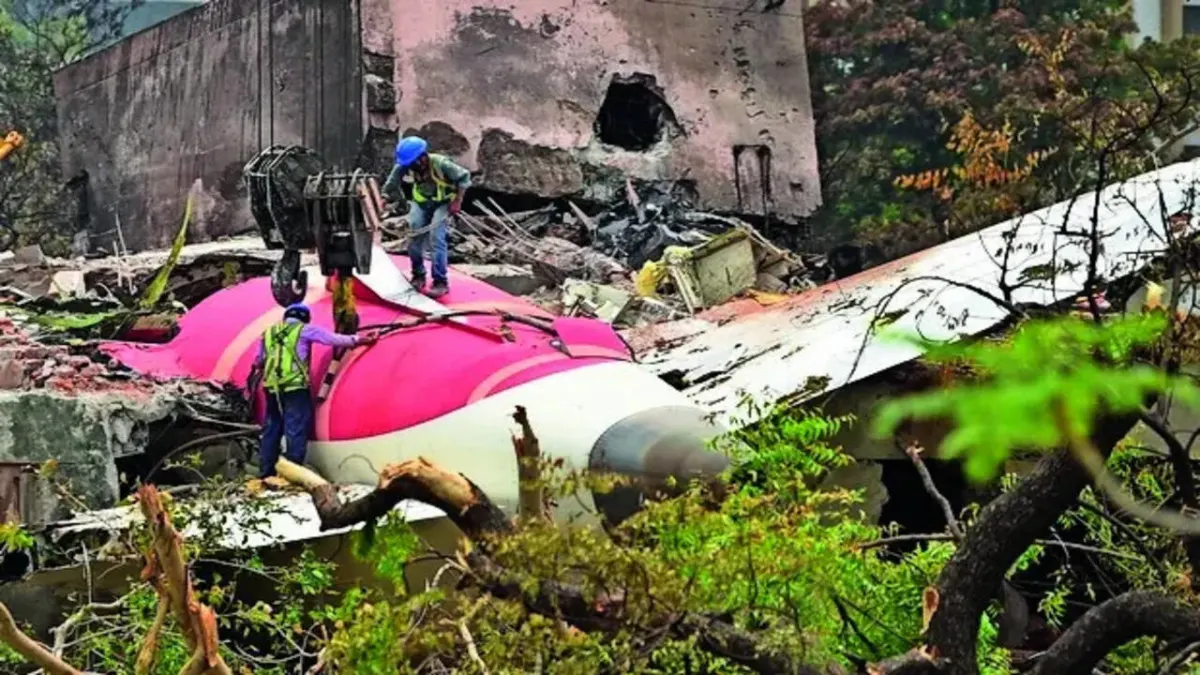
Families of 67 victims from the 2025 DCA midair collision are pressing Congress for mandatory ADS-B In technology to prevent future aviation tragedies.
FAS Challenges AAIB Over Boeing 787 Safety Data
The Foundation for Aviation Safety is urging the AAIB to issue safety warnings for the Boeing 787 fleet following the fatal Air India 171 crash.
NTSB Safety Recommendations Lag Amid 6 Monthly Near-Misses
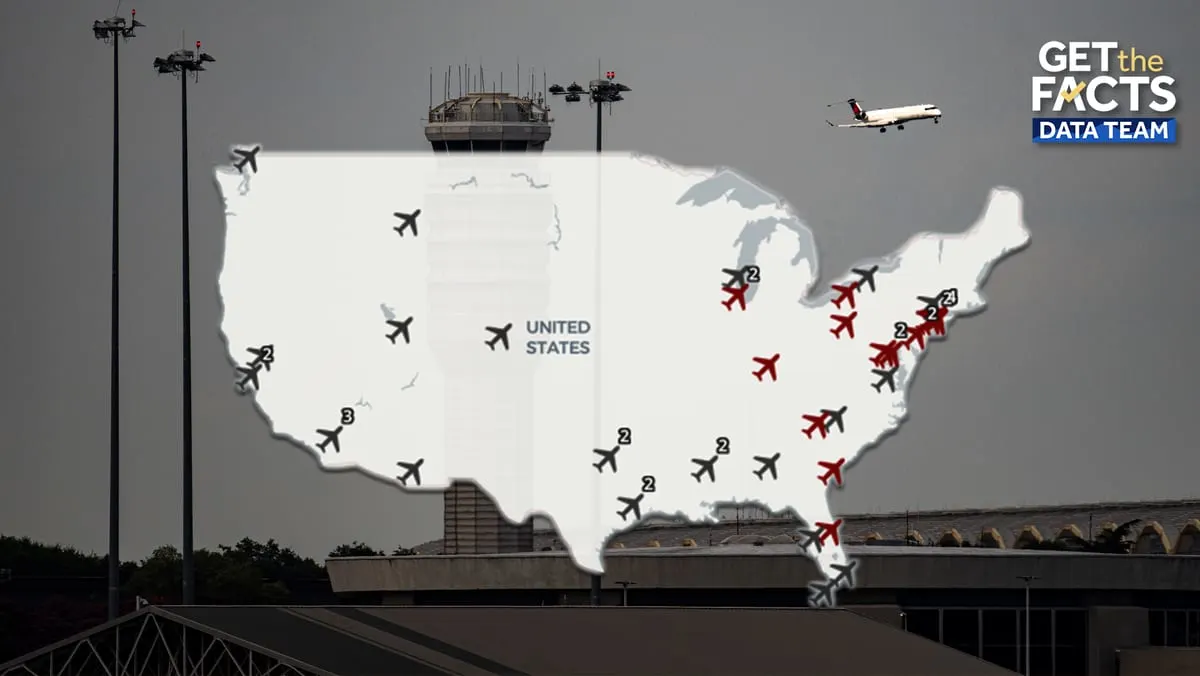
Approximately 6 near-miss incidents occur monthly at U.S. airports as 270 NTSB safety recommendations remain unaddressed by federal regulators.
NTSB Rejects FAA Safety Responses After 67-Fatality Crash
The NTSB labeled 11 FAA responses to 2025 DCA mid-air collision recommendations as unacceptable, citing the lack of a mandatory ADS-B In requirement.
EASA Orders Urgent Airbus A380 Wing Spar Inspections
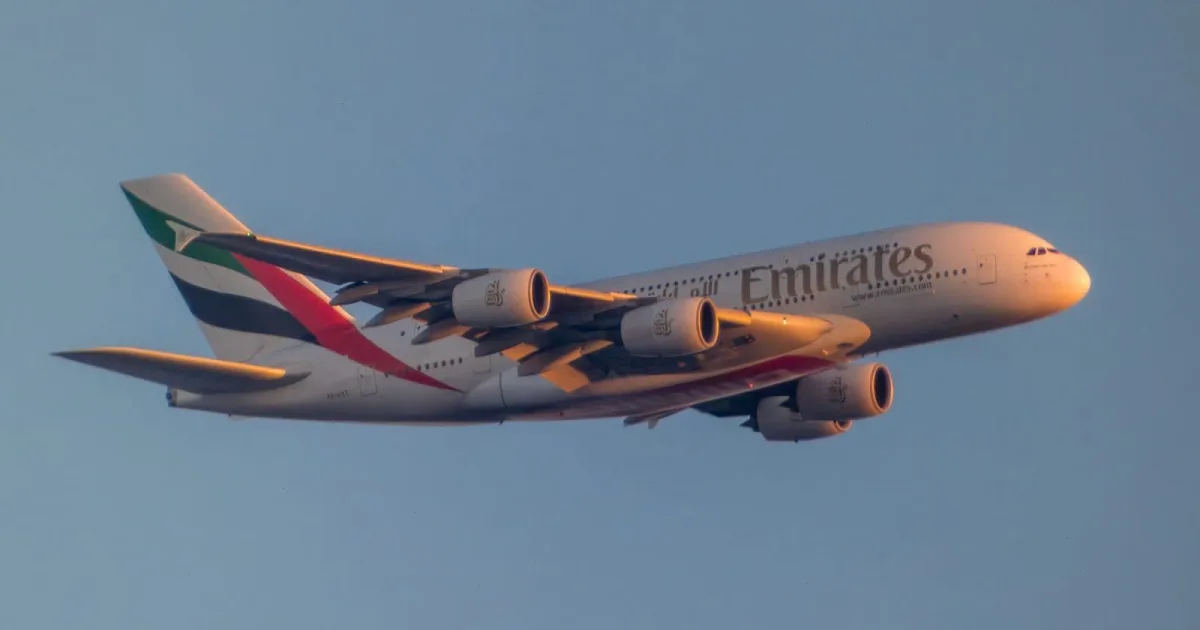
The EASA ordered urgent inspections on 16 Airbus A380s after discovering wing spar cracks that could compromise structural integrity.
Ryanair Flight RK514 Diverts to Birmingham After Emergency
Ryanair flight RK514 diverted to Birmingham Airport on September 13, 2026, following a medical emergency involving a passenger.