DAC Clears ₹52,000 Crore for HAPS and Drone Systems

Co-Founder & CEOAviation News Editor delivering trusted coverage across the global aviation industry.

The Defence Acquisition Council approved ₹52,000 crore for indigenous defence projects including HAPS and drone systems following Operation Sindoor.
Key Takeaways
- •DAC approved ₹52,000 crore for indigenous defence procurement projects.
- •Indian Air Force to deploy solar-powered High Altitude Pseudo Satellites.
- •T-90 tank fleet to receive ₹9,000 crore active protection upgrade.
- •Order prioritizes jet-based Kamikaze drones and electronic warfare systems.
Strategic Procurement Drive
The Defence Acquisition Council (DAC), led by Defence Minister Rajnath Singh, has greenlit a significant capital procurement package valued at ₹52,000 crore. The Press Information Bureau (PIB) confirms that this Defence Acquisition Council (DAC) approval, which serves as the formal Acceptance of Necessity (AoN), focuses on integrating lessons learned from Operation Sindoor military engagements. The acquisition roadmap prioritizes High Altitude Pseudo Satellites (HAPS) and advanced Akash Tarang anti-UAV electronic warfare systems to bolster the Indian armed forces' asymmetric capabilities.
Enhancing Land and Air Defence
The Indian Army will receive a major upgrade to its T-90 main battle tank fleet, with a ₹9,000 crore investment allocated for the installation of active protection systems. These systems are designed to intercept anti-tank missiles and rocket-propelled grenades, significantly increasing vehicle survivability. Additionally, the DAC approved ₹2,300 crore for Man Portable Anti-Tank Guided Missile (MPATGM) systems. These indigenous weapons, developed by the Defence Research and Development Organisation (DRDO), will likely be manufactured by Bharat Dynamics Limited and private sector partners. For air defence, the Army is set to procure Medium Range Surface-to-Air Missile (MR-SAM) systems and Russian-origin Verba shoulder-fired missiles.
Asymmetric Warfare and Indigenisation
A central feature of this procurement cycle is the focus on jet-based Kamikaze drones and stratospheric surveillance platforms. The Indian Air Force (IAF) plans to deploy HAPS, which utilize solar energy to maintain persistent surveillance for weeks, bridging the operational gap between tactical drones and space-based assets. This shift toward non-kinetic warfare platforms aligns with the government's Atmanirbhar Bharat initiative, favoring domestic production over foreign imports.
Technical Analysis: The Shift to Asymmetric Platforms
The recent DAC approvals reflect a structural pivot toward asymmetric and non-kinetic warfare, a trajectory accelerated by lessons from Operation Sindoor. By prioritizing electronic warfare (EW) systems like 'Akash Tarang' and jet-based loitering munitions, the Ministry of Defence is addressing the vulnerability of conventional platforms to low-cost drone threats. This approach mirrors the post-2020 emergency procurement cycle that followed border tensions, where rapid acquisition of loitering munitions became a strategic necessity. The current focus on persistent stratospheric surveillance via HAPS indicates a long-term shift in intelligence, surveillance, and reconnaissance (ISR) strategy, moving away from high-maintenance satellite constellations toward flexible, long-endurance aerial platforms.
What Comes Next: CCS Approval and Fielding
Following the DAC's in-principle approval, the proposals must undergo final clearance from the Cabinet Committee on Security (CCS), which is expected between late 2026 and 2027. Once the CCS grants final authorization, the Ministry of Defence will move to the tendering and contract negotiation phase. The National Aerospace Laboratories (NAL) and private industry partners are expected to work toward a first flight of the full-scale HAPS system by 2027, marking a critical milestone in the IAF's modernization timeline.
Why This Matters: The Domestic Defence Read
For domestic manufacturers like Bharat Dynamics Limited and NewSpace Research and Technologies, this procurement cycle represents a substantial infusion of capital and a validation of indigenous R&D. The scale of the order—₹52,000 crore—provides the industrial base with the long-term visibility required to scale production and refine complex technologies like active protection systems and EW suites. For the armed forces, these acquisitions ensure that tactical gaps identified during recent border engagements are closed with sovereign, locally produced technology.
Frequently Asked Questions
- What are High Altitude Pseudo Satellites (HAPS)?
- HAPS are solar-powered, fixed-wing unmanned aerial vehicles that operate in the stratosphere for weeks at a time. They provide persistent surveillance and communication capabilities, bridging the gap between tactical drones and space-based satellites.
- What is the purpose of the T-90 tank upgrade?
- The ₹9,000 crore upgrade equips the Indian Army's T-90 main battle tanks with active protection systems. These systems detect and neutralize incoming threats like anti-tank missiles, rocket-propelled grenades, and drones, significantly enhancing tank survivability in battle.
- Which body approves major defence acquisitions in India?
- The Defence Acquisition Council (DAC) is the apex body responsible for clearing major capital procurements for the Indian armed forces. Their approval, known as the Acceptance of Necessity (AoN), is the mandatory first step in the procurement process.
For in-depth airline coverage and commercial aviation news, omniflights.com delivers timely industry insights. For reporting on UAP sightings, investigations, and aviation-related encounters, see the UAPs section at omniflights.com/uaps.
Written by Hardik Vishwakarma
Co-Founder & Aviation News Editor leading initiatives that improve trust and visibility across the global aviation industry. Covers airlines, airports, safety, and emerging technology.
Visit ProfileYou Might Also Like
Discover more aviation news based on similar topics
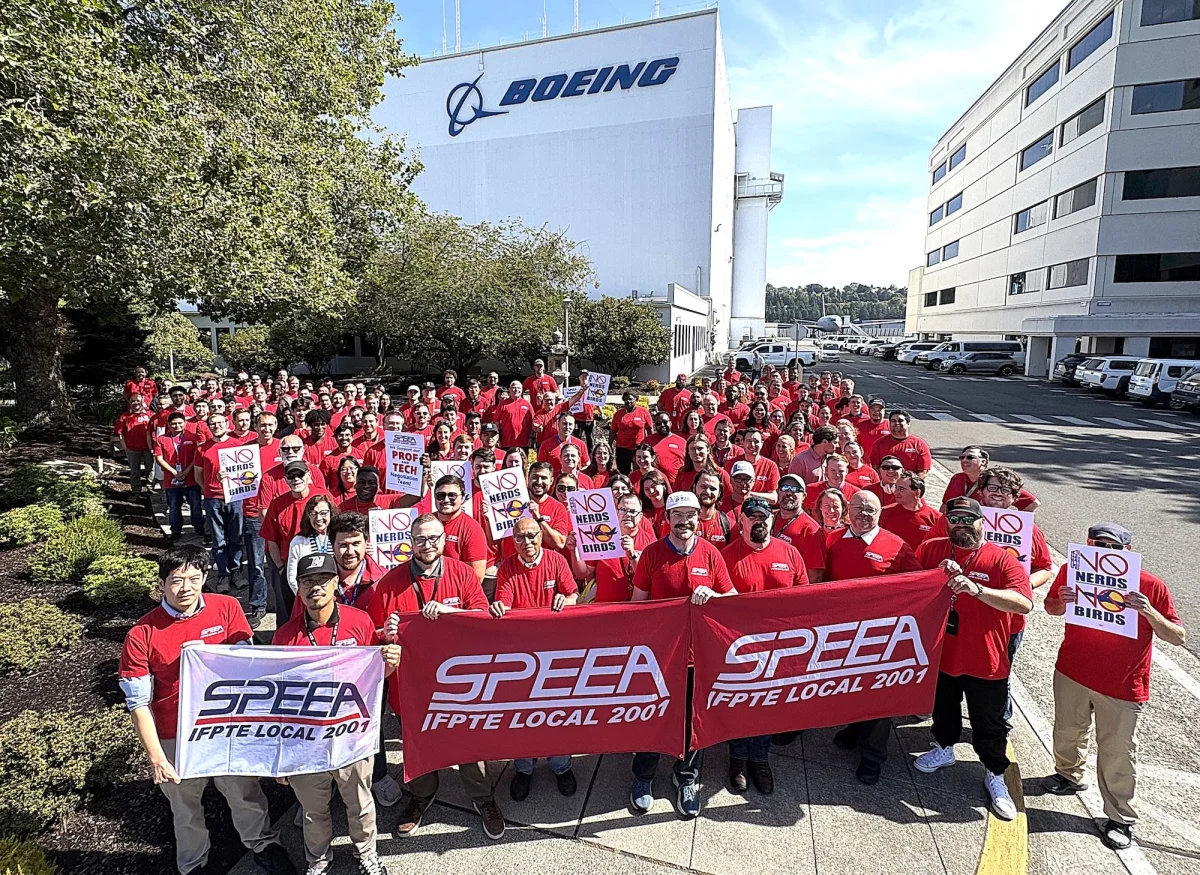
Boeing Tightens Spending Ahead of Critical SPEEA Union Vote
Boeing has implemented spending controls and a hiring freeze as it faces a critical contract ratification vote with its 17,000-member engineering union.

Boeing CEO Kelly Ortberg Warns of 777X Certification Delay
Boeing CEO Kelly Ortberg warned that a potential strike by 17,000 engineers would immediately halt the 777X certification and production programs.

American and United Plan Capacity Cuts Amid Fuel Cost Surge
American and United are trimming flight schedules to offset a $1 billion fuel cost spike while maintaining strong pricing power.
Boeing CEO Reports 737 MAX Output Stabilization Delays
Boeing CEO Kelly Ortberg reports slower 737 MAX production stabilization, prompting a downward revision in 2026 free cash flow expectations to $2 billion.

Boeing Finalizes KAL Order, Salvages Turkish Airlines Deal
Boeing secured a $36.2 billion order from Korean Air Lines for 103 aircraft and nears a resolution on a 150-jet deal with Turkish Airlines.

Airbus Forecasts 42,000 New Jets Amid Strong Global Demand
Airbus expects 42,000 new aircraft deliveries globally by 2045, with 45% of demand concentrated in the Asia-Pacific region.