CFM LEAP Engine Bottleneck Delays A320neo, 737 MAX

Co-Founder & CEOAviation News Editor delivering trusted coverage across the global aviation industry.

CFM's LEAP engine bottleneck caused a 16% drop in Airbus Q1 deliveries, delaying new A320neo and Boeing 737 MAX aircraft for airlines globally.
Key Takeaways
- •CFM engine bottleneck delays A320neo and 737 MAX deliveries.
- •Airbus Q1 2026 deliveries dropped 16% due to engine shortages.
- •A critical $175M Safran forging press is delayed until 2029.
- •Airlines extend leases on older aircraft to cover capacity gaps.
A persistent CFM LEAP engine bottleneck is severely constraining the global supply of new narrowbody aircraft, creating significant Airbus A320neo delivery delays and hampering Boeing 737 MAX production. The issue, rooted in a strained GE Aerospace supply chain and its partner Safran, stems from a shortage of critical engine components, most notably highlighted by a Safran forging press delay that pushes a key capacity expansion back several years. This manufacturing shortfall is directly impacting airline fleet modernization plans and restraining post-pandemic capacity growth worldwide.
The operational impact for airlines and manufacturers is substantial. According to an Airbus Q1 2026 Deliveries Report, the airframer's commercial aircraft deliveries fell by 16% year-over-year, a decline primarily attributed to the engine shortage. This prevents Airbus and Boeing from recognizing revenue on nearly-complete airframes that sit waiting for powerplants. For airlines, the lack of new, fuel-efficient aircraft forces them to extend leases on older, less economical jets, alter growth strategies, and in some cases, reduce flight frequencies.
Production Headwinds
At the heart of the crisis are severe constraints in the highly specialized field of aerospace forgings and castings. CFM International (CFM), a 50/50 joint venture between GE Aerospace and Safran Aircraft Engines, is targeting more than 2,000 deliveries of its Leading Edge Aviation Propulsion (LEAP) engines in 2026. However, reaching this target is challenged by upstream supply limitations. A critical piece of infrastructure, a new $175 million hydraulic forging press for Safran, has been delayed and is not expected to be operational until 2029, according to a company press release. This single machine's delay illustrates the long-term nature of the industrial capacity problem.
Airbus CEO Guillaume Faury acknowledged the severity of the situation in February 2026, stating that CFM is prioritizing parts for its in-service fleet over new production and that "2026 comes with little hope" for a significant increase in engine volumes. In contrast, CFM International CEO Gaël Méheust has emphasized the progress being made on engine maturity, noting that the company is focused on rolling out durability upgrades to improve performance and reliability for existing operators. More information on the engine family is available on the official CFM International LEAP Engine Portal.
Ripple Effects Across the Industry
The engine shortage creates cascading effects for nearly every stakeholder in commercial aviation. Airbus and Boeing face the most direct financial impact, unable to meet their ambitious production rate targets. Airlines are forced to operate older, less efficient aircraft for longer, which affects both their operating costs and environmental targets. The situation has created a boom for aircraft lessors, who are seeing surging demand and higher lease rates for mid-life A320ceo and 737NG aircraft as carriers scramble to fill capacity gaps.
Meanwhile, Maintenance, Repair, and Overhaul (MRO) facilities are experiencing a surge in shop visits for legacy CFM56 engines to support the extended life of older fleets. The pressure ultimately falls on the foundational tier of the supply chain, where forging and casting suppliers are under immense pressure to scale operations—a process that requires years of planning and massive capital investment. The latest delivery data and official statements on these constraints are tracked in Airbus Investor Relations filings.
Prioritizing the In-Service Fleet
Amid the production challenges, CFM has shifted its focus to supporting the thousands of LEAP engines already in service. A key priority is rolling out durability enhancements, including a new High-Pressure Turbine (HPT) kit and a Reverse Bleed System (RBS). These upgrades are designed to double the engine's time-on-wing, particularly in harsh operating environments.
Before these kits can be widely deployed on the Boeing 737 MAX fleet, they require certification from regulators. The FAA (Federal Aviation Administration) must issue a Part 33 engine certification for the LEAP-1B durability enhancements, an approval that is expected in the first half of 2026. These regulatory actions are documented in the FAA Airworthiness Directives database, which tracks mandates affecting engine fleets.
A Familiar Challenge for Engine Makers
The current LEAP engine bottleneck is not an isolated event but part of a broader pattern of post-certification challenges for advanced jet engines. In 2023-2024, a powder metal contamination issue with the competing Pratt & Whitney PW1100G Geared Turbofan (GTF) engine grounded hundreds of Airbus A320neos for accelerated inspections, demonstrating how a single manufacturing flaw can disrupt global capacity. Similarly, from 2018-2019, durability issues with the Rolls-Royce Trent 1000 engine led to Boeing 787 groundings and delivery delays. These historical precedents highlight the extreme sensitivity of the entire aviation ecosystem to single-point failures in the engine supply chain.
Airbus A320neo Engine Options: LEAP vs. GTF
| Metric | CFM LEAP-1A | Pratt & Whitney PW1100G-JM |
|---|---|---|
| Architecture | Direct-drive turbofan | Geared turbofan (GTF) |
| Bypass Ratio | 11:1 | 12.5:1 |
| Maximum Thrust | Up to 35,000 lbf | Up to 33,110 lbf |
Technical Analysis
The ongoing CFM LEAP engine shortage is a clear indicator of a structural vulnerability within the global aerospace supply chain. The problem extends beyond a single manufacturer and points to a systemic lack of capacity in specialized, capital-intensive processes like forgings and castings. Historical precedents with Pratt & Whitney's GTF and Rolls-Royce's Trent 1000 confirm that advanced engine programs are highly susceptible to these foundational industrial limitations. The multi-year delay of Safran's new forging press until 2029 suggests that this is not a short-term problem but a medium-term constraint that will cap narrowbody production rates below their theoretical maximums. This dynamic forces a strategic industry-wide adaptation, accelerating the trend of extending legacy fleet operations and increasing the market value of used aircraft, thereby delaying the full efficiency and environmental benefits of new-generation technology.
What Comes Next
Several key milestones will determine the trajectory of the engine supply recovery over the next few years.
- H1 2026: The FAA is expected to grant Part 33 certification for the LEAP-1B durability enhancements, allowing CFM to accelerate upgrades for the Boeing 737 MAX fleet.
- End of 2027: Airbus aims to reach its A320neo family production rate target of 75 aircraft per month, a goal heavily contingent on the engine supply chain stabilizing.
- 2029: Safran's new hydraulic forging press is confirmed to become operational, which should provide significant relief for a key bottleneck in engine component manufacturing.
Why This Matters
This engine production bottleneck is more than a manufacturing issue; it is a primary limiting factor on the global aviation industry's growth and modernization. For airlines, it means delayed expansion and higher operating costs from running older jets. For the duopoly of Airbus and Boeing, it represents billions in deferred revenue and a challenge to production promises. Ultimately, the delay in deploying thousands of new, more efficient aircraft slows the industry's progress toward its carbon reduction goals, impacting passengers and the planet alike.
Frequently Asked Questions
- Why are new Airbus A320neo and Boeing 737 MAX deliveries delayed?
- Deliveries are delayed due to a significant production bottleneck with the CFM International LEAP engine. Key issues include constraints in the supply of specialized forgings and castings, highlighted by a critical $175 million Safran forging press being delayed until 2029.
- What is CFM International doing to address the LEAP engine issues?
- CFM is focusing on two areas: increasing production toward its goal of over 2,000 LEAP engines in 2026, and improving the durability of its in-service fleet. This includes rolling out upgrades like a new High-Pressure Turbine (HPT) kit and a Reverse Bleed System (RBS) to double the engine's time-on-wing in harsh environments.
- How does the CFM LEAP engine compare to the Pratt & Whitney GTF?
- The CFM LEAP-1A is a direct-drive turbofan with a bypass ratio of 11:1, while the Pratt & Whitney PW1100G-JM is a Geared Turbofan (GTF) with a higher bypass ratio of 12.5:1. Both are engine options for the Airbus A320neo, offering significant fuel efficiency gains over previous generation engines.
omniflights.com is your source for accurate commercial aviation news and global aviation updates. Get the latest updates on major hubs, regional terminals, and airport operations via the Airports section at omniflights.com/airports.
Written by Hardik Vishwakarma
Co-Founder & Aviation News Editor leading initiatives that improve trust and visibility across the global aviation industry. Covers airlines, airports, safety, and emerging technology.
Visit ProfileYou Might Also Like
Discover more aviation news based on similar topics

Boeing 777X Testing Spills Into 2027 Amid Certification Hurdles
Boeing expects some 777X testing to extend into 2027, though the manufacturer maintains its target for the first delivery of the aircraft that year.

Airbus A350F Completes Ground Tests Before Maiden Flight
Airbus has finished initial ground tests for the A350F, with the freighter set for a late 2026 maiden flight and a 2027 entry into service.
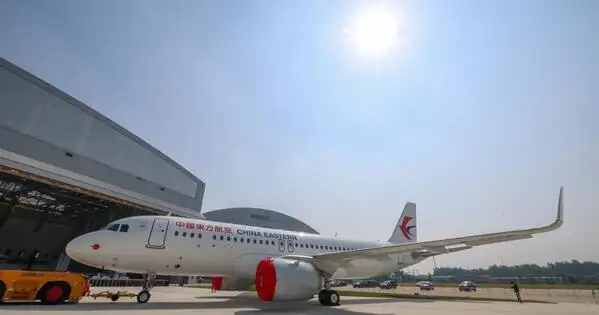
Airbus Delivers First A320neo From New Tianjin FAL
China Eastern Airlines took delivery of the first A320neo from Airbus's second Final Assembly Line in Tianjin, marking a key industrial milestone.
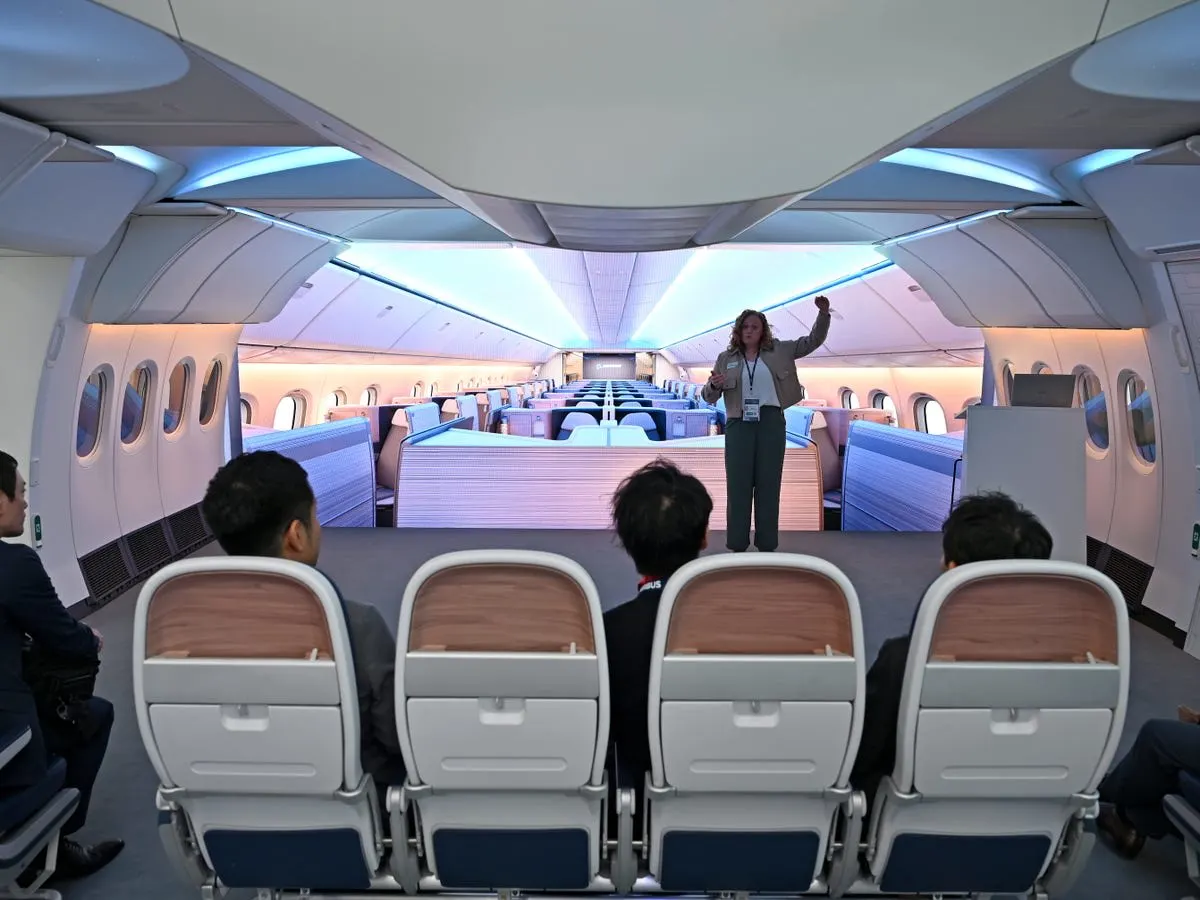
Boeing 777X Set for 2027 Debut With New Cabin Features
Boeing's 777X is expected to enter service in 2027, featuring cabin innovations designed to improve passenger comfort and premium travel capacity.
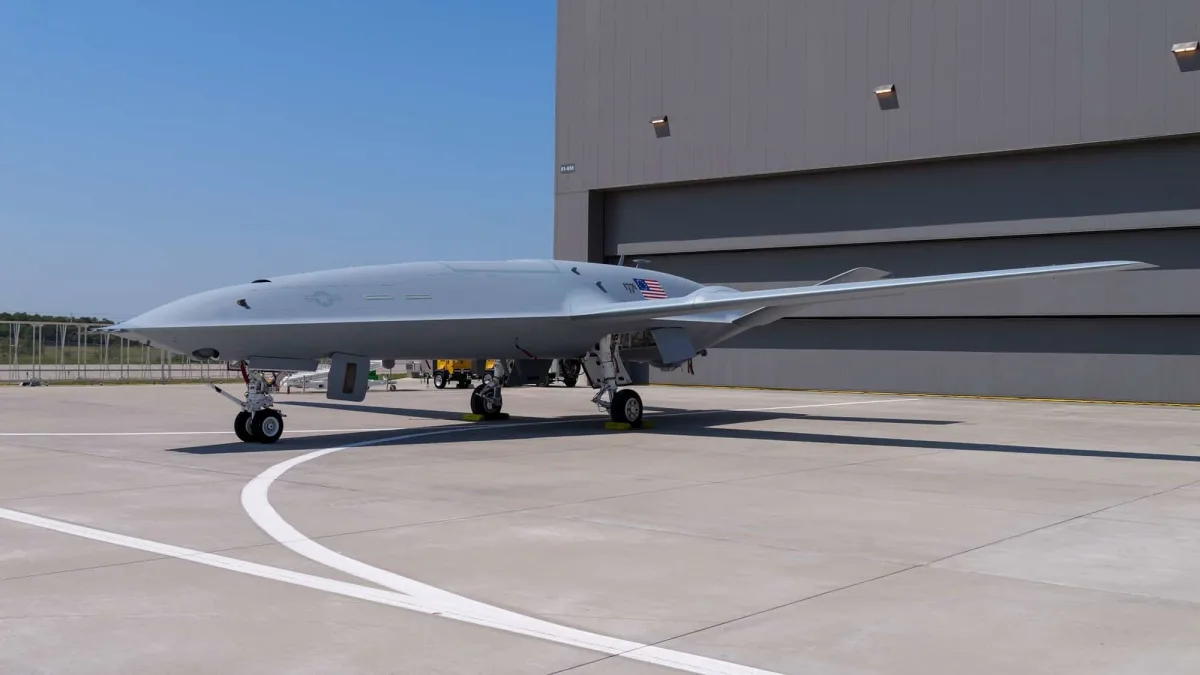
Boeing Awarded $562M Contract for MQ-25 Stingray Production
The U.S. Navy awarded Boeing a $562 million contract for the first three MQ-25 Stingray unmanned aerial refueling tankers, with deliveries expected in...

Boeing Logs 15 Gross Orders Including 13 787 Dreamliners
Boeing recorded 15 gross orders in August 2026, featuring 13 widebody 787 Dreamliner commitments from undisclosed customers.