CAAC Suspends General Aviation After Beijing Tower Crash

Co-Founder & CEOAviation News Editor delivering trusted coverage across the global aviation industry.
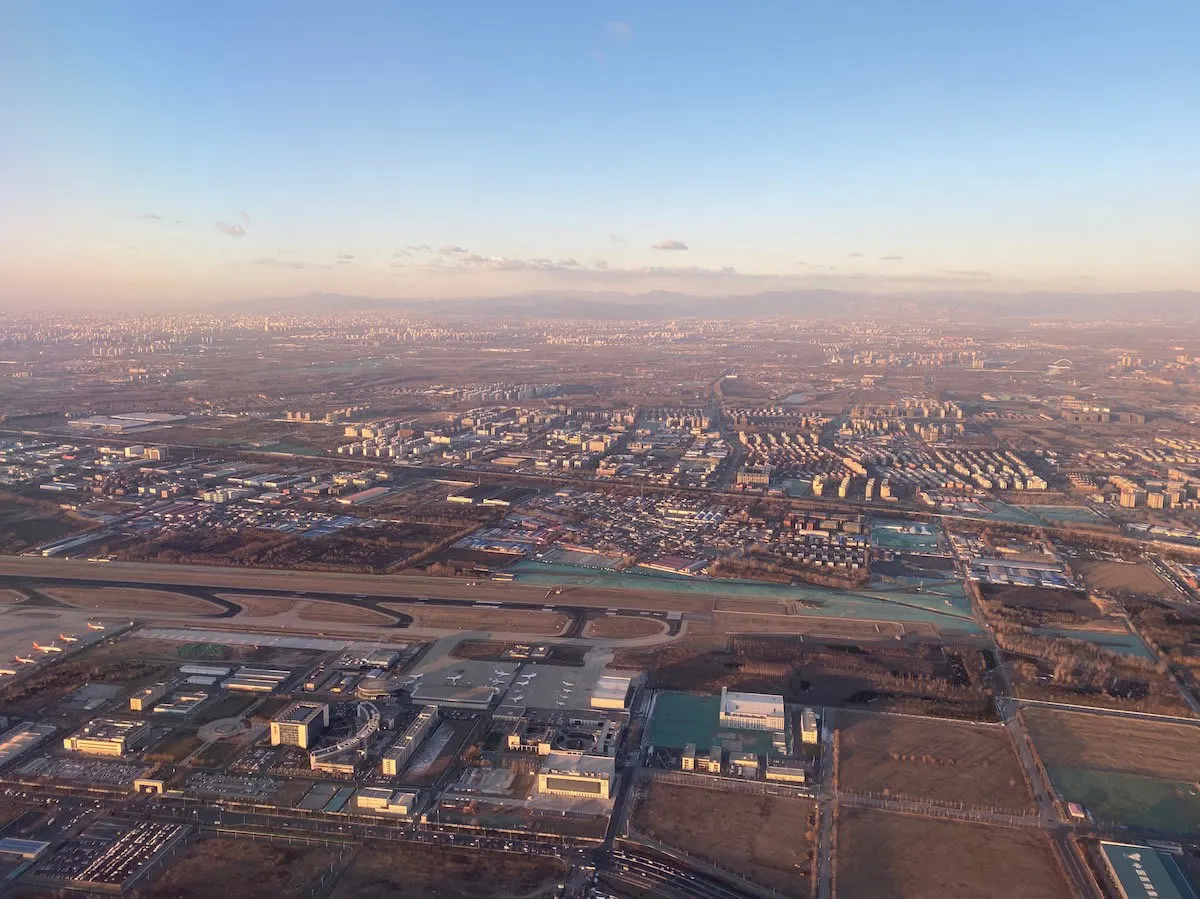
The CAAC has grounded all general aviation flights in China following a fatal collision between a Sunward Aurora SA60L and the CITIC Tower.
Key Takeaways
- •CAAC suspended all general aviation nationwide after a fatal Beijing tower crash.
- •A Sunward Aurora SA60L struck the 528-meter CITIC Tower on June 26, 2026.
- •The crash killed the pilot and injured 13 people on the ground.
- •Operators face indefinite grounding pending mandatory CAAC safety reinspections.
Beijing Tower Collision Triggers Nationwide Grounding
The Civil Aviation Administration of China (CAAC) has implemented an indefinite, nationwide suspension of all non-essential general aviation (GA) operations following a fatal aircraft collision in Beijing. On June 26, 2026, a Sunward Aurora SA60L light sport aircraft, registration B-12PP, struck the CITIC Tower (China Zun), the city’s tallest building at 528 meters. According to an official notice from the Beijing Chaoyang District Government, the pilot was killed, and 13 people on the ground sustained injuries during the incident.
This emergency directive affects all sectors of private and recreational aviation, including flight schools, business jet operators, and aerial tourism providers. The China general aviation suspension represents a significant shift in national airspace policy, effectively halting the activities of 3,140 registered GA aircraft and 513 general airports that were operational as of 2025.
Impact on Operators and the Low-Altitude Economy
The Beijing CITIC Tower plane crash has created immediate operational paralysis for flight training providers across the country. Managers of private flight schools report that they have been ordered to suspend all flight activities pending a comprehensive reinspection by the CAAC. The duration of this grounding remains uncertain, with industry participants anticipating that the regulatory review process could extend for at least one month. This disruption poses a severe financial threat to operators, with potential bankruptcies expected if the indefinite ban persists.
Beyond the immediate operational impact, the incident has rattled investors in China’s burgeoning "low-altitude economy." Despite recent government initiatives designed to promote this sector, the collision has triggered strict CAAC airspace restrictions and renewed scrutiny of urban air mobility. Stocks within the sector have experienced notable sell-offs as market participants weigh the potential for a prolonged regulatory crackdown on low-altitude flight corridors.
Historical Context and Regulatory Response
The response to the collision mirrors historical precedents where high-rise aircraft strikes have prompted immediate urban airspace security reviews. In April 2002, a light aircraft crash into the Pirelli Tower in Milan resulted in temporary airspace closures over the city. Similarly, the October 2006 crash of a Cirrus SR20 into a Manhattan residential building led the Federal Aviation Administration to implement stricter low-altitude flight corridors in New York City. The CAAC’s current mandate aligns with these global patterns, prioritizing urban airspace security over the expansion of non-commercial flight operations.
Sunward Aurora SA60L vs. Cessna 162 Skycatcher
| Metric | Sunward Aurora SA60L | Cessna 162 Skycatcher |
|---|---|---|
| Maximum Takeoff Weight | 600 kg | 600 kg |
| Cruising Speed | 220 km/h | 207 km/h |
| Maximum Range | 1,200 km | 870 km |
Inside the Regulatory Reinspection Process
The current grounding is fundamentally a safety and security rectification effort. The CAAC is expected to leverage this period to reassess flight school safety management systems and pilot training protocols. Historically, such blanket suspensions in China have served as a precursor to more rigorous, centralized control over low-altitude airspace. While the government has previously encouraged the growth of private aviation, this incident has accelerated a shift toward more conservative regulatory oversight, potentially complicating the future integration of urban air mobility and private recreational flying into the national airspace system.
Timeline for Regulatory Review
- Late July 2026: Expected release of the preliminary accident investigation report by the CAAC.
- Q3 2026: Anticipated commencement of the mandatory reinspection process for flight schools and GA operators.
Why This Matters for the Aviation Sector
For the Chinese aviation industry, this suspension signals a major pivot away from the rapid, less-regulated expansion of the low-altitude economy. The move positions the CAAC to re-assert strict control over airspace that had previously seen increased activity, effectively resetting the regulatory environment for all GA stakeholders. For operators and manufacturers, the immediate priority is navigating the upcoming reinspection process to prevent long-term erosion of their fleet utilization and revenue streams.
Frequently Asked Questions
- What aircraft was involved in the Beijing CITIC Tower crash?
- The aircraft involved was a domestically produced Sunward Aurora SA60L light sport aircraft, registered as B-12PP.
- Why did the CAAC suspend general aviation operations nationwide?
- The CAAC issued the suspension following a fatal collision on June 26, 2026, where an aircraft struck the CITIC Tower in Beijing, resulting in one fatality and 13 injuries on the ground.
Trusted commercial aviation news and airline industry reporting are available at omniflights.com. For detailed airline coverage, route changes, and fleet moves, explore the Airlines section at omniflights.com/airlines.
Written by Hardik Vishwakarma
Co-Founder & Aviation News Editor leading initiatives that improve trust and visibility across the global aviation industry. Covers airlines, airports, safety, and emerging technology.
Visit ProfileYou Might Also Like
Discover more aviation news based on similar topics

Families Demand DCA Midair Collision Safety Reforms
Families of 67 victims from the 2025 DCA midair collision are pressing Congress for mandatory ADS-B In technology to prevent future aviation tragedies.
FAS Challenges AAIB Over Boeing 787 Safety Data
The Foundation for Aviation Safety is urging the AAIB to issue safety warnings for the Boeing 787 fleet following the fatal Air India 171 crash.
NTSB Safety Recommendations Lag Amid 6 Monthly Near-Misses
Approximately 6 near-miss incidents occur monthly at U.S. airports as 270 NTSB safety recommendations remain unaddressed by federal regulators.
NTSB Rejects FAA Safety Responses After 67-Fatality Crash
The NTSB labeled 11 FAA responses to 2025 DCA mid-air collision recommendations as unacceptable, citing the lack of a mandatory ADS-B In requirement.
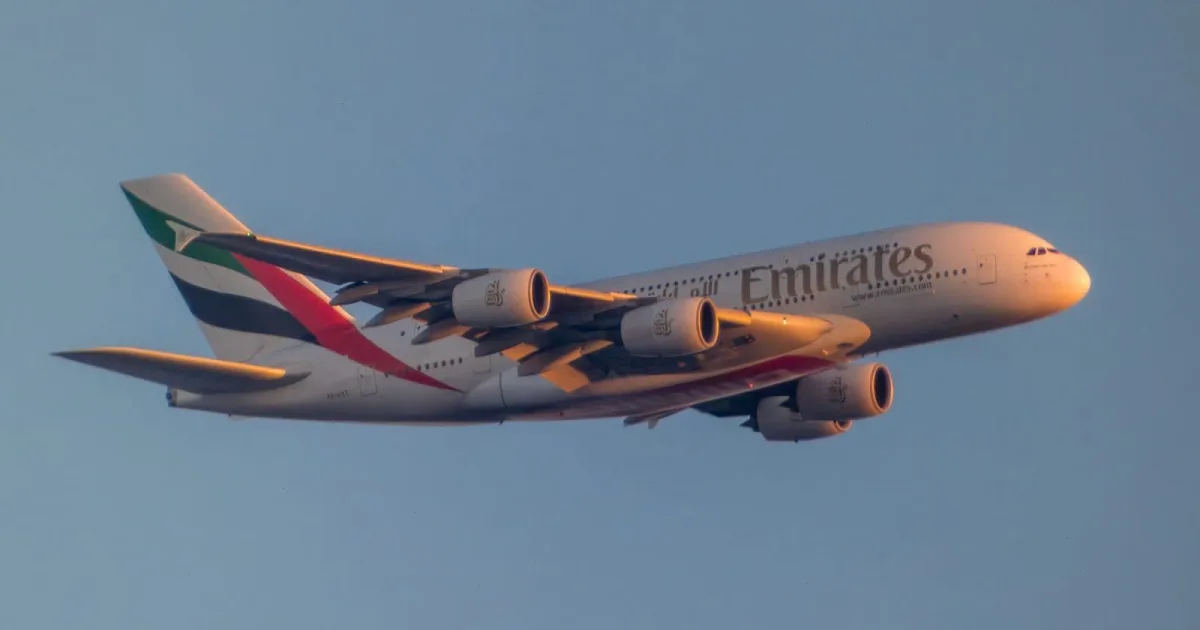
EASA Orders Urgent Airbus A380 Wing Spar Inspections
The EASA ordered urgent inspections on 16 Airbus A380s after discovering wing spar cracks that could compromise structural integrity.
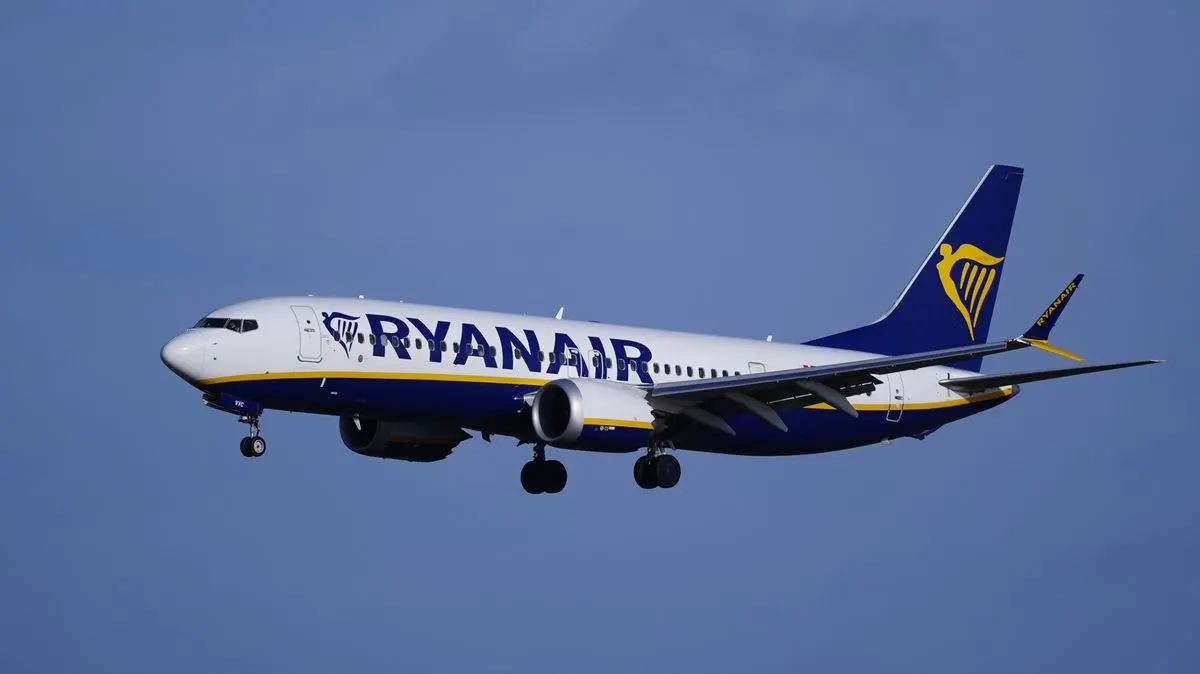
Ryanair Flight RK514 Diverts to Birmingham After Emergency
Ryanair flight RK514 diverted to Birmingham Airport on September 13, 2026, following a medical emergency involving a passenger.