CAAC Approves 121,000 Weekly Flights for Summer-Autumn 2026 Season

Co-Founder & CEOAviation News Editor delivering trusted coverage across the global aviation industry.

China's CAAC approved its summer-autumn 2026 schedule, increasing international flights by 1.8% to 21,047 per week and expanding domestic routes.
Key Takeaways
- •Increases international flights by 1.8% to 21,047 weekly for the summer season.
- •Launches 434 new domestic routes to enhance regional connectivity across China.
- •Expands the national airline network to 86 countries, adding Cyprus as a new destination.
- •Schedules a total of 121,000 weekly passenger and cargo flights until October 24, 2026.
The Civil Aviation Administration of China (CAAC) has implemented its new flight schedules for the summer-autumn 2026 air transport season, which commenced on March 29. According to official data from the regulator, the new season features a modest 1.8 percent year-on-year increase in international flight services, signaling a continued but measured recovery of global connectivity. The season, which runs until October 24, 2026, will see a total of 222 domestic and foreign airlines operate approximately 121,000 passenger and cargo flights per week.
This figure remains broadly consistent with the capacity deployed during the same period last year, indicating a stabilization of the market after the significant post-pandemic rebound. The schedule reflects a dual focus: optimizing China's vast domestic network while gradually expanding international links. For international carriers and travelers, the increase, though small, represents progress in restoring pre-pandemic route networks and exploring new markets.
International Network Expansion
The summer-autumn schedule authorizes 191 domestic and foreign airlines to operate 21,047 international flights each week. This network will now span 86 countries, with the notable addition of Cyprus as a new destination. The expansion reflects a strategic effort to diversify international connections beyond traditional hubs. The 1.8% growth rate, while modest, builds upon the significant capacity restoration that occurred in previous seasons and points to a more sustainable pace of international recovery.
This controlled expansion has a direct impact on several stakeholders. International carriers gain more access to the Chinese market, while foreign tourism boards, particularly in new destinations like Cyprus, can anticipate increased visitor flows. The CAAC's approval of these routes is a critical component of the bi-annual flight slot scheduling process, which governs all commercial air traffic in the country.
Domestic Market Consolidation and C919 Growth
While international growth is conservative, the domestic market remains the backbone of China's aviation sector. The new schedule allocates 97,428 weekly passenger flights and 2,538 weekly cargo flights to 61 airlines operating within China. A key development is the launch of 434 new domestic routes by 34 different carriers. These new routes primarily focus on enhancing connectivity between China's northwest, northeast, and southwest regions and the major economic hubs in eastern and central-southern China. This will provide a significant boost to regional airports in the less-connected parts of the country, increasing passenger throughput and economic opportunities.
Notably, the new season also includes expanded commercial operations for the domestically produced COMAC C919. According to the approved schedules, Air China will deploy its C919 fleet on new routes to Harbin and Xiamen. This expansion is crucial for COMAC, as it helps build the aircraft's operational track record and demonstrate its reliability to both domestic and potential international customers.
Context and Comparison
The current season's stable figures and incremental international growth stand in contrast to the market dynamics of previous years. For instance, the summer-autumn season of 2023 saw a massive post-pandemic recovery surge, with airlines scheduling 117,222 weekly flights—a 20.8% increase compared to pre-pandemic levels in 2019. That period was characterized by the rapid restoration of capacity as travel restrictions were lifted.
The 2026 schedule suggests the market has transitioned from a recovery phase to one of optimization and sustainable growth. Airlines are now focused on refining route networks and matching capacity more closely to demand, rather than simply adding back as many flights as possible.
What Comes Next
The current summer-autumn flight season is set to conclude on October 24, 2026. Following this, the CAAC will transition to the winter-spring 2026/2027 schedule. According to the regulatory body, the next season is confirmed to begin on October 25, 2026. Airlines will submit their proposed schedules for the winter season for CAAC approval in the coming months, with adjustments expected based on market performance and operational requirements observed during the summer.
Why This Matters
This seasonal schedule update provides a clear snapshot of the current state and near-term trajectory of China's civil aviation industry. It highlights a strategy of reinforcing its robust domestic market while pursuing a cautious and deliberate expansion of international routes. For aviation professionals, the data signals network stability and predictable, if modest, growth, allowing for more confident planning. The inclusion and expansion of C919 routes within this official framework is also a significant indicator of the aircraft's integration into the national fleet.
Visit omniflights.com for the latest commercial aviation news and airline industry updates. Discover how innovation is shaping aviation through aircraft systems, avionics, and digital tools at omniflights.com/technology.
Written by Hardik Vishwakarma
Co-Founder & Aviation News Editor leading initiatives that improve trust and visibility across the global aviation industry. Covers airlines, airports, safety, and emerging technology.
Visit ProfileYou Might Also Like
Discover more aviation news based on similar topics

Flydubai Upgrading 21 Boeing 737 MAX 8s to Flat Bed Seats
Flydubai is retrofitting 21 Boeing 737 MAX 8 aircraft with lie-flat business class seats to standardize its premium product by late 2027.
Emirates Winter Booking Momentum Grows Amid Fleet Expansion
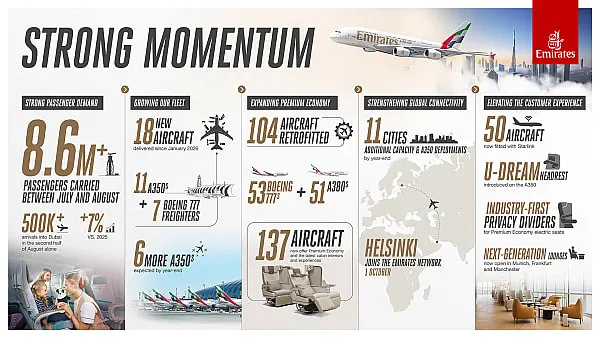
Emirates carried 8.6 million passengers this summer and enters winter with strong demand as it accelerates fleet retrofits and network growth.
Air Arabia Consortium Gains AOC for New Dammam Budget Airline
A Saudi GACA-led consortium including Air Arabia has secured an AOC to launch a new budget airline based at Dammam's King Fahd International Airport.
Turkish Airlines Exits Luanda as Angola Hub Struggles
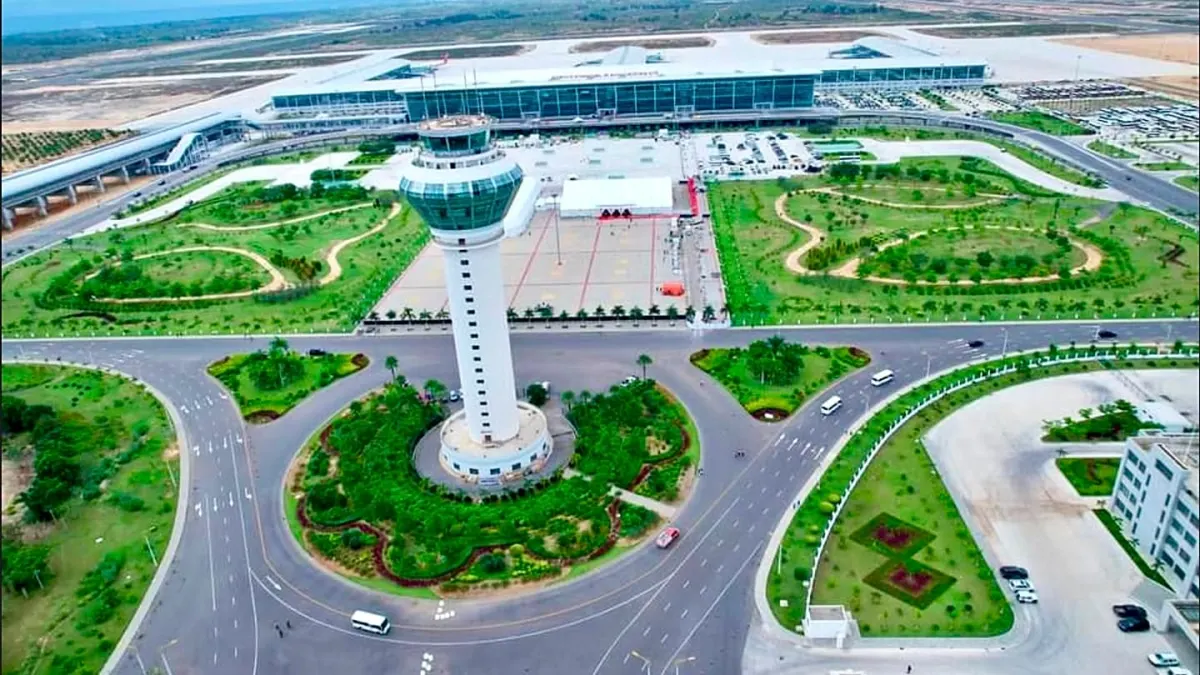
Turkish Airlines dropped its Luanda route as Angola's new airport struggles to attract traffic, handling only 756,028 passengers in 2025.

Red Sea Airlines Leases Two 737 MAX 8s for 2027 Expansion
Red Sea Airlines signed a lease for two Boeing 737 MAX 8 aircraft from SMBC Aviation Capital, arriving in 2027 to support its 14-aircraft fleet goal.

Avelo CEO Warns Airfares May Rise on Jet Fuel Price Spikes
Avelo Airlines CEO Andrew Levy warns that rising fuel costs may force fare increases as global jet fuel prices reach $171.01 per barrel.