Business Aviation Leaders Advocate for SAF Legislation on Capitol Hill

Co-Founder & CEOAviation News Editor delivering trusted coverage across the global aviation industry.
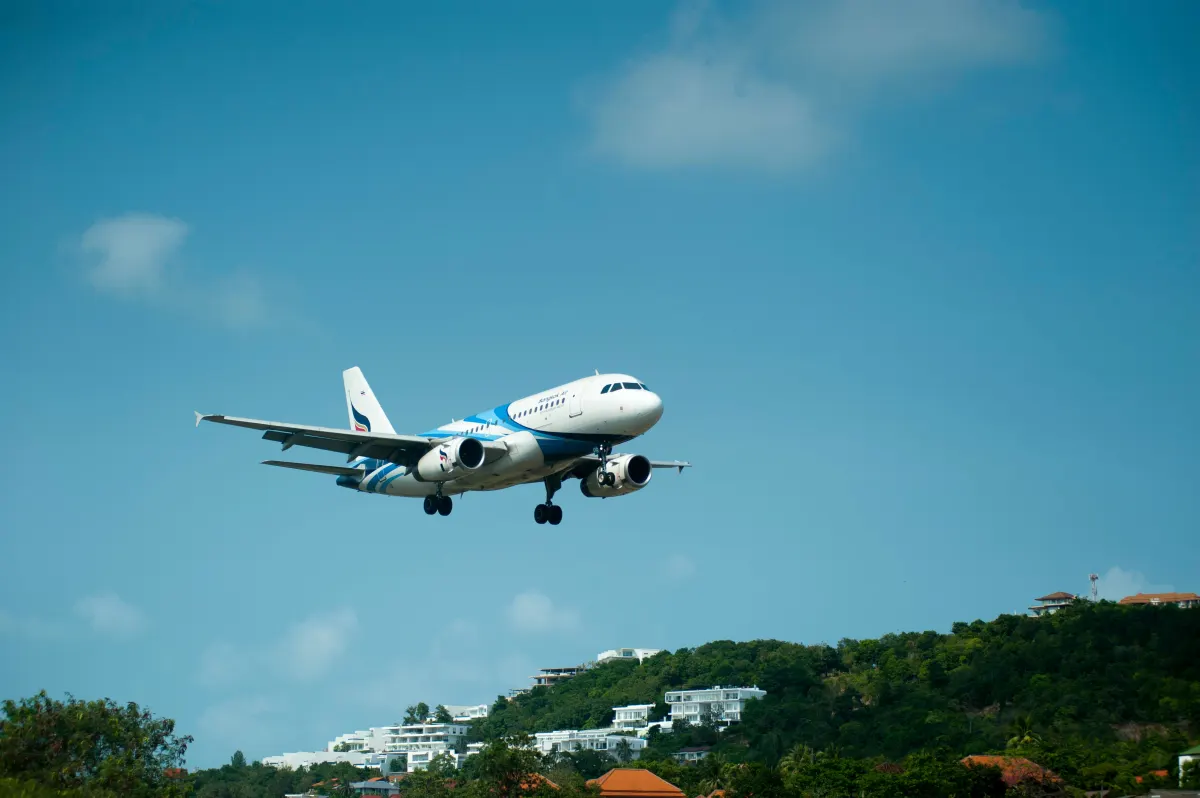
Business aviation leaders urged U.S. lawmakers to pass legislation supporting Sustainable Aviation Fuel production to meet the industry's 2050 net-zero goal.
Key Takeaways
- •Advocated for legislation to increase Sustainable Aviation Fuel (SAF) production.
- •Targets restoration of the Section 45Z tax credit to $1.75 per gallon.
- •Highlights the industry's goal of achieving net-zero carbon emissions by 2050.
- •Aims to bolster U.S. energy independence and support up to 400,000 jobs.
Leaders from the U.S. business aviation sector met with federal lawmakers as part of the CLIMBING. FAST. campaign, a coordinated advocacy effort to advance policies supporting the industry's goal of achieving net-zero carbon emissions by 2050. The Capitol Hill fly-in, organized by the National Business Aviation Association (NBAA), focused on securing support for legislation designed to increase the production and availability of Sustainable Aviation Fuel (SAF).
The advocacy push comes at a critical time, as current tax incentives favor the production of renewable diesel over SAF. The industry, which according to NBAA data supports 1.3 million American jobs and contributes nearly $340 billion in economic output, is unified in its call for legislative action to level the playing field for SAF and accelerate the decarbonization of air travel.
Legislative Priorities
The central focus of the NBAA's fly-in was to build bipartisan support for two key pieces of legislation. The first is the Securing America's Fuels Act (H.R. 6518/S. 3759), which aims to restore and extend the Section 45Z Clean Fuel Production Credit. This tax credit, established by the Inflation Reduction Act of 2022, is designed to incentivize domestic production of clean transportation fuels. However, a reduction in its value in 2025 has made renewable diesel more profitable to produce than SAF.
According to an NBAA analysis, the proposed bill would restore the credit for SAF to $1.75 per gallon and extend it through 2033. Scott Cutshall, Co-Chair of the NBAA Environmental Committee, noted that this restoration is critical for building production capacity. He explained that without the restored credit, it is more financially advantageous for producers to make renewable diesel, hindering the scale-up of SAF.
The second legislative priority is the Farm to Fly Act (H.R. 1719, S. 114). This bill would formally classify SAF as an advanced biofuel, making it eligible for support programs under the United States Department of Agriculture (USDA). This would create new markets for American farmers and integrate SAF production into the nation's broader bio-based economy, supporting rural development.
Economic and Environmental Impact
Advocates argue that scaling domestic SAF production offers significant economic and environmental benefits. SAF, a drop-in fuel made from renewable or waste materials, can reduce lifecycle greenhouse gas emissions by up to 80% compared to conventional jet fuel, according to the U.S. Department of Energy. The business aviation sector has already made substantial progress, reducing its carbon footprint by 40% over the past four decades, with modern aircraft being approximately 35% more fuel-efficient than older models.
Beyond emissions, the economic case is compelling. Data from the Americans for Clean Aviation Fuels Coalition suggests that expanding domestic SAF production could contribute over $78 billion to U.S. Gross Domestic Product by 2035 and support 400,000 jobs. Kristie Greco Johnson, NBAA Senior VP of Government Affairs, stated that the fly-in demonstrated industry unity behind policies that accelerate net-zero goals while simultaneously strengthening American energy independence.
Context and Industry Precedent
This advocacy effort mirrors the NBAA's successful 'No Plane No Gain' campaign, which launched in 2009 to educate lawmakers on the economic value of business aviation following the 2008 financial crisis. That campaign successfully shifted the narrative, and 'CLIMBING. FAST.' aims to do the same for sustainability, positioning the industry as a leader in aviation decarbonization.
The push for U.S. incentives also occurs within a global context. In Europe, mandates such as the UK SAF Mandate and the EU's ReFuelEU are set to impose a minimum 2% SAF blending requirement starting in 2025. This creates a compliance-driven market abroad, increasing the urgency for the U.S. to establish a robust domestic supply chain to remain competitive.
However, the approach is not without its critics. Some environmental groups express concern that crop-based feedstocks could drive deforestation and other negative land-use changes. Additionally, some fiscal policy organizations argue that a long-term, $1.75-per-gallon subsidy could distort the broader renewable fuels market.
What Comes Next
The legislative process for both the Securing America's Fuels Act and the Farm to Fly Act is expected to continue through the 2026-2027 legislative session. The industry's advocacy is aimed at ensuring these provisions are included in any relevant legislative packages. A key deadline looms, as the current Section 45Z tax credit structure is confirmed to expire on December 31, 2027, creating a clear timeline for congressional action.
Why This Matters
This legislative push represents a pivotal moment for business aviation's long-term sustainability strategy. Securing favorable policy for SAF is crucial for the industry to meet its ambitious 2050 net-zero emissions target. The outcome will not only determine the pace of decarbonization but will also shape the future of American energy production, creating a new domestic industry around renewable aviation fuel and reinforcing the sector's role as an economic driver.
Access up-to-date commercial aviation news and airline industry developments via omniflights.com. Get the latest updates on major hubs, regional terminals, and airport operations via the Airports section at omniflights.com/airports.
Written by Hardik Vishwakarma
Co-Founder & Aviation News Editor leading initiatives that improve trust and visibility across the global aviation industry. Covers airlines, airports, safety, and emerging technology.
Visit ProfileYou Might Also Like
Discover more aviation news based on similar topics

American Airlines Flies First U.S. eSAF Passenger Flight
American Airlines completed the first U.S. commercial flight using Infinium eSAF, a synthetic fuel that reduces lifecycle emissions by over 90%.

Akasa Air Partners with BPCL to Advance SAF in India
Akasa Air signed an MoU with BPCL to establish a SAF supply framework ahead of India's expected 1% blending mandate by 2027.

Delta, Shell Aviation Ink 5-Year SAF Supply Agreement
Delta Air Lines and Shell Aviation have signed a five-year agreement to supply Sustainable Aviation Fuel across five major U.S. hubs through 2030.
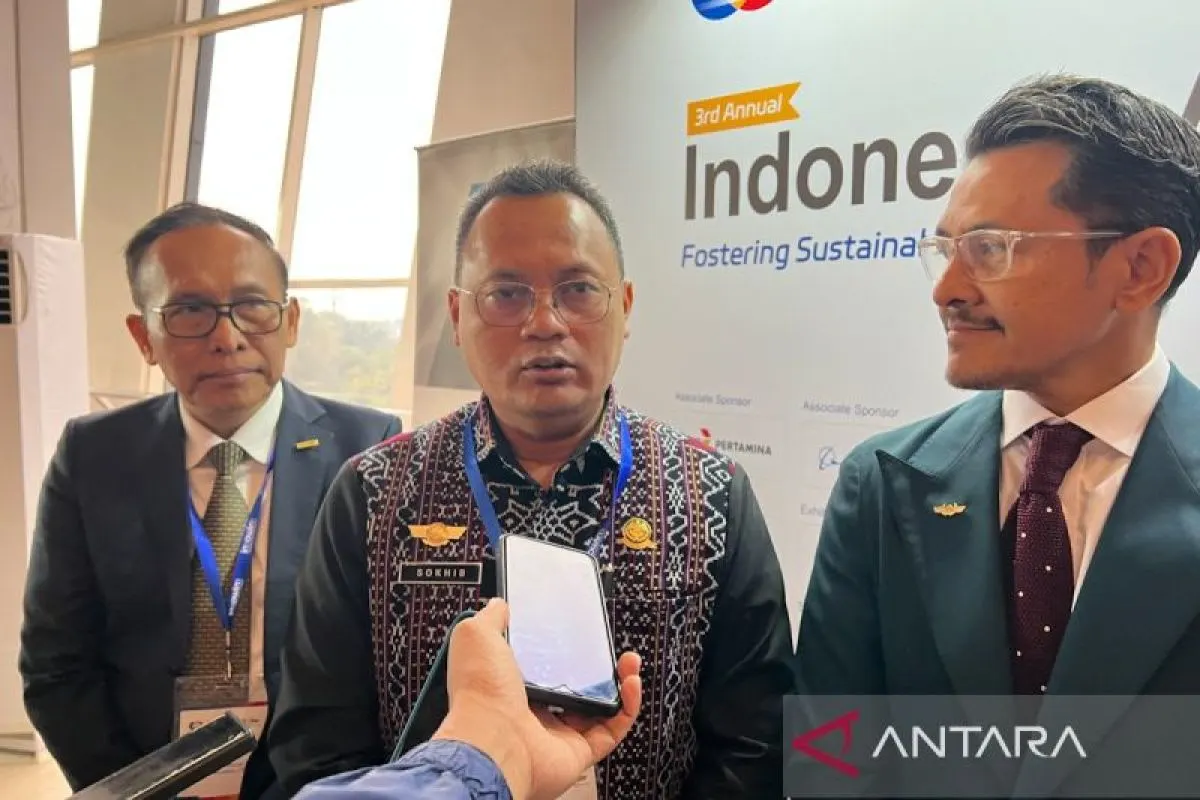
Indonesia to Mandate 1% SAF Blend for Flights by 2027
Indonesia will require a 1% Sustainable Aviation Fuel blend on international flights departing from Jakarta and Bali starting in 2027.
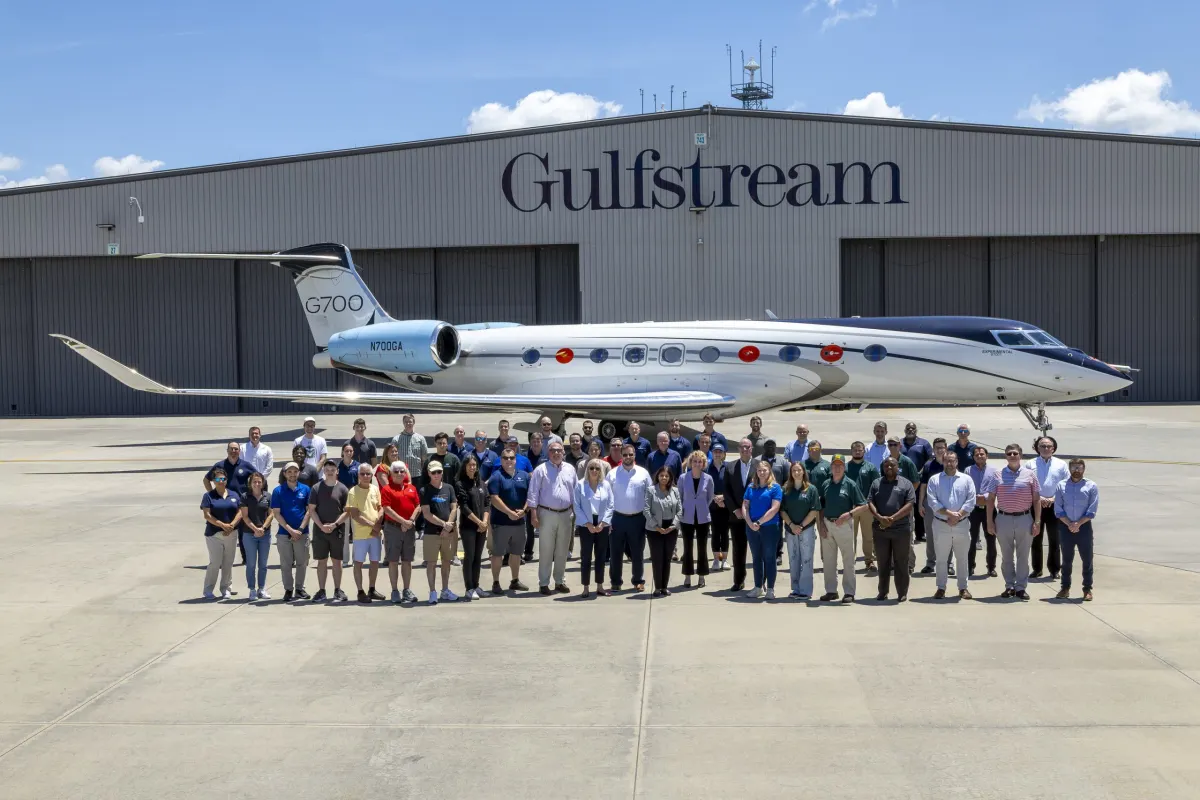
Gulfstream G800 Completes 100% SAF High-Altitude Emissions Test
Gulfstream tested 100% SAF on a G800 at 50,000 feet to measure emissions, marking a key step toward certifying unblended synthetic fuels.

LATAM Airlines Operates First SAF-Linked Passenger Charters
LATAM Airlines Group and PONANT completed 13 charter flights using SAF, reducing 160 tonnes of CO2 emissions via a book-and-claim methodology.