Brussels Airlines Amare A320neo Returns After Lightning

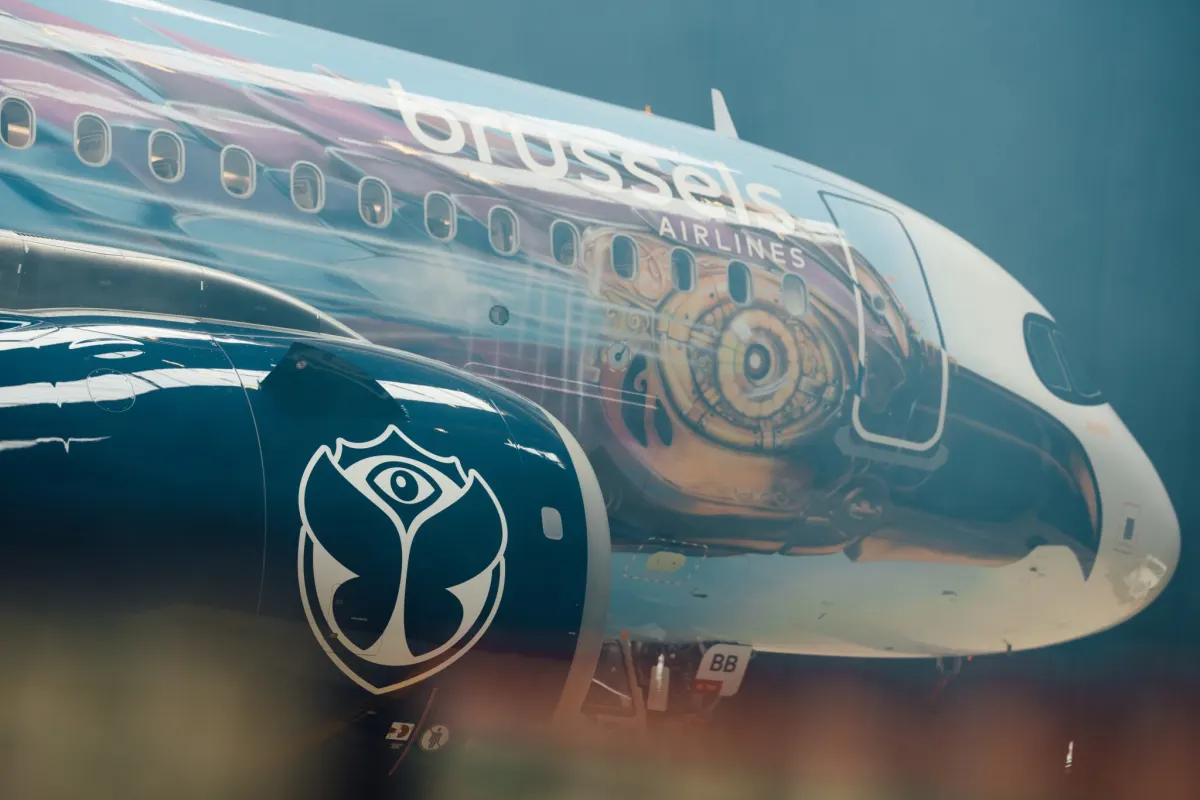
Brussels Airlines' Amare A320neo returned to Zaventem following a lightning strike on May 18, 2026, while carrying 176 passengers to Budapest.
Key Takeaways
- •Brussels Airlines Amare A320neo safely returned after a lightning strike.
- •The May 18, 2026, flight was carrying 176 passengers to Budapest.
- •Crew declared a PAN-PAN to secure priority landing at Zaventem.
- •Aircraft is expected to return to service in late May 2026.
A Brussels Airlines Airbus A320 New Engine Option (A320neo), famously branded as the Tomorrowland 'Amare' aircraft (registration OO-SBB), safely returned to Brussels Airport (BRU) on May 18, 2026, following a lightning strike shortly after takeoff. The Brussels Airlines lightning strike incident prompted the flight crew to declare a PAN-PAN urgency call to Air Traffic Control (ATC), ensuring priority handling for a precautionary landing at the airline's hub in Zaventem. The flight, which was bound for Budapest, was carrying 176 passengers at the time of the event.
Operational Impact
While the Amare A320neo incident briefly removed a high-profile asset from the carrier's fleet, the operational impact remained contained. The Brussels Airlines Operations Team managed the rebooking of the 176 passengers affected by the unscheduled return. The aircraft, which was unveiled in April 2024 as a joint venture between the airline and the music festival, underwent mandatory technical evaluations. According to EASA (European Union Aviation Safety Agency) maintenance directives, such incidents require rigorous inspections of the radome, fuselage, and static dischargers to ensure structural integrity before the Tomorrowland airplane OO-SBB can resume commercial operations.
Industry Context and Safety
Lightning strikes are a routine occurrence in commercial aviation, with modern aircraft designed to withstand such events through conductive meshes integrated into their skins. According to industry data, aircraft typically experience lightning strikes once or twice a year. The Airbus A320neo family, which offers significant performance improvements including a 20% reduction in CO2 emissions and a 50% lower noise footprint compared to the A320ceo, is built with these safety features as standard.
Historical Precedents
The current situation mirrors a previous event on August 25, 2023, when a Brussels Airlines A320 (OO-TCH) also encountered a lightning strike. That aircraft returned to Brussels 90 minutes after departure and, following inspections for minor nose damage, returned to service within 10 hours. This precedent suggests that the current grounding of the 'Amare' aircraft is likely a standard precautionary measure rather than an indication of systemic mechanical failure.
Technical Analysis
The data suggests that the industry is well-equipped to handle weather-related incidents through standardized inspection protocols. The decision to declare a PAN-PAN rather than a full Mayday reflects a mature safety culture that prioritizes precautionary checks over schedule adherence. As the aviation industry continues to integrate more fuel-efficient, composite-heavy aircraft like the A320neo, the reliance on integrated conductive meshes remains a critical structural force in maintaining safety margins during adverse weather cycles. While environmental groups occasionally argue that promotional aircraft usage contributes to broader carbon footprints, the technical resilience of the A320neo platform remains a primary focus for operators balancing sustainability with operational reliability.
What Comes Next
The aircraft is expected to return to commercial service by late May 2026, pending final clearance from the Brussels Airlines Maintenance & Engineering department. The airline continues to monitor the fleet for any further weather-related maintenance requirements as summer operations increase.
Why This Matters
This incident highlights the importance of standardized safety protocols in managing routine aviation weather risks. For passengers and operators alike, the swift and safe handling of the flight demonstrates that modern safety management systems effectively mitigate the risks associated with atmospheric electrical activity.
Frequently Asked Questions
- What is the Tomorrowland 'Amare' aircraft model?
- The 'Amare' aircraft is a Brussels Airlines Airbus A320neo (New Engine Option) featuring a special livery created in collaboration with the Tomorrowland music festival.
- Why did the Brussels Airlines flight declare a PAN-PAN?
- The crew declared a PAN-PAN urgency call following a lightning strike to alert Air Traffic Control of an urgent situation, allowing the flight to receive priority handling for a safe return to Brussels Airport.
Access up-to-date commercial aviation news and airline industry developments via omniflights.com. Get the latest updates on major hubs, regional terminals, and airport operations via the Airports section at omniflights.com/airports.

Written by Hardik Vishwakarma
Co-Founder & Aviation News Editor leading initiatives that improve trust and visibility across the global aviation industry. Covers airlines, airports, safety, and emerging technology.
Visit ProfileYou Might Also Like

United Airlines Boeing 777 Returns to SFO After Engine Issue

Saudi Aviation Hubs Targeted as EASA Issues Airspace Warning

Army Report Spurs Urgent Push for ADS-B Safety Legislation
Boeing 737-10 Certification Moves Ahead After FAA Review
Army Report: Faulty Black Hawk Caused 67-Death DC Collision