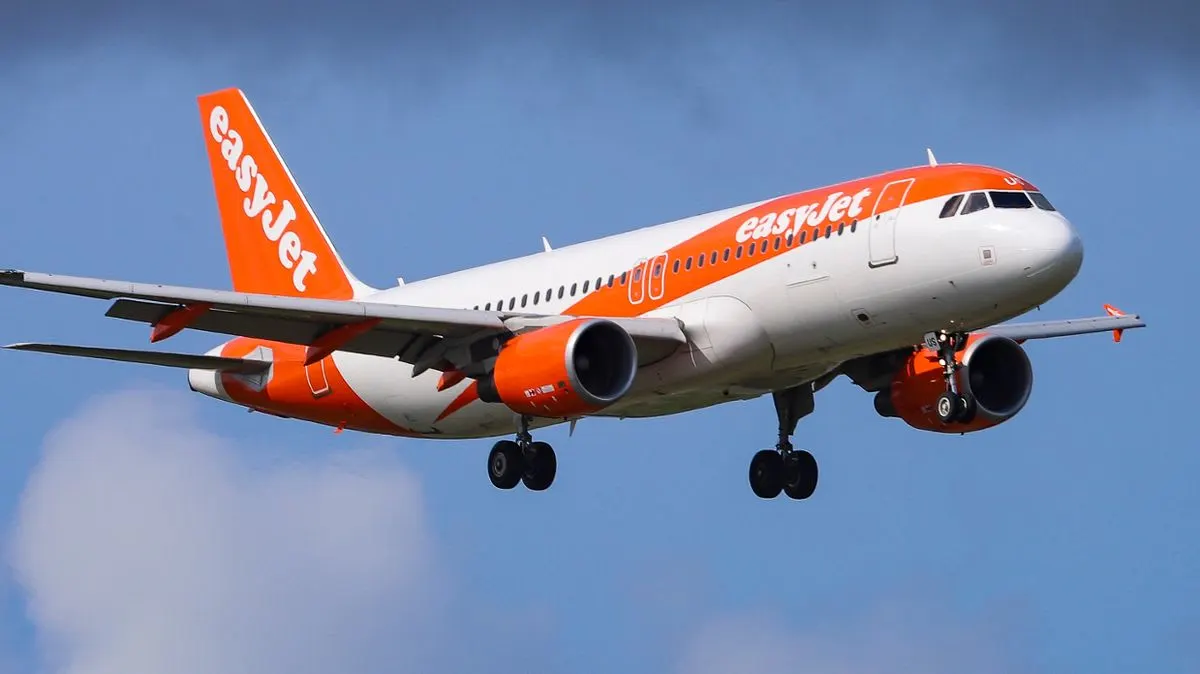
Cathay Pacific A330 Sustains Tail Strike in Hong Kong

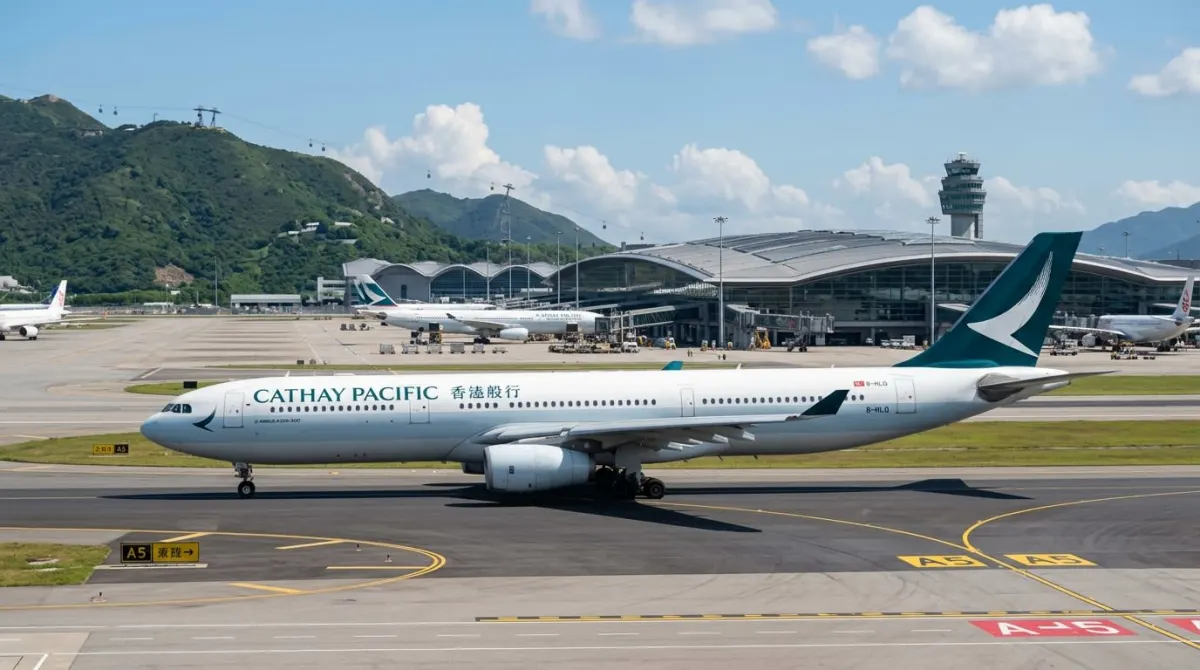
A Cathay Pacific Airbus A330-300 sustained tail damage during a go-around at Hong Kong International Airport on July 3, 2026.
Key Takeaways
- •Cathay Pacific A330-300 sustained tail damage during a July 3, 2026, go-around.
- •The 25-year-old aircraft (B-HLQ) landed safely after the runway strike.
- •AAIA and HKCAD have launched a formal investigation into the incident.
- •A preliminary investigation report is expected by August 2026.
Cathay Pacific A330 Tail Strike Investigation
The Hong Kong Civil Aviation Department (HKCAD) and the Air Accident Investigation Authority (AAIA) have launched a formal safety investigation following a Cathay Pacific tail strike involving an Airbus A330 aircraft. The incident occurred on July 3, 2026, during Flight CX509 from Tokyo Narita to Hong Kong. The aircraft, an Airbus A330-300 (registration B-HLQ), executed a go-around on runway 07R at Hong Kong International Airport (HKG) while the region was under an Amber Rainstorm Warning.
Operational Impact of the Incident
The Flight CX509 incident forced the flight crew to initiate a go-around maneuver due to adverse weather conditions. During this low-altitude procedure, the aircraft’s rear fuselage made contact with the runway surface. Following the strike, the flight crew climbed to 5,000 feet to reposition the aircraft. The A330 landed safely on runway 07L approximately 15 minutes after the initial contact. There were no reported injuries among the passengers or crew, though the aircraft sustained visible structural damage to its underside.
Engineering and Structural Assessment
B-HLQ damage requires intensive scrutiny from Cathay Pacific Engineering and Maintenance. The aircraft, which has been in service since its delivery in 2001, is nearly 25 years old, necessitating a conservative approach to structural integrity. Warren Chim Wing-nin, deputy chairman of the Hong Kong Institution of Engineers' aircraft division, emphasized that while external scraping appears significant, technicians must conduct a comprehensive internal inspection. This includes examining frames and stringers to determine the full extent of the structural compromise and to coordinate with Airbus on an approved repair scheme.
Technical Analysis of Balked Landings
This incident highlights the inherent risks of tail strikes during balked landings. Airbus A330 and A350 variants, characterized by their long fuselages, are particularly susceptible to rear fuselage contact if the pitch attitude exceeds safety margins during a go-around in windshear conditions. The AAIA is currently analyzing Flight Data Recorder (FDR) telemetry and Cockpit Voice Recorder (CVR) data to determine the precise pitch and rate of climb at the moment of contact. This event follows a similar Cathay Pacific Airbus A350-1000 tail strike on November 26, 2025, which also occurred during a go-around at HKG, suggesting a pattern of operational challenges in specific weather-related landing scenarios.
What Comes Next for the Investigation
The Hong Kong Air Accident Investigation Authority (AAIA) is expected to publish a preliminary investigation report by August 2026. Simultaneously, Cathay Pacific maintenance teams are working through Q3 2026 to finalize the structural assessment and repair plan for the affected airframe. These milestones are critical to determining whether the incident resulted from pilot technique, windshear-induced instability, or a combination of environmental factors.
Why This Matters for Aviation Safety
The recurring nature of these incidents at Hong Kong International Airport underscores the importance of stringent Mandatory Occurrence Reporting and pilot training for balked landing procedures. For the industry, the case serves as a reminder of the narrow margins for error when handling widebody aircraft in unstable weather. The findings from this investigation will likely influence future simulator training requirements for regional operators navigating high-wind environments.
Frequently Asked Questions
- What caused the Cathay Pacific A330 tail strike?
- The incident occurred during a go-around maneuver on July 3, 2026, at Hong Kong International Airport. The aircraft's tail struck the runway while the airport was under an Amber Rainstorm Warning.
- Are there any injuries reported from the B-HLQ tail strike?
- No, there were no injuries reported among the passengers or crew. The aircraft landed safely on a different runway approximately 15 minutes after the incident.
omniflights.com is your source for accurate commercial aviation news and global aviation updates. Follow aviation sustainability efforts, emissions research, and green initiatives in the Environmental section at omniflights.com/environmental.

Written by Shashank Shukla
Co-Founder & CTO leading the engineering and AI systems behind Omni Flights. Covers aviation technology, flight safety, aircraft manufacturing, and emerging aerospace developments.
Visit ProfileYou Might Also Like
Army Report: Faulty Black Hawk Caused 67-Death DC Collision
Airline CEOs Address Flydubai Cockpit Attack Security
Saudia A320 Destroyed in Riyadh Airport Missile Strike
Saudi Arabia Opens Probe Into Flydubai Cockpit Attack
Flydubai FZ1073: Resilience Lessons After Cockpit Attack