British Airways Denies Boarding to Activist Samanta Bullock

Co-Founder & CEOAviation News Editor delivering trusted coverage across the global aviation industry.
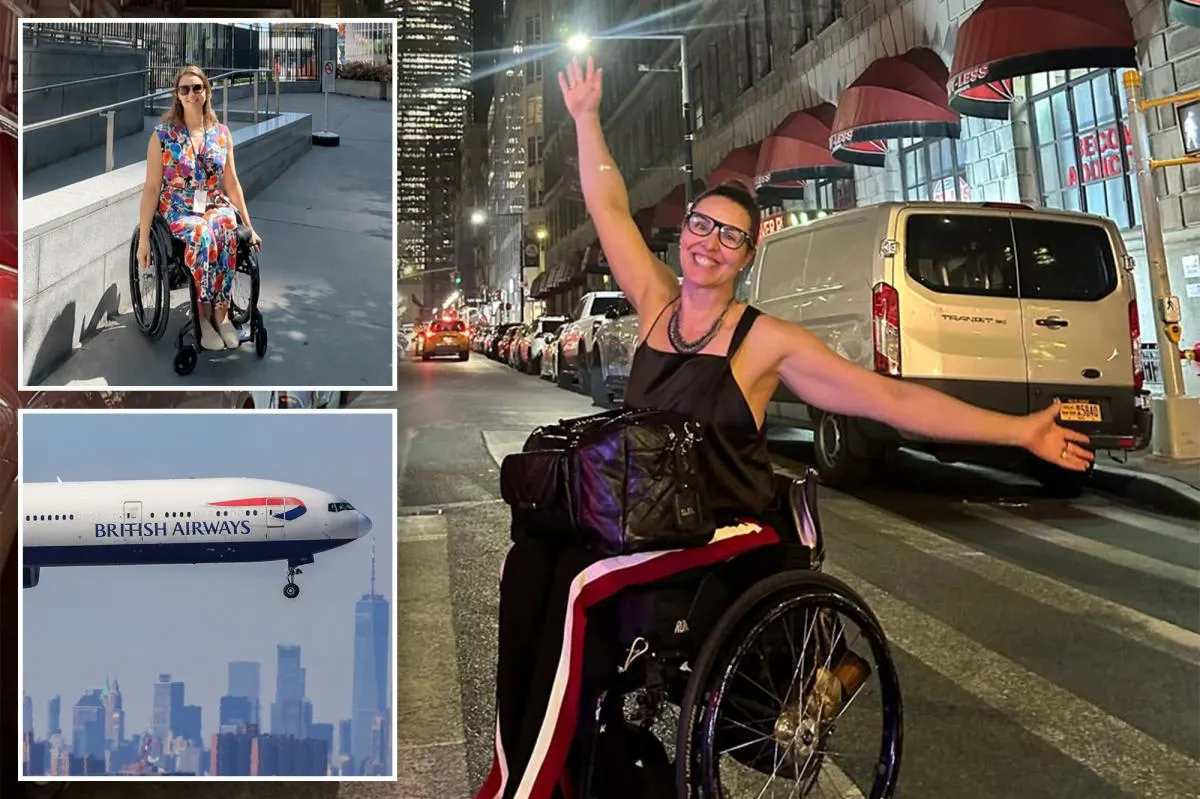
Disability activist Samanta Bullock was denied boarding a British Airways flight at JFK due to a recurring misunderstanding of lavatory assistance rules.
Key Takeaways
- •Samanta Bullock denied boarding by British Airways at JFK in June 2026.
- •Gate agents incorrectly cited lavatory assistance rules to justify boarding denial.
- •DOT mandates require aisle chair assistance but not intimate personal care.
- •Incident follows a record $50 million DOT fine for disability law violations.
Incident at JFK Airport
Disability activist and business executive Samanta Bullock was denied boarding on a mid-June 2026 British Airways flight from New York's John F. Kennedy International Airport (JFK) to London. The incident, which has drawn widespread attention to the ongoing challenges faced by Passengers with Reduced Mobility (PRM), occurred after gate agents cited an inability to provide lavatory assistance as the primary grounds for refusing her solo travel. Under the Air Carrier Access Act (ACAA), airlines are required to facilitate transport to the lavatory via aisle chairs, but they are not mandated to provide intimate personal care. The denial of boarding highlights a persistent operational gap between high-level accessibility policies and frontline gate agent execution.
Regulatory Context and Obligations
Under 14 CFR Part 382, which governs the Air Carrier Access Act (official regulation), airlines are strictly prohibited from imposing blanket bans on unaccompanied disabled passengers. While flight attendants are not required to perform personal care tasks inside a lavatory, they must provide assistance in moving a passenger to and from the facility. The U.S. Department of Transportation (DOT) (official consumer portal) has recently shifted toward a more aggressive enforcement posture regarding these mandates. This shift follows a record $50 million fine levied against American Airlines in October 2024 for systemic wheelchair mishandling and unsafe passenger transfers, a penalty 25 times larger than any previous disability-related fine.
Industry Trends and Operational Barriers
Despite the implementation of the 2024 'Ensuring Safe Accommodations for Air Travelers With Disabilities Using Wheelchairs' final rule, which mandates comprehensive, hands-on training for staff, incidents of boarding denials remain frequent. Similar to the recent case of actor Marissa Bode, who was denied boarding on a regional flight due to aircraft boarding limitations, Bullock’s experience underscores how gate-level misunderstandings continue to disrupt travel for disabled flyers. British Airways has issued a formal apology, stating that it is urgently reviewing the circumstances of the incident while remaining in contact with the customer. The UK Civil Aviation Authority (CAA) (official guidance) maintains its own framework for assisted travel, yet the incident at JFK remains primarily subject to U.S. federal oversight.
Why This Matters for Airline Operations
For British Airways and other international carriers, this incident serves as a significant liability risk. The industry is currently facing a dual challenge: complying with tightening DOT mandates while managing the valid concerns of flight attendant labor unions, who argue that their members are not trained personal care aides. As the DOT prepares for a potential 'Wheelchair Rule II' rulemaking process in August 2026, the pressure on airlines to standardize training for both direct employees and third-party contractors is intensifying. For passengers, the persistent inconsistency in policy application remains a critical barrier to equitable air travel.
Frequently Asked Questions
- What are the rules regarding lavatory assistance for disabled passengers?
- Under the Air Carrier Access Act, airlines must provide assistance moving a passenger with a disability to and from the lavatory using an onboard wheelchair. However, airlines are not required to provide intimate personal care inside the lavatory.
- Can an airline deny boarding to a disabled passenger traveling alone?
- No, the Air Carrier Access Act prohibits airlines from imposing blanket bans on unaccompanied disabled passengers. Denying boarding based solely on the need for assistance that the airline is legally obligated to provide is a violation of federal non-discrimination regulations.
For global airline trends and commercial aviation news, turn to omniflights.com. Follow aviation sustainability efforts, emissions research, and green initiatives in the Environmental section at omniflights.com/environmental.
Written by Hardik Vishwakarma
Co-Founder & Aviation News Editor leading initiatives that improve trust and visibility across the global aviation industry. Covers airlines, airports, safety, and emerging technology.
Visit ProfileYou Might Also Like
Discover more aviation news based on similar topics

FAA Faces $3.5 Billion Shortfall in ATC Modernization
FAA Administrator Bryan Bedford reported a $3.5 billion shortfall for the Brand New Air Traffic Control System, totaling $16 billion for Phase One.
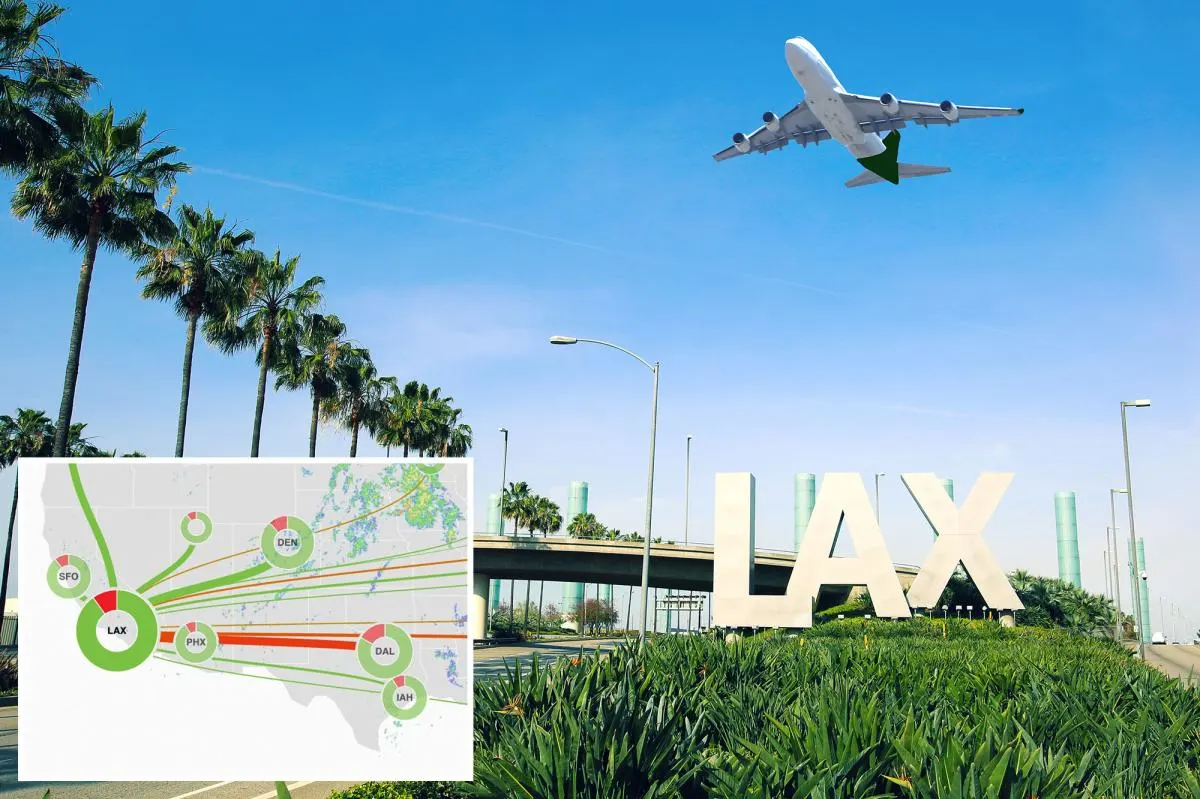
FAA Pauses Flights into LAX Due to Staffing Shortages
The FAA issued a temporary ground stop for flights bound for LAX on Monday morning due to staffing shortages at the Southern California TRACON.
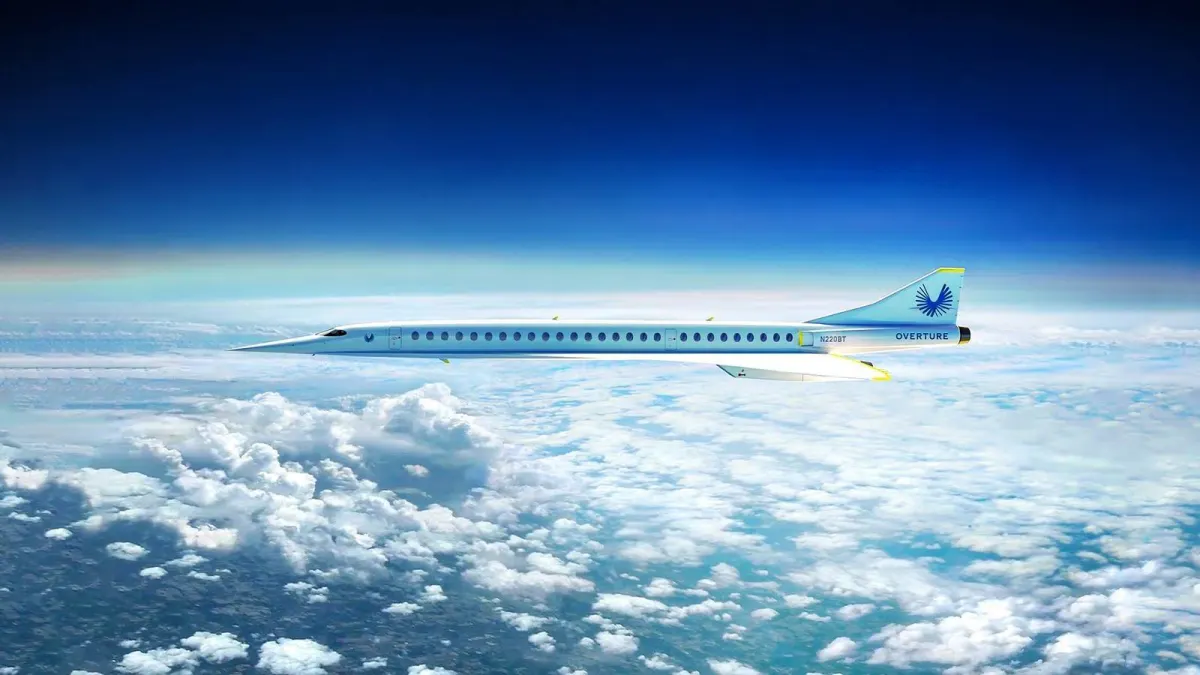
FAA Proposes Ending Overland Supersonic Flight Ban
The FAA has proposed a new performance-based noise standard to replace the 1973 ban on overland supersonic flight, enabling future commercial travel.

DOT Rule Exempts Airlines From Cyberattack Delay Costs
Starting October 19, 2026, the DOT will allow airlines to withhold meal and hotel vouchers for delays caused by cyberattacks and nine other events.

Wizz Air, Ryanair Demand NATS Reform After ATC Failure
Wizz Air and Ryanair are calling for urgent NATS reform after a September 8 system failure caused over 1,000 flight cancellations across the UK.
US Treasury Iran Sanctions Target 27 Airlines, Mahan Air
The U.S. Treasury sanctioned 36 entities, including 27 Iranian airlines, to disrupt illicit procurement networks used by the Iranian government.