FAA Restores Boeing 737 MAX and 787 Certification

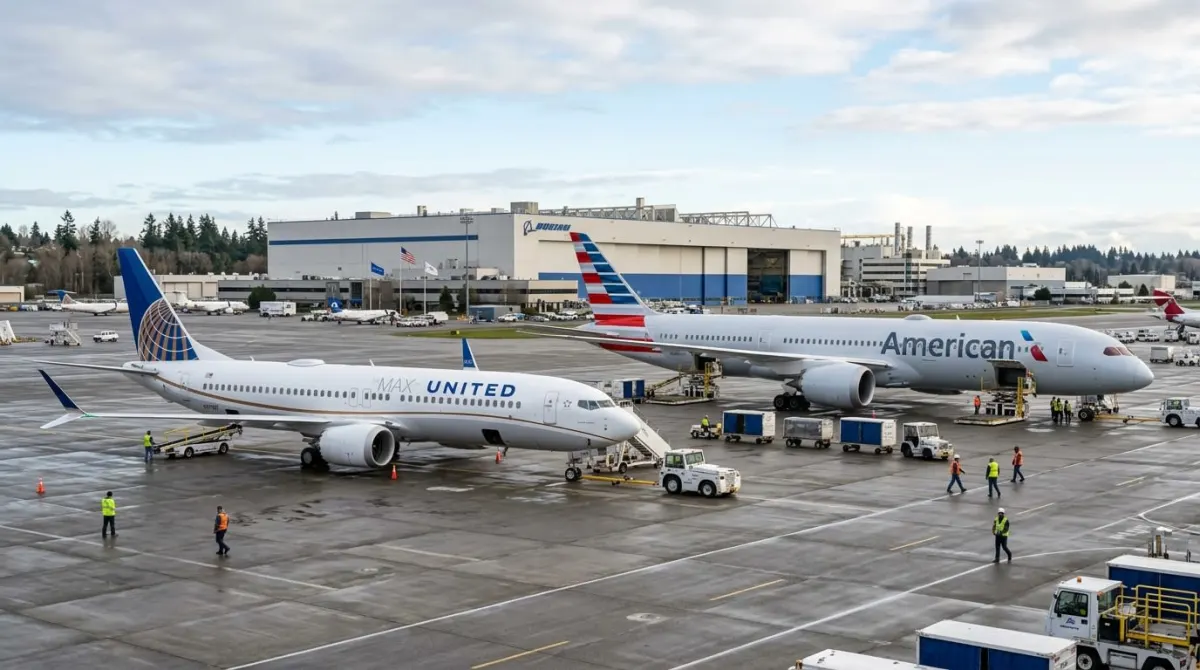
The FAA restored Boeing's authority to issue airworthiness certificates for 737 MAX and 787 jets, ending direct oversight after an 8-month review.
Key Takeaways
- •FAA restores Boeing's ODA authority to self-certify 737 MAX and 787 jets.
- •Restoration of certification privileges takes effect on July 20, 2026.
- •Direct FAA certification mandates had been in place since 2019 and 2022.
- •FAA inspectors will shift focus to early-stage manufacturing audits.
The Federal Aviation Administration (FAA) restored Boeing’s authority to issue Boeing airworthiness certificates for all newly produced 737 MAX and 787 Dreamliner aircraft, effective July 20, 2026. This decision concludes a comprehensive 8-month review and represents a milestone in FAA 737 MAX certification and Boeing 787 regulatory approval processes. The regulatory shift returns final sign-off capabilities to the manufacturer under a delegated program.
By returning final airworthiness certification privileges to the manufacturer, the regulator is addressing administrative bottlenecks that have slowed aircraft deliveries for years. For airline customers, the transition promises more predictable delivery timelines, directly aiding their fleet modernization and route capacity planning. For Boeing, the decision streamlines the final delivery process, reducing inventory backlogs and accelerating cash flow.
Restoring Organization Designation Authorization
The transition represents the restoration of Boeing's Organization Designation Authorization (ODA), an FAA program that delegates specific certification functions to authorized manufacturing organizations. Under the restored ODA, Boeing personnel will once again issue the final airworthiness certificates required for each individual aircraft to enter commercial service. This concludes a phased transition period that began in September 2025, during which Boeing and the FAA alternated issuing airworthiness certificates on a weekly basis to test the manufacturer's quality control systems.
According to the FAA, the decision followed a rigorous safety review and analysis of recent production quality data. While Boeing resumes these delegated duties, the FAA will maintain heightened surveillance of the manufacturer's Safety Management System (SMS) and early-stage manufacturing processes. FAA inspectors will continue to conduct regular audits, ensuring compliance with all federal safety standards.
Historical Precedents of Direct Regulatory Intervention
The FAA originally stripped Boeing of its self-certification privileges following severe quality and safety crises. In 2019, the FAA revoked Boeing's authority to self-certify individual 737 MAX aircraft following the Lion Air and Ethiopian Airlines crashes. Under that directive, the FAA assumed direct, individual inspection and sign-off duties for every newly built MAX aircraft.
In 2022, the regulator expanded this direct oversight by removing Boeing's self-certification authority for the 787 Dreamliner widebody program. This action was prompted by recurring fuselage assembly defects and systemic quality control issues. For years, these dual mandates forced FAA safety inspectors to manually sign off on every single jet rolling off Boeing's assembly lines in Renton, Washington, and North Charleston, South Carolina.
The return of ODA privileges represents a significant shift from this intense, direct intervention. It also coincides with a gradual normalization of production limits. The FAA had previously imposed strict caps on 737 MAX production, which eased from 38 to 47 aircraft per month by mid-2026 as assembly quality stabilized.
Shifting the Oversight Model to Early-Stage Audits
This regulatory shift indicates a broader structural evolution in how civil aviation authorities manage manufacturer oversight. Rather than dedicating resource-intensive inspector hours to final, end-of-line airworthiness sign-offs, the FAA is transitioning toward systemic, preventive auditing. By focusing on early-stage assembly audits and supply chain integrity, the regulator aims to identify and mitigate quality risks before they manifest in finished aircraft.
This approach aligns with modern safety management principles, which prioritize data-driven risk management over retroactive inspections. Historically, direct regulatory sign-offs served as a temporary emergency measure to restore public and operator confidence. However, maintaining such a model indefinitely creates administrative bottlenecks without necessarily improving systemic manufacturing quality. The restoration of ODA privileges suggests the FAA is confident that Boeing’s internal quality controls and SMS are now robust enough to self-regulate under continuous federal audit.
Transition Timeline and Safety Management Surveillance
The policy change officially takes effect on July 20, 2026, when Boeing resumes full authority to issue airworthiness certificates for all newly produced 737 MAX and 787 aircraft. Moving forward, the FAA will monitor several key milestones to ensure the transition does not compromise safety:
- Boeing's ODA personnel will assume full responsibility for final inspections and certificate issuance.
- FAA inspectors will reallocate their hours from final sign-offs to early-stage manufacturing audits and supply chain surveillance.
- The FAA will conduct ongoing evaluations of Boeing's SMS performance and quality data.
According to official statements, the FAA's oversight will remain adaptive. If Boeing's quality metrics deviate from established safety thresholds, the regulator retains the authority to suspend ODA privileges or reinstate direct inspections.
Why Streamlined Deliveries Matter for Airline Capacity
For the broader commercial aviation industry, this development represents a critical step toward resolving global aircraft supply constraints. By eliminating the administrative double-handling of final certifications, Boeing can accelerate its delivery pipeline and clear its substantial backlog of completed jets. For airlines struggling with capacity limits and delayed fleet renewals, the restoration of Boeing's self-certification authority signals a return to more predictable, stable delivery schedules.
Frequently Asked Questions
- Why did the FAA restore Boeing's self-certification authority?
- The FAA restored Boeing's authority under the Organization Designation Authorization program following an eight-month safety review and analysis of production quality data. This concludes a phased transition that began in September 2025.
- When does Boeing resume issuing airworthiness certificates?
- Boeing officially resumes full authority to issue airworthiness certificates for newly produced 737 MAX and 787 aircraft on July 20, 2026.
- How will FAA oversight of Boeing change after this decision?
- FAA inspectors will shift their focus from final airworthiness sign-offs to earlier stages of production, conducting assembly audits and monitoring Boeing's Safety Management System.
Stay ahead of the airline industry with commercial aviation news from omniflights.com. Get the latest updates on major hubs, regional terminals, and airport operations via the Airports section at omniflights.com/airports.

Written by Hardik Vishwakarma
Co-Founder & Aviation News Editor leading initiatives that improve trust and visibility across the global aviation industry. Covers airlines, airports, safety, and emerging technology.
Visit ProfileYou Might Also Like

FAA Mandates Inspections for Nearly 2,000 Boeing 737NG Jets

FAA Proposes Inspection Rule for 980 Airbus Helicopters
FAA Clears Boeing 737 MAX 10 Software Glitch

FAA Faces $3.5 Billion Shortfall in ATC Modernization

FAA Pauses Flights into LAX Due to Staffing Shortages