737 MAX 7 and 10 Near FAA Certification

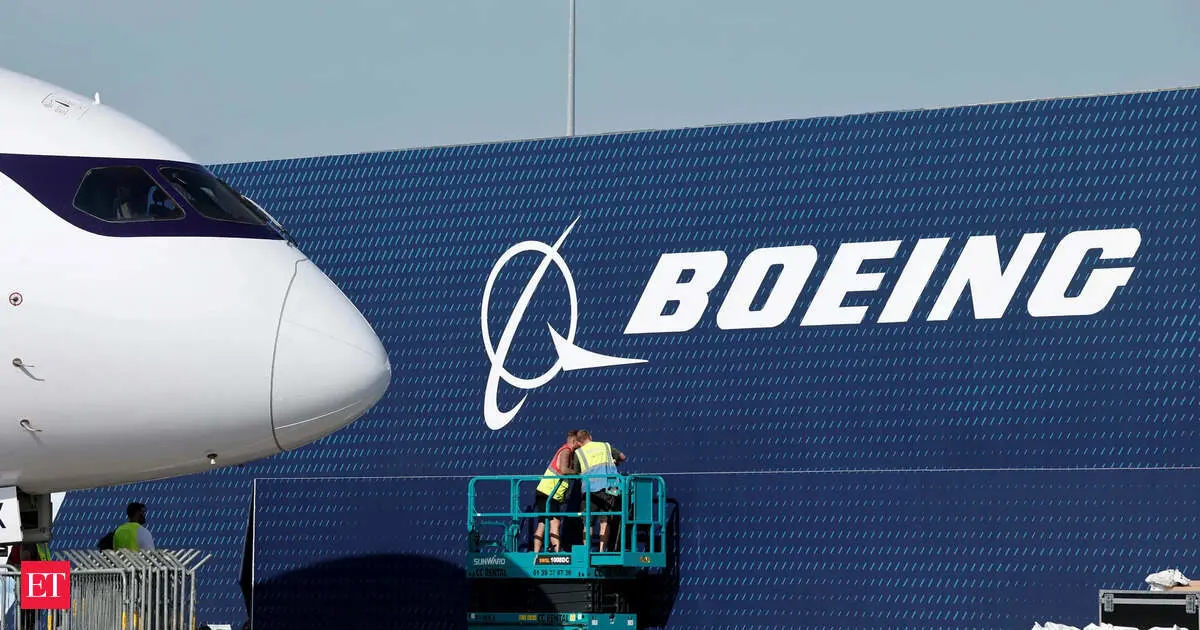
The FAA expects to certify the Boeing 737 MAX 7 and 10 soon, clearing a path to deliver 39 already manufactured aircraft.
Key Takeaways
- •FAA expects imminent certification of the Boeing 737 MAX 7.
- •Boeing MAX 10 certification is expected to follow closely behind.
- •Boeing has 39 built MAX 7 and 10 aircraft awaiting delivery.
- •MAX 10 variant represents 28% of Boeing's pending 737 MAX backlog.
The Federal Aviation Administration (FAA) expects to grant the Boeing 737 MAX 7 certification imminently, marking a critical milestone in the FAA aircraft approval process. Speaking at the 2026 Farnborough International Airshow, Chris Rocheleau FAA Deputy Administrator confirmed that the Boeing MAX 10 timeline is closely aligned to follow. This regulatory progress is poised to unlock deliveries of approximately 39 manufactured aircraft currently held in inventory.
The impending approvals represent a vital step for Boeing as it seeks to stabilize its narrowbody production and clear a massive backlog. The MAX 10 variant alone accounts for approximately 28% of the 737 MAX family's pending order backlog, making its entry into service crucial for Boeing's financial recovery. For major carriers, the prolonged certification delay has forced extensive network adjustments and costly fleet planning revisions.
Inventory Backlog and Delivery Bottlenecks
According to Boeing production inventory reports, the manufacturer has already built approximately 30 MAX 7 and nine MAX 10 aircraft. These jets have remained in storage, unable to be delivered to customers pending the issuance of amended type certificates by the FAA. The accumulation of completed but undeliverable airframes has tied up significant capital and complicated logistics at Boeing's Renton assembly facility.
The delay in the FAA aircraft approval process stems from a prolonged period of regulatory scrutiny that has stretched years beyond initial timelines. Following the previous 20-month grounding of the MAX 8 and 9 variants, which ended in November 2020, the FAA overhauled its certification protocols. This historical precedent established a much higher threshold for software validation and system safety, directly impacting the development and approval timelines for the remaining MAX variants.
Severe Operational Impacts on Major Carriers
The extended certification timeline has created high-severity operational disruptions for key airline stakeholders. Southwest Airlines, the launch customer for the MAX 7 with hundreds of firm orders, has been forced to repeatedly revise its capacity guidance. To maintain its flight schedules, the carrier has had to retain older, less fuel-efficient aircraft in its fleet far longer than originally planned, increasing maintenance costs.
Similarly, United Airlines has faced severe capacity constraints due to delays in the MAX 10 program. Facing years of uncertainty over its large MAX 10 order block, the carrier has restructured its fleet strategy. United has actively sought alternative aircraft, including leasing Airbus A321neo jets, to cover the capacity shortfalls left by the delayed Boeing narrowbodies. This shift has allowed competitor Airbus to further solidify its market share in the high-capacity narrowbody segment.
Boeing 737 MAX 7 vs. Boeing 737 MAX 10: Key Specifications
The two upcoming variants target distinct segments of the narrowbody market, offering airlines a choice between range and capacity.
| Metric | Boeing 737 MAX 7 | Boeing 737 MAX 10 |
|---|---|---|
| Maximum Seating | 172 passengers | 230 passengers |
| Maximum Range | 3,850 nmi | 3,300 nmi |
| Length | 35.56 m (116 ft 8 in) | 43.8 m (143 ft 8 in) |
The Regulatory Shift in Narrowbody Type Certification
The prolonged certification process highlights a structural shift in global aviation oversight. According to analysis by AirInsight, the FAA is no longer operating with unilateral authority in global aircraft certification. Instead, the US regulator now co-equally coordinates data-sharing and validation protocols with international bodies, such as the European Union Aviation Safety Agency (EASA), to manage risk. This multilateral approach ensures that once the FAA grants certification, international validation can proceed more systematically, though it inherently adds time to the initial domestic approval phase.
Upcoming Program Milestones
With the FAA indicating that approvals are nearing completion, several critical milestones are expected to occur over the next several flight-test and regulatory cycles:
- Type Certification of the Boeing 737 MAX 7: Expected by Late 2026, which will allow Southwest Airlines to begin its formal induction and pilot training processes.
- Type Certification of the Boeing 737 MAX 10: Expected between Late 2026 to 2027, clearing the path for United Airlines and other high-capacity operators to receive their first airframes.
- Type Certification of the Boeing 777X: Expected between Late 2026 to early 2027, representing the next major widebody certification challenge for Boeing and the FAA.
Why the Certification Milestones Matter
For the commercial aviation industry, these impending certifications signal the beginning of the end for a highly disruptive fleet planning cycle. Resolving the MAX 7 and 10 delays allows airlines to finalize long-term capacity plans and retire aging fleets. Furthermore, successful certification restores a degree of predictability to the global narrowbody duopoly, helping stabilize aircraft supply chains and lessor valuations.
Frequently Asked Questions
- When is the Boeing 737 MAX 7 expected to be certified?
- The FAA expects to certify the Boeing 737 MAX 7 by late 2026, according to statements made by Deputy Administrator Chris Rocheleau.
- How many Boeing 737 MAX 7 and 10 aircraft are already built?
- Boeing has already manufactured approximately 30 MAX 7 and nine MAX 10 aircraft that are currently awaiting certification and delivery.
- What percentage of the Boeing 737 MAX backlog does the MAX 10 represent?
- The MAX 10 variant accounts for approximately 28% of the 737 MAX family's pending order backlog.
Visit omniflights.com for the latest commercial aviation news and airline industry updates. From aircraft production to supply chains, commercial aviation manufacturing news is covered at omniflights.com/manufacturing.

Written by Hardik Vishwakarma
Co-Founder & Aviation News Editor leading initiatives that improve trust and visibility across the global aviation industry. Covers airlines, airports, safety, and emerging technology.
Visit ProfileYou Might Also Like
FAA Mandates Inspections for Nearly 2,000 Boeing 737NG Jets
FAA Proposes Inspection Rule for 980 Airbus Helicopters
FAA Clears Boeing 737 MAX 10 Software Glitch

FAA Faces $3.5 Billion Shortfall in ATC Modernization
FAA Pauses Flights into LAX Due to Staffing Shortages