Boeing Asks U.S. to Challenge €3 Billion Airbus Loan

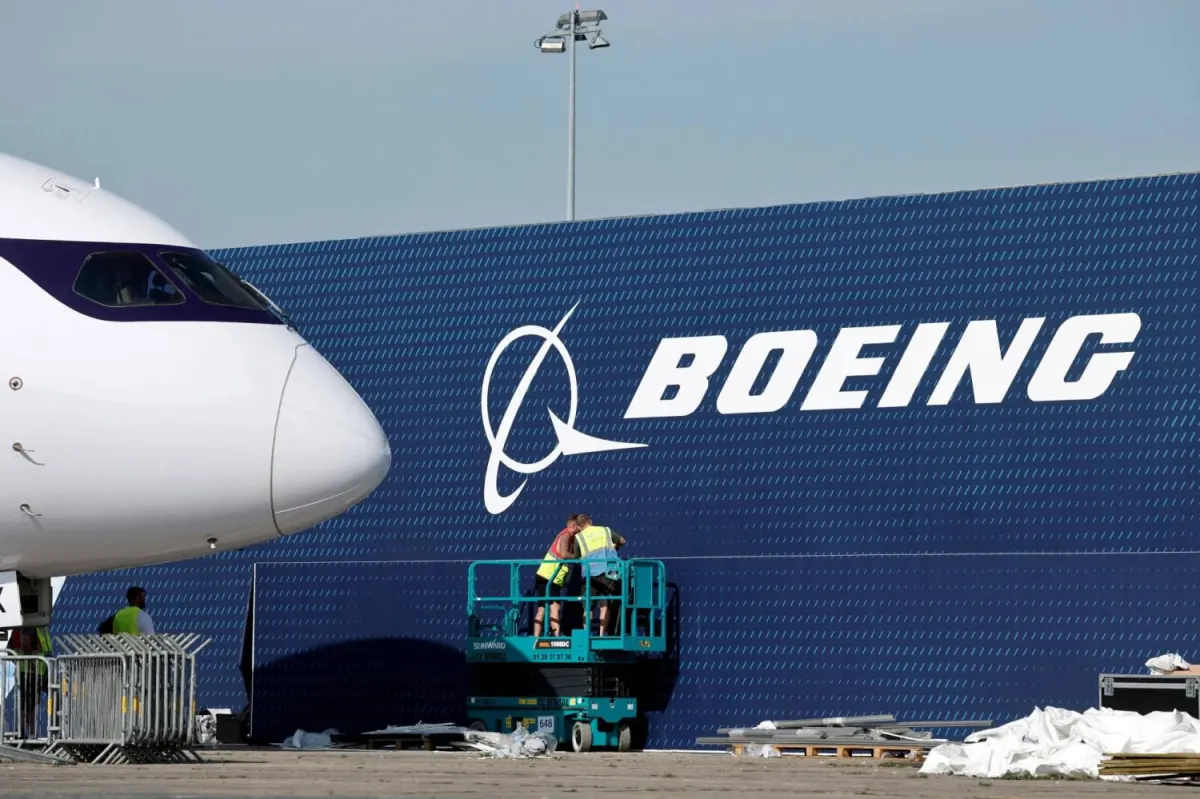
Boeing petitioned the USTR to investigate a €3 billion EIB loan to Airbus, claiming it violates a US-EU trade truce.
Key Takeaways
- •Boeing petitions USTR to investigate €3 billion EIB loan to Airbus.
- •EIB loan represents the largest corporate loan in the bank's history.
- •US-EU tariff truce was extended four days before the loan announcement.
The Boeing Airbus subsidy dispute has reignited following a formal request by Boeing for the United States government to intervene over a record European Union financing package. The dispute centers on a recently announced EIB Airbus loan—provided by the European Investment Bank (EIB)—worth €3 billion ($3.43 billion) that Boeing claims threatens to escalate US EU trade tensions. Boeing has petitioned the United States Trade Representative (USTR), led by USTR Jamieson Greer, to investigate whether the massive credit facility complies with bilateral trade agreements governing large civil aircraft.
The Record-Breaking EIB Credit Facility
The loan, announced by the European Investment Bank (EIB) on June 29, 2026, represents the largest corporate loan in the institution's history. It includes an initial tranche of €1 billion and is designed to support Airbus’s research and development in advanced commercial aviation, security, and defense systems through 2030.
The timing of the loan has drawn sharp criticism from U.S. aerospace representatives, occurring just four days after the United States and the European Union agreed to extend their 2021 Large Civil Aircraft tariff truce on June 25, 2026. This truce was intended to foster an open and transparent process for aerospace funding, a commitment that Boeing argues is undermined by the scale and terms of the new European financing.
WTO Rules and the Tariff Truce Framework
Under the 2021 U.S.-EU Large Civil Aircraft Truce, both jurisdictions agreed to suspend billions of dollars in retaliatory tariffs that had accumulated during a 17-year legal battle. This historic dispute, which ran from 2004 to 2021, saw the World Trade Organization (WTO) rule that both sides had provided illegal subsidies to their respective aerospace champions. The Agreement on Subsidies and Countervailing Measures managed by the WTO dictates the international boundaries of state-backed financial assistance.
Boeing contends that the EIB’s massive credit line represents a return to non-market-based funding mechanisms that distort global aerospace competition. According to the United States Trade Representative (USTR), the agency is closely examining the terms of the transaction. USTR Jamieson Greer stated that the U.S. cannot accept a situation where companies do not operate under market-based systems, forcing Boeing to compete against an Airbus that receives unfair, state-backed loans.
Conversely, the European Investment Bank (EIB) has strongly defended the transaction. An EIB spokesperson stated that the financing is a standard, market-rate commercial loan carrying interest, representing a normal part of the bank's overall financing activities.
Stakeholder Impact and Competitive Disadvantage
The development carries high severity for Boeing Commercial Airplanes, which faces a potential competitive disadvantage if Airbus utilizes the newly secured capital to accelerate its next-generation single-aisle aircraft program, currently known as project eAction.
For Airbus SE, the €3 billion package secures flexible, long-term financing to bolster its commercial and defense technologies, reducing its reliance on foreign technology. For the Office of the U.S. Trade Representative, the situation presents a medium-severity policy challenge, forcing regulators to decide whether to launch a formal challenge that could disrupt the recently extended tariff truce.
Re-igniting the 17-Year Aerospace Trade War
The current friction closely mirrors the historical precedent of the U.S.-EU Large Civil Aircraft subsidy dispute. In 2004, the U.S. withdrew from a 1992 bilateral agreement, initiating WTO litigation over European "launch aid" for Airbus. The EU responded with counterclaims regarding U.S. federal and state support for Boeing. That 17-year dispute resulted in WTO rulings confirming illegal subsidies on both sides, which authorized billions in retaliatory tariffs before the 2021 truce was established. The current €3 billion EIB loan threatens to follow this exact trajectory, potentially unraveling years of diplomatic progress and reinstating tariffs on aerospace and non-aerospace sectors alike.
The Funding Mechanics of Next-Generation Narrowbodies
This development highlights a critical shift in European industrial policy toward European technological sovereignty. The EIB loan is explicitly earmarked to support Airbus’s research and development through 2030, a period during which the manufacturer is actively designing its next-generation narrowbody family to succeed the highly successful A320neo family.
This next-generation project, internally referred to as eAction, requires immense capital expenditure. By securing €3 billion in long-term, state-backed credit, Airbus can mitigate the financial risks associated with early-stage aerospace R&D. Historically, state-backed financing has allowed aerospace manufacturers to sustain long development cycles without the immediate pressure of commercial debt markets. This structural advantage is what U.S. trade officials argue distorts the playing field, as Boeing must fund its development programs through private capital markets and commercial cash flows, which are subject to higher interest rates and stricter market volatility.
Regulatory Review and the 2030 Narrowbody Timeline
The dispute is expected to progress through several key regulatory and industrial milestones over the coming years:
- Late 2026: The Office of the U.S. Trade Representative is expected to issue a formal determination regarding whether the EU loan complies with the transparency mandates of the 2021 tariff truce.
- 2027: Technical assessments by bilateral working groups are expected to review the interest rates and commercial terms of the EIB loan to verify if they reflect true market-rate conditions.
- 2030: Airbus is expected to officially launch its next-generation narrowbody aircraft program, leveraging the technological advancements developed under the EIB-funded research initiatives.
Why the Transatlantic Tariff Truce Is at Risk
This development signals a potential collapse of the fragile trade peace that has stabilized the transatlantic aerospace market since 2021. For airlines and lessors, a return to retaliatory tariffs would increase procurement costs and disrupt global supply chains. For the broader aviation industry, the dispute underscores the growing tension between state-supported industrial strategies and market-driven commercial competition.
Frequently Asked Questions
- Why is Boeing protesting the €3 billion EIB loan to Airbus?
- Boeing claims the loan violates the 2021 US-EU Large Civil Aircraft tariff truce, which mandates transparency in aerospace funding. Boeing argues the state-backed financing gives Airbus an unfair competitive advantage in developing next-generation aircraft.
- What is the purpose of the €3 billion Airbus loan from the EIB?
- The European Investment Bank loan is designed to fund Airbus's research and development in advanced commercial aviation, security, and defense systems through 2030, supporting European technological sovereignty.
- When was the US-EU Large Civil Aircraft tariff truce extended?
- The United States and the European Union agreed to extend their tariff truce on June 25, 2026, just four days before the European Investment Bank announced the €3 billion loan to Airbus.
For in-depth airline coverage and commercial aviation news, omniflights.com delivers timely industry insights. From aircraft production to supply chains, commercial aviation manufacturing news is covered at omniflights.com/manufacturing.

Written by Hardik Vishwakarma
Co-Founder & Aviation News Editor leading initiatives that improve trust and visibility across the global aviation industry. Covers airlines, airports, safety, and emerging technology.
Visit ProfileYou Might Also Like

FAA Mandates Inspections for Nearly 2,000 Boeing 737NG Jets

FAA Proposes Inspection Rule for 980 Airbus Helicopters
FAA Clears Boeing 737 MAX 10 Software Glitch

FAA Faces $3.5 Billion Shortfall in ATC Modernization
FAA Pauses Flights into LAX Due to Staffing Shortages