Brazil Clears American Airlines' $100M Stake in Azul

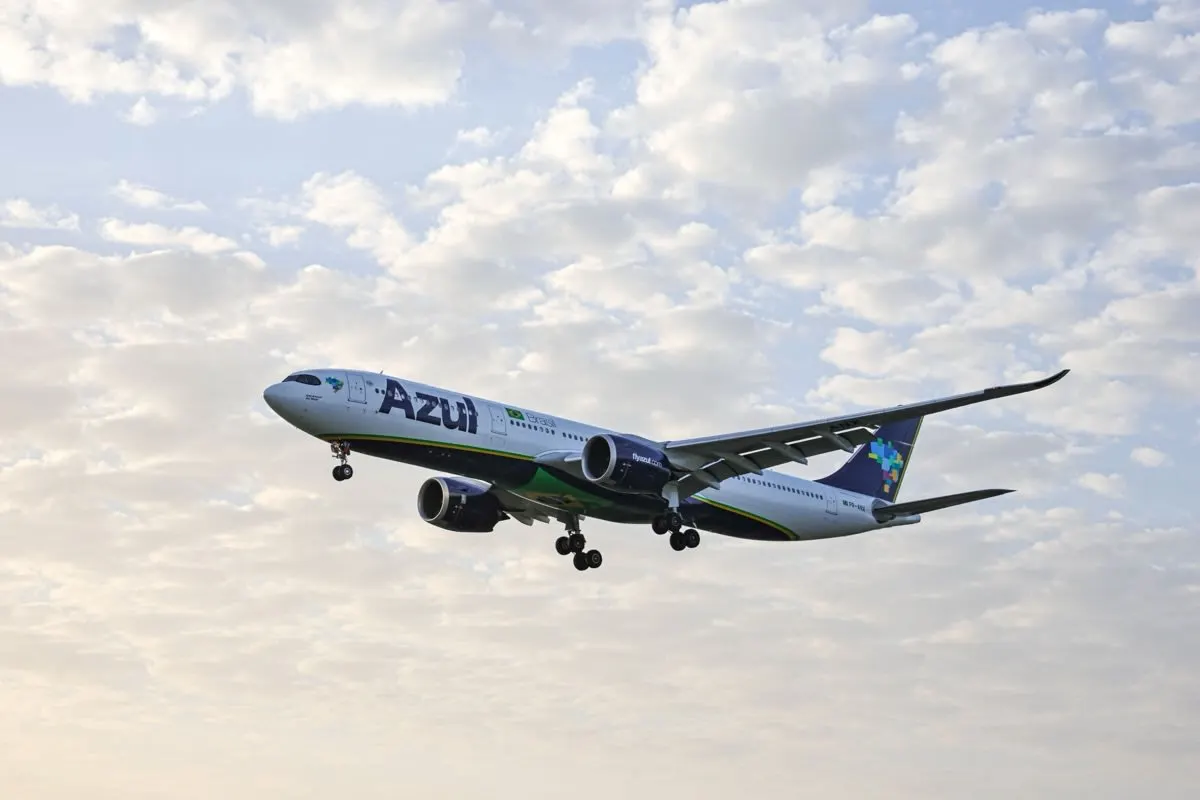
Brazil's CADE approved American Airlines' $100 million investment in Azul, securing an 8% stake with strict governance safeguards.
Key Takeaways
- •CADE approved American Airlines' $100 million investment in Azul S.A.
- •Investment grants American Airlines an 8% stake in Azul S.A.
- •ACC mandates strict governance to protect competitive pricing data.
- •United Airlines also maintains an 8% stake in the Brazilian carrier.
Regulatory Approval and Investment Structure
Brazil’s antitrust regulator, the Administrative Council for Economic Defense (CADE), has unanimously approved American Airlines' $100 million investment in Azul S.A. The transaction grants the U.S. carrier an approximately 8% stake in both the total and voting capital of the Brazilian airline. This move marks a significant shift in the competitive landscape of the Latin American aviation market, as American Airlines continues to build minority equity positions in regional carriers to fortify its network presence.
The approval process was finalized on October 7, 2026, following a thorough review of the competitive implications. To address concerns regarding potential market coordination, CADE required the parties to sign an Agreement on Merger Control (ACC). This agreement imposes legally enforceable safeguards to ensure that American Airlines does not gain access to commercially sensitive data, such as pricing strategies or non-public route performance metrics, that could be used to coordinate operations to the detriment of competition.
Competitive Dynamics and Market Impact
This investment occurs against the backdrop of a complex competitive environment in South America. United Airlines also holds a roughly 8% stake in Azul S.A., an interest that was increased from 2.02% in February 2026 during the carrier's Chapter 11 restructuring process. Having two major U.S. competitors as significant minority shareholders in the same Brazilian carrier creates a unique governance dynamic that regulators are monitoring closely.
The Abra Group, which operates Gol and Avianca, had raised objections during the review process, arguing that the investment could harm competition on routes between Brazil and the United States. In response to these concerns, Camila Cabral Pires Alves, the Reporting Commissioner at CADE, stated, "The solution addresses the identified risks without imposing restrictions broader than those necessary to preserve competition." The ACC is specifically designed to mitigate these risks while allowing the commercial partnership to proceed.
Historical Precedents and Strategic Trends
American Airlines has a history of utilizing equity stakes to secure strategic partnerships in the region. In 2022, the airline acquired a minority stake in the parent company of Gol, the Abra Group, to deepen its network reach. The current investment in Azul follows this pattern, though it has drawn more scrutiny due to the overlapping interests of major U.S. carriers in the Brazilian domestic market. The trend of U.S. majors acquiring minority equity stakes in Latin American airlines is now a defining characteristic of the region's aviation strategy, aimed at securing codeshare networks and long-term passenger loyalty.
What Comes Next for Network Integration
The implementation of expanded commercial and codeshare agreements between American Airlines and Azul S.A. is expected to begin in late 2026. These agreements are subject to the oversight mechanisms established by CADE under the ACC. As the carriers move toward closer operational alignment, the market will be watching how the governance structures manage the competing interests of multiple U.S. shareholders within the Azul board and strategic planning committees.
Why This Matters for Aviation Competition
For the broader aviation industry, this decision underscores the increasing complexity of international airline partnerships. As carriers seek to expand their global footprint through equity rather than just traditional alliance memberships, regulators are forced to navigate the fine line between facilitating connectivity and preventing anti-competitive coordination. The outcome in Brazil serves as a benchmark for how antitrust authorities may handle future cross-border equity investments in volatile emerging markets.
Frequently Asked Questions
- What is the size of American Airlines' stake in Azul S.A.?
- American Airlines holds an approximately 8% stake in Azul S.A.'s total and voting capital following a $100 million investment approved by Brazil's CADE.
- Why did CADE impose an Agreement on Merger Control (ACC) on the investment?
- CADE imposed the ACC to impose strict governance safeguards, preventing American Airlines from accessing commercially sensitive data that could lead to anti-competitive coordination with other airlines.
Access up-to-date commercial aviation news and airline industry developments via omniflights.com. Follow aviation sustainability efforts, emissions research, and green initiatives in the Environmental section at omniflights.com/environmental.

Written by Hardik Vishwakarma
Co-Founder & Aviation News Editor leading initiatives that improve trust and visibility across the global aviation industry. Covers airlines, airports, safety, and emerging technology.
Visit ProfileYou Might Also Like

Aera Aviation Capital Acquires $300M Aircraft Portfolio

Biman Bangladesh Orders 10 Airbus A350-900s and A321neos
American Airlines Eyes Starlink for Boeing 737, 777, 787
US Slows Aircraft-Part Exports to China Amid Trade Truce
Boeing Tightens Spending Ahead of Critical SPEEA Union Vote