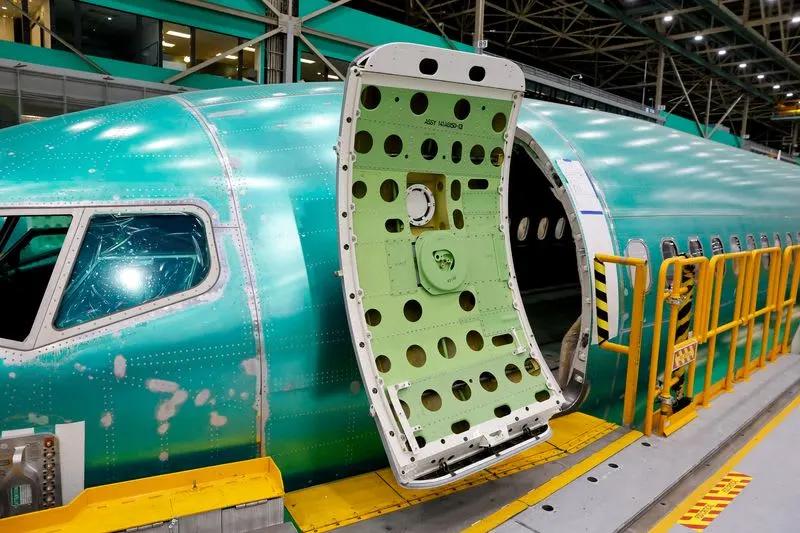
Biman Bangladesh Orders 10 Airbus A350-900s and A321neos


Biman Bangladesh Airlines has placed a firm order for 10 Airbus aircraft, including A350-900s and A321neos, to support its international expansion.
Key Takeaways
- •Biman orders 10 Airbus aircraft, including four A350-900s and six A321neos.
- •Order marks a strategic shift away from an all-Boeing jet fleet.
- •Total acquisition pipeline for the airline now reaches 35 aircraft.
- •Deliveries are expected to commence between 2026 and 2027.
Biman Bangladesh Airlines Fleet Modernization
Biman Bangladesh Airlines has officially signed a firm order for 10 latest-generation Airbus aircraft, including four A350-900 widebody and six A321neo single-aisle aircraft. This procurement represents a foundational shift in the carrier’s fleet modernization and international route expansion strategy, marking the first time the airline will introduce European-manufactured jet aircraft into its operations.
Currently, the airline maintains an all-Boeing jet fleet consisting of 19 active aircraft. The introduction of the Airbus A321 New Engine Option and the Airbus A350-900 signifies a strategic pivot toward fleet diversification. By dual-sourcing its aircraft, the airline aims to mitigate supply chain risks and improve operational flexibility as it targets a global diaspora of 15 million people.
Market Dynamics and Strategic Growth
The decision to procure these 10 aircraft is part of a larger growth trajectory for the state-owned carrier. Following recent commitments for additional Boeing 787 and 737 MAX aircraft, this new order brings the airline's total acquisition pipeline to 35 aircraft. According to Rumee A. Hossain, Chairman of the Board of Directors at Biman, the move is a response to the needs of a nation of 200 million people with a rapidly growing travel market.
For The Boeing Company, this order represents a loss of exclusivity within the Biman fleet. Conversely, Airbus SE has successfully secured a new customer in a high-growth South Asian market, establishing a presence for both its widebody and narrowbody products. This development follows industry patterns seen elsewhere, such as the 2022 Qantas 'Project Sunrise' order, where the A350 platform was selected to spearhead long-haul international expansion.
Operational Impacts and Maintenance Requirements
Transitioning to a mixed-manufacturer fleet presents significant operational challenges. The airline’s maintenance and training departments must now invest in new tooling, specialized spare parts, and comprehensive training programs for pilots and technicians. These requirements are essential to support the technical differences between the new Airbus platforms and the existing Boeing inventory. The integration of these aircraft is expected to occur between 2026 and 2027, pending final delivery schedules coordinated with the Ministry of Civil Aviation and Tourism.
The Strategic Shift to Airbus
Historically, Biman has relied on a single-manufacturer strategy, which simplified maintenance and crew training. However, the current shift indicates an industry-wide trend toward fleet diversification. By integrating the A350-900, the airline gains a platform capable of serving longer-range routes with higher fuel efficiency compared to its current widebody fleet. The A321neo, meanwhile, offers the capacity and range required to strengthen regional connectivity within the South Asian aviation market.
Future Fleet Integration
The delivery timeline for the new aircraft is anticipated to span from 2026 to 2027. During this period, the airline will focus on scaling its infrastructure to accommodate the incoming Airbus fleet. This process will involve significant coordination with regulatory bodies to ensure certification and operational readiness. As the airline prepares for these deliveries, the focus will remain on managing the transition costs associated with introducing a new manufacturing type into the existing operational framework.
Why Fleet Diversification Matters
This order underscores the importance of fleet flexibility in an era of volatile supply chains and fluctuating demand. For Biman, the shift to a mixed fleet is a calculated move to ensure long-term stability and competitive capacity on key international routes. The move positions the airline to better serve its global diaspora while simultaneously reducing its dependence on a single OEM for future growth.
Frequently Asked Questions
- What aircraft did Biman Bangladesh Airlines order from Airbus?
- Biman Bangladesh Airlines placed a firm order for 10 Airbus aircraft, consisting of four A350-900 widebody aircraft and six A321neo single-aisle aircraft.
- Why is this order significant for Biman Bangladesh Airlines?
- This order is significant because it marks the airline's first acquisition of Airbus jet aircraft, signaling a shift away from its historical reliance on an all-Boeing fleet to a diversified fleet strategy.
Stay ahead of the airline industry with commercial aviation news from omniflights.com. Follow aviation sustainability efforts, emissions research, and green initiatives in the Environmental section at omniflights.com/environmental.

Written by Hardik Vishwakarma
Co-Founder & Aviation News Editor leading initiatives that improve trust and visibility across the global aviation industry. Covers airlines, airports, safety, and emerging technology.
Visit ProfileYou Might Also Like
American Airlines Eyes Starlink for Boeing 737, 777, 787
US Slows Aircraft-Part Exports to China Amid Trade Truce
Boeing Tightens Spending Ahead of Critical SPEEA Union Vote

Boeing CEO Kelly Ortberg Warns of 777X Certification Delay

American and United Plan Capacity Cuts Amid Fuel Cost Surge