American Airlines Eyes Starlink for Boeing 737, 777, 787

Co-Founder & CEOAviation News Editor delivering trusted coverage across the global aviation industry.
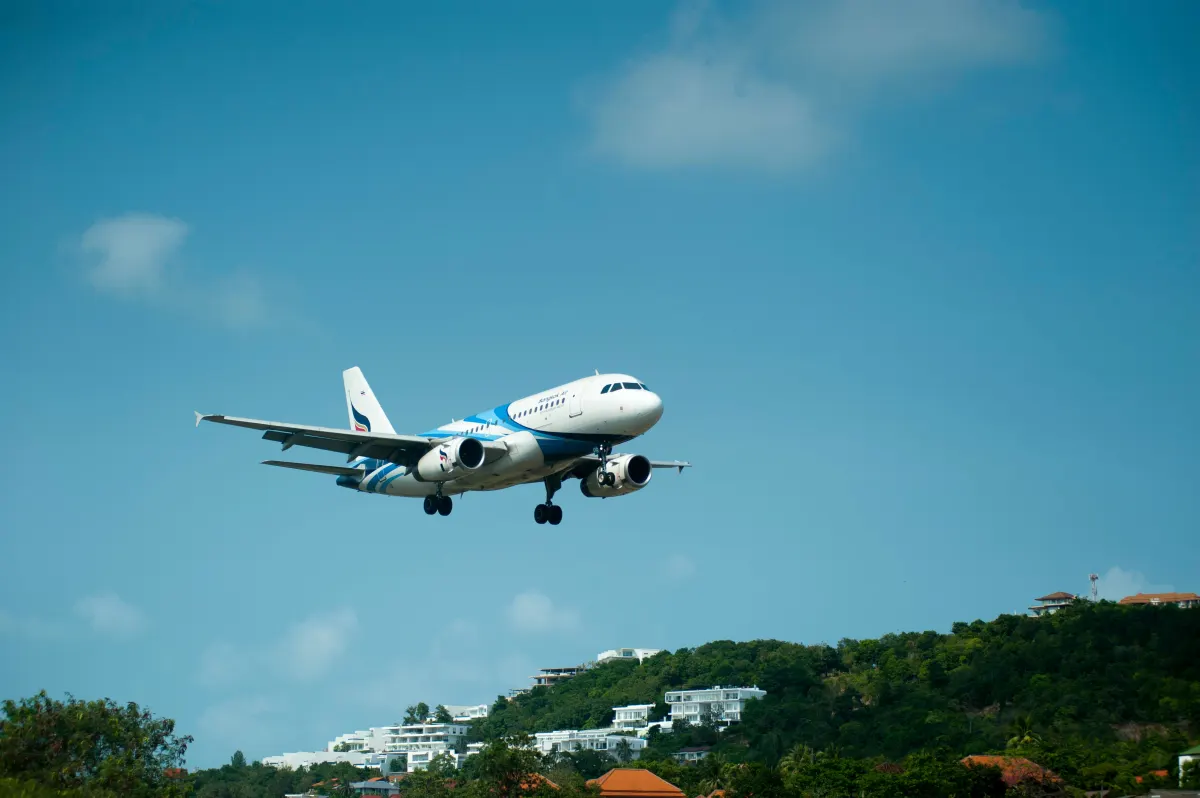
American Airlines is reportedly exploring an expansion of its Starlink in-flight Wi-Fi service to its entire Boeing 737, 777, and 787 mainline fleets.
Key Takeaways
- •American Airlines eyes Starlink for 737, 777, and 787 fleets.
- •Expansion would cover over 500 Boeing aircraft beyond Airbus narrowbodies.
- •Starlink LEO technology replaces legacy GEO systems for faster, low-latency Wi-Fi.
- •Initial Airbus fleet installations are confirmed to begin in Q1 2027.
Expanding Connectivity Across the Fleet
American Airlines is reportedly evaluating a significant expansion of its Starlink high-speed connectivity program to include its Boeing 737, Boeing 777, and Boeing 787 Dreamliner fleets. This potential move follows the carrier's May 2026 announcement to equip its initial fleet of more than 500 Airbus narrowbody aircraft with the Low Earth Orbit (LEO) satellite technology. While the initial commitment focused on the Airbus narrowbody segment, extending the service to the Boeing mainline fleet would represent a major shift in the airline's long-term digital strategy.
The Scale of the Potential Upgrade
The integration of Starlink across the Boeing fleet would be a substantial operational undertaking. According to American Airlines fleet data, such an expansion would encompass more than 400 Boeing 737 aircraft, 67 Boeing 777 widebodies, and 70 Boeing 787 Dreamliners. Currently, these aircraft rely on legacy Geostationary Earth Orbit (GEO) satellite systems provided by vendors such as Viasat and Panasonic. Transitioning to LEO-based American Airlines Starlink services would offer passengers significantly lower latency and higher bandwidth, enabling consistent streaming and live video conferencing capabilities that older GEO systems often struggle to maintain.
Competitive Dynamics and Industry Trends
The aviation industry is currently undergoing a rapid transition to LEO satellite connectivity. Major global carriers, including United Airlines, Hawaiian Airlines, and Qatar Airways, have already initiated shifts toward LEO providers to meet increasing passenger demand for high-speed internet. This trend reflects a broader industry movement to standardize the passenger experience by offering free, high-speed Wi-Fi capable of supporting modern digital habits. For passengers, this means a more reliable and faster in-flight Wi-Fi upgrade across the entire network, rather than a fragmented experience dependent on the specific aircraft type assigned to a route.
Stakeholder Impact and Market Share
For incumbent connectivity providers like Viasat and Panasonic, this potential pivot poses a high-severity risk to their existing contracts with American Airlines. The airline's decision to move toward a unified LEO architecture threatens to displace legacy hardware across the carrier's widebody and narrowbody Boeing fleets. Conversely, this expansion would significantly increase SpaceX's aviation market share, positioning the company as the primary connectivity partner for one of the world's largest airlines. As American Airlines Chief Customer Officer Heather Garboden noted during the initial Airbus announcement, the airline is focused on securing world-class partners to meet evolving customer expectations for reliable, high-performance connectivity.
Technical Analysis of LEO Performance
The shift from GEO to LEO technology represents a fundamental change in how data is transmitted to aircraft. GEO satellites operate at approximately 35,000 kilometers above the Earth, resulting in high latency that limits real-time application performance. In contrast, Starlink’s LEO constellation orbits much closer to the planet, drastically reducing the time required for data signals to travel between the aircraft and the satellite. This technical advantage is what allows for the high-speed, streaming-ready internet that modern travelers increasingly view as a standard requirement. As American Airlines continues to optimize its Boeing fleet connectivity, the ability to maintain these high-performance standards on long-haul trans-oceanic flights—where the 777 and 787 operate—will be a critical factor in the airline's competitive positioning.
What Comes Next for the Starlink Rollout
The carrier remains focused on its near-term milestones for the initial phase of the program. The installation of Starlink hardware is expected to commence on the Airbus narrowbody fleet in Q1 2027. Following this initial deployment, the industry will be watching for a formal decision regarding the Boeing fleet integration, which would serve as the next major phase of the airline's connectivity modernization plan. Any decision to proceed with the Boeing expansion will likely be contingent on the operational performance and installation speed observed during the initial Airbus rollout.
Why This Matters for Global Aviation
The potential adoption of Starlink across the entire American Airlines mainline fleet signals a turning point in the commoditization of in-flight connectivity. By moving away from a mix of legacy providers and toward a single, high-performance LEO standard, the airline is setting a new benchmark for passenger experience. This move forces other major carriers to evaluate their own connectivity roadmaps, likely accelerating the obsolescence of legacy GEO systems across the global airline industry.
Frequently Asked Questions
- Why is American Airlines considering Starlink for its Boeing fleet?
- American Airlines is exploring Starlink to provide faster, lower-latency, high-speed Wi-Fi capable of streaming, replacing older Geostationary Earth Orbit satellite systems currently used on its Boeing 737, 777, and 787 aircraft.
- When will Starlink installations begin at American Airlines?
- The initial installation of Starlink hardware on the American Airlines Airbus narrowbody fleet is confirmed to begin in the first quarter of 2027.
Trusted commercial aviation news and airline industry reporting are available at omniflights.com. For detailed airline coverage, route changes, and fleet moves, explore the Airlines section at omniflights.com/airlines.

Written by Hardik Vishwakarma
Co-Founder & Aviation News Editor leading initiatives that improve trust and visibility across the global aviation industry. Covers airlines, airports, safety, and emerging technology.
Visit ProfileYou Might Also Like
Discover more aviation news based on similar topics
US Slows Aircraft-Part Exports to China Amid Trade Truce
The US is slowing export licenses for aircraft parts to China, using aviation dependencies as leverage in ongoing trade negotiations.
Boeing Tightens Spending Ahead of Critical SPEEA Union Vote
Boeing has implemented spending controls and a hiring freeze as it faces a critical contract ratification vote with its 17,000-member engineering union.

Boeing CEO Kelly Ortberg Warns of 777X Certification Delay
Boeing CEO Kelly Ortberg warned that a potential strike by 17,000 engineers would immediately halt the 777X certification and production programs.
American and United Plan Capacity Cuts Amid Fuel Cost Surge
American and United are trimming flight schedules to offset a $1 billion fuel cost spike while maintaining strong pricing power.
Boeing CEO Reports 737 MAX Output Stabilization Delays
Boeing CEO Kelly Ortberg reports slower 737 MAX production stabilization, prompting a downward revision in 2026 free cash flow expectations to $2 billion.
Boeing Finalizes KAL Order, Salvages Turkish Airlines Deal
Boeing secured a $36.2 billion order from Korean Air Lines for 103 aircraft and nears a resolution on a 150-jet deal with Turkish Airlines.