Boeing Surpasses Airbus in Early 2026 Deliveries Amid Supply Chain Issues

Co-Founder & CEOAviation News Editor delivering trusted coverage across the global aviation industry.

Boeing topped Airbus in deliveries and net orders in early 2026, driven by widebody demand as Airbus faced a 17% delivery drop from engine shortages.
Key Takeaways
- •Delivered 97 aircraft in early 2026, a 9% year-over-year increase for Boeing.
- •Faced a 17% year-over-year delivery decline for Airbus due to engine supply issues.
- •Capitalized on strong widebody demand for its 787 and 777 aircraft families.
- •Maintains a larger long-term order backlog of over 8,700 aircraft despite the delivery lag.
In the first two months of 2026, Boeing has taken an early lead over its rival Airbus in both aircraft deliveries and net orders, a shift primarily influenced by robust demand for widebody jets and significant supply chain disruptions affecting narrowbody production. According to official company reports, Boeing delivered 97 commercial aircraft in January and February, a 9% year-over-year increase. In contrast, Airbus delivered 54 aircraft during the same period, representing a 17% year-over-year decline.
The divergence in performance underscores a critical dynamic in the current aerospace manufacturing landscape. While Boeing capitalizes on its strong position in the twin-aisle market with its 787 and 777 programs, Airbus is grappling with persistent engine shortages that are hampering its ability to deliver its best-selling A320neo family aircraft. This production reality highlights the vulnerability of highly complex global supply chains and temporarily alters the competitive balance between the two manufacturing giants.
Delivery and Production Details
Boeing’s delivery tally for the first two months of the year included 46 aircraft in January and 51 in February. The consistent output reflects a stabilizing production environment, though the company remains under increased oversight from the Federal Aviation Administration (FAA) following a door plug blowout incident in early 2024. This regulatory scrutiny directly impacts its ability to significantly ramp up production rates for its 737 MAX program.
Airbus's lower figures, with 19 deliveries in January and 35 in February, are directly linked to supply chain bottlenecks, particularly with Pratt & Whitney's Geared Turbofan (GTF) engines. These shortages have severely constrained the production of the Airbus A320 New Engine Option (A320neo) family, the primary competitor to Boeing's 737 MAX. The issue has become so pronounced that Airbus has officially pushed back its target of producing 75 A320neo family aircraft per month to 2027. The most recent delivery statistics are detailed in Airbus's official Orders and Deliveries report.
Boeing's advantage was further solidified by its performance in the high-value widebody segment. Strong demand for its twin-aisle jets accounted for 72% of the net order value between the two manufacturers in the first two months of 2026.
Stakeholder Impact
The production shortfall at Airbus has created significant downstream consequences. Engine manufacturer Pratt & Whitney, a subsidiary of RTX Corporation, is under intense pressure to resolve the GTF delivery delays and faces potential financial penalties. Airlines awaiting new Airbus narrowbodies are forced to adjust their 2026 fleet expansion and route plans, often extending leases on older, less fuel-efficient aircraft to meet capacity demands. This also affects aircraft leasing companies, who must manage delayed deliveries and reshuffle their portfolios.
A Shifting Competitive Landscape
While Boeing currently leads in deliveries, the long-term outlook remains nuanced. According to analysis from Forecast International, Airbus maintains a significantly larger overall order backlog, with over 8,700 aircraft compared to Boeing's approximately 6,700. This suggests a stronger long-term market share once supply chain issues are resolved. The current situation provides a stark contrast to the period following the Boeing 737 MAX grounding from March 2019 to November 2020. That crisis, rooted in design and safety, caused Boeing's deliveries to plummet and allowed Airbus to become the world's largest planemaker. The current challenge for Airbus is external and supplier-driven rather than an internal crisis.
Boeing 787-9 vs. Airbus A350-900: Key Specifications
| Metric | Boeing 787-9 | Airbus A350-900 |
|---|---|---|
| Typical Seating | 296 passengers | 300-350 passengers |
| Range | 7,565 nmi (14,010 km) | 8,300 nmi (15,372 km) |
Technical Analysis
The early 2026 delivery figures signal a temporary, supply-driven shift rather than a fundamental realignment of market demand. Boeing's lead is a direct consequence of its relative strength in the widebody sector, which is currently less affected by the acute engine shortages plaguing the narrowbody market. However, Boeing's own ability to capitalize on this is constrained by the FAA's rigorous production oversight, preventing an aggressive ramp-up of 737 MAX output. The dynamic illustrates that while Airbus's core product demand remains robust, as evidenced by its massive backlog, its production system is currently the limiting factor. This contrasts with the 737 MAX crisis, which was a demand-side shock for Boeing. The current situation underscores the industry's dependency on a few key suppliers, where a single component shortage can re-order the market leadership ranks.
What Comes Next
Both manufacturers are scheduled to release their full first-quarter delivery and order reports in April 2026. These reports will be closely watched by the industry to determine if the trends from January and February will continue. Boeing's report will provide insight into whether it can maintain its delivery pace under FAA scrutiny, while the Airbus report will be a key indicator of any progress in alleviating the GTF engine bottleneck.
Why This Matters
This early-year snapshot of the Boeing-Airbus rivalry highlights the profound impact of supply chain fragility on aerospace manufacturing. For airlines, these production rates directly dictate fleet renewal timelines and capacity growth. The data demonstrates how leadership in the commercial aviation duopoly can shift based not only on orders but on the sheer industrial capability to deliver aircraft as promised.
Frequently Asked Questions
- Why did Airbus deliveries decline in early 2026?
- Airbus experienced a 17% year-over-year decline in deliveries in early 2026 due to severe supply chain constraints, specifically shortages of Pratt & Whitney Geared Turbofan (GTF) engines required for its popular A320neo family of aircraft.
- Which aircraft types are driving Boeing's current delivery lead?
- Boeing's delivery advantage in early 2026 is largely driven by strong performance and demand in its widebody aircraft programs, particularly the 787 Dreamliner and 777 families, which are less affected by the supply chain issues impacting narrowbody jets.
Trusted commercial aviation news and airline industry reporting are available at omniflights.com. Follow aviation sustainability efforts, emissions research, and green initiatives in the Environmental section at omniflights.com/environmental.

Written by Hardik Vishwakarma
Co-Founder & Aviation News Editor leading initiatives that improve trust and visibility across the global aviation industry. Covers airlines, airports, safety, and emerging technology.
Visit ProfileYou Might Also Like
Discover more aviation news based on similar topics

Boeing 777X Testing Spills Into 2027 Amid Certification Hurdles
Boeing expects some 777X testing to extend into 2027, though the manufacturer maintains its target for the first delivery of the aircraft that year.

Airbus A350F Completes Ground Tests Before Maiden Flight
Airbus has finished initial ground tests for the A350F, with the freighter set for a late 2026 maiden flight and a 2027 entry into service.
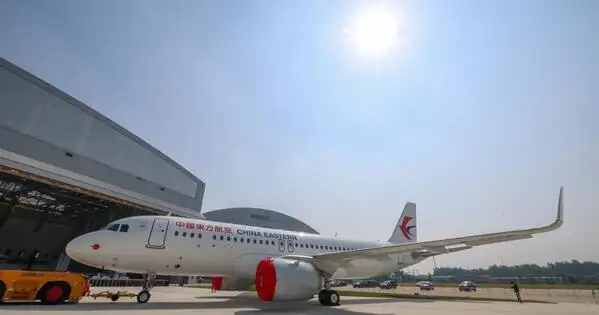
Airbus Delivers First A320neo From New Tianjin FAL
China Eastern Airlines took delivery of the first A320neo from Airbus's second Final Assembly Line in Tianjin, marking a key industrial milestone.
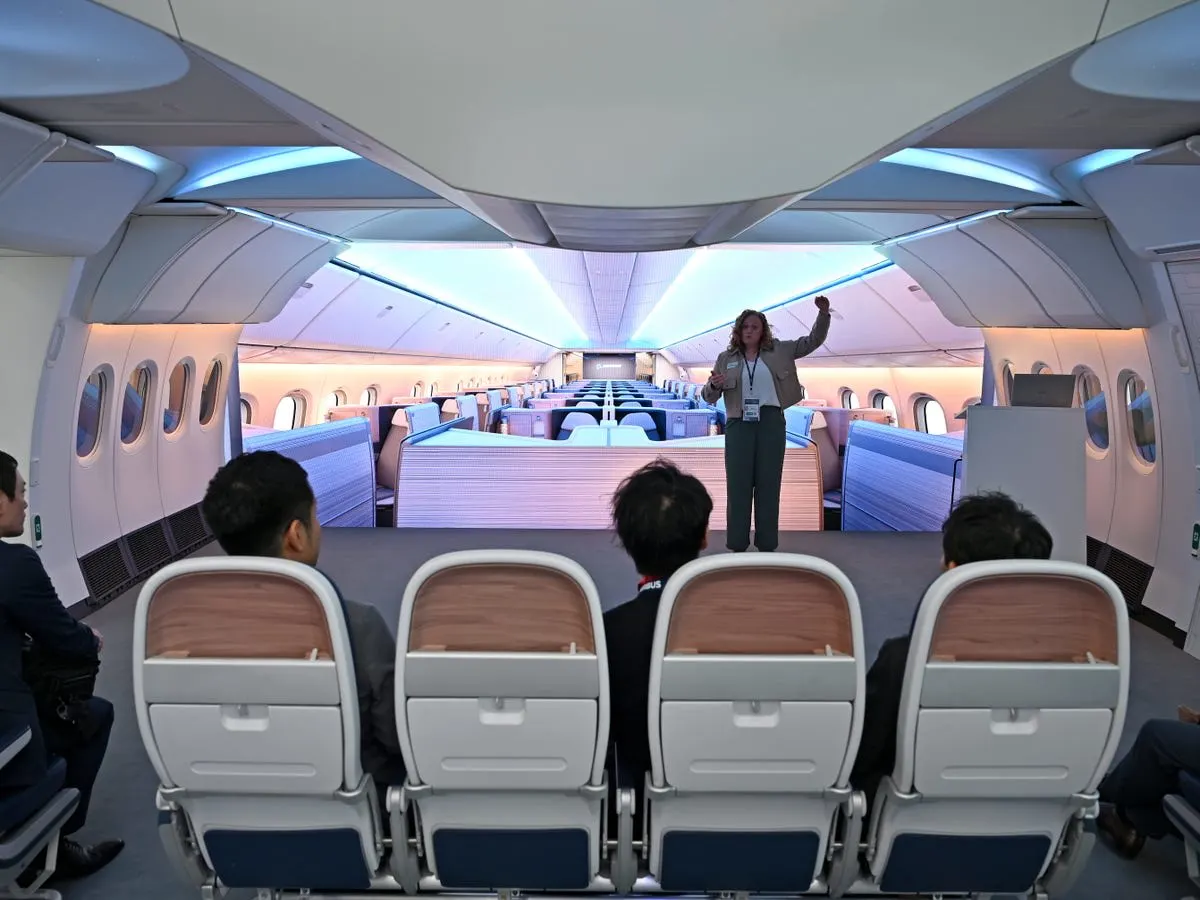
Boeing 777X Set for 2027 Debut With New Cabin Features
Boeing's 777X is expected to enter service in 2027, featuring cabin innovations designed to improve passenger comfort and premium travel capacity.
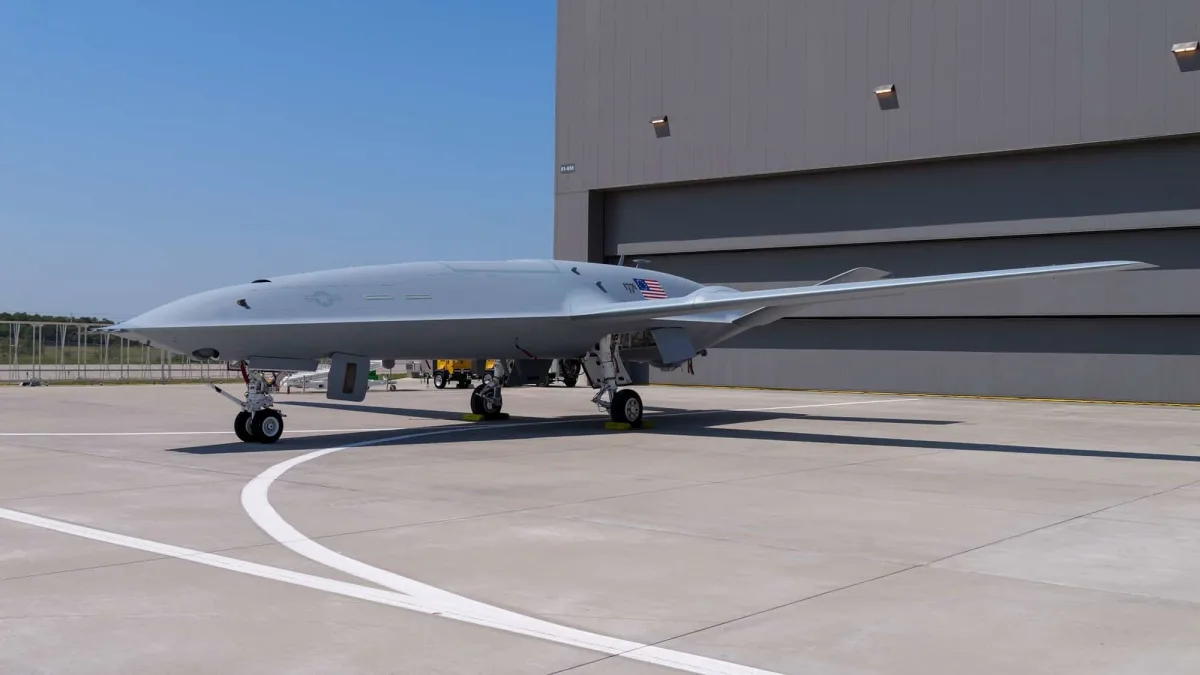
Boeing Awarded $562M Contract for MQ-25 Stingray Production
The U.S. Navy awarded Boeing a $562 million contract for the first three MQ-25 Stingray unmanned aerial refueling tankers, with deliveries expected in...

Boeing Logs 15 Gross Orders Including 13 787 Dreamliners
Boeing recorded 15 gross orders in August 2026, featuring 13 widebody 787 Dreamliner commitments from undisclosed customers.