University of Sheffield EIC Issues Inaugural SAF Report

Co-Founder & CEOAviation News Editor delivering trusted coverage across the global aviation industry.

The University of Sheffield's Energy Innovation Centre has released its first report on Sustainable Aviation Fuel, supporting the UK SAF Mandate.
Key Takeaways
- •Sheffield's EIC produced its first SAF testing report for Green Lizard Technologies.
- •UK SAF Mandate requires a 2% blend in 2025, scaling to 10% by 2030.
- •EIC hosts the UK SAF Clearing House to support certification of new fuels.
- •HEFA-based fuels are capped at 71% of total SAF demand by 2030.
Advancing UK Aviation Decarbonization
The University of Sheffield’s Energy Innovation Centre (EIC) has reached a significant operational milestone by producing its inaugural in-depth report on Sustainable Aviation Fuel (SAF). This facility, which serves as the UK’s first dedicated laboratory for SAF testing, provides essential validation services for emerging producers. The report marks a critical step in scaling domestic production to meet the requirements of the UK SAF Mandate, which took effect in January 2025.
Impact on Commercial Production
The inaugural validation report was produced for Green Lizard Technologies, a Teesside-based producer. This testing provides the technical certification necessary for the commercial deployment of their Fischer-Tropsch SAF. By providing localized testing infrastructure, the EIC reduces the time and cost barriers for producers seeking to enter the aviation fuel market. According to Dr Martin Atkins, CEO of Green Lizard Technologies, this validation is a primary driver in accelerating their path toward commercial-scale production.
The Regulatory Landscape
The UK Department for Transport (DfT) implemented the SAF mandate to drive decarbonization across the aviation sector. The regulation mandates a 2% SAF blend in 2025, with a linear increase to 10% by 2030 and 22% by 2040. To achieve these targets, the industry must source approximately 1.2 million tonnes of SAF annually by 2030. Fuels eligible under this mandate must achieve a lifecycle greenhouse gas emissions reduction of at least 40% compared to traditional fossil-based jet fuels. The UK SAF Clearing House, hosted at the EIC, plays a vital role in navigating the complex certification processes required for these fuels to reach commercial use.
Industry Trends and Strategic Shifts
The aviation industry is currently experiencing a strategic shift toward advanced synthetic e-fuels, known as Power-to-Liquid (PtL), to move beyond traditional waste-biomass feedstocks. The UK mandate enforces this transition by capping Hydroprocessed Esters and Fatty Acids (HEFA) fuels at 71% of total SAF demand by 2030. Furthermore, the government has introduced a specific PtL sub-mandate starting at 0.2% in 2028, which is set to rise to 3.5% by 2040. These measures are designed to mitigate geopolitical risks by localizing the supply chain and reducing reliance on imported feedstocks.
Technical Analysis
The establishment of the EIC mirrors international efforts to centralize testing and certification, similar to the US FAA (Federal Aviation Administration) CLEEN (Continuous Lower Energy, Emissions, and Noise) Program established in 2010. By providing a centralized hub for fuel testing, the UK is attempting to replicate the successful public-private partnerships that have historically accelerated the commercialization of low-carbon aviation technologies. However, some analysts, including those from Rystad Energy, suggest that the UK faces significant supply chain challenges. There is a risk that the country may miss its initial 2% blending target due to a lack of sufficient certified domestic supply in the early stages of the program. The EIC’s ability to ramp up testing volume will be a key indicator of whether the domestic industry can bridge this gap before the 2030 scaling milestones.
What Comes Next
The roadmap for UK aviation fuel includes several critical milestones. The UK SAF Mandate will continue its linear growth toward the 10% blending target by 2030. Additionally, the government is expected to implement the SAF Revenue Certainty Mechanism by late 2026, which aims to provide price stability for early-stage producers. These policy instruments are designed to encourage the construction of up to 14 domestic SAF plants by 2035.
Why This Matters
The operationalization of the EIC is a foundational development for the UK’s net-zero aviation strategy. By providing a domestic pathway for certification, the facility mitigates the risk of mandate failure and supports the transition toward synthetic e-fuels. For the aviation industry, this infrastructure is essential to securing a reliable supply of low-carbon fuel that meets stringent regulatory standards.
Frequently Asked Questions
- What is the role of the University of Sheffield's Energy Innovation Centre in the SAF industry?
- The Energy Innovation Centre serves as the UK's first dedicated facility for testing and validating Sustainable Aviation Fuel. It also hosts the UK SAF Clearing House, which helps producers navigate the complex certification processes required for commercial fuel use.
- How does the UK SAF Mandate impact fuel suppliers?
- The mandate creates a legal obligation for fuel suppliers to blend a specific percentage of SAF into the UK aviation fuel mix, starting at 2% in 2025 and rising to 10% by 2030. Suppliers must source compliant fuels that meet lifecycle greenhouse gas reduction requirements to avoid potential penalties.
Visit omniflights.com for the latest commercial aviation news and airline industry updates. Discover how innovation is shaping aviation through aircraft systems, avionics, and digital tools at omniflights.com/technology.

Written by Hardik Vishwakarma
Co-Founder & Aviation News Editor leading initiatives that improve trust and visibility across the global aviation industry. Covers airlines, airports, safety, and emerging technology.
Visit ProfileYou Might Also Like
Discover more aviation news based on similar topics

Boeing 777X Testing Spills Into 2027 Amid Certification Hurdles
Boeing expects some 777X testing to extend into 2027, though the manufacturer maintains its target for the first delivery of the aircraft that year.

Airbus A350F Completes Ground Tests Before Maiden Flight
Airbus has finished initial ground tests for the A350F, with the freighter set for a late 2026 maiden flight and a 2027 entry into service.
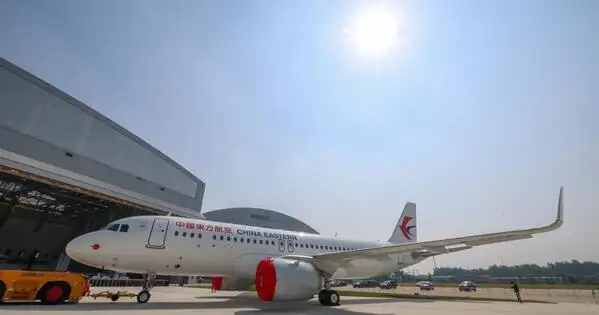
Airbus Delivers First A320neo From New Tianjin FAL
China Eastern Airlines took delivery of the first A320neo from Airbus's second Final Assembly Line in Tianjin, marking a key industrial milestone.

Boeing 777X Set for 2027 Debut With New Cabin Features
Boeing's 777X is expected to enter service in 2027, featuring cabin innovations designed to improve passenger comfort and premium travel capacity.
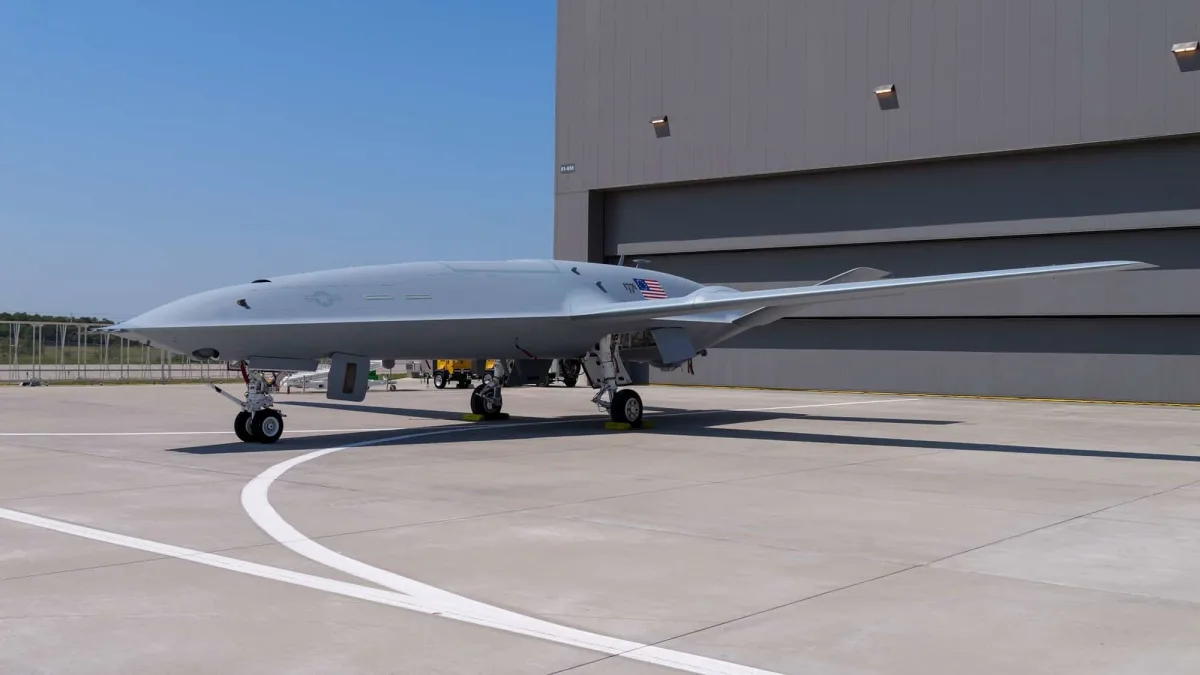
Boeing Awarded $562M Contract for MQ-25 Stingray Production
The U.S. Navy awarded Boeing a $562 million contract for the first three MQ-25 Stingray unmanned aerial refueling tankers, with deliveries expected in...

Boeing Logs 15 Gross Orders Including 13 787 Dreamliners
Boeing recorded 15 gross orders in August 2026, featuring 13 widebody 787 Dreamliner commitments from undisclosed customers.