Essar Completes Pre-FEED for Stanlow Methanol-to-Jet Hub

Co-Founder & CEOAviation News Editor delivering trusted coverage across the global aviation industry.

Essar Energy Transition has finished the Pre-FEED stage for a Stanlow refinery SAF hub, targeting 200,000 tonnes of annual production by 2028.
Key Takeaways
- •Stanlow facility targets 200,000 tonnes of SAF production annually.
- •Project utilizes 550,000 tonnes of renewable methanol feedstock per year.
- •Pre-FEED study received £2.5 million in UK government grant funding.
- •Final Investment Decision is expected in early 2028.
Essar Energy Transition (EET) has successfully completed the Pre-Front End Engineering Design (Pre-FEED) stage for a large-scale Sustainable Aviation Fuel (SAF) production facility at its Stanlow refinery in the United Kingdom. This project marks a significant milestone in the development of Methanol-to-Jet (MtJ) technology, which is poised to become a critical pathway for aviation decarbonization as the industry shifts away from traditional Hydroprocessed Esters and Fatty Acids (HEFA) feedstocks.
Project Scope and Technical Integration
The proposed facility is designed to convert approximately 550,000 tonnes of renewable e-methanol and bio-methanol into over 200,000 tonnes of SAF annually. By co-locating the plant within the existing Stanlow refinery infrastructure, EET aims to leverage established storage, blending, and pipeline networks to reduce capital expenditure and operational complexity. Engineering contractor Genesis confirmed that the Pre-FEED study validated the site’s technical feasibility, identifying no material barriers to permitting or construction.
Regulatory Landscape and Market Impact
This development is closely aligned with the UK Department for Transport (DfT) SAF mandate, which requires fuel suppliers to blend 10% of sustainable fuel into the UK aviation mix by 2030, rising to 22% by 2040. To de-risk the project's financing, Essar intends to participate in the government-backed Revenue Certainty Mechanism (RCM), which guarantees strike prices for domestic SAF producers. The project was previously bolstered by a grant of up to £2.5 million from the UK's Advanced Fuels Fund (AFF).
Industry Context and Precedents
The Stanlow project follows the successful integration of SAF production at the Phillips 66 Humber Refinery, which has utilized waste co-processing to supply carriers like British Airways since 2021. However, the sector remains cautious; the bankruptcy of Fulcrum BioEnergy in September 2024 serves as a reminder of the high technological and financial risks associated with scaling novel advanced fuel pathways. While industry analysts at Rystad Energy have expressed concern that domestic supply may struggle to meet early blending targets, the move by Essar represents a strategic effort to secure a significant share of the future UK market.
Technical Analysis
The shift toward MtJ processes reflects a structural evolution in the aviation fuel supply chain. As global demand for HEFA feedstocks—such as used cooking oils—outstrips supply, refineries are increasingly turning to power-to-liquid and methanol-based pathways to ensure long-term scalability. The Stanlow hub exemplifies the industrial trend of 'refinery transformation,' where legacy fossil-fuel sites are repurposed into low-carbon energy centers. This trajectory is supported by the regulatory push for domestic energy security and the long-term price stability offered by the RCM framework. If this project proceeds to the detailed engineering phase, it will serve as a bellwether for the commercial viability of large-scale e-fuel facilities in the UK.
What Comes Next
Following the successful completion of the Pre-FEED stage, the project is expected to transition into the more granular Front-End Engineering Design (FEED) phase in late 2026. Essar Energy Transition is targeting a Final Investment Decision (FID) by early 2028, aligning the facility’s output with the accelerating requirements of the UK SAF mandate.
Why This Matters
This project provides a critical pathway for the UK aviation sector to meet its 2030 sustainability targets by creating a localized, high-volume supply of low-carbon fuel. For airlines and fuel suppliers, the realization of the Stanlow hub reduces reliance on imported SAF and mitigates the price volatility associated with global supply chains.
Frequently Asked Questions
- What is the annual production capacity of the planned Stanlow SAF facility?
- The facility is designed to produce over 200,000 tonnes of Sustainable Aviation Fuel (SAF) annually by converting approximately 550,000 tonnes of renewable methanol.
- What is the timeline for the Stanlow Methanol-to-Jet project?
- Following the completion of the Pre-FEED stage, the project is expected to move into the Front-End Engineering Design (FEED) phase in late 2026, with a Final Investment Decision (FID) targeted for early 2028.
Visit omniflights.com for the latest commercial aviation news and airline industry updates. Get the latest updates on major hubs, regional terminals, and airport operations via the Airports section at omniflights.com/airports.

Written by Hardik Vishwakarma
Co-Founder & Aviation News Editor leading initiatives that improve trust and visibility across the global aviation industry. Covers airlines, airports, safety, and emerging technology.
Visit ProfileYou Might Also Like
Discover more aviation news based on similar topics

Boeing 777X Testing Spills Into 2027 Amid Certification Hurdles
Boeing expects some 777X testing to extend into 2027, though the manufacturer maintains its target for the first delivery of the aircraft that year.

Airbus A350F Completes Ground Tests Before Maiden Flight
Airbus has finished initial ground tests for the A350F, with the freighter set for a late 2026 maiden flight and a 2027 entry into service.

Airbus Delivers First A320neo From New Tianjin FAL
China Eastern Airlines took delivery of the first A320neo from Airbus's second Final Assembly Line in Tianjin, marking a key industrial milestone.
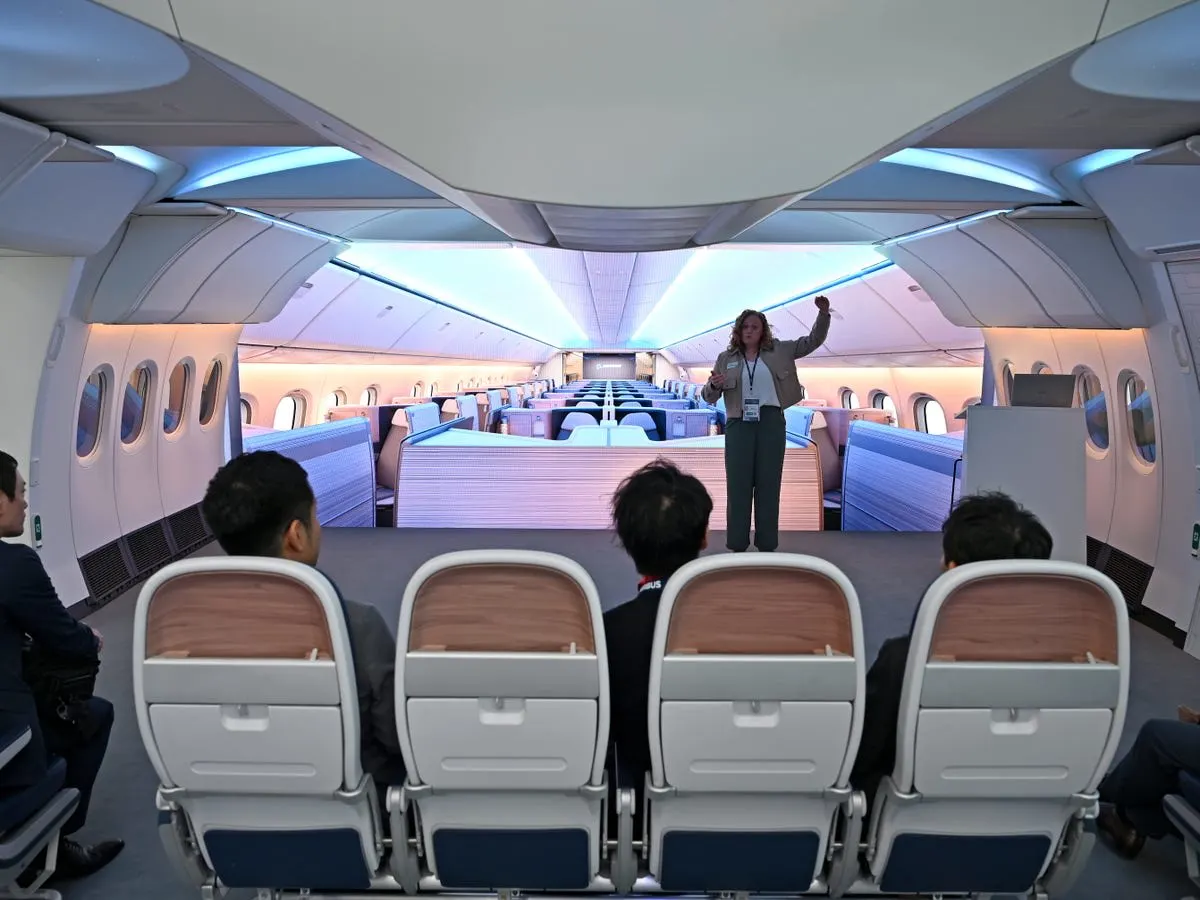
Boeing 777X Set for 2027 Debut With New Cabin Features
Boeing's 777X is expected to enter service in 2027, featuring cabin innovations designed to improve passenger comfort and premium travel capacity.
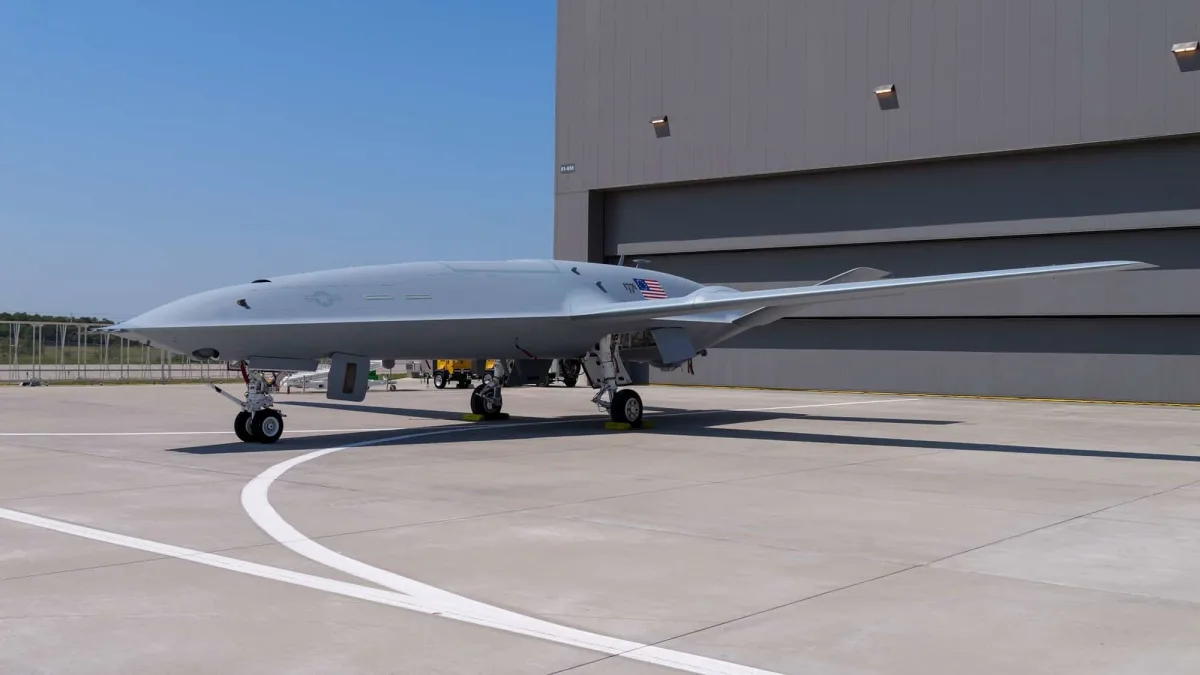
Boeing Awarded $562M Contract for MQ-25 Stingray Production
The U.S. Navy awarded Boeing a $562 million contract for the first three MQ-25 Stingray unmanned aerial refueling tankers, with deliveries expected in...

Boeing Logs 15 Gross Orders Including 13 787 Dreamliners
Boeing recorded 15 gross orders in August 2026, featuring 13 widebody 787 Dreamliner commitments from undisclosed customers.