Boeing Studies New Narrowbody to Counter Airbus A321neo

Co-Founder & CEOAviation News Editor delivering trusted coverage across the global aviation industry.

Boeing is intensifying studies for a new narrowbody aircraft, a potential 737 MAX replacement, aiming for a mid-2030s service entry to counter the...
Key Takeaways
- •Boeing studies new narrowbody to counter Airbus A321neo dominance.
- •Design favors conventional build over radical concepts like TTBW.
- •Program targets a mid-2030s entry into service, post-MAX certification.
- •Airbus holds ~60% of the narrowbody market, driving Boeing's response.
Boeing is intensifying internal studies for a Boeing new narrowbody aircraft, a clean-sheet design positioned as a 737 MAX replacement and a direct Airbus A321neo competitor. The project, which targets a Boeing mid-2030s airplane for entry into service, signals a strategic pivot by the manufacturer to reclaim ground in the highly lucrative single-aisle aircraft market.
The move represents a critical long-term decision for Boeing as it seeks to chart a course beyond its current production and certification challenges. Airbus has established a formidable lead in the narrowbody segment, with its A320neo family commanding approximately 60% of the market. The new Boeing aircraft aims to address the performance gap left by the current 737 MAX series, particularly at the upper end of the market where the A321neo has been exceptionally successful.
A Challenging Market Position
Boeing's decision to accelerate planning for a new aircraft comes against a backdrop of significant competitive and financial pressure. According to official manufacturer data, the Airbus A320 family surpassed 12,000 cumulative deliveries in late 2025, cementing its status as the most-delivered commercial jetliner in history. This market dominance has left Boeing in a reactive position, a situation the company aims to correct with a new design.
Financial constraints also play a crucial role. According to the company's Q1 2026 earnings release, Boeing's total long-term debt stood at $47.2 billion. This substantial debt load, detailed in its financial reports, necessitates a cautious and deliberate approach to launching a new multi-billion dollar development program. Furthermore, the company's engineering resources remain heavily committed to completing the certification of the 737 MAX 7 and MAX 10, as well as the 777-9 widebody, with both programs facing extended timelines from the FAA (Federal Aviation Administration).
A Shift Toward Conventional Design
In a notable departure from previous future-gazing concepts, Boeing is reportedly favoring a lower-risk, conventional design for its next narrowbody. This means shelving more radical ideas like the TTBW (Transonic Truss-Braced Wing), an ultra-efficient concept that promised significant fuel savings but carried immense development risk. Instead, the focus is on a traditional tubular fuselage and advanced ducted turbofan engines, a strategy aimed at ensuring a predictable development timeline and stable supply chain.
This conservative approach is heavily influenced by historical precedents. The development of the Boeing 787 Dreamliner, while ultimately successful, was plagued by years of delays and billions in cost overruns tied to its revolutionary use of composite materials and a complex global supply chain. By opting for a more conventional architecture, Boeing aims to avoid repeating those mistakes. The new studies are effectively a revival of the shelved NMA (New Midsize Airplane) concept, designed to bridge the market gap between the largest 737 MAX and the smallest 787.
Former Boeing CEO David Calhoun had previously stated that a new aircraft would not be feasible until the mid-2030s, when propulsion technology could deliver a 15-20% step-change in efficiency. While the timeline remains, the philosophy under new leadership appears to prioritize execution over radical innovation.
A321neo vs 737 MAX 10: Key Specifications
| Metric | Boeing 737 MAX 10 | Airbus A321neo |
|---|---|---|
| Maximum Seating | 230 pax | 244 pax |
| Maximum Range | 3,100 nmi | 4,000 nmi |
| Engine Options | CFM LEAP-1B | CFM LEAP-1A or PW1100G-JM |
Technical Analysis
The pivot to a conventional design for a mid-2030s entry into service reflects a pragmatic response to Boeing's current operational and financial realities. The decision is shaped by three key factors: the painful lessons from the 787 and 737 MAX programs, the market dominance of the A321neo, and the maturation cycle of next-generation engine technology. By avoiding a high-risk concept like the TTBW, Boeing is signaling to airlines and investors that its priority is execution and predictability. This strategy effectively concedes that a revolutionary leap in airframe technology is secondary to closing the performance gap with Airbus in the near term. The project's success will hinge on securing a next-generation engine from suppliers like CFM (CFM International) that can deliver the bulk of the targeted efficiency gains, making engine selection the program's most critical decision point.
What Comes Next
Before Boeing can formally launch a new narrowbody program, it must clear its current certification hurdles. The FAA type certification for the 737 MAX 10 is expected in the 2026-2027 timeframe, with the 777-9 widebody's entry into service anticipated around the same period. Freeing up the engineering and financial resources currently dedicated to these programs is a prerequisite for embarking on a clean-sheet design.
Industry observers suggest that an official program launch, should it be approved by Boeing's board, is rumored for the 2028-2030 window. This timeline would align with the development of more advanced propulsion systems and allow the company to solidify its financial footing before committing to the massive investment required.
Why This Matters
Boeing's renewed focus on a new narrowbody is more than just a plan for a new aircraft; it is a foundational element of the company's strategy to recover its market position and technical leadership over the next two decades. For airlines, it provides a clearer picture of future fleet options and intensifies competition that could lead to better pricing and performance. This development signals the opening move in a long-term battle for supremacy in the most profitable segment of the commercial aviation market.
Frequently Asked Questions
- What is the new Boeing narrowbody aircraft?
- It is a clean-sheet single-aisle aircraft concept being studied by Boeing to potentially replace the 737 MAX family and compete directly with the successful Airbus A321neo. The new plane is expected to enter service in the mid-2030s.
- Why is Boeing developing a 737 MAX replacement?
- Boeing is developing a replacement to counter Airbus's market dominance, as the A320neo family holds approximately 60% of the single-aisle market. The current Boeing 737 MAX 10 is outsold by the Airbus A321neo, which offers greater range and capacity.
- Will Boeing's new plane use the Transonic Truss-Braced Wing (TTBW)?
- No, current reports indicate Boeing is shelving the radical Transonic Truss-Braced Wing for this program. It is instead focusing on a lower-risk, conventional tubular fuselage design to ensure a more predictable development and production timeline.
omniflights.com provides comprehensive commercial aviation news covering airlines, aircraft, and airports. For reporting on UAP sightings, investigations, and aviation-related encounters, see the UAPs section at omniflights.com/uaps.
Written by Hardik Vishwakarma
Co-Founder & Aviation News Editor leading initiatives that improve trust and visibility across the global aviation industry. Covers airlines, airports, safety, and emerging technology.
Visit ProfileYou Might Also Like
Discover more aviation news based on similar topics

Boeing 777X Testing Spills Into 2027 Amid Certification Hurdles
Boeing expects some 777X testing to extend into 2027, though the manufacturer maintains its target for the first delivery of the aircraft that year.

Airbus A350F Completes Ground Tests Before Maiden Flight
Airbus has finished initial ground tests for the A350F, with the freighter set for a late 2026 maiden flight and a 2027 entry into service.
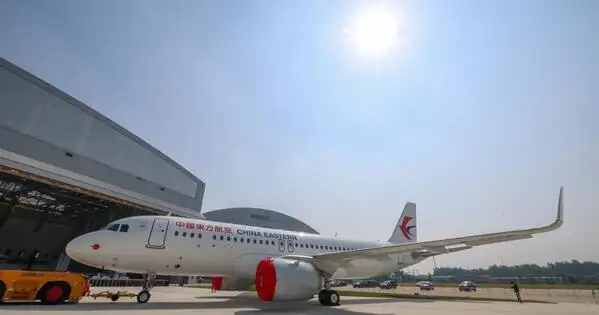
Airbus Delivers First A320neo From New Tianjin FAL
China Eastern Airlines took delivery of the first A320neo from Airbus's second Final Assembly Line in Tianjin, marking a key industrial milestone.
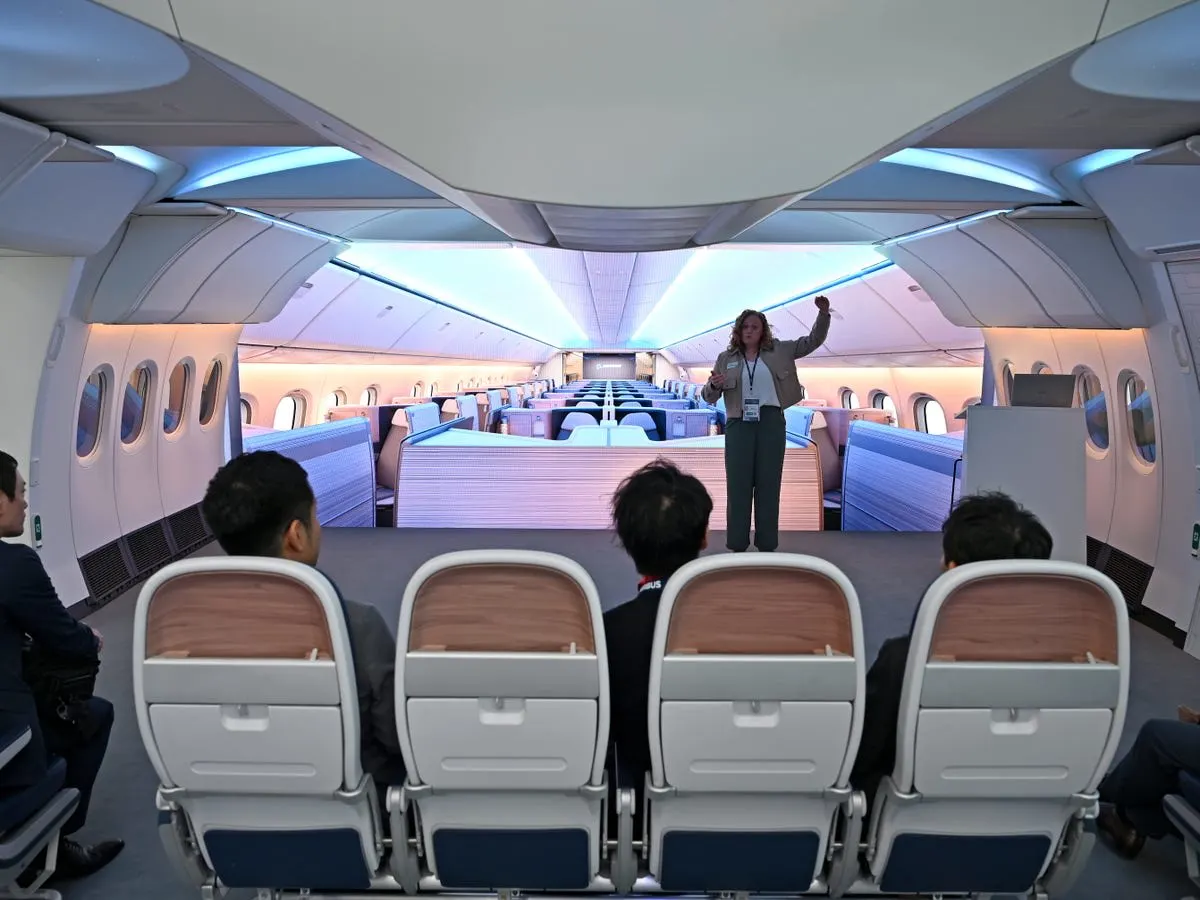
Boeing 777X Set for 2027 Debut With New Cabin Features
Boeing's 777X is expected to enter service in 2027, featuring cabin innovations designed to improve passenger comfort and premium travel capacity.
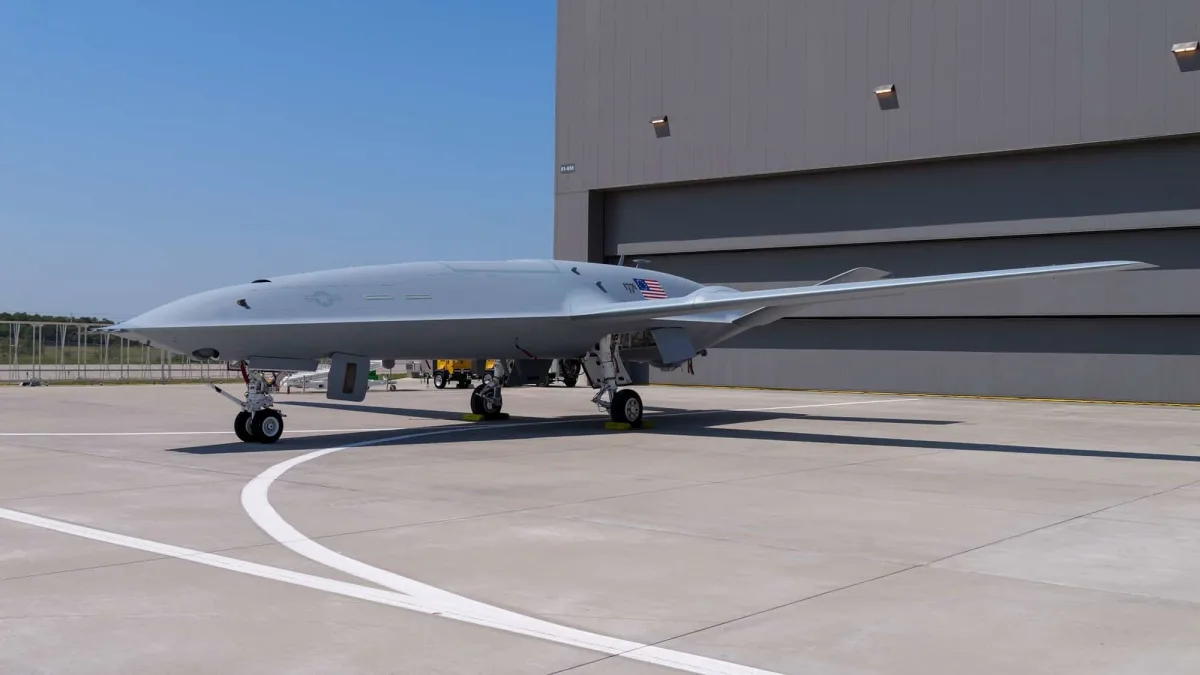
Boeing Awarded $562M Contract for MQ-25 Stingray Production
The U.S. Navy awarded Boeing a $562 million contract for the first three MQ-25 Stingray unmanned aerial refueling tankers, with deliveries expected in...

Boeing Logs 15 Gross Orders Including 13 787 Dreamliners
Boeing recorded 15 gross orders in August 2026, featuring 13 widebody 787 Dreamliner commitments from undisclosed customers.