Boeing, SPEEA Begin Contract Talks Using Collaborative Model

Co-Founder & CEOAviation News Editor delivering trusted coverage across the global aviation industry.
Boeing and the SPEEA union have started contract negotiations for 17,000 workers, utilizing Interest-Based Bargaining to avoid potential labor disruptions.
Key Takeaways
- •Boeing and SPEEA began contract talks for 17,000 workers on July 1, 2026.
- •Negotiations utilize Interest-Based Bargaining to avoid potential labor strikes.
- •Current collective bargaining agreements are set to expire on October 6, 2026.
- •This is the first full contract negotiation between Boeing and SPEEA in 14 years.
Negotiating a New Framework
Boeing and the Society of Professional Engineering Employees in Aerospace (SPEEA) have officially commenced Boeing SPEEA contract talks, signaling the start of a critical negotiation cycle for approximately 17,000 aerospace workers. The parties began formal discussions on July 1, 2026, ahead of the October 6, 2026, expiration of current collective bargaining agreements. This process marks the first full contract negotiation between the two entities in 14 years, as previous cycles since 2013 were resolved through contract extensions.
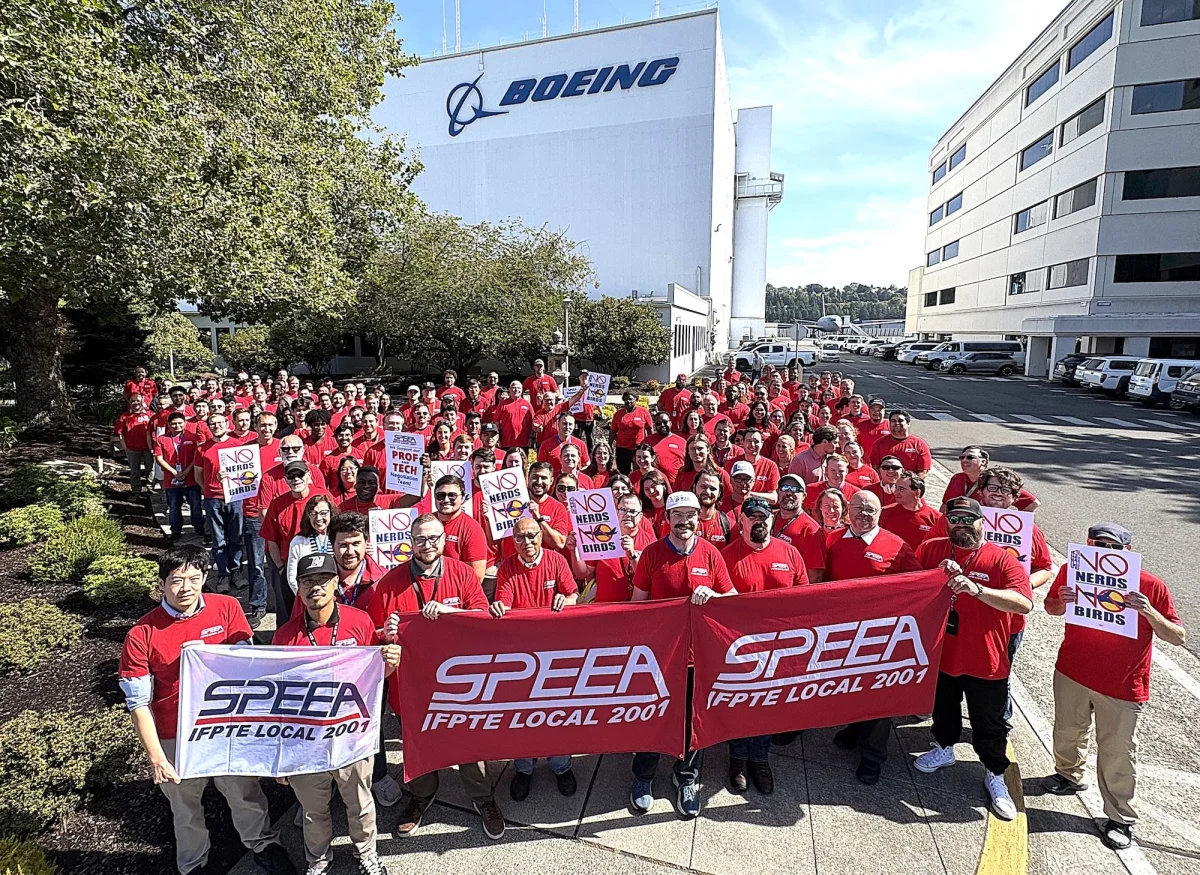
To navigate this high-stakes environment, the parties are utilizing a novel approach known as Interest-Based Bargaining (IBB). Unlike traditional positional bargaining, which often leads to adversarial standoffs, IBB focuses on mutual problem-solving. This shift in aerospace labor negotiations is intended to foster labor peace and avoid the production-halting strikes that have impacted the industry recently. The Boeing engineers union represents a vital workforce, divided into a 13,000-member Professional unit and a 4,000-member Technical unit, both affiliated with the International Federation of Professional and Technical Engineers (IFPTE) Local 2001.
Stakeholder Impact and Cultural Challenges
For Boeing Commercial Airplanes, the outcome of these talks carries significant operational weight. The company’s recovery and the pending FAA (Federal Aviation Administration) certification campaigns for the 737 MAX 7, 737 MAX 10, and 777-9 rely heavily on the continued engagement of these engineers and technical staff. A successful agreement would secure the workforce stability needed to meet these milestones without the threat of walkouts.
However, the negotiations face a complex cultural backdrop. Mike Berryhill, a Boeing production systems engineer and SPEEA Negotiation Team member, noted that the workforce includes many young professionals who are disillusioned by the company's recent focus on shareholder value over quality and safety. Conversely, Ben Nimmergut, Boeing Vice President and Functional Chief Engineer for Production Engineering, emphasized a collaborative intent, stating that funds typically allocated to contingency planning for labor disruptions could instead be invested in a strong contract offer that respects the workforce.
Historical Context and Labor Trends
Management is under pressure to avoid a repeat of the late 2024 strike by the International Association of Machinists and Aerospace Workers (IAM), which severely constrained commercial aircraft production and exacerbated the company's financial distress. Historically, the risk of engineering-led action is well-documented; in early 2000, a 40-day SPEEA strike against Boeing disrupted commercial deliveries and resulted in significant operational setbacks. The current strategy of utilizing IBB is a direct response to these precedents, aiming to mitigate the risk of production delays that would affect airlines expecting near-term aircraft deliveries.
Despite the collaborative rhetoric, some rank-and-file union members have expressed skepticism toward IBB. According to internal surveys, these members fear that a collaborative approach might weaken their leverage to secure specific, hard-line demands, such as the reinstatement of pension benefits. These concerns highlight the balancing act required to satisfy a diverse engineering workforce while maintaining the operational continuity mandated by the National Labor Relations Act (NLRA), which governs the bargaining framework overseen by the National Labor Relations Board (NLRB).
The Path to October 2026
As the October 6, 2026, contract expiration approaches, the negotiation teams will balance the need for compensation improvements with the company’s imperative to stabilize its production programs. The success of these talks will be measured by the ability of Boeing and SPEEA to address long-standing cultural grievances while ensuring that the engineering talent required for critical certification campaigns remains focused on technical safety and quality standards.
Frequently Asked Questions
- What is Interest-Based Bargaining in the context of Boeing and SPEEA?
- Interest-Based Bargaining is a collaborative negotiation strategy adopted by Boeing and SPEEA to focus on mutual problem-solving rather than traditional, adversarial positional bargaining. The approach aims to prevent the production-disrupting strikes that have historically impacted the manufacturer.
- When does the current SPEEA contract with Boeing expire?
- The current collective bargaining agreements for both the Professional and Technical units represented by SPEEA are scheduled to expire on October 6, 2026.
Access up-to-date commercial aviation news and airline industry developments via omniflights.com. Stay informed on aviation incidents, investigations, and best practices in the Safety category at omniflights.com/safety.
Written by Hardik Vishwakarma
Co-Founder & Aviation News Editor leading initiatives that improve trust and visibility across the global aviation industry. Covers airlines, airports, safety, and emerging technology.
Visit ProfileYou Might Also Like
Discover more aviation news based on similar topics
Boeing Tightens Spending Ahead of Critical SPEEA Union Vote
Boeing has implemented spending controls and a hiring freeze as it faces a critical contract ratification vote with its 17,000-member engineering union.
Boeing CEO Kelly Ortberg Warns of 777X Certification Delay
Boeing CEO Kelly Ortberg warned that a potential strike by 17,000 engineers would immediately halt the 777X certification and production programs.
American and United Plan Capacity Cuts Amid Fuel Cost Surge
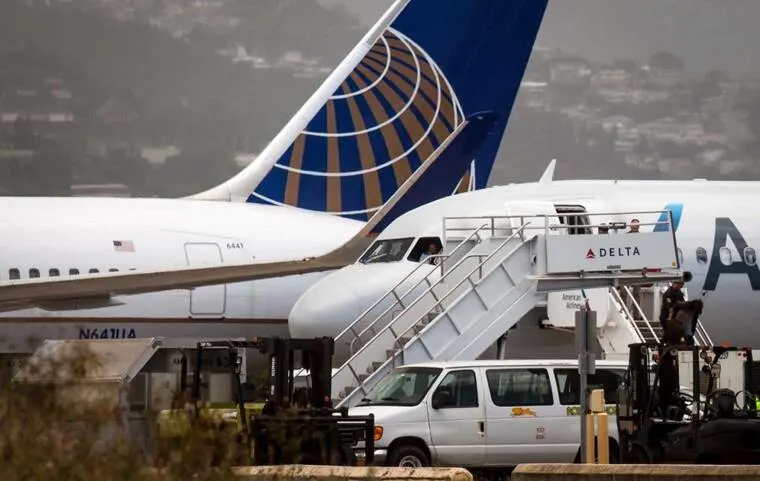
American and United are trimming flight schedules to offset a $1 billion fuel cost spike while maintaining strong pricing power.
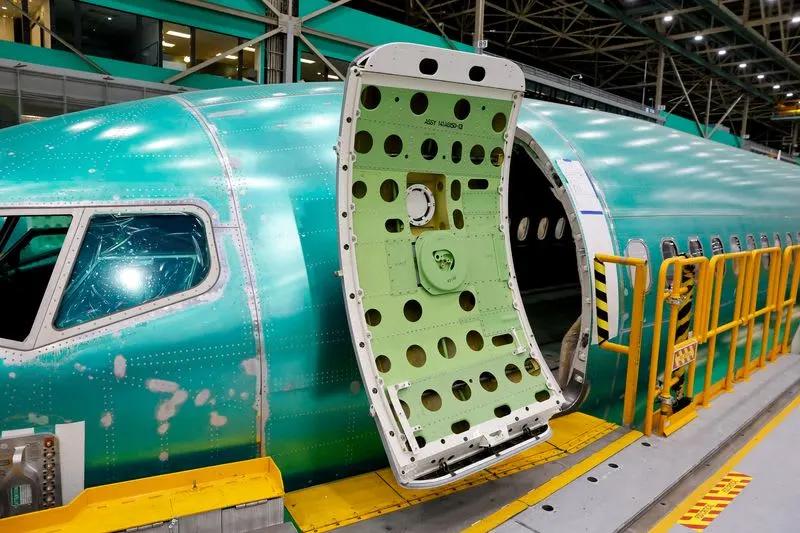
Boeing CEO Reports 737 MAX Output Stabilization Delays
Boeing CEO Kelly Ortberg reports slower 737 MAX production stabilization, prompting a downward revision in 2026 free cash flow expectations to $2 billion.
Boeing Finalizes KAL Order, Salvages Turkish Airlines Deal
Boeing secured a $36.2 billion order from Korean Air Lines for 103 aircraft and nears a resolution on a 150-jet deal with Turkish Airlines.
Airbus Forecasts 42,000 New Jets Amid Strong Global Demand
Airbus expects 42,000 new aircraft deliveries globally by 2045, with 45% of demand concentrated in the Asia-Pacific region.