Boeing 777-9 Secures Key FAA Approval, Nearing 2027 Service Entry

Co-Founder & CEOAviation News Editor delivering trusted coverage across the global aviation industry.

Boeing's 777-9 received a key FAA approval, advancing the delayed widebody jet toward a planned 2027 commercial debut with launch customer Lufthansa.
Key Takeaways
- •Receives FAA approval to enter Phase 4A of Type Inspection Authorization (TIA).
- •Targets a 2027 entry-into-service, approximately six years behind original schedule.
- •Impacts launch customers Lufthansa and Emirates, forcing fleet plan adjustments.
- •Represents Boeing's next-generation widebody to replace aging 747s and A380s.
The Boeing 777-9 has achieved a critical milestone in its protracted certification journey, receiving approval from the FAA (Federal Aviation Administration) to advance to the next stage of flight testing. This development moves the next-generation widebody aircraft, the flagship of the 777X family, one step closer to its anticipated commercial debut, which is now targeted for 2027.
The approval grants the 777-9 program a Type Inspection Authorization (TIA), specifically for Phase 4A. This allows FAA pilots to participate in flight tests and conduct official evaluations of the aircraft's systems and performance, a mandatory step toward final type certification. For Boeing and its launch customers, the clearance marks tangible progress for a program that has faced significant delays and financial overruns, accumulating approximately $15 billion in charges according to Boeing's 2025 Annual Report.
Certification Hurdles and Delays
The path to certification for the 777-9 has been complex, extending the timeline by approximately six years from its original 2020 target. The TIA process is a multi-stage gatekeeper for new aircraft designs. According to Boeing CFO Jay Malave at a March 2026 investor conference, the company is progressing through the final stages. "There are two more that we need to get approval for, and we're waiting for the next one very shortly here," Malave stated, referencing the phases that follow the newly approved Phase 4A.
The extended certification timeline reflects increased regulatory scrutiny on new aircraft designs, particularly for complex systems like the 777-9's novel folding wingtips and advanced avionics. This has forced Boeing to navigate a more rigorous validation process than was typical for previous-generation aircraft.
Impact on Launch Customers
The six-year delay has had a significant ripple effect on the fleet strategies of its primary launch customers, Lufthansa and Emirates. Lufthansa Group, which expects to be the first airline to receive the aircraft in early 2027, was forced to reactivate older, less efficient aircraft, including Airbus A340s and Boeing 747-400s, to cover capacity shortfalls. This stopgap measure increased operational costs and complicated the airline's fleet modernization goals.
Emirates, the largest 777X customer, has also faced strategic challenges. The airline has undertaken a massive multi-billion dollar retrofit program for its existing Boeing 777 and Airbus A380 fleets to maintain its premium cabin product standards while awaiting the new aircraft. The delay also impacts suppliers, such as GE Aerospace, whose revenue from GE9X engine deliveries and subsequent maintenance contracts is deferred until the 777-9 officially enters commercial service.
Boeing 777-9 vs 777-300ER
The 777-9 is designed to offer a significant step-up in capacity and efficiency over its predecessor, the highly successful 777-300ER. It will feature a seating capacity for approximately 426 passengers in a typical two-class layout and a range of 7,285 nautical miles. Further details are available on the official Boeing 777X Official Page.
| Metric | Boeing 777-9 | Boeing 777-300ER |
|---|---|---|
| Seating Capacity | 426 | 396 |
| Range | 7,285 nmi | 7,370 nmi |
| Wingspan (Extended) | 235 ft 5 in | 212 ft 7 in |
Technical Analysis
The protracted development of the 777-9 follows a pattern seen in other ambitious widebody programs. In 2007-2011, the Boeing 787 Dreamliner program faced multi-year delays related to supply chain integration and the use of new composite materials, a pattern that echoes the current situation. Similarly, the Airbus A380 program was delayed by two years due to complex wiring issues. These historical precedents demonstrate that introducing novel architectures and materials in large aircraft frequently leads to unforeseen technical and regulatory hurdles, extending timelines far beyond initial projections. The 777-9's journey continues this trend, underscoring the immense complexity of certifying a clean-sheet widebody design under today's rigorous safety standards. This development reinforces the industry trend of airlines relying on next-generation, fuel-efficient twin-engine jets to replace aging four-engine fleets like the Boeing 747 and Airbus A380.
What Comes Next
With Phase 4A of the TIA now underway, Boeing's next objective is to secure FAA approval for the subsequent certification stages. The completion of all TIA phases is expected by late 2026, which would clear the final regulatory hurdle for the aircraft's type certificate.
Following final certification, Boeing can begin preparing for the first commercial delivery. According to Lufthansa Group CEO Carsten Spohr, the German carrier is expected to receive its first Boeing 777-9 in early 2027, officially launching the aircraft into commercial service.
Why This Matters
This FAA approval is more than a procedural step; it is a crucial signal of progress for one of the most important programs in commercial aviation. For Boeing, it is a key milestone in demonstrating its ability to bring a complex new product to market under intense regulatory oversight. For airlines, it provides a clearer timeline for the arrival of a next-generation aircraft essential for replacing older, less efficient widebodies and upgauging key international routes.
omniflights.com is your source for accurate commercial aviation news and global aviation updates. Stay informed on aviation incidents, investigations, and best practices in the Safety category at omniflights.com/safety.
Written by Hardik Vishwakarma
Co-Founder & Aviation News Editor leading initiatives that improve trust and visibility across the global aviation industry. Covers airlines, airports, safety, and emerging technology.
Visit ProfileYou Might Also Like
Discover more aviation news based on similar topics

Boeing 777X Testing Spills Into 2027 Amid Certification Hurdles
Boeing expects some 777X testing to extend into 2027, though the manufacturer maintains its target for the first delivery of the aircraft that year.

Airbus A350F Completes Ground Tests Before Maiden Flight
Airbus has finished initial ground tests for the A350F, with the freighter set for a late 2026 maiden flight and a 2027 entry into service.

Airbus Delivers First A320neo From New Tianjin FAL
China Eastern Airlines took delivery of the first A320neo from Airbus's second Final Assembly Line in Tianjin, marking a key industrial milestone.
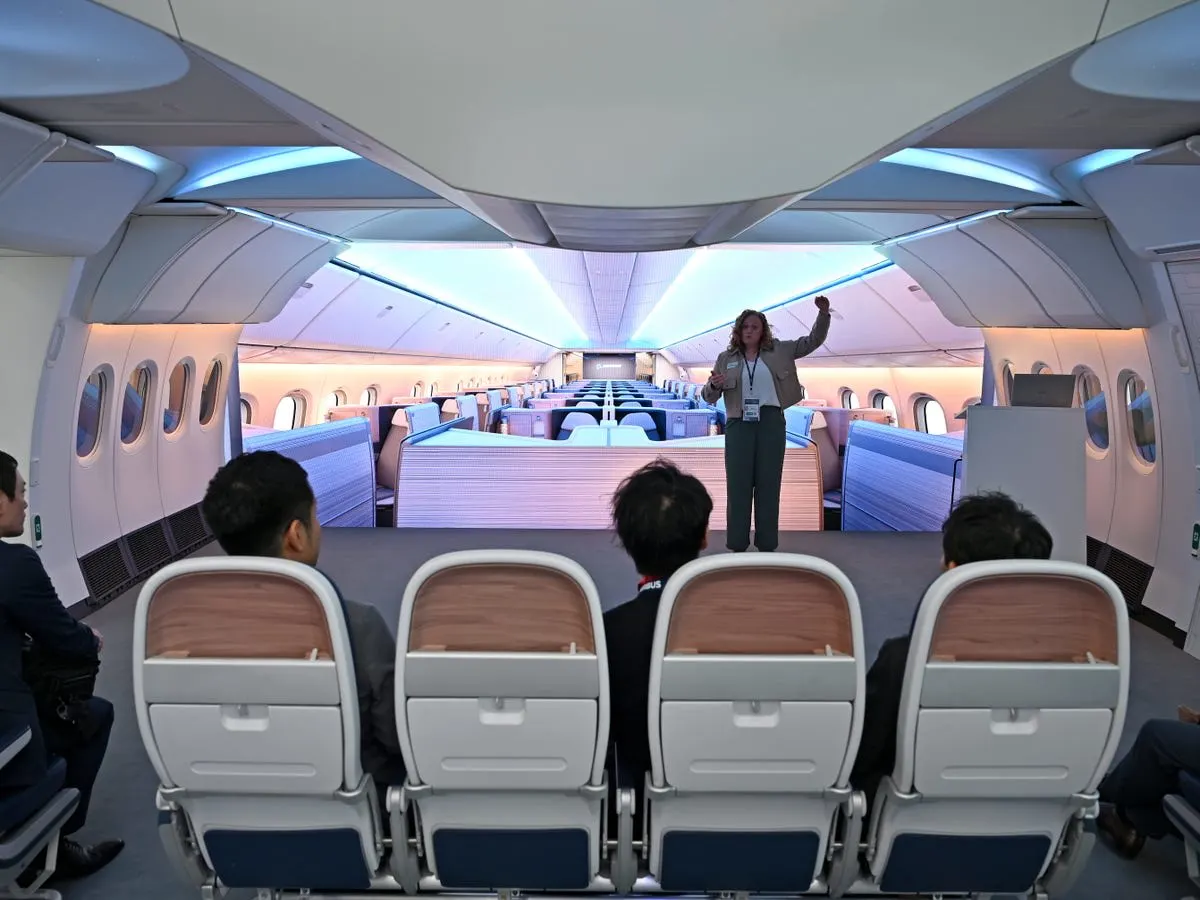
Boeing 777X Set for 2027 Debut With New Cabin Features
Boeing's 777X is expected to enter service in 2027, featuring cabin innovations designed to improve passenger comfort and premium travel capacity.
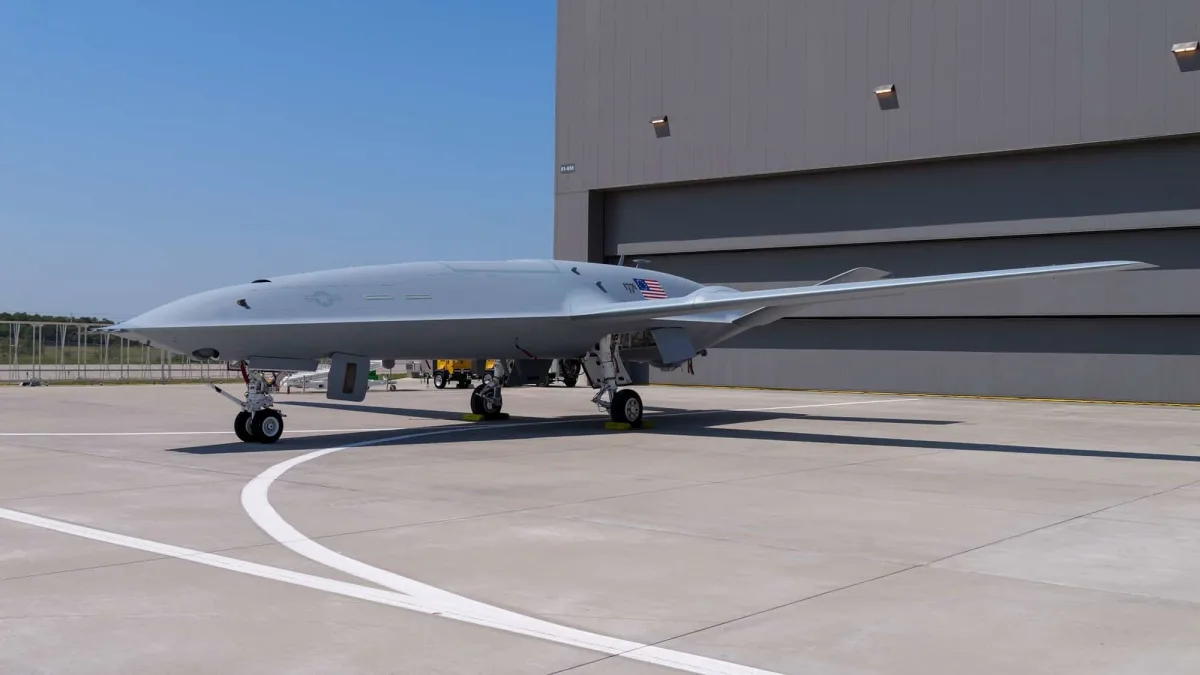
Boeing Awarded $562M Contract for MQ-25 Stingray Production
The U.S. Navy awarded Boeing a $562 million contract for the first three MQ-25 Stingray unmanned aerial refueling tankers, with deliveries expected in...
Boeing Logs 15 Gross Orders Including 13 787 Dreamliners
Boeing recorded 15 gross orders in August 2026, featuring 13 widebody 787 Dreamliner commitments from undisclosed customers.