Boeing 777-9, Airbus A350-1000 Compete for Long-Haul Market Dominance

Co-Founder & CEOAviation News Editor delivering trusted coverage across the global aviation industry.

Boeing's delayed 777-9 faces Airbus's established A350-1000 in a renewed competition for dominance on ultra-long-haul intercontinental routes.
Key Takeaways
- •Targets a higher capacity of 426 passengers versus the A350-1000's 350-410.
- •Faces significant certification delays with entry into service now expected in 2027.
- •Competes directly with the A350-1000, which offers greater range at 8,700 nm.
- •Represents the industry's shift from four-engine jumbos to efficient twin-engine widebodies.
A new rivalry in the lucrative long-haul market is intensifying as the established Airbus A350-1000 capitalizes on persistent delays affecting its direct competitor, the Boeing 777-9. While the A350-1000 has been in service since 2018, Boeing's next-generation widebody is now expected to enter service in 2027, creating a complex strategic environment for airlines planning their future intercontinental fleets.
This competition defines the replacement cycle for aging four-engine jumbo jets, pitting two distinct design philosophies against each other. For airlines, the choice between the higher-capacity 777-9 and the longer-range, readily available A350-1000 will shape network strategies and operating economics for decades. The outcome will influence market share in the most profitable segment of commercial aviation, continuing a historical pattern of fierce duopoly between the two manufacturing giants.
Certification Challenges and Market Dynamics
The primary hurdle for Boeing remains the rigorous certification process for the 777X family. According to the Federal Aviation Administration (FAA), the 777-9 recently cleared Type Inspection Authorization (TIA) Phase 4A, a critical testing milestone. However, the overall timeline has been extended significantly. Boeing CEO Kelly Ortberg acknowledged the difficulties, stating, "We're clearly behind our plan in getting the certification done." This delay, pushing first deliveries to 2027, has tangible consequences for launch customers like Emirates and Lufthansa, who face capacity gaps and must continue operating older aircraft.
In contrast, Airbus is leveraging the A350-1000's proven service record. Airbus CCO Christian Scherer emphasized its market position, noting the aircraft "offers absolutely unparalleled economics and productivity to our customers." This reliability and immediate availability have allowed Airbus to secure key orders from airlines looking to modernize their widebody fleets without waiting for the 777-9. As of late 2025, the A350-1000 has secured over 360 orders, while the 777-9 holds a larger order book of approximately 440 firm orders, though these are contingent on the revised delivery schedule.
Boeing 777-9 vs. Airbus A350-1000: Key Specifications
The two aircraft are designed to serve slightly different segments of the high-capacity, long-range market. The 777-9 prioritizes passenger volume, while the A350-1000 focuses on range and efficiency.
| Metric | Boeing 777-9 | Airbus A350-1000 |
|---|---|---|
| Typical Capacity | 426 (2-class) | 350-410 (3-class) |
| Maximum Range | 7,285 nmi | 8,700 nmi |
| Engines | GE9X | Trent XWB-97 |
Specifications sourced from Boeing and Airbus official data.
The 777-9's capacity advantage, seating up to 426 passengers in a typical two-class layout, makes it a natural successor to the 747. However, its designed range of 7,285 nautical miles is substantially less than the A350-1000's 8,700 nautical miles, which enables carriers to operate some of the world's longest ultra-long-haul routes.
Historical Precedents and Industry Trends
This rivalry is the latest chapter in a long history of twin-engine versus four-engine competition. In the 1990s, the twin-engine Boeing 777's superior economics led to its market dominance over the four-engine Airbus A340. A similar trend doomed the next generation of very large aircraft; the market's preference for smaller, more flexible twinjets resulted in the termination of both the Airbus A380 and Boeing 747-8 programs. The 777-9 and A350-1000 are the direct beneficiaries of this industry shift, designed to offer high capacity with the efficiency of two engines, powered by the massive GE Aerospace GE9X and Rolls-Royce Trent XWB-97, respectively.
The current environment also reflects a growing emphasis on ultra-long-haul network expansion. Airlines are increasingly using efficient twinjets to bypass traditional hubs and offer direct intercontinental flights. While the A350-1000 is the current leader in this segment, some analysts question if the 777-9's larger size is ideally suited for the more fragmented, point-to-point networks that emerged post-pandemic.
What Comes Next
With the 777-9 now in advanced flight testing under FAA Type Inspection Authorization, the next major hurdle is completing the certification program.
- Late 2026: FAA Type Certification for the Boeing 777-9 is expected.
- Early 2027: The first 777-9 delivery and entry into service is expected, subject to final regulatory approvals.
Boeing and its engine partner, GE Aerospace, must navigate the final phases of this complex process to begin generating revenue from the program and fulfill its substantial order backlog. For Airbus, the focus will be on maintaining production rates and securing further orders from airlines unwilling to wait for its competitor.
Why This Matters
The competition between the Boeing 777-9 and Airbus A350-1000 will define the top end of the commercial aviation market for the next generation. The outcome determines not only market share for the manufacturers but also the fleet strategies and route networks of the world's premier long-haul airlines. For passengers, this rivalry will shape the future of intercontinental travel, influencing aircraft availability, cabin products, and the number of non-stop routes available globally.
Visit omniflights.com for the latest commercial aviation news and airline industry updates. Get the latest updates on major hubs, regional terminals, and airport operations via the Airports section at omniflights.com/airports.
Written by Hardik Vishwakarma
Co-Founder & Aviation News Editor leading initiatives that improve trust and visibility across the global aviation industry. Covers airlines, airports, safety, and emerging technology.
Visit ProfileYou Might Also Like
Discover more aviation news based on similar topics

Boeing 777X Testing Spills Into 2027 Amid Certification Hurdles
Boeing expects some 777X testing to extend into 2027, though the manufacturer maintains its target for the first delivery of the aircraft that year.

Airbus A350F Completes Ground Tests Before Maiden Flight
Airbus has finished initial ground tests for the A350F, with the freighter set for a late 2026 maiden flight and a 2027 entry into service.

Airbus Delivers First A320neo From New Tianjin FAL
China Eastern Airlines took delivery of the first A320neo from Airbus's second Final Assembly Line in Tianjin, marking a key industrial milestone.
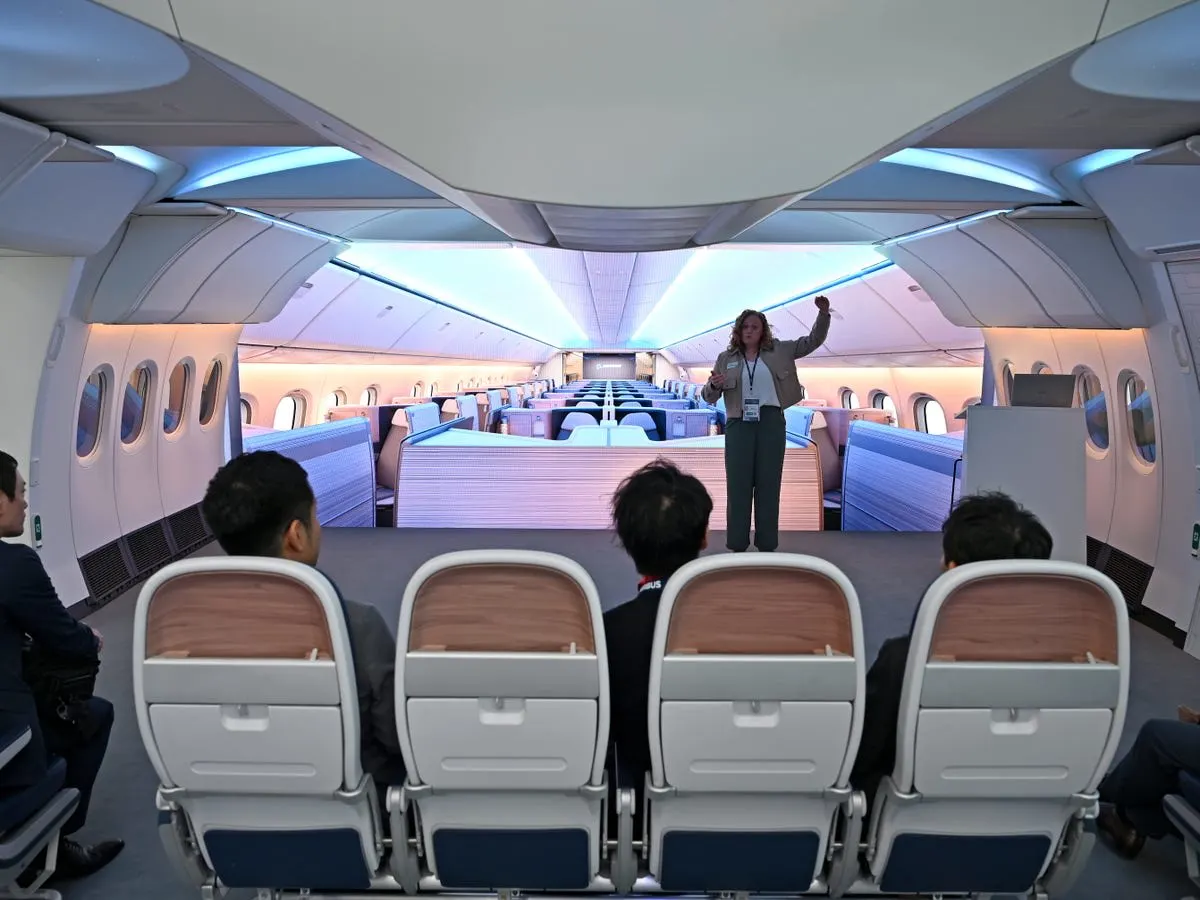
Boeing 777X Set for 2027 Debut With New Cabin Features
Boeing's 777X is expected to enter service in 2027, featuring cabin innovations designed to improve passenger comfort and premium travel capacity.
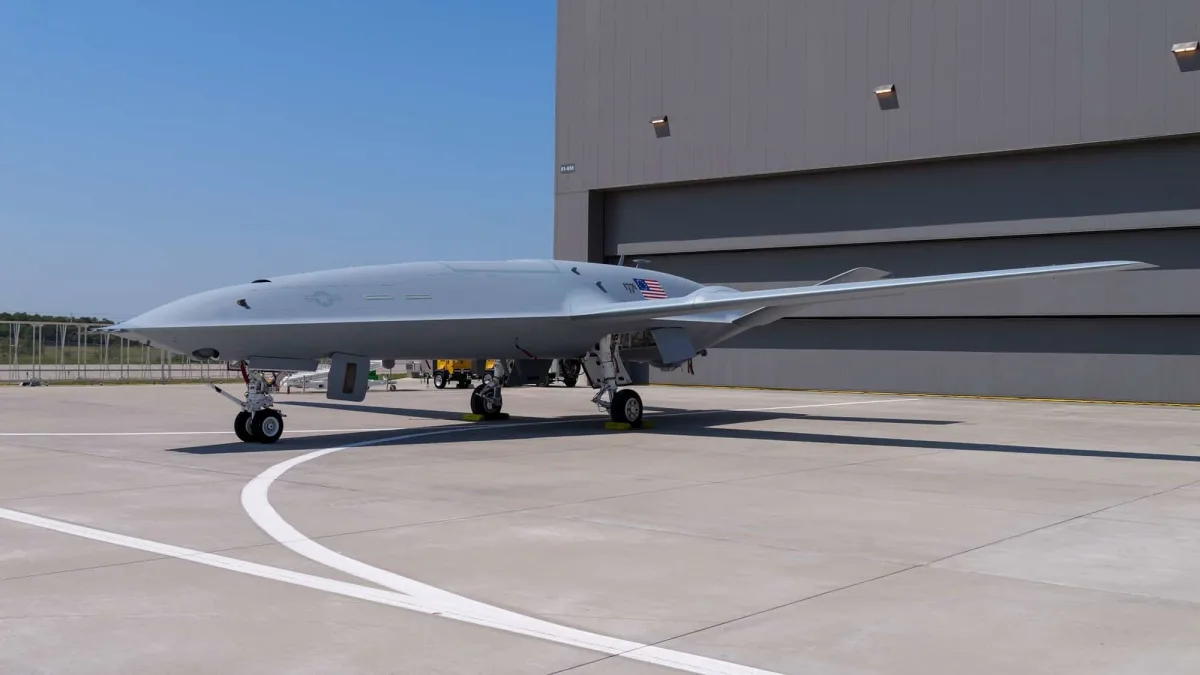
Boeing Awarded $562M Contract for MQ-25 Stingray Production
The U.S. Navy awarded Boeing a $562 million contract for the first three MQ-25 Stingray unmanned aerial refueling tankers, with deliveries expected in...

Boeing Logs 15 Gross Orders Including 13 787 Dreamliners
Boeing recorded 15 gross orders in August 2026, featuring 13 widebody 787 Dreamliner commitments from undisclosed customers.