Boeing 737 MAX 7 and 10 Certification Expected by Late 2026

Co-Founder & CEOAviation News Editor delivering trusted coverage across the global aviation industry.
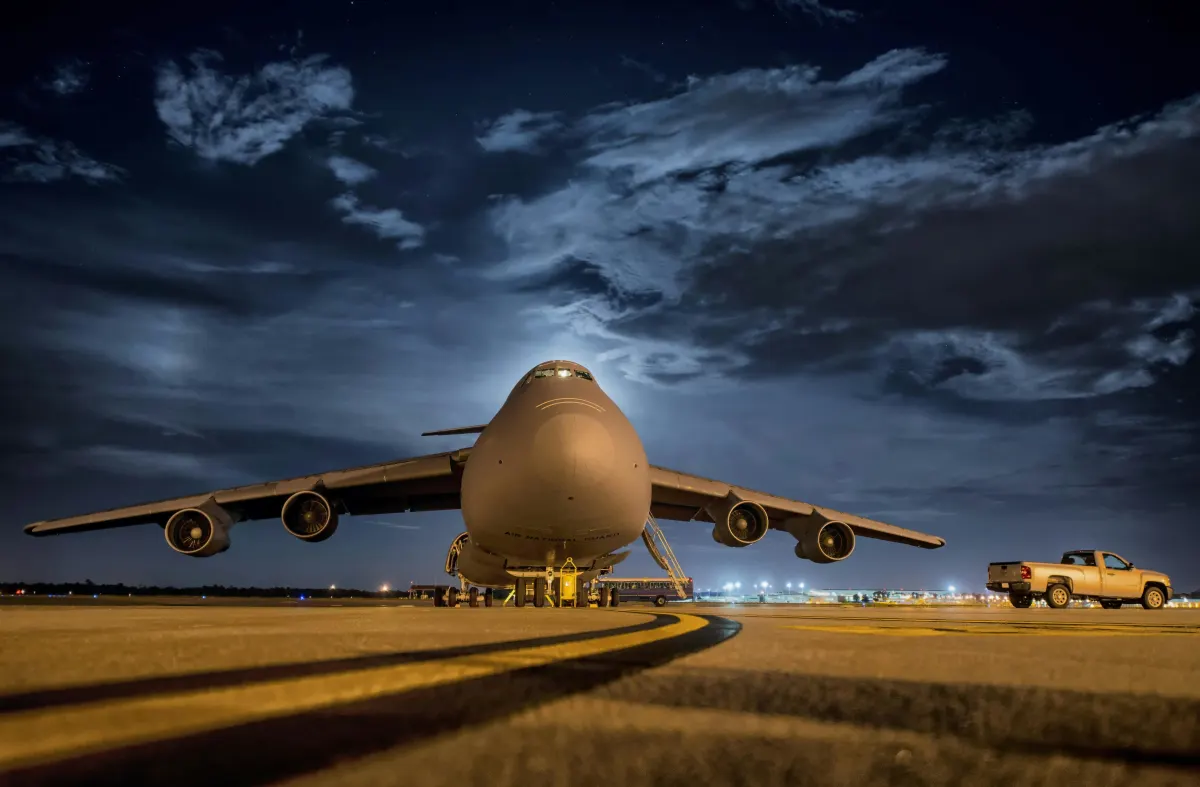
The FAA and EASA are nearing final certification for the Boeing 737 MAX 7 and 10, with expected approval in late 2026 and deliveries starting in 2027.
Key Takeaways
- •FAA and EASA expect MAX 7 certification by summer 2026.
- •MAX 10 certification is on track for late 2026.
- •Boeing holds a backlog of 1,468 MAX 10 orders.
- •First commercial deliveries are expected in early 2027.
The Federal Aviation Administration (FAA) and the European Union Aviation Safety Agency (EASA) have indicated that certification for the Boeing 737 MAX 7 and 10 is in its final stages. This progress marks a significant step toward clearing a massive narrowbody aircraft backlog that has constrained fleet expansion for major global carriers. According to recent regulatory updates, the FAA is on track to finalize certification for the MAX 7 in the summer of 2026, with the larger MAX 10 variant following in late 2026. This timeline aligns with the FAA Newsroom updates regarding ongoing oversight of the program.
Certification and Regulatory Oversight
The path to certification for these variants has been marked by heightened regulatory scrutiny. Following the 2018 and 2019 accidents involving the 737 MAX 8, the FAA shifted away from its previous practice of delegating heavy certification tasks to the manufacturer. Consequently, the certification process for the MAX 7 and 10 has extended over five years. A critical hurdle involved the engine anti-ice system, where regulators mandated a permanent hardware redesign for the CFM International LEAP-1B engines to address nacelle overheating, rejecting earlier proposals for procedural workarounds. The MAX 10 recently entered the Type Inspection Authorization (TIA) Phase 2, a milestone that permits agency test pilots to conduct official evaluations of avionics and performance data.
Impact on Airline Fleet Planning
The delay in certifying these aircraft has created significant operational challenges for operators. Southwest Airlines, the launch customer for the MAX 7, has faced substantial disruptions to its capacity growth plans due to the lack of new deliveries. Similarly, major carriers including United Airlines and Ryanair rely on the 230-passenger capacity of the MAX 10 to compete on high-density routes. According to Boeing Investor Relations, the company currently holds 280 net orders for the MAX 7 and 1,468 net orders for the MAX 10. While the EASA Newsroom confirms that validating the MAX 10 remains a top priority, airlines have expressed frustration over the extended timeline and the resulting impact on their long-term fleet modernization strategies.
Technical Comparison: MAX 10 vs. A321neo
| Metric | Boeing 737 MAX 10 | Airbus A321neo |
|---|---|---|
| Length | 43.8 m | 44.51 m |
| Maximum Capacity | 230 passengers | 244 passengers |
| Fuselage Width | 3.76 m | 3.95 m |
Analyzing the Narrowbody Market Trajectory
The current certification cycle reflects a broader industry shift toward high-capacity narrowbody aircraft. Airlines are increasingly utilizing these models for transcontinental and high-density routes to optimize yields without transitioning to widebody aircraft. This trend has benefited the Airbus A321neo program, which has maintained a near-monopoly in the segment while the MAX 10 awaited regulatory clearance. The historical precedent of the Airbus A321XLR certification, which also required a hardware redesign for its fuel tank system to meet safety standards, mirrors the current challenges faced by the Boeing program. This pattern suggests that regulators are now prioritizing structural hardware integrity over operational, pilot-dependent workarounds, a trend likely to persist in future narrowbody certification programs.
Expected Certification Milestones
- FAA certification of the Boeing 737 MAX 7 is expected by Summer 2026.
- FAA certification of the Boeing 737 MAX 10 is expected by late 2026.
- First commercial deliveries for both variants are projected to begin in early 2027.
Why This Matters for the Industry
For the aviation industry, the successful certification of the MAX 7 and 10 signals a stabilizing regulatory relationship between Boeing and global aviation authorities. It also represents the final clearance hurdle for a massive backlog of 1,748 total aircraft, which will significantly alter narrowbody supply dynamics beginning in 2027. For passengers and operators, the arrival of these aircraft will provide necessary capacity and fuel efficiency improvements on high-demand routes, potentially easing the supply-side constraints that have limited network expansion for several years.
Frequently Asked Questions
- When is the Boeing 737 MAX 10 expected to receive FAA certification?
- The Boeing 737 MAX 10 is on track to receive FAA certification by late 2026.
- How many passengers can the Boeing 737 MAX 10 accommodate?
- The Boeing 737 MAX 10 can accommodate up to 230 passengers in a single-class layout.
For global airline trends and commercial aviation news, turn to omniflights.com. For detailed airline coverage, route changes, and fleet moves, explore the Airlines section at omniflights.com/airlines.
Written by Hardik Vishwakarma
Co-Founder & Aviation News Editor leading initiatives that improve trust and visibility across the global aviation industry. Covers airlines, airports, safety, and emerging technology.
Visit ProfileYou Might Also Like
Discover more aviation news based on similar topics

Boeing 777X Testing Spills Into 2027 Amid Certification Hurdles
Boeing expects some 777X testing to extend into 2027, though the manufacturer maintains its target for the first delivery of the aircraft that year.
Airbus A350F Completes Ground Tests Before Maiden Flight
Airbus has finished initial ground tests for the A350F, with the freighter set for a late 2026 maiden flight and a 2027 entry into service.
Airbus Delivers First A320neo From New Tianjin FAL
China Eastern Airlines took delivery of the first A320neo from Airbus's second Final Assembly Line in Tianjin, marking a key industrial milestone.
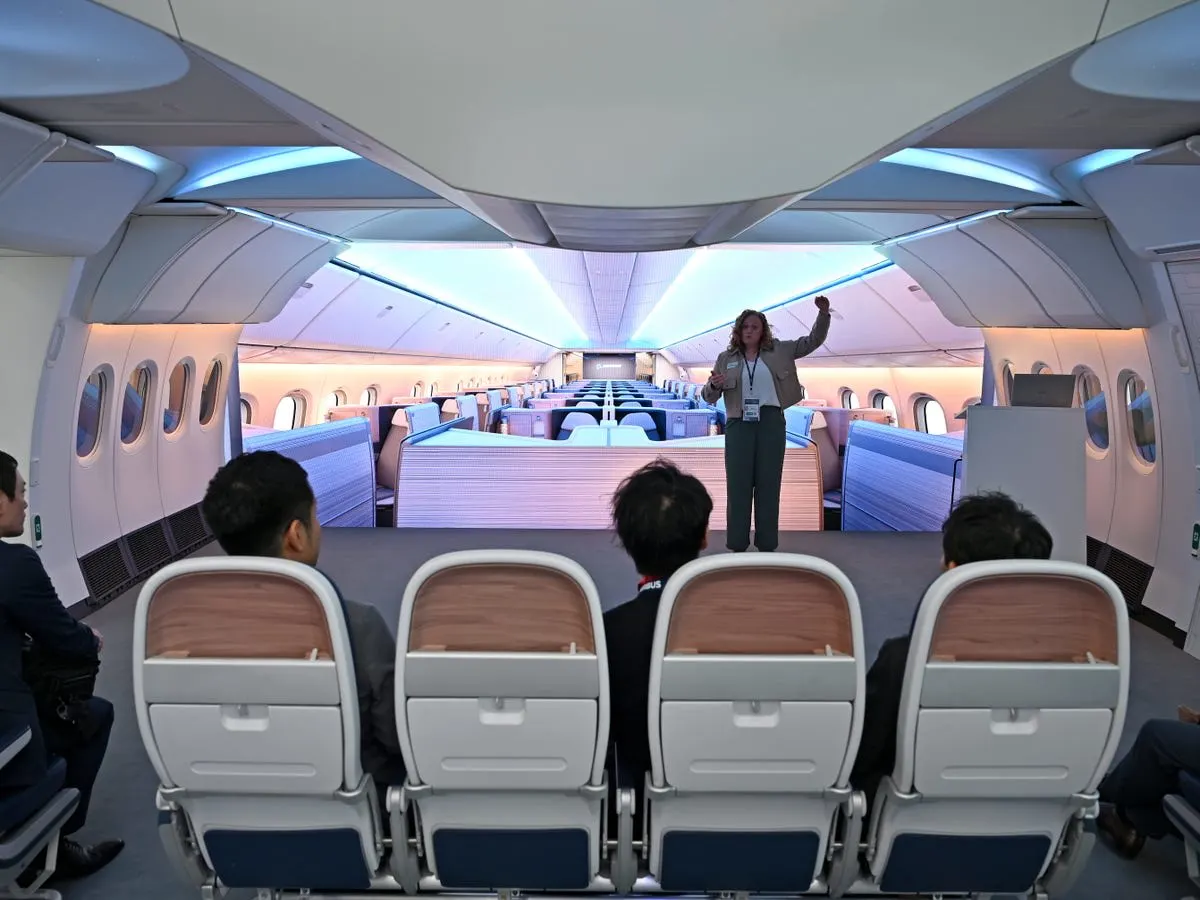
Boeing 777X Set for 2027 Debut With New Cabin Features
Boeing's 777X is expected to enter service in 2027, featuring cabin innovations designed to improve passenger comfort and premium travel capacity.
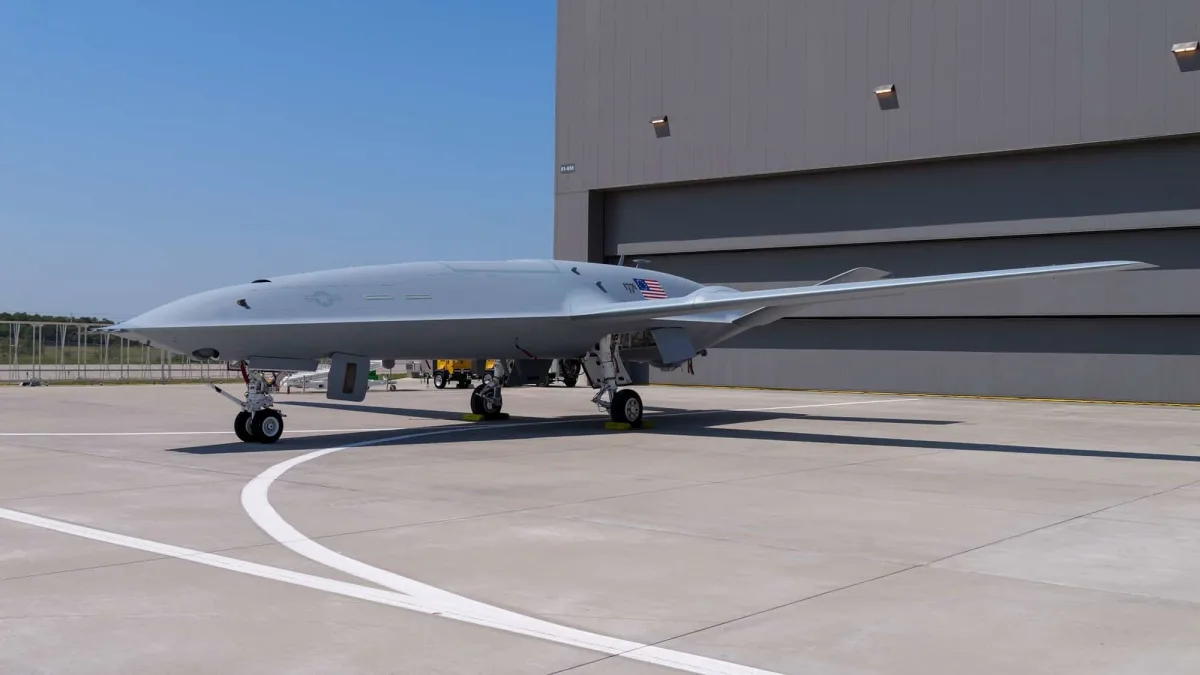
Boeing Awarded $562M Contract for MQ-25 Stingray Production
The U.S. Navy awarded Boeing a $562 million contract for the first three MQ-25 Stingray unmanned aerial refueling tankers, with deliveries expected in...

Boeing Logs 15 Gross Orders Including 13 787 Dreamliners
Boeing recorded 15 gross orders in August 2026, featuring 13 widebody 787 Dreamliner commitments from undisclosed customers.