ATR Forecasts Demand for 10 Turboprops Annually in India

Co-Founder & CTOCo-Founder & CTO driving the technology and data systems behind Omni Flights.

ATR projects Indian demand for 10 turboprops annually over 20 years, though global supply chain constraints limit current production.
Key Takeaways
- •ATR forecasts demand for 10 regional turboprops annually in India.
- •Global supply chain constraints cap current ATR production at 40 units.
- •India plans to add 100 airports by 2030 to boost regional connectivity.
- •Only 3% of India's 4 billion annual intercity trips are made by air.
Turboprop manufacturer ATR (Aerei da Trasporto Regionale / Avions de transport régional) forecasts a conservative ATR aircraft demand India of 10 aircraft per year over the next 20 years. This long-term turboprop market forecast highlights the rapid expansion of regional aviation in the country, driven by government infrastructure initiatives. However, meeting this target depends heavily on resolving current aviation supply chain constraints that limit production.
According to Alexis Vidal ATR's senior vice president of commercial operations, the Indian market could absorb significantly more aircraft if the manufacturer can increase its output. The operational impact of this forecast extends to local carriers, who must prepare for a substantial fleet expansion. This growth is closely tied to the Ministry of Civil Aviation's UDAN (Ude Desh ka Aam Naagrik) Regional Connectivity Scheme, which subsidizes routes to Tier 2 and Tier 3 cities.
The Airbus and Leonardo joint venture is currently managing a global order backlog of approximately 170 aircraft. At present, ATR produces 40 aircraft annually, which represents half of its pre-pandemic manufacturing levels. The company is selling between 50 and 60 aircraft annually and aims to increase its delivery capacity to 60 planes per year by 2030. Vidal noted that supply chain disruptions, rather than market demand, remain the primary factor limiting production.
Asia-Pacific represents ATR's largest market, accounting for approximately 40% of all deliveries and the global order backlog. India currently has around 70 ATR aircraft in active service. Vidal stated that this domestic fleet has the potential to double or triple as regional air connectivity expands. According to ATR's regional mobility white paper, India records more than 4 billion intercity trips every year, but only about 3% of these journeys are made by air. This contrast with mature aviation markets, where air travel accounts for 8% to 9% of intercity trips, highlights the massive untapped potential of the Indian market.
To support this growth, the Indian government plans to add around 100 airports by 2030, bringing a larger share of the population within reach of air services. This infrastructure expansion mirrors historical precedents in other major regional aviation markets. For instance, between 2008 and 2015, ATR experienced rapid fleet expansion in Indonesia, which became its largest global market as carriers like Garuda and Lion Air ordered over 100 turboprops to connect the archipelago. India's current regional aviation boom and infrastructure expansion closely follow this trajectory.
However, alternative perspectives from aviation industry analysts suggest that while turboprops offer lower operating costs on short routes, some regional airlines are shifting toward small narrowbody jets to offer faster travel times and a unified cabin experience.
The Supply Chain Bottleneck and Turboprop Economics
The current mismatch between robust demand and constrained production highlights a structural challenge in aerospace manufacturing. ATR's target of delivering 10 aircraft per year to India implies a total of 200 to 210 aircraft over two decades, which would require a significant acceleration in factory output. With the global backlog standing at 170 aircraft and production capped at 40 units annually, the manufacturer faces a prolonged delivery cycle. This backlog delays financial realization for the joint venture partners and complicates fleet planning for regional carriers. Resolving these bottlenecks is critical for ATR to capitalize on the high-growth Indian market before competitors or narrowbody jet alternatives capture the market share.
Production Ramp-Up and Airport Infrastructure Timelines
Several key milestones will shape the regional aviation landscape in India over the coming decade. ATR is expected to increase its annual aircraft production to 60 units by 2030 to address its backlog and meet rising demand. Concurrently, the expansion of India's operational airport network is expected to reach approximately 230 airports by 2030, up from current levels, under the Ministry of Civil Aviation's development plans. As the fleet grows, ATR aims to collaborate with Indian partners to establish localized capabilities in pilot training, maintenance, and component manufacturing, though specific investment plans and timelines have not yet been finalized.
Why Regional Connectivity Matters for Emerging Markets
This development signals a profound shift in how India's population accesses transportation, transitioning millions of travelers from rail and road to air. For regional airlines, securing a reliable stream of turboprop deliveries is essential to maintaining low operating costs on thin, price-sensitive routes. Ultimately, the successful expansion of this fleet will determine whether India can successfully bridge the connectivity gap between its major metropolitan hubs and its rapidly growing Tier 2 and Tier 3 cities.
Frequently Asked Questions
- What is the projected demand for ATR aircraft in India?
- ATR forecasts a conservative demand of approximately 10 aircraft per year in India over the next 20 years, totaling about 200 to 210 planes.
- How are supply chain issues affecting ATR's aircraft production?
- Supply chain constraints have capped ATR's current production at 40 aircraft annually, which is half of its pre-pandemic manufacturing levels.
- What percentage of intercity travel in India is currently done by air?
- According to ATR, only about 3% of India's over 4 billion annual intercity trips are made by air, representing significant untapped potential for regional aviation.
For in-depth airline coverage and commercial aviation news, omniflights.com delivers timely industry insights. Get the latest updates on major hubs, regional terminals, and airport operations via the Airports section at omniflights.com/airports.
Written by Shashank Shukla
Co-Founder & CTO leading the engineering and AI systems behind Omni Flights. Covers aviation technology, flight safety, aircraft manufacturing, and emerging aerospace developments.
Visit ProfileYou Might Also Like
Discover more aviation news based on similar topics

Boeing 777X Testing Spills Into 2027 Amid Certification Hurdles
Boeing expects some 777X testing to extend into 2027, though the manufacturer maintains its target for the first delivery of the aircraft that year.

Airbus A350F Completes Ground Tests Before Maiden Flight
Airbus has finished initial ground tests for the A350F, with the freighter set for a late 2026 maiden flight and a 2027 entry into service.
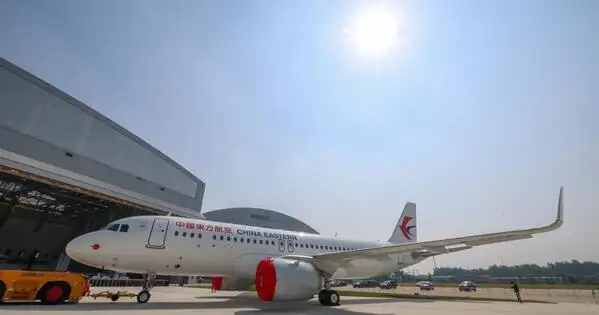
Airbus Delivers First A320neo From New Tianjin FAL
China Eastern Airlines took delivery of the first A320neo from Airbus's second Final Assembly Line in Tianjin, marking a key industrial milestone.

Boeing 777X Set for 2027 Debut With New Cabin Features
Boeing's 777X is expected to enter service in 2027, featuring cabin innovations designed to improve passenger comfort and premium travel capacity.
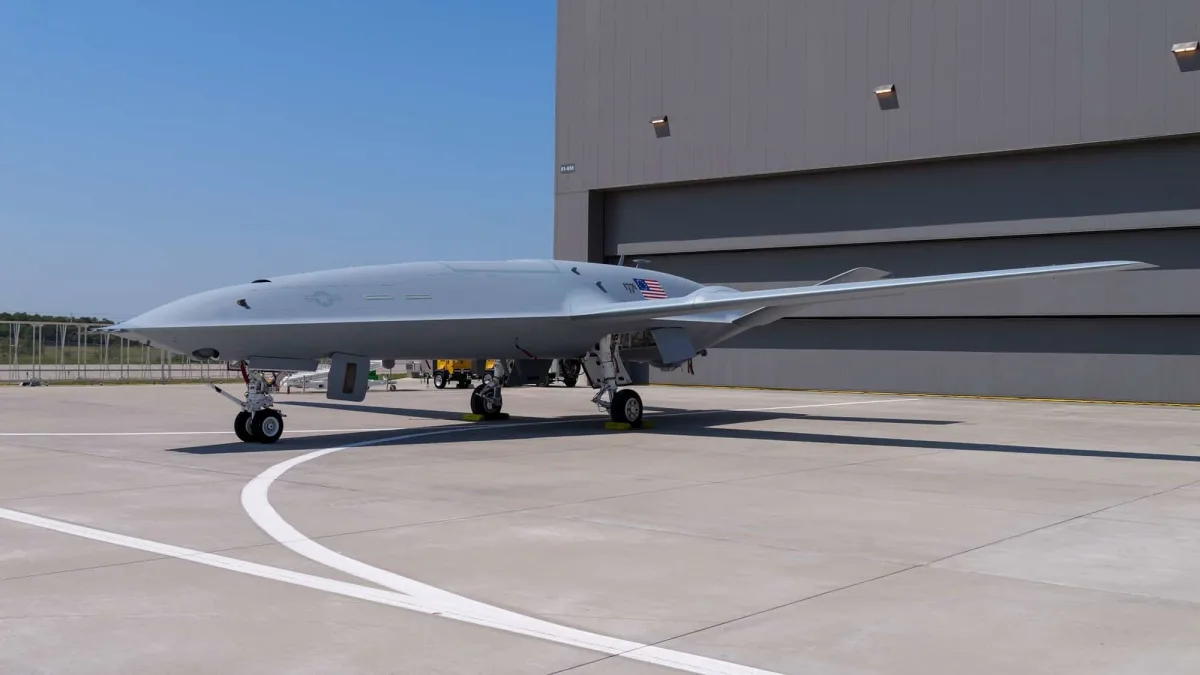
Boeing Awarded $562M Contract for MQ-25 Stingray Production
The U.S. Navy awarded Boeing a $562 million contract for the first three MQ-25 Stingray unmanned aerial refueling tankers, with deliveries expected in...

Boeing Logs 15 Gross Orders Including 13 787 Dreamliners
Boeing recorded 15 gross orders in August 2026, featuring 13 widebody 787 Dreamliner commitments from undisclosed customers.