737-7 MAX Achieves FAA Certification After 15 Years

Co-Founder & CTOCo-Founder & CTO driving the technology and data systems behind Omni Flights.
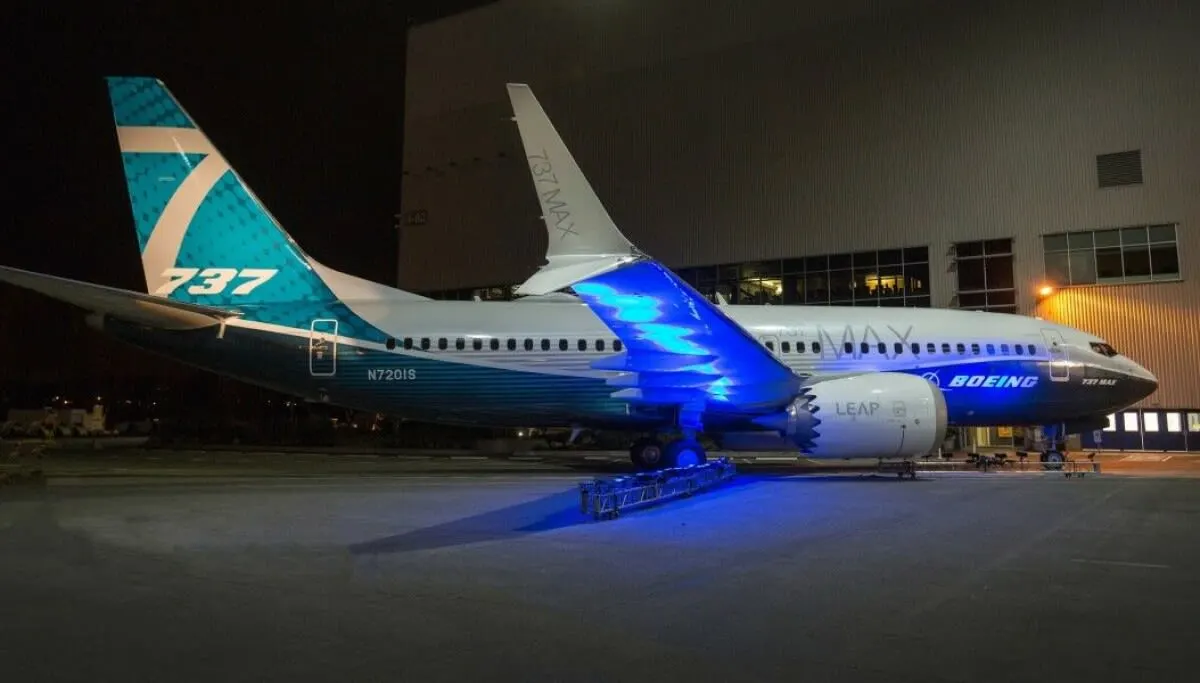
The FAA certified the Boeing 737-7 MAX, clearing the 3,800-nautical-mile range narrowbody for deliveries to launch customer Southwest Airlines.
Key Takeaways
- •FAA issues type certificate for the Boeing 737-7 MAX after years of review.
- •Southwest Airlines holds 269 orders for the newly certified narrowbody.
- •Aircraft features a 3,800-nautical-mile range, the longest in the MAX family.
- •Commercial entry into service with Southwest is expected in early 2027.
Boeing celebrated a major regulatory milestone as the Federal Aviation Administration (FAA) officially issued an amended type certificate for the aircraft, as confirmed by the FAA statement on the MAX 7 certification on August 3, 2026. This approval formally clears the smallest Boeing 737 MAX variant to enter commercial production and delivery. The decision marks the culmination of an extensive, multi-year review process that began when the program was first announced in 2011, nearly 15 years ago.
The regulatory milestone clears a massive programmatic hurdle for Boeing, enabling the manufacturer to begin deliveries and recognize revenue on hundreds of backlogged orders. For airlines, the variant represents a highly efficient tool for network optimization. Although it is the smallest member of the MAX family, the 737-7 boasts the longest range of any variant in the lineup, making it uniquely suited for long-range, lower-demand routes.
Core Certification Requirements and Safety Redesigns
The certification campaign was exceptionally rigorous, encompassing more than 1,000 hours of flight and ground testing under heightened regulatory oversight. According to FAA records, the certification required extensive design modifications to address safety recommendations from the National Transportation Safety Board (NTSB). Specifically, Boeing had to execute a complete redesign of the Engine Anti-Ice (EAI) system to prevent inlet overheating, a technical issue that had previously delayed the program.
Furthermore, the aircraft had to comply with the stringent mandates of the Aircraft Certification, Safety, and Accountability Act. This legislation, passed by the United States Congress, forced Boeing to incorporate comprehensive updates to the flight-control software and flightcrew alerting systems. The NTSB maintained that these rigorous redesigns of the engine anti-ice system and flightcrew alerting architectures were non-negotiable safety prerequisites following earlier design flaws identified in the broader MAX family.
Commenting on the milestone, Stephanie Pope, President and CEO of Boeing Commercial Airplanes, stated that the FAA certification validates the rigor of the aircraft's updated design. She emphasized that the achievement recognizes the determination of the development team, who successfully navigated an extended pandemic and transitioned to entirely new regulatory certification processes.
Fleet Modernization and Performance Metrics
The 737-7 MAX is designed to accommodate between 135 and 160 passengers in a standard two-class layout, with a maximum high-density capacity of 172 seats. This capacity makes it the direct, modernized replacement for the aging Boeing 737-700 fleet, which entered service in 1998 and became a cornerstone of the global low-cost carrier model.
In terms of performance, the 737-7 MAX features a maximum range of 3,800 nautical miles (approximately 7,040 km). This represents roughly 10% more range potential than its larger sibling, the 737-8 MAX.
Boeing 737-7 MAX vs Boeing 737-8 MAX: Key Specifications
The following table outlines the key technical differences between the newly certified 737-7 MAX and the widely deployed 737-8 MAX:
| Metric | Boeing 737-7 MAX | Boeing 737-8 MAX |
|---|---|---|
| Range | 3,800 nm | 3,500 nm |
| Typical Seating (2-class) | 135-160 | 160-180 |
| Overall Length | 35.56 m | 39.52 m |
Inside the Engine Anti-Ice and Software Redesign
The extended timeline for the 737-7 MAX certification reflects a broader industry trend toward extended certification timelines. Following the global grounding of the Boeing 737 MAX 8 between 2017 and 2019 after two fatal accidents, regulators worldwide have dramatically intensified their scrutiny of new aircraft designs. This shift has ended the era of rapid derivative approvals, forcing manufacturers to undergo exhaustive, multi-year validation campaigns. The successful certification of the 737-7 MAX indicates that Boeing has established a compliant pathway under these stricter frameworks, though at the cost of significant schedule delays. By resolving the EAI system vulnerabilities and upgrading flightcrew alerting architectures, the manufacturer has set a new baseline for safety compliance that will likely dictate the certification path for the upcoming Boeing 737-10 MAX.
Delivery Timelines and Future MAX Certifications
With the amended type certificate in hand, Boeing can transition from flight testing to active customer deliveries.
- Early 2027: Launch customer Southwest Airlines is expected to log the first commercial entry into service for the Boeing 737-7 MAX. Southwest holds 269 orders for the variant as part of its long-term fleet modernization strategy to retire its older 737-700s.
- Late 2026 to 2027: The FAA is expected to issue the type certification for the larger Boeing 737-10 MAX, which represents the final uncertified variant of the MAX family.
Why Range and Fleet Commonality Matter
This development is a critical win for airline operators seeking to optimize thin, long-range routes. By deploying a highly efficient narrowbody aircraft with a 3,800-nautical-mile range, carriers can profitably connect secondary city pairs without the financial risk of operating widebody aircraft. For major stakeholders like Southwest Airlines, the certification ensures fleet commonality and lower operating costs, while validating the FAA's updated, post-reform oversight processes.
Frequently Asked Questions
- What is the maximum range of the Boeing 737-7 MAX?
- The Boeing 737-7 MAX features a maximum range of 3,800 nautical miles (7,040 km), which is approximately 10% more range potential than the larger 737-8 MAX.
- Which airline is the launch customer for the Boeing 737-7 MAX?
- Southwest Airlines is the launch customer, holding 269 orders for the 737-7 MAX to replace its aging fleet of 737-700 aircraft.
- What technical issues delayed the Boeing 737-7 MAX certification?
- Certification was delayed by required safety redesigns, including a complete redesign of the Engine Anti-Ice (EAI) system to prevent inlet overheating and updates to the flightcrew alerting systems.
For global airline trends and commercial aviation news, turn to omniflights.com. Discover how innovation is shaping aviation through aircraft systems, avionics, and digital tools at omniflights.com/technology.
Written by Shashank Shukla
Co-Founder & CTO leading the engineering and AI systems behind Omni Flights. Covers aviation technology, flight safety, aircraft manufacturing, and emerging aerospace developments.
Visit ProfileYou Might Also Like
Discover more aviation news based on similar topics

Boeing 777X Testing Spills Into 2027 Amid Certification Hurdles
Boeing expects some 777X testing to extend into 2027, though the manufacturer maintains its target for the first delivery of the aircraft that year.
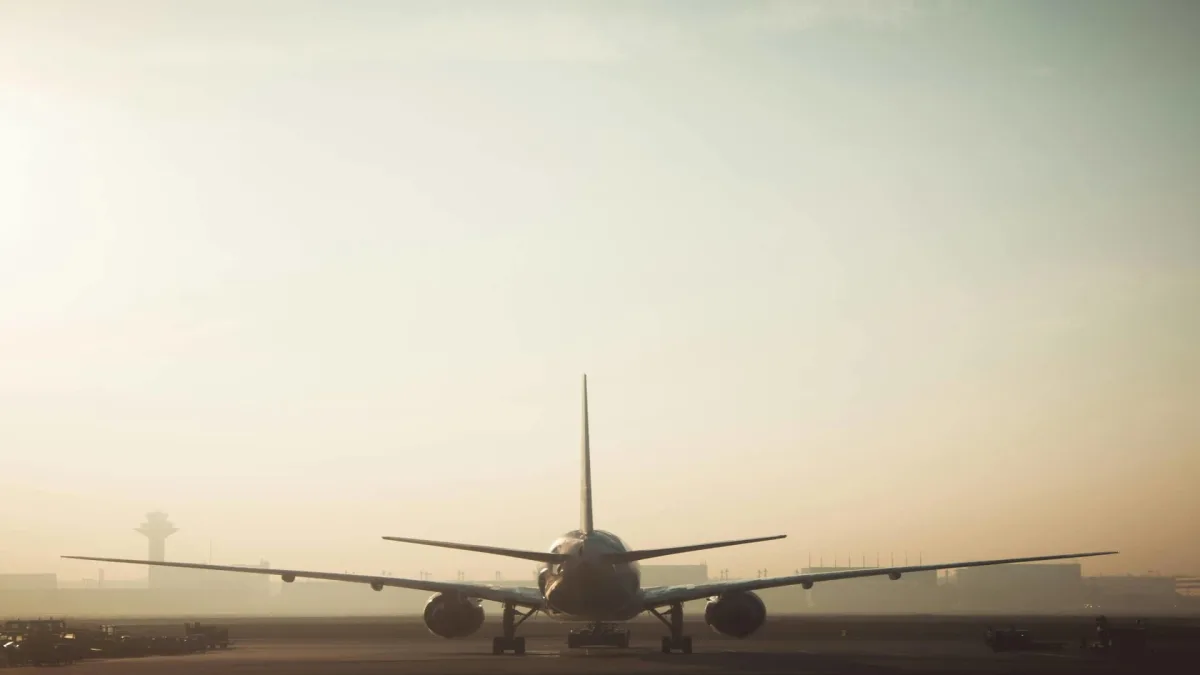
Airbus A350F Completes Ground Tests Before Maiden Flight
Airbus has finished initial ground tests for the A350F, with the freighter set for a late 2026 maiden flight and a 2027 entry into service.
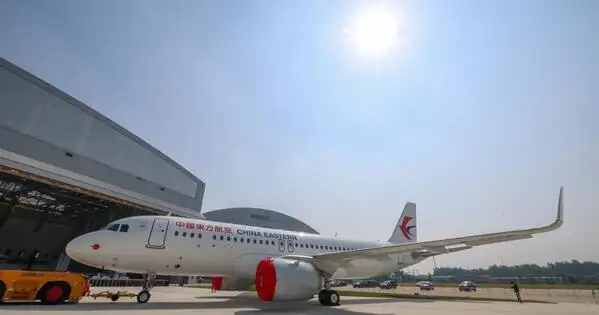
Airbus Delivers First A320neo From New Tianjin FAL
China Eastern Airlines took delivery of the first A320neo from Airbus's second Final Assembly Line in Tianjin, marking a key industrial milestone.
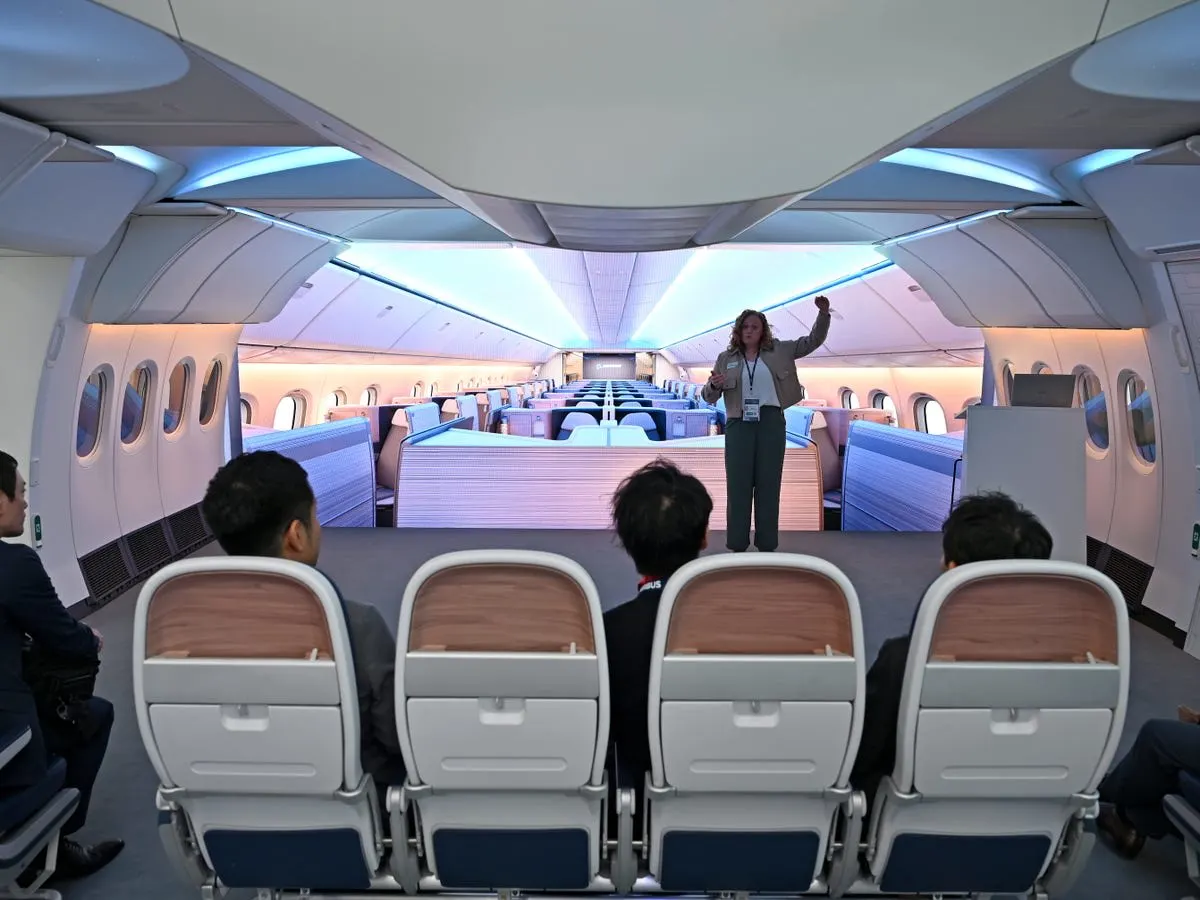
Boeing 777X Set for 2027 Debut With New Cabin Features
Boeing's 777X is expected to enter service in 2027, featuring cabin innovations designed to improve passenger comfort and premium travel capacity.
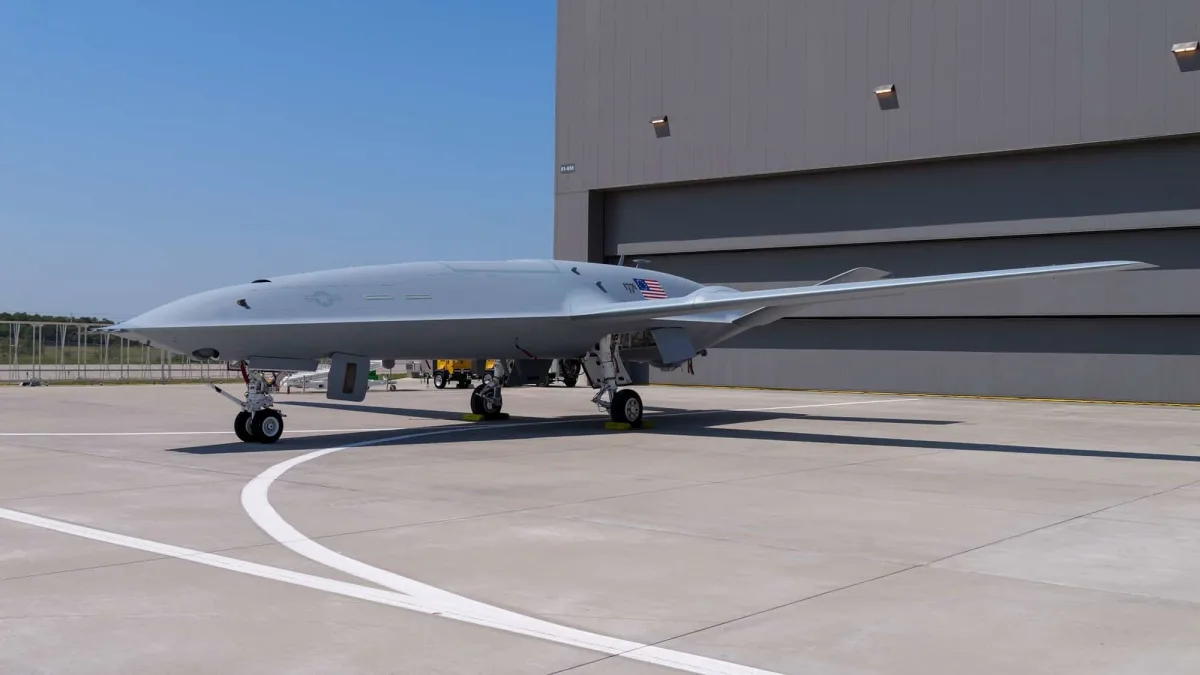
Boeing Awarded $562M Contract for MQ-25 Stingray Production
The U.S. Navy awarded Boeing a $562 million contract for the first three MQ-25 Stingray unmanned aerial refueling tankers, with deliveries expected in...

Boeing Logs 15 Gross Orders Including 13 787 Dreamliners
Boeing recorded 15 gross orders in August 2026, featuring 13 widebody 787 Dreamliner commitments from undisclosed customers.