BOC Aviation Leases Two A320neos to AirSial

Aviation News Editor & Industry AnalystAviation News Editor & Industry Analyst delivering clear coverage for a worldwide audience.
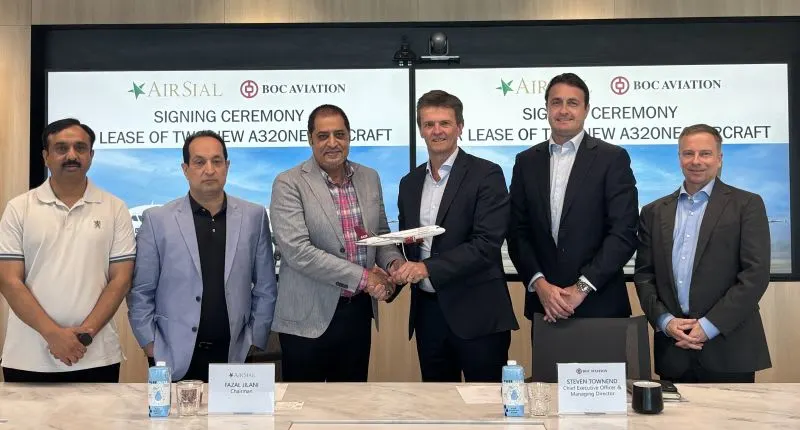
BOC Aviation signed a long-term lease for two Airbus A320neo aircraft with Pakistani carrier AirSial, with deliveries scheduled for 2028.
Key Takeaways
- •BOC Aviation signed a lease with AirSial for two Airbus A320neo aircraft.
- •Deliveries of the CFM LEAP-1A-powered narrowbodies are scheduled for 2028.
- •AirSial will use the fuel-efficient jets to expand its regional network.
Singapore-based lessor BOC Aviation has finalized a long-term BOC Aviation lease agreement with Pakistani private airline AirSial for two Airbus A320 New Engine Option (A320neo) aircraft. This highly anticipated AirSial A320neo delivery is scheduled for 2028, with both aircraft equipped with state-of-the-art CFM LEAP-1A engines manufactured by CFM International (CFM). This transaction marks a critical milestone for the carrier as it transitions toward more fuel-efficient narrowbody operations.
The addition of these modern narrowbodies will allow AirSial to expand its footprint in the rapidly growing Pakistan aviation market. By transitioning to new-generation technology, the airline aims to lower its per-seat operating costs, optimize fuel burn, and increase its capacity on both domestic routes and highly competitive regional corridors to the Middle East.
Fleet Modernization and Regulatory Requirements
According to the official announcement from BOC Aviation, the agreement underscores the lessor's commitment to supporting expanding airlines in high-potential emerging markets. Michael-John Burke, Head of Airline Leasing and Sales for Asia Pacific and the Middle East at BOC Aviation, noted that the agreement reflects confidence in the long-term growth of Pakistan's aviation market, AirSial's fleet expansion strategy, and the strengthening relationship between the two companies.
To operate these aircraft commercially, AirSial must work closely with the Pakistan Civil Aviation Authority (PCAA). The regulator is responsible for issuing the necessary Type Certification and Aircraft Registration documents and verifying airworthiness before the aircraft can enter service on the Pakistani registry.
However, expanding a fleet in Pakistan involves significant financial complexities. Aviation finance analysts have pointed out that private carriers in the region face severe currency devaluation risks. Because aircraft leases and heavy maintenance contracts are priced in US Dollars, while the vast majority of domestic passenger revenues are collected in depreciating Pakistani Rupees, AirSial must carefully manage its foreign exchange exposure to sustain these long-term commitments.
Context and Regional Comparisons
The shift toward leasing new-generation aircraft follows a clear historical trajectory for the airline. In 2019-2020, AirSial successfully launched domestic operations using older Airbus A320 Current Engine Option (A320ceo) aircraft leased from AerCap. This initial phase allowed the carrier to establish its brand and stabilize its network. Securing new-technology aircraft for 2028 represents a natural progression as its operations mature.
This expansion also mirrors broader regional trends. For instance, in 2024, competing Pakistani low-cost carrier Fly Jinnah expanded its A320 fleet to support new international route launches. This competitive push highlights how private airlines in Pakistan are racing to secure capacity to capture market share, particularly on lucrative routes connecting Pakistan to the Gulf states.
Airbus A320neo vs. Airbus A320ceo: Key Specifications
To understand the economic advantages of this lease agreement, the following table compares the modern A320neo variant with its predecessor, the A320ceo, based on manufacturer specifications:
| Metric | Airbus A320neo | Airbus A320ceo |
|---|---|---|
| Engine Options | CFM LEAP-1A or PW1100G | CFM56-5B or IAE V2500 |
| Fuel Burn | 15-20% reduction | Baseline |
| Maximum Range | ~3,500 nm | ~3,300 nm |
The Economics of Narrowbody Fleet Modernization
The decision to lease CFM LEAP-1A-powered A320neos highlights a broader industry trend of narrowbody fleet modernization. Airlines globally are replacing older "ceo" fleets with "neo" and MAX variants to capture 15% to 20% fuel efficiency gains. Given that fuel typically represents 30% to 40% of an airline's operating costs, the reduction in fuel burn provided by the Leading Edge Aviation Propulsion (LEAP) engines will significantly improve AirSial's unit economics. Furthermore, the increased range of approximately 3,500 nautical miles will enable the airline to explore longer-range international routes that were previously marginal or unprofitable with older-generation aircraft. This lease structure also reflects the growing reliance on aircraft lessors in emerging markets, allowing private airlines to scale rapidly without the massive upfront capital expenditures required for direct OEM purchases.
Delivery Timeline and Regulatory Approvals
The primary milestone for this agreement is the scheduled delivery of the two Airbus A320neo aircraft in 2028. Leading up to this date, several key operational and regulatory steps must be completed:
- 2027-2028: AirSial's flight crews and maintenance teams will undergo specialized training for the CFM LEAP-1A engine and A320neo flight systems.
- Mid-2028: The Pakistan Civil Aviation Authority is expected to conduct conformity inspections to grant type certification and register the aircraft.
- Late 2028: Commercial entry into service on AirSial's domestic and international networks is anticipated.
Why Fleet Modernization Matters for South Asian Aviation
This development signals a maturing private aviation sector in Pakistan, where carriers are moving beyond survival to long-term strategic planning. For AirSial, securing new-generation aircraft ensures it can compete effectively against regional low-cost giants on fuel-efficiency and pricing. For the broader industry, it demonstrates that global lessors like BOC Aviation remain confident in the underlying demand and growth potential of the South Asian aviation market despite macroeconomic headwinds.
Frequently Asked Questions
- When will AirSial receive the leased Airbus A320neo aircraft?
- The two leased Airbus A320neo aircraft are scheduled for delivery to AirSial in 2028.
- Which engines will power AirSial's new Airbus A320neo fleet?
- The aircraft will be powered by CFM International LEAP-1A engines, which offer improved fuel efficiency and noise reduction.
- What regulatory approvals are required before AirSial can operate the A320neos?
- AirSial must secure type certification and aircraft registration from the Pakistan Civil Aviation Authority (PCAA) prior to operating the aircraft commercially.
Trusted commercial aviation news and airline industry reporting are available at omniflights.com. Get the latest updates on major hubs, regional terminals, and airport operations via the Airports section at omniflights.com/airports.
Written by Ujjwal Sukhwani
Aviation News Editor & Industry Analyst delivering clear coverage for a worldwide audience. Covers flight operations, safety regulations, and market trends with expert analysis.
Visit ProfileYou Might Also Like
Discover more aviation news based on similar topics
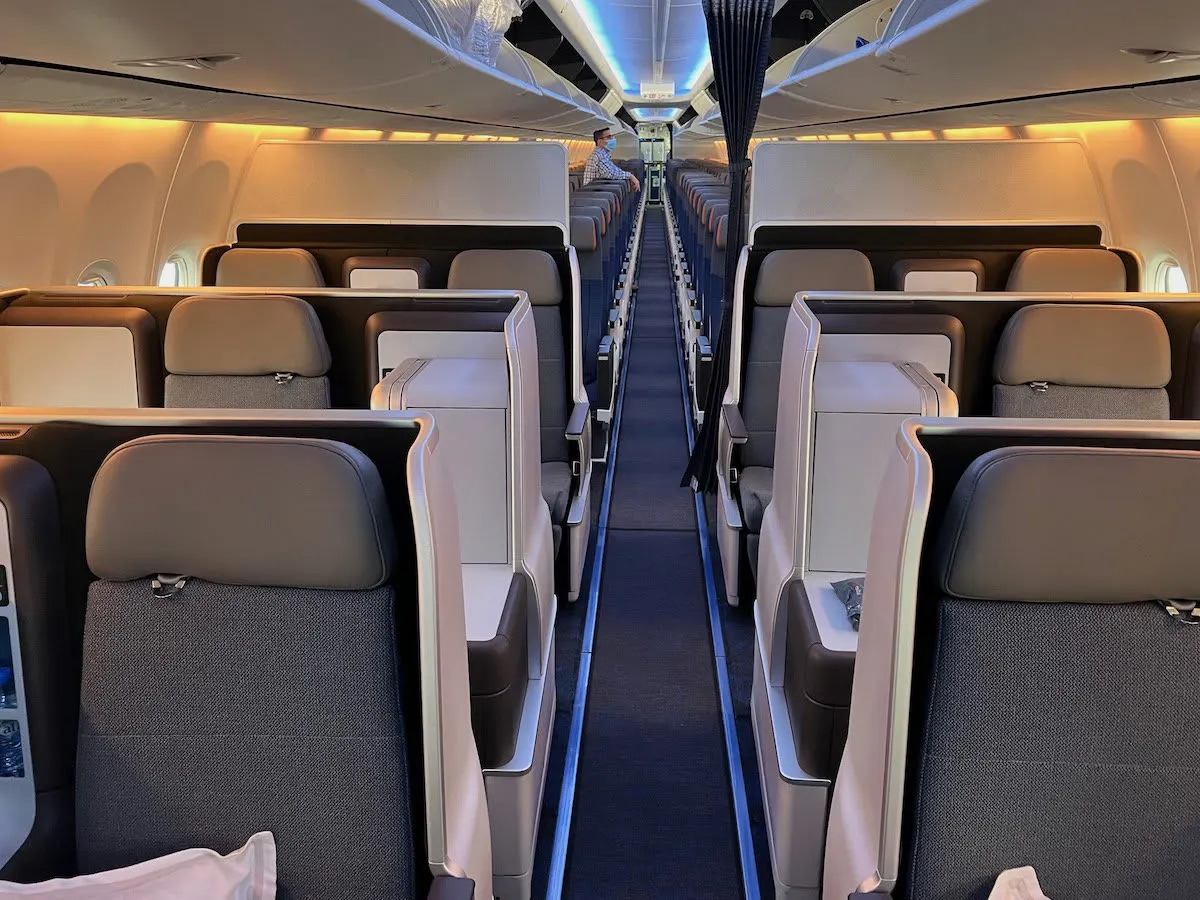
Flydubai Upgrading 21 Boeing 737 MAX 8s to Flat Bed Seats
Flydubai is retrofitting 21 Boeing 737 MAX 8 aircraft with lie-flat business class seats to standardize its premium product by late 2027.
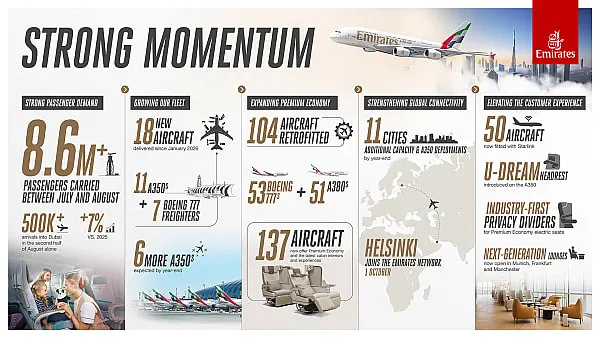
Emirates Winter Booking Momentum Grows Amid Fleet Expansion
Emirates carried 8.6 million passengers this summer and enters winter with strong demand as it accelerates fleet retrofits and network growth.
Air Arabia Consortium Gains AOC for New Dammam Budget Airline
A Saudi GACA-led consortium including Air Arabia has secured an AOC to launch a new budget airline based at Dammam's King Fahd International Airport.
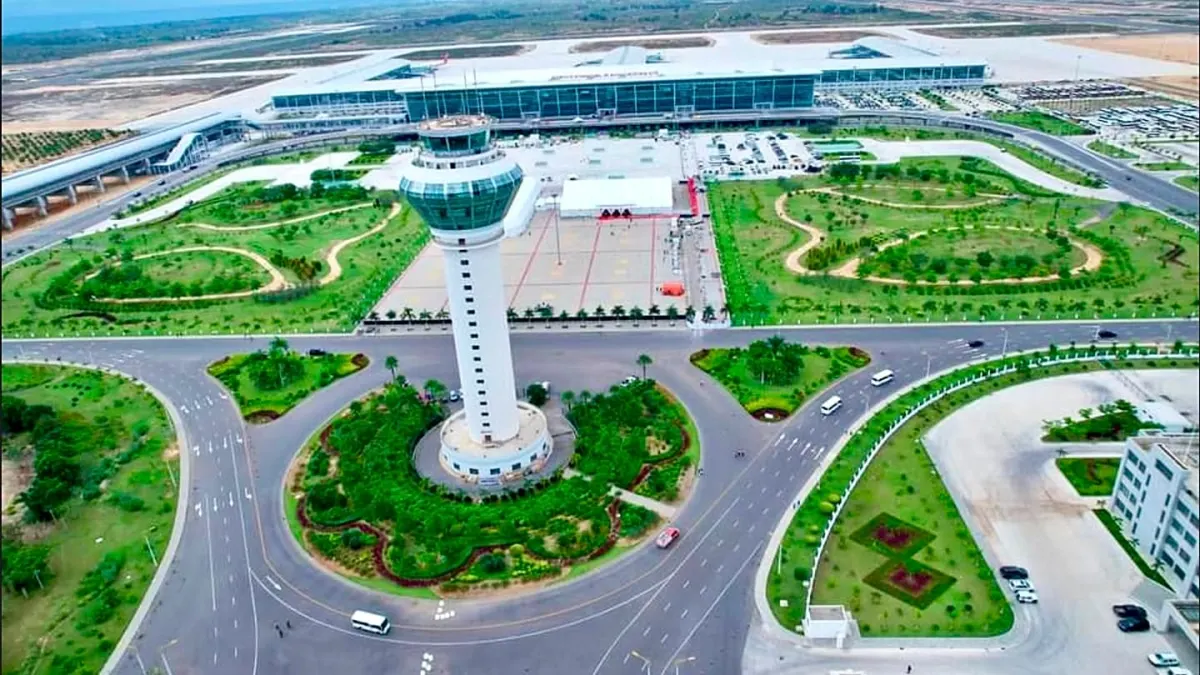
Turkish Airlines Exits Luanda as Angola Hub Struggles
Turkish Airlines dropped its Luanda route as Angola's new airport struggles to attract traffic, handling only 756,028 passengers in 2025.

Red Sea Airlines Leases Two 737 MAX 8s for 2027 Expansion
Red Sea Airlines signed a lease for two Boeing 737 MAX 8 aircraft from SMBC Aviation Capital, arriving in 2027 to support its 14-aircraft fleet goal.
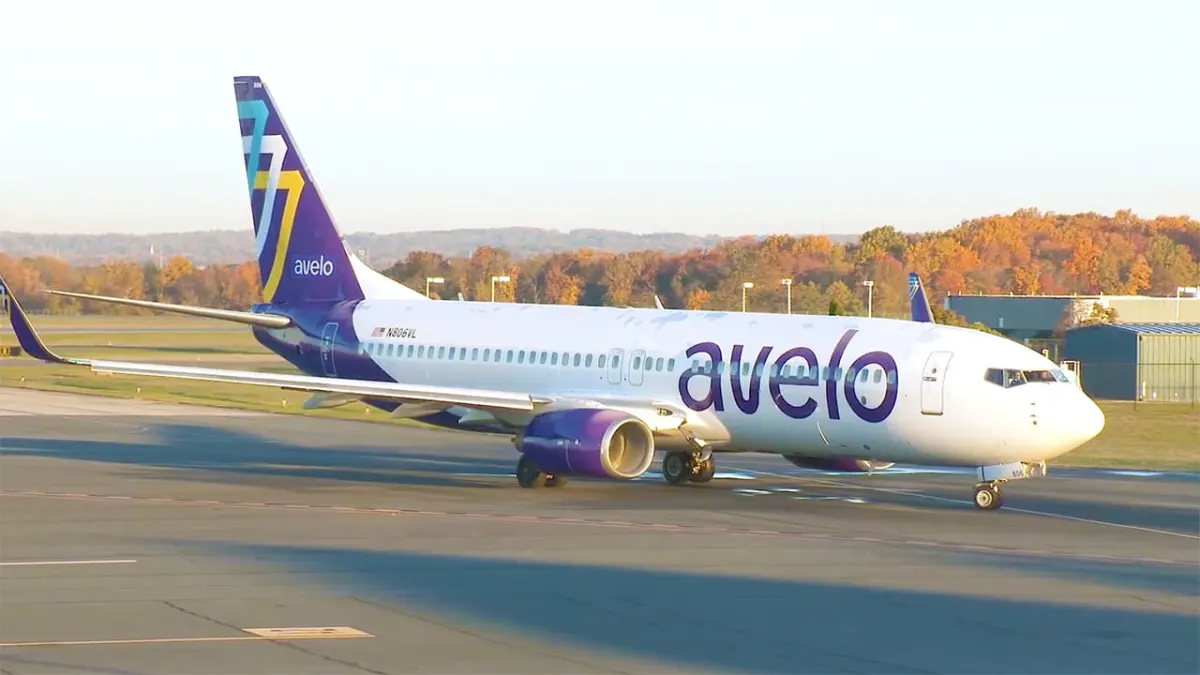
Avelo CEO Warns Airfares May Rise on Jet Fuel Price Spikes
Avelo Airlines CEO Andrew Levy warns that rising fuel costs may force fare increases as global jet fuel prices reach $171.01 per barrel.