Air Arabia Consortium Gains AOC for New Dammam Budget Airline

Aviation News Editor & Industry AnalystAviation News Editor & Industry Analyst delivering clear coverage for a worldwide audience.

A Saudi GACA-led consortium including Air Arabia has secured an AOC to launch a new budget airline based at Dammam's King Fahd International Airport.
Key Takeaways
- •Air Arabia consortium receives AOC to launch Dammam-based budget airline.
- •New carrier targets 10 million annual passengers by 2030.
- •Operations will connect 81 domestic and international destinations.
- •The project is expected to create over 2,400 direct local jobs.
Regulatory Approval for New Saudi Market Entrant
An Air Arabia-led consortium has been granted an Air Operator Certificate (AOC) by the General Authority of Civil Aviation (GACA) of Saudi Arabia, clearing the way to establish and operate a new low-cost carrier (LCC) based in Dammam. The Saudi Press Agency confirmed the certification on September 14, 2026, marking a significant milestone for the Saudi budget airline Dammam project. This Air Arabia consortium AOC award follows a rigorous vetting process, ensuring the new entity meets all technical, safety, security, and operational quality standards mandated by the Implementing Regulations of the Civil Aviation Law.
The consortium, comprising Air Arabia Group, Nesma Group, and KUN Holding Company, will base its operations at King Fahd International Airport (DMM). The launch represents a strategic expansion for the Sharjah-based Air Arabia Group, which has successfully utilized similar joint-venture models in the Middle East to capture regional point-to-point traffic.
Strategic Network and Growth Targets
This new GACA low-cost carrier is designed to support the broader Saudi aviation strategy 2030, which aims to diversify the national economy and increase air connectivity. According to the official GACA announcement, the airline plans to serve a total network of 81 routes, comprising 24 domestic and 57 international destinations. The carrier has set an ambitious target of handling approximately 10 million passengers annually by 2030.
Beyond passenger capacity, the operation is expected to serve as a catalyst for local economic development. The airline is projected to create more than 2,400 direct jobs in the Eastern Province, spanning aviation, ground handling, and support services. Captain Sulaiman bin Saleh Almuhaimedi, Executive Vice President of Aviation Safety and Environmental Sustainability at GACA, noted that the launch will contribute to enhancing market competition and supporting trade and tourism within the region.
Market Context and Industry Implications
The introduction of this LCC adds a new competitive layer to the Saudi domestic market, currently served by established operators including flynas and flyadeal. For these existing airlines, the entry of a well-capitalized, experienced consortium suggests an intensification of competition for regional and domestic market share. Conversely, for King Fahd International Airport, the presence of a new base carrier is expected to drive significant growth in both passenger throughput and non-aeronautical revenue streams.
Historically, this development mirrors the kingdom's broader push to modernize its aviation infrastructure. The launch of Riyadh Air in March 2023 set a precedent for the rapid establishment of new, specialized carriers to capture distinct market segments. Furthermore, the consortium model reflects a growing trend among major airline groups—such as the establishment of Air Arabia Abu Dhabi in July 2020—to form localized joint ventures that localize operations without disrupting core hub strategies.
Operational Scaling and Future Milestones
The airline is currently preparing for its initial launch phase, with a long-term goal of reaching its full network capacity by 2030. As the carrier builds its fleet and staffing levels, it must maintain compliance with GACA’s evolving regulatory framework. The success of this venture will be measured by its ability to effectively capture the projected 10 million annual passengers, a figure that aligns with Saudi Arabia’s national target of handling 330 million passengers annually by the end of the decade.
Why the Eastern Province Aviation Market Matters
The establishment of this hub in Dammam is critical to the Eastern Province’s economic integration within the Vision 2030 framework. By increasing connectivity to 57 international destinations, the carrier is positioned to facilitate direct trade and tourism growth in a region that has historically relied on connecting traffic through other major hubs. This development signals a shift toward a more decentralized aviation model in Saudi Arabia, where secondary airports are increasingly empowered to serve as primary gateways for regional growth.
Frequently Asked Questions
- What is the primary objective of the new Air Arabia-led airline in Dammam?
- The new low-cost carrier aims to support Saudi Arabia's Vision 2030 by increasing regional air connectivity, with plans to serve 81 domestic and international destinations and handle 10 million passengers annually by 2030.
- Which companies are part of the consortium granted the AOC by GACA?
- The consortium consists of the Air Arabia Group, Nesma Group, and KUN Holding Company.
omniflights.com provides comprehensive commercial aviation news covering airlines, aircraft, and airports. From aircraft production to supply chains, commercial aviation manufacturing news is covered at omniflights.com/manufacturing.
Written by Ujjwal Sukhwani
Aviation News Editor & Industry Analyst delivering clear coverage for a worldwide audience. Covers flight operations, safety regulations, and market trends with expert analysis.
Visit ProfileYou Might Also Like
Discover more aviation news based on similar topics
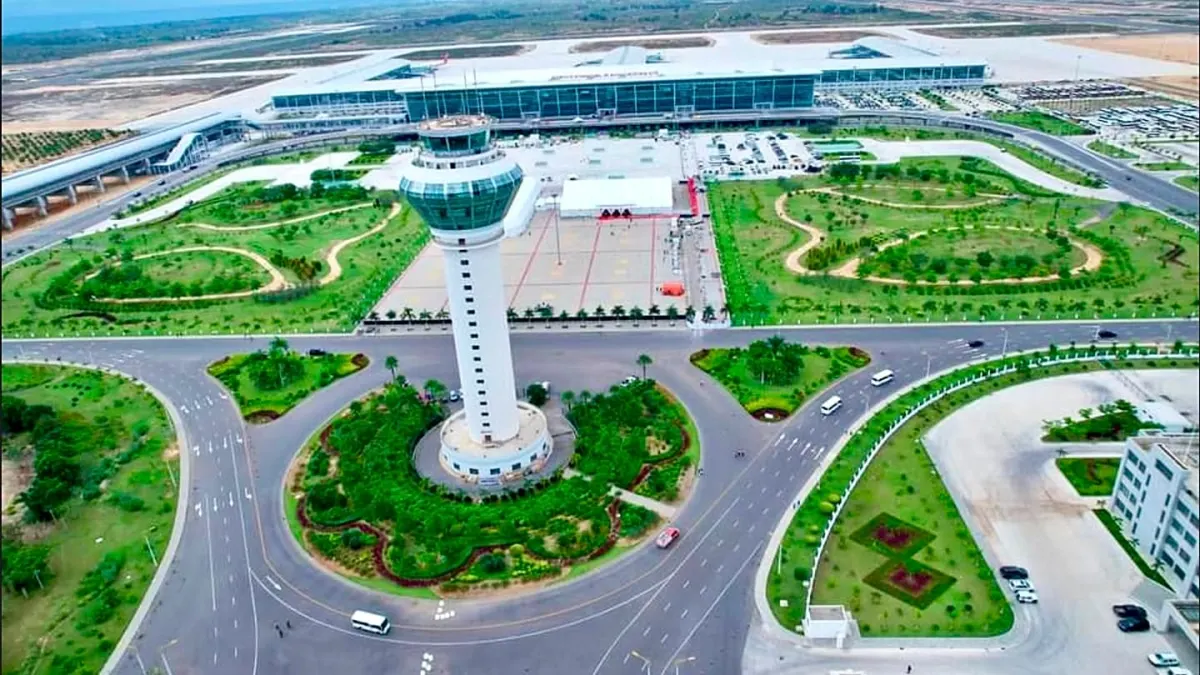
Turkish Airlines Exits Luanda as Angola Hub Struggles
Turkish Airlines dropped its Luanda route as Angola's new airport struggles to attract traffic, handling only 756,028 passengers in 2025.

Red Sea Airlines Leases Two 737 MAX 8s for 2027 Expansion
Red Sea Airlines signed a lease for two Boeing 737 MAX 8 aircraft from SMBC Aviation Capital, arriving in 2027 to support its 14-aircraft fleet goal.
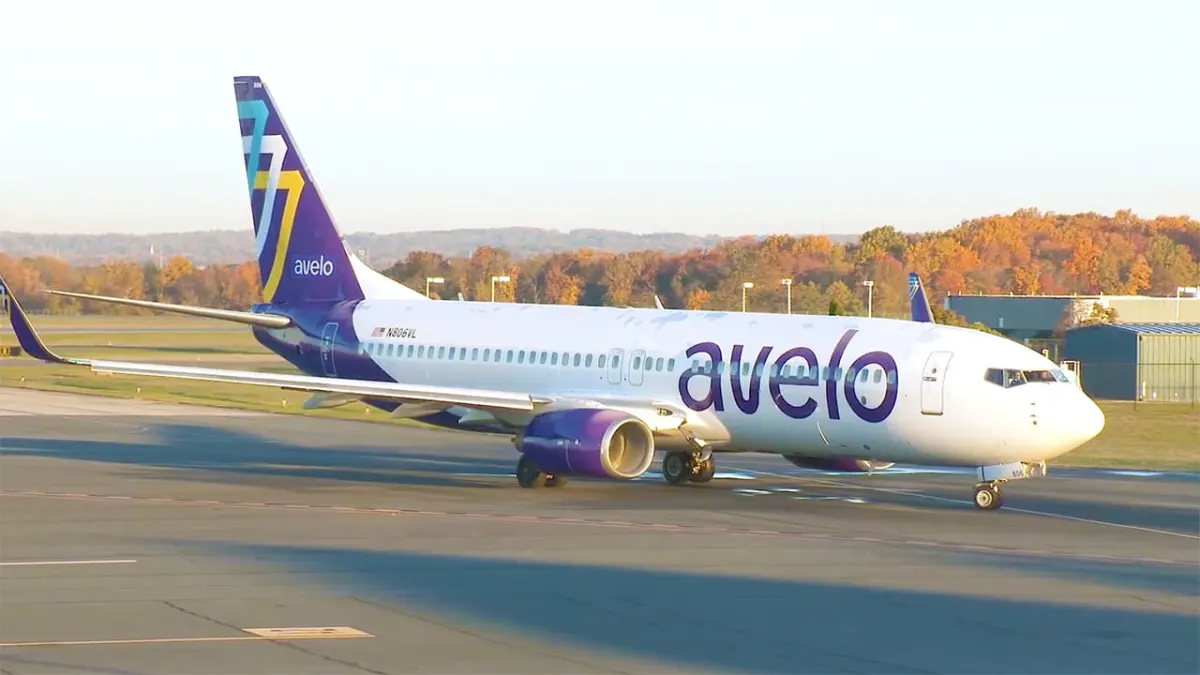
Avelo CEO Warns Airfares May Rise on Jet Fuel Price Spikes
Avelo Airlines CEO Andrew Levy warns that rising fuel costs may force fare increases as global jet fuel prices reach $171.01 per barrel.
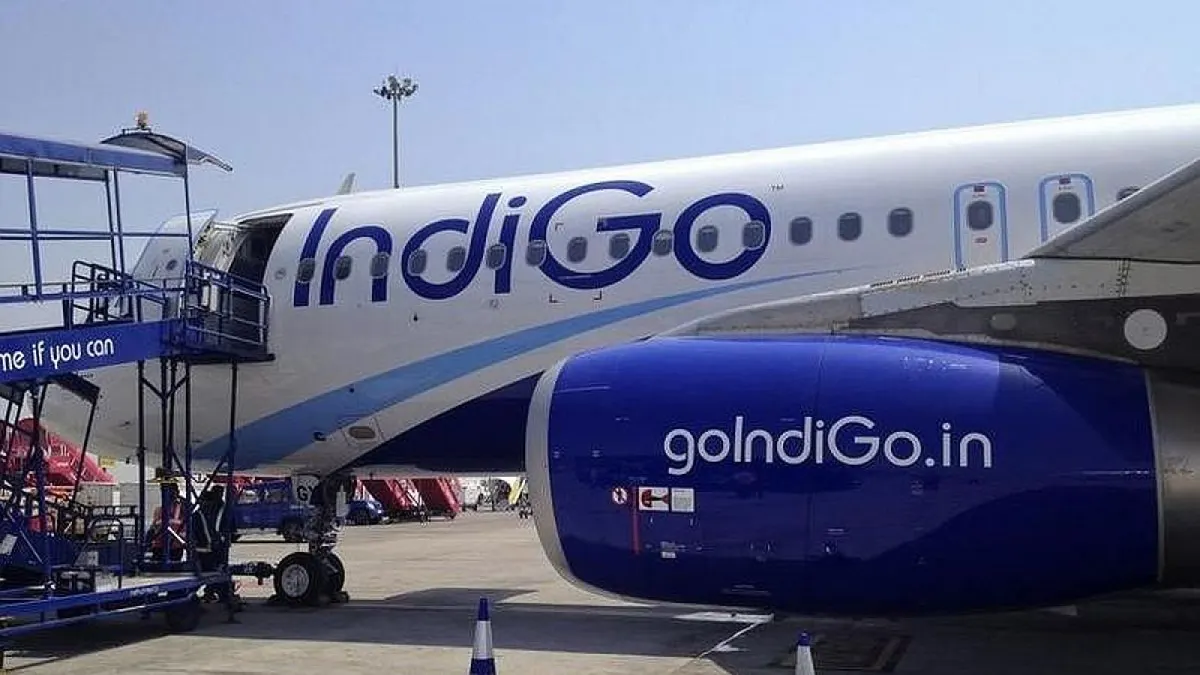
IndiGo, Air India Battle for Mumbai-Delhi Route Dominance
IndiGo and the Air India group are competing for dominance on the Mumbai-Delhi air route, which saw 13.9 percent capacity growth this September.

Delta Air Lines Trims 5 Routes, Cuts Las Vegas Capacity
Delta Air Lines will end five domestic routes from New York and Las Vegas this winter as part of a seasonal network capacity adjustment.

FLY91 Orders 40 ATR 72-600s for Regional Fleet Expansion
Indian startup FLY91 has placed a firm order for 40 ATR 72-600 aircraft, valued at $1 billion, to scale its regional fleet to 60 planes by 2032.